Newsroom verification mechanics reveal 4 proven protocols to prevent dangerous misinformation
When breaking events ignite digital chaos, the difference between reliable reporting and viral deception hinges on rigorous editorial safeguards. Explore the forensic systems, source triangulation strategies, and verification workflows that allow elite newsrooms to deliver truth under extreme deadline pressure.
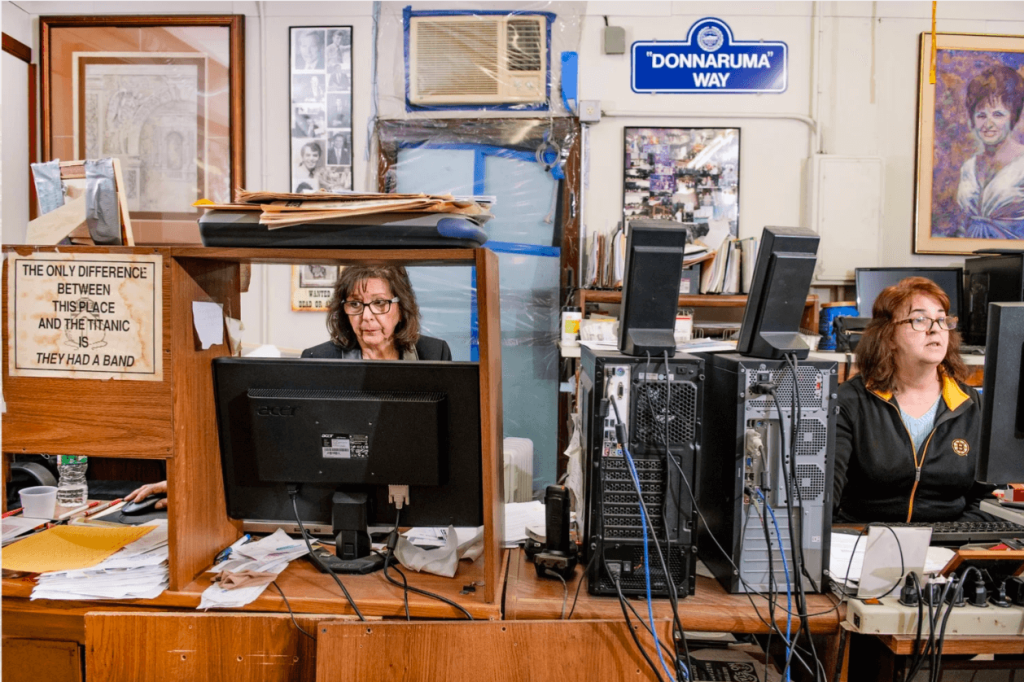
Mastering disciplined newsroom verification mechanics separates credible journalism from chaotic rumor mills when breaking events flood the public square. When an explosion rattles a coastal port, an anonymous dossier lands in an inbox, or a disputed audio recording surfaces online, the temptation to broadcast immediately can be overwhelming. Digital platforms reward instant reaction, yet premature publication carries catastrophic consequences. A single unvetted rumor can trigger economic panic, ruin reputations, or irrevocably shatter the bond between a publication and its audience.
Behind the polished facade of reputable news organizations sits a rigorous, battle-tested operational architecture. Far from being a matter of gut instinct or editorial intuition, fact confirmation operates as a technical science. Editors, reporters, and forensic analysts deploy layered defenses designed to catch fabrications, challenge deceptive narratives, and strip away emotional bias before a single word goes to print.
Understanding this internal machinery reveals why legitimate reporting requires time, resources, and institutional courage. In an era where deepfakes, coordinated disinformation campaigns, and recycled archival footage masquerade as immediate reality, the survival of public discourse depends entirely on the resilience of these verification systems.
The Hidden Tension Between Velocity and Accuracy
Every newsroom operates under a permanent structural paradox. Speed is perishable currency, while accuracy is permanent capital. Being first with a major scoop grants prestige and immediate traffic, but being wrong erases decades of accumulated trust in seconds. When wire services deploy urgent alerts across global terminals, every second spent checking a document is a second surrendered to competitors who might be less scrupulous.
Seasoned editorial desks resolve this tension through strict triage protocols. Rather than viewing speed and verification as mortal enemies, elite desks treat speed as a function of preparation. Verification checklists are codified into reflexes. Reporters do not wait for a crisis to understand how to pull corporate filings, run reverse image queries, or authenticate satellite imagery. They establish verification pipelines long before the alarm bells ring.
Just as mastering physical spin in athletic performance requires an appreciation of invisible aerodynamic forces—much like how baseball pitch spin mechanics reveal 4 proven secrets to create unhittable movement through minute finger adjustments—journalistic credibility relies on understanding hidden procedural checkpoints before publishing. When editors respect the mechanics of information velocity, they avoid the deadly trap of mistaking online ubiquity for verified truth.
Four Proven Protocols That Guard Editorial Integrity
When investigating how enduring institutions survive digital chaos, these four newsroom verification mechanics form an impenetrable frontline defense against orchestrated manipulation.
Triangulating Primary Sources and Preserving Chain of Custody
A solitary claim is never an established fact. Professional newsrooms enforce strict multi-source thresholds before controversial claims reach production. Triangulation requires obtaining corroborating evidence from independent entities that possess direct, firsthand knowledge of the event. Crucially, these sources must not share an identical intelligence pipeline, eliminating the risk of circular reporting where two individuals unknowingly repeat the exact same online rumor back to a reporter.
When dealing with leaked documents, physical records, or whistle-blower files, desks enforce rigorous chain of custody protocols. Forensic specialists verify document provenance by examining PDF metadata, inspecting typographic artifacts, and cross-referencing document serial numbers against bureaucratic formatting standards. If the original source cannot explain how the material came into their possession without contradiction, the material remains quarantined indefinitely.
Forensic Visual Verification and Geolocation Analysis
The ubiquity of high-resolution smartphones has turned every bystander into a potential witness, but it has also flooded the news ecosystem with recycled or synthetic media. Newsrooms do not accept user-generated video at face value. Forensic visual verification begins by scrubbing metadata, isolating Exchangeable Image File Format (EXIF) data, and extracting timestamps to ensure the file was not generated months or years prior in an unrelated location.
When metadata has been deliberately stripped by social media platforms, analysts turn to environmental geolocation. They match background ridgelines, distinctive utility poles, architectural facades, and street furniture against high-resolution satellite imagery. Analysts calculate shadow lengths relative to the estimated time of capture using solar azimuth calculators to verify that daylight angles match the stated timeline. Until the physical geography and chronolocation align beyond mathematical doubt, the footage cannot be broadcast as verified evidence.
Multi-Tier Editorial Cross-Examination and Devil Advocacy
Verification is not solely an outward investigation; it is an intense internal gauntlet. Once a draft takes shape, the copy passes through multiple layers of editors whose explicit mission is to deconstruct the reporting. Rather than confirming the narrative, senior desk editors deliberately act as hostile cross-examiners, interrogating the reporter on source motivations, missing perspectives, and evidentiary weaknesses.
By forcing reporters to defend every single adjective and evidentiary leap, this layer of newsroom verification mechanics weeds out lazy assumptions before they reach readers. Editors probe specifically for cognitive biases: Did the reporter favor this explanation because it neatly fit a compelling narrative? Does the evidence truly prove causation, or merely an intriguing correlation? If a story cannot survive aggressive internal interrogation, it will never withstand the scrutiny of the open public.
Transparent Correction Protocols and Systematic Retractions
Even the most rigorous verification apparatus must account for human error and deliberately deceptive actors. The defining hallmark of a professional news desk is not the complete absence of mistakes, but the institutional courage to correct them transparently and comprehensively. Modern verification architecture includes formalized correction workflows that supersede editorial pride.
When an error occurs, newsrooms issue clear, prominent corrections that explain precisely what was originally stated, what the verified reality is, and why the mistake occurred. Stealth editing—quietly rewriting a misleading sentence without notifying the reader—is strictly prohibited under industry ethics. By documenting revisions directly within the record, publications preserve institutional accountability and demonstrate that factual accuracy takes absolute precedence over corporate vanity.
Digital Sleuthing and Open Source Intelligence in Daily Reporting
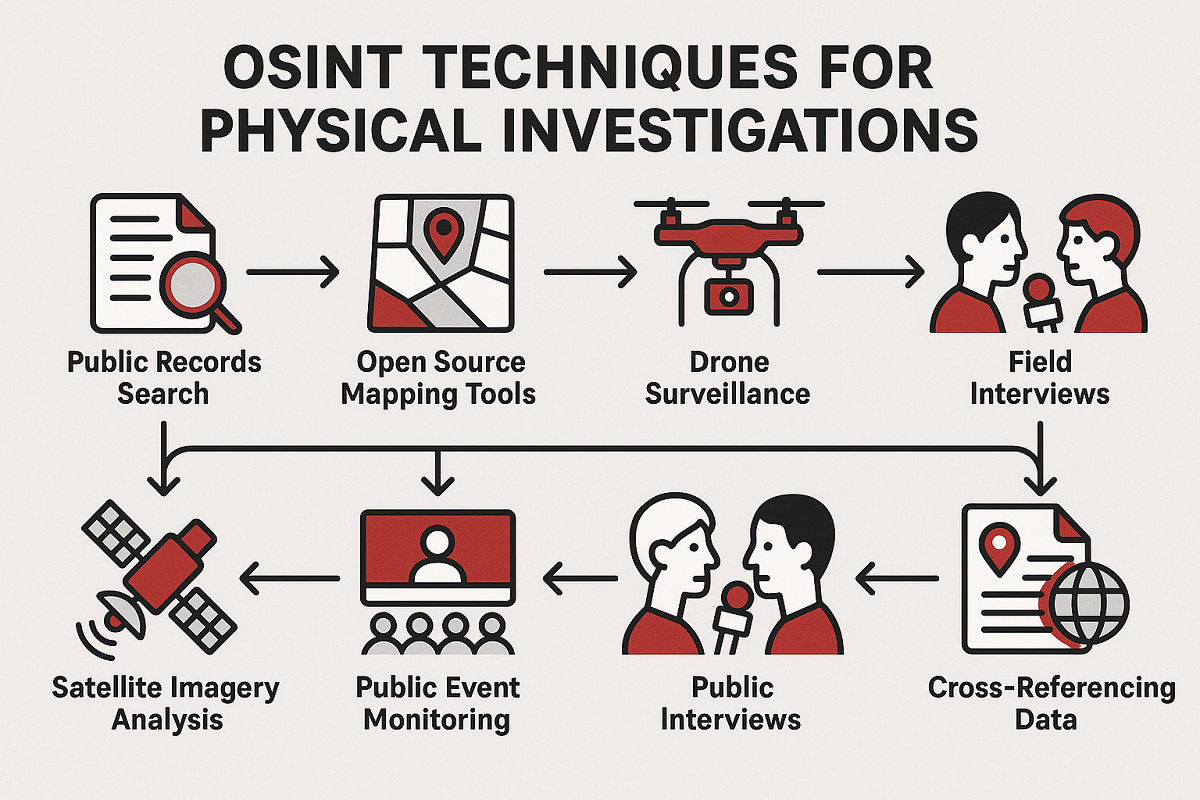
The emergence of open source intelligence (OSINT) has permanently transformed traditional verification desks into digital forensics laboratories. Decades ago, confirming the movement of an overseas military unit or the arrival of a disputed cargo vessel required embedded human assets on the ground. Today, open commercial satellite constellations, automated maritime transponder tracking, and flight radar feeds allow desk journalists to verify global claims from thousands of miles away.
As synthetic media and generative falsehoods evolve, contemporary newsroom verification mechanics rely heavily on open-source intelligence techniques to pierce through coordinated propaganda campaigns. Analysts dissect synthetic imagery by inspecting micro-artifacts: irregular hair rendering, mismatched pupil reflections, warping around background architecture, and biometric inconsistencies in vocal inflections. Algorithmic detection tools assist the workflow, but final confirmation rests entirely with human investigators cross-checking physical reality against digital claims.
This technical rigor transforms investigative reporting into an open, auditable discipline. Rather than expecting audiences to rely on institutional authority alone, modern desks frequently publish their verification pathways. By linking to satellite coordinates, providing flight-tracking logs, and demonstrating their analytical trail, newsrooms empower readers to trace the truth for themselves.
Cultivating Institutional Skepticism Against Confirmation Bias
The most sophisticated forensic software in existence remains entirely useless if the human beings operating it fall victim to wishful thinking. Psychological confirmation bias is the single most persistent threat to factual integrity. When a leak aligns seamlessly with an editor’s personal political views or a reporter’s long-sought narrative arc, natural skepticism inevitably softens. Malicious actors rely specifically on this emotional vulnerability to inject hoaxes into the mainstream press.
Combatting this instinct requires building an active culture of institutional skepticism. Legendary editors train young journalists to embrace the classic trade maxim: If your mother tells you she loves you, check it out. Desks implement systematic red-teaming, assigning independent staff members who have no emotional investment in a project to audit the primary documentation independently before publication.
This uncompromising culture draws heavily from foundational industry principles such as the Society of Professional Journalists Code of Ethics, which mandates that reporters independently test the accuracy of information from all sources and exercise vigilance against inadvertent errors. Without a cultural foundation of skepticism, even the most sophisticated digital tools fail; where robust newsroom verification mechanics truly excel is inside the minds of journalists who refuse to mistake plausibility for proof.
The Enduring Value of Verification Over Speed
In a world characterized by an infinite supply of low-friction content, unverified raw data has become virtually worthless. Anyone with an internet connection can broadcast an unvetted assertion, manipulate an image, or amplify a polarizing conspiracy. The modern information ecosystem does not suffer from a scarcity of claims; it suffers from an acute deficit of verified certainty.
This reality elevates editorial verification from an internal administrative chore to an essential civic service. Readers do not return to legacy publications simply to find out what happened ten seconds ago. They return because they need to know what withstands rigorous scrutiny. The meticulous process of verifying sources, cross-checking metadata, analyzing satellite imagery, and subjecting claims to editorial cross-examination is precisely what transforms noise into actionable truth.
Ultimately, mastering newsroom verification mechanics is not merely an operational necessity for professional desks; it is the essential bedrock of a functioning public square that demands clarity over chaos. As long as information moves at the speed of light, the deliberate, forensic act of hitting the pause button to verify the facts will remain the most revolutionary practice in public communication.