Breaking news verification mechanics and 4 proven protocols to prevent catastrophic editorial failures
When chaos erupts, the race to publish first often collides with weaponized disinformation and fabricated digital artifacts. Discover the forensic protocols, psychological discipline, and verification systems veteran newsrooms use to protect factual integrity.
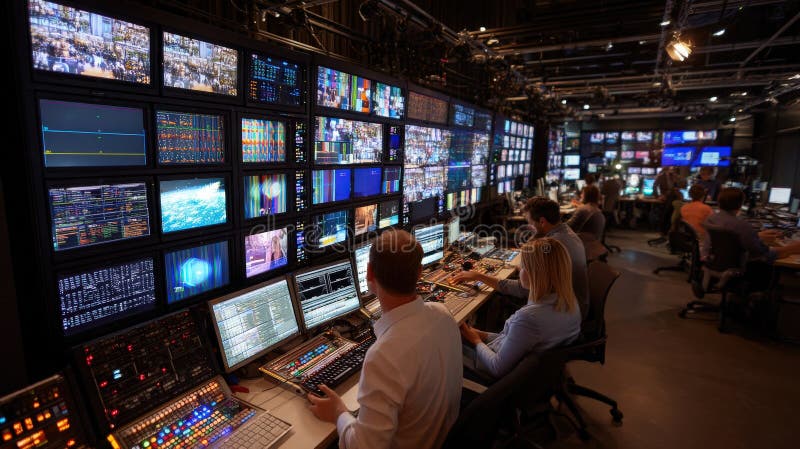
The High Stakes Pressure Cooker of Real Time Information Flow
Understanding breaking news verification mechanics separates responsible newsrooms from panic-fueled megaphones when explosions rock city centers or crises erupt without warning. The modern news cycle does not begin with seasoned correspondents filing measured wire dispatches from secure desks. It starts with an unvetted twenty-second clip on social networks or a frantic whisper on an encrypted channel. Within seconds, algorithms amplify the footage to millions of anxious screens. In this sensory storm, the temptation to hit publish is visceral. Adrenaline narrows perceptual bandwidth, urging reporters to match the reckless speed of algorithmic aggregators who prioritize velocity over factual fidelity.
Yet rushing ahead produces catastrophic consequences for public trust. A misidentified suspect can ruin an innocent life within minutes. A fabricated warning can destabilize financial markets, spark panic, and alter foreign policy calculations. The tension between velocity and factual accuracy forms the fundamental battleground of modern journalism. While amateur aggregators treat news dissemination as a high-stakes lottery for clicks, institutional reporters treat raw information as a hazardous material requiring methodical decontamination. Speed without verification is negligence disguised as urgency.
Anatomy of Information Contamination in Fast Breaking Cycles
Information does not arrive clean during an emergency. It arrives contaminated with panic, strategic deception, and cognitive distortion. Disinformation peddlers exploit the initial information vacuum—that critical window after a major event where authentic facts are scarce and human hunger for answers peaks. During this gap, malicious actors deploy recycled footage from unrelated past conflicts, mislabeling a historical explosion as a current strike.
Digital contamination extends far beyond clumsy edits. Newsrooms face cheap fakes relying on misleading context alongside hyper-realistic synthetic media. Ambient lighting anomalies, mismatched audio tracks overlaid onto silent footage, and coordinated bot networks masquerading as local witnesses flood editorial desks. When an unverified claim gains momentum, it triggers a confirmation cascade. Journalists observe secondary accounts repeating the same unsubstantiated rumor and mistakenly assume independent corroboration has occurred. In reality, they are merely listening to an echo chamber bouncing a single falsehood across digital canyon walls. Deconstructing this contamination requires treating every incoming asset as guilty until proven innocent.
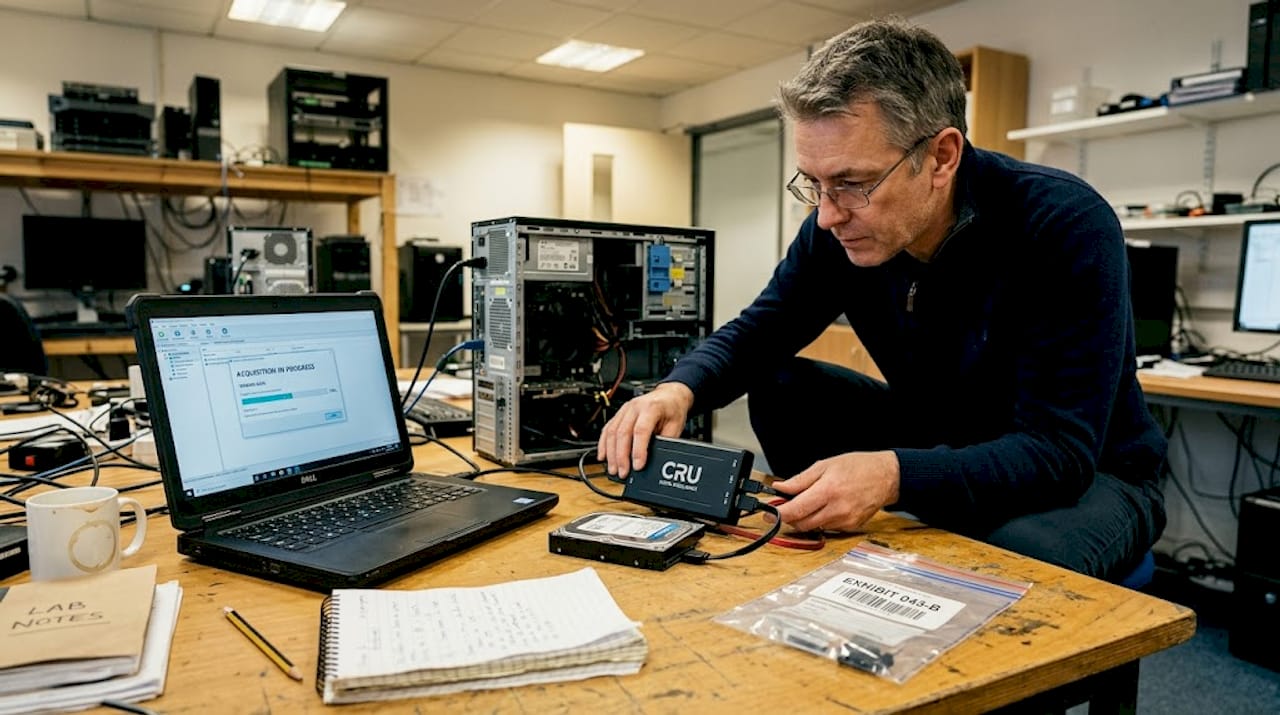
4 Battle Tested Protocols That Preserve Truth Under Chaos
Forensic Metadata Triangulation and Ephemeral Timestamp Extraction
At its core, breaking news verification mechanics relies not on gut instinct, but on forensic skepticism applied systematically to raw digital files. Every photo and video originates with embedded structural data, known as EXIF and IPTC metadata. While commercial platforms automatically scrub these tags to compress bandwidth, seasoned fact-checkers know that structural breadcrumbs linger in file headers, cache remnants, and upload architecture.
When metadata is missing, investigators deploy chronolocation and environmental triangulation. Analysts compute solar azimuth angles using astronomical calculators, cross-referencing shadow lengths against geographic coordinates to pinpoint when a recording occurred. They cross-check weather archives, transit schedules, and satellite maps against visual indicators like foliage patterns and utility infrastructure. If a viral video purports to show an afternoon flood, but meteorological radar confirms cloudless skies and dry asphalt during that exact window, the narrative collapses immediately. This physical-digital reconciliation establishes an unyielding factual baseline that rhetoric cannot alter.
Direct Source Lateral Auditing and Eyewitness Pressure Testing
Digital artifacts reveal only part of the puzzle; human testimony provides context, yet human memory under trauma is notoriously malleable. When an alleged eyewitness posts startling claims from a disaster zone, desk editors initiate lateral auditing instead of accepting the testimony at face value. This protocol involves auditing the account holder’s digital history, tracing their geographic footprint backwards over months, and confirming their legitimate physical presence in the vicinity.
Interrogating a primary source requires linguistic neutrality, reinforcing the core discipline of breaking news verification mechanics during chaotic live developments. Reporters avoid leading questions that plant false details in an agitated witness. Instead, they ask open-ended prompts: describe what happened before the loud noise, or explain the line of sight from that specific sidewalk. Simultaneously, researchers cross-reference the witness’s stated position against municipal maps and street-level views. If the account describes seeing an incident around a solid concrete structure where sightlines are physically impossible, red flags emerge immediately.
Algorithmic Media Provenance and Reverse Pixel Forensics
Visual deception travels faster than human perception. Viral imagery often carries subtle traces of prior publication, alteration, or synthetic generation. Verification desks run automated reverse-pixel searches across multiple search indexes, cross-referencing visual assets against historical archives dating back decades. This protocol regularly exposes recycled hoaxes, proving that dramatic footage presented as a fresh tragedy was filmed years earlier in another hemisphere.
When analyzing video, specialists slice files into keyframes, running each through noise analysis to expose cloning artifacts and compression seams that reveal post-production tampering. Much like how athletic strategists dissect ice hockey forechecking mechanics and 4 proven tactics that crush opponent breakouts to trap an opponent deep in their own territory before mistakes compound, newsroom desk chiefs execute preemptive containment sweeps across every viral asset before it infects production monitors. They isolate suspicious media in sandboxes, auditing deepfake indicators such as unnatural blinking cadences, distorted earlobes, and acoustic mismatches where room reverberation contradicts the filmed environment.
Multi Tiered Gatekeeping and Red Team Editorial Skepticism
Sophisticated forensic tools fail without an unyielding editorial hierarchy. High-velocity news environments require a strict division of labor between field reporters gathering dispatches and gatekeepers challenging every assumption. This workflow enforces red-team skepticism, designating a senior editor whose exclusive role is to dismantle incoming stories by identifying vulnerabilities, inferential leaps, and single-source dependencies.
Under this structure, no critical development reaches the public without meeting an explicit corroboration standard, which forms an essential pillar of breaking news verification mechanics in high-tempo wire environments. That standard demands two independent, authenticated primary sources possessing direct firsthand knowledge and sharing no common communication channels. If an anonymous source alleges an official resignation, the alert stays locked until official records or primary documentation corroborate the change. News organizations maintain rigid hold-back criteria: if an exclusive scoop cannot be verified before a deadline, the story is paused, no matter how loudly rivals broadcast the unverified claim.
Psychological Discipline and the Resistance to Publish First
The greatest vulnerability in breaking coverage is human psychology rather than software limitations. The human mind craves resolution during ambiguity, where breaking news verification mechanics clashes directly with human curiosity and fear of missing out. Journalists experience severe anxiety when rival networks blast sensational headlines, fearing caution will be mistaken for sluggishness. This dynamic creates acute pressure to lower evidentiary thresholds and amplify the crowd.
Countering this panic requires profound institutional resolve. Veteran editors remind newsrooms that a ten-minute delay to confirm facts is forgotten by tomorrow, but a false report permanently damages institutional credibility. Retractions travel at a fraction of the speed of an exciting falsehood; once a lie enters the public consciousness, it embeds itself permanently. True journalistic authority is not measured by who publishes first, but by who possesses the discipline to stand firm while competitors rush into embarrassment.
Sustainable Systems for the Modern Verification Desk
Maintaining verification rigor cannot rely on sporadic personal heroics; it requires permanent infrastructure. Leading newsrooms maintain standardized open-source intelligence toolkits, pre-configured software environments, and mandatory verification checklists that reporters must complete before clearing urgent bulletins. These suites include satellite mapping access, radio intercept decoders, dialect translation resources, and direct hotlines to forensic imagery specialists.
Embedding breaking news verification mechanics into daily operational muscle memory requires continuous simulation and institutional adherence to established professional guidelines. Newsrooms conduct periodic stress tests, challenging staff with staged news breaks containing manipulated audio, deepfaked footage, and fabricated social profiles. Furthermore, organizations align newsroom practices with the Society of Professional Journalists Code of Ethics, which mandates verifying information before release and never distorting facts. When ethical principles and forensic mechanics align, reporting under extreme duress becomes a calm, structured science.
The Enduring Value of Absolute Editorial Rigor
In a media ecosystem overflowing with automated synthetic feeds, partisan spin, and instant hot takes, verified reporting is indispensable. Society does not suffer from information scarcity; it suffers from a deficit of verified reality. When news organizations compromise accuracy to chase fleeting traffic spikes, they destroy the shared foundation of truth that allows communities to make reasoned decisions during crises.
Verification is an act of civic stewardship. It demands patience when audiences demand instant declarations, and intellectual humility when facts remain incomplete. Sensational falsehoods may burn brightly across social feeds, but the quiet, unflinching execution of breaking news verification mechanics remains the last viable bulwark between public clarity and total cognitive collapse. By respecting evidence, maintaining forensic safeguards, and valuing truth over speed, principled journalists safeguard the integrity of human knowledge.