How Many Tickets Are Available for the Bayeux Tapestry and 4 Critical Truths
As the British Museum prepares to host the Bayeux Tapestry for the first time in nearly a millennium, record-breaking ticket drops have sparked unprecedented digital queues and intense operational debate. Here is everything you need to know about allocation sizes, regional priority windows, and securing an entry slot.
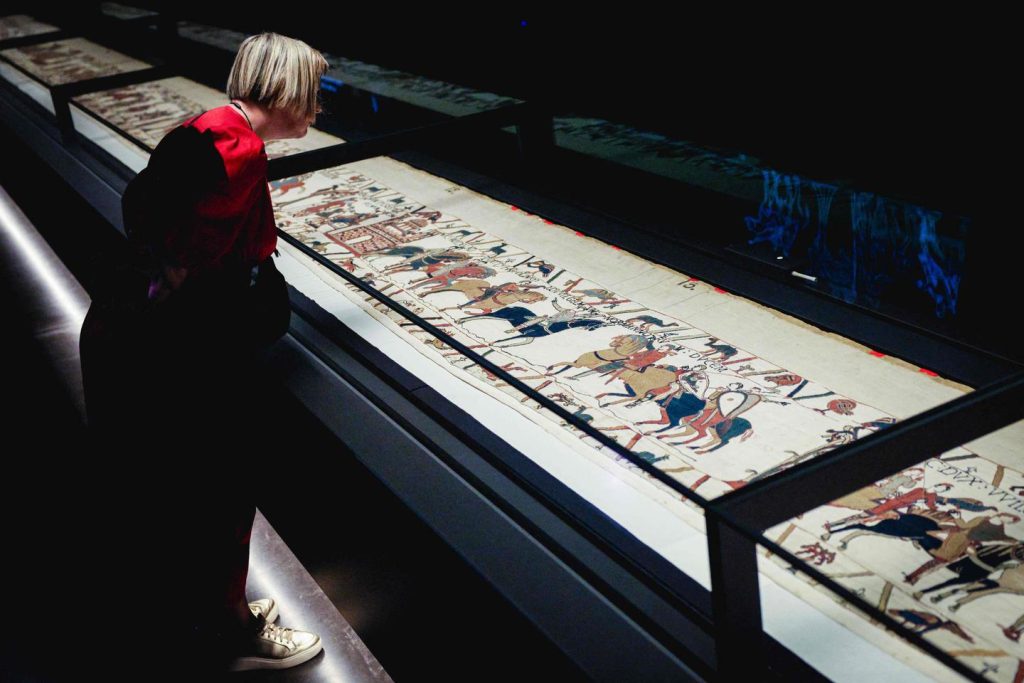
Culture seekers wondering how many tickets are available for the bayeux tapestry face an unprecedented scramble as the British Museum opens historic booking portals to unprecedented public frenzy. The extraordinary loan marks the first time the world-famous embroidery will be showcased on British soil in nearly 1,000 years. As reported by The Independent, release waves have sent art enthusiasts rushing to secure admittance for an exhibition that bridges a millennium of Anglo-French history. The institutional scale of this event is unlike anything London galleries have attempted in modern memory.
Behind the digital queuing screens lies an intricate ticketing operation designed to balance overwhelming international demand with the physical preservation requirements of an eleventh-century masterpiece. With visitors clamoring for admission slots spanning multi-year booking windows, cultural observers and prospective attendees alike are dissecting how the museum plans to accommodate millions of curious viewers without compromising conservation standards.
The Millennium Milestone Igniting Historic Museum Crowds
The core catalyst behind the frenzy is historical gravity. Measuring roughly 70 meters in length and depicting the dramatic events culminating in the 1066 Battle of Hastings, the textile artifact rarely leaves its permanent home in Normandy. Its voyage across the English Channel represents an extraordinary diplomatic and logistical feat. Because the fragile linen embroidery requires rigorous climate control, bespoke atmospheric lighting, and continuous environmental monitoring, the museum cannot simply open broad admission turnstiles to unregulated foot traffic.
Industry data confirms the singular magnitude of the moment. According to the Museums Association, London’s British Museum achieved its biggest-ever day of ticket sales in institutional history for the forthcoming showcase. This unprecedented milestone surpassed previous blockbuster debuts, establishing the exhibition as the most sought-after cultural event in the UK calendar. The rush reflects both deep scholastic reverence and massive popular fascination with an artifact that functions as a founding visual document of British and European history.
Allocation Numbers and British Museum Booking Release Realities
Prospective patrons constantly refresh digital queues wanting to know how many tickets are available for the bayeux tapestry across each daily admission slot. While the British Museum has deliberately avoided publishing an absolute numerical ceiling for the entire exhibition run, daily capacity is tightly dictated by hourly footfall limits. Conservators require steady, non-turbulent airflow around the display vitrines, which caps instantaneous hall capacity at carefully calculated thresholds.
To prevent instant exhaustion of the entire calendar, curators and event organizers adopted a phased strategy. As reported by My London, fresh allocations of tickets have been systematically dropped on public portals, including vast booking slots opened specifically for 2027 visits. By distributing inventory across several calendar years rather than releasing a single catastrophic wave, organizers hope to offer steady accessibility while managing baseline venue capacities across extended morning and evening sessions.

4 Critical Factors Driving the Unprecedented Booking Frenzy
Navigating the reservation system requires an understanding of the operational mechanisms guiding distribution. Understanding how many tickets are available for the bayeux tapestry requires looking at the segmented booking structure that the museum deployed to handle divergent public demands.
Priority Access for Hastings and Rother Battleground Communities
In a localized policy shift, access was tiered to honor direct geographical heritage. As reported by the BBC, early ticket access was awarded to residents living near the historic battle site in Hastings and Rother. Local council taxpayers and residents within these southern coastal jurisdictions were granted an exclusive booking window before general sale opened to national and international travelers. This priority recognition acknowledges the community whose local landscape forms the violent, climactic narrative anchor stitched into the linen itself.
Extended Multi-Year Horizons Reaching Deep Into 2027
The timeline of availability extends far beyond traditional short-term museum exhibitions. Reporting from My London highlights that ticket drops have extended into 2027 visits, signaling that the British Museum intends to stage an extended residency rather than a brief, fleeting viewing window. This prolonged framework helps spread out international tourism arrivals, yet it has also spurred travelers to purchase tickets years in advance, intensifying instantaneous sell-outs whenever fresh calendar windows go live.
Instant Digital Exhaustion Across General Release Windows
Whenever general booking windows open, digital infrastructure faces immediate stress. Coverage from The Independent highlights how new batches of general admission tickets trigger virtual waiting rooms within seconds of going live. Prospective visitors routinely find tens of thousands of users ahead of them in queue lines, leading to rapid sell-outs of weekend, morning, and holiday slots within hours. Calculating how many tickets are available for the bayeux tapestry during each seasonal calendar block depends directly on how many non-member time intervals the museum releases after accounting for patron memberships and educational groups.
Ancient Narrative Craft Confronting Modern Spectator Expectations
The tapestry is widely considered an ancient precursor to modern sequential storytelling and graphic novels. Its panel-by-panel movement captures war cries, naval crossings, feasts, and battlefield butcheries through meticulous wool yarn on linen. Modern audiences appreciate this dynamic storytelling much like cinephiles analyze Foley sound mechanics and 4 proven ways artists engineer unforgettable cinematic illusions to turn static elements into vivid visceral drama. This unique visual allure ensures that interest spans broad demographics, attracting historians, design students, textile artisans, and military buffs simultaneously.
Mounting Pressure and Logistical Strains Behind Record Attendance
The astonishing pace of reservations has not unfolded without friction. Cultural analysts at The Telegraph raised pointed warnings regarding operational strain, asking whether the institution is courting disaster by pushing venue density to its absolute limit. Critics point to lengthening queues, sudden booking cancellations, and growing accessibility complaints, questioning if the museum risks transforming a monumental cultural triumph into a frustrating administrative headache.
Chief among these concerns is the visitor experience inside the gallery. When too many visitors crowd around a long, continuous textile narrative, individual viewing time drops precipitously. The Telegraph reported that overcrowding risks reducing a profound historical encounter to a hasty shuffle past security barriers. The friction has prompted intense debate among gallery administrators regarding how many tickets are available for the bayeux tapestry relative to the physical space of the gallery, driving ongoing reviews into hourly visitor density and accessibility accommodations for disabled guests.
Strategic Steps for Securing Future Exhibition Entries
For those determined to witness the artifact before it returns across the Channel, strategic preparation is paramount. Given that inventory is rolled out in tranches rather than an unrestricted flood, potential guests must treat future booking dates with the precision of concert ticket drops. Monitoring verified announcements from official British Museum communication channels remains essential, as unannounced platform refreshes frequently reallocate canceled or timed-out orders back into public circulation.
Prospective attendees should also consider scheduling visits during mid-week afternoon slots or off-peak seasonal periods where allocation pressure eases slightly. Remaining flexible with dates extending into late 2026 and 2027 dramatically improves booking success. Ultimately, the central question of how many tickets are available for the bayeux tapestry when the next release window opens will depend on ongoing capacity adjustments. As museum directors balance unprecedented global demand against the conservation needs of a fragile 1,000-year-old treasure, securing a vantage point requires diligence, speed, and patience.