Working capital cycle mechanics and 4 proven rules to stop devastating cash burn
A business can report soaring accounting profits while simultaneously careening into insolvency. Discover how working capital cycle mechanics govern operational cash velocity and how four proven disciplines protect corporate balance sheets from devastating liquidity traps.
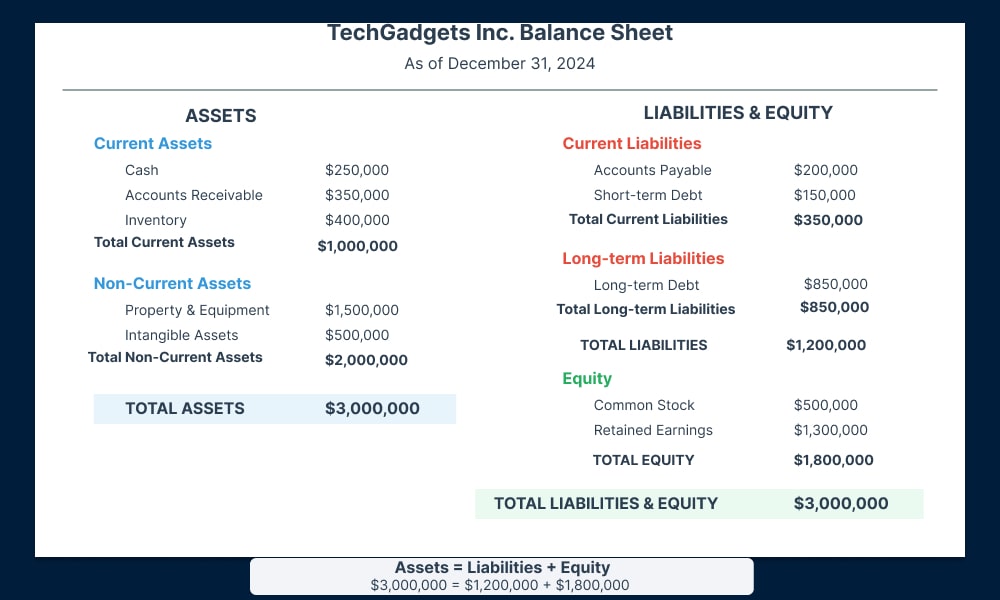
Mastering working capital cycle mechanics separates enterprises that generate real economic profits from those that drown in apparent paper growth. Every business day, healthy-looking balance sheets crumble not because their products lack consumer demand, but because their operational plumbing quietly traps their lifeblood. A company can show record revenues on its income statement and simultaneously face catastrophic insolvency when bills come due.
Cash is not merely a static asset sitting in a commercial vault. Cash operates as velocity. When capital slows down as it maneuvers through procurement, manufacturing, warehousing, and invoice collection, an invisible tax drains the enterprise. Understanding the forces that accelerate or paralyze this movement is the foundational discipline of corporate financial survival.
The Anatomy of Operational Velocity and Frozen Cash
At a fundamental accounting level, working capital cycle mechanics quantify the exact temporal gap between paying suppliers for raw inventory and receiving cold cash from end customers. This timeline, formally known as the cash conversion cycle, represents the operational vacuum during which an enterprise must self-fund its existence or rely on external credit lines.
The cycle operates through three distinct mechanical components that pull against one another in continuous tension:
- Days Inventory Outstanding: The average duration raw materials, work-in-progress components, and finished goods sit idle in holding facilities before a buyer signs an order.
- Days Sales Outstanding: The measurement of how long an invoice lingers in accounts receivable before the customer settles the balance.
- Days Payable Outstanding: The temporal window an enterprise extracts from its vendors before issuing payment for delivered goods and services.
When inventory lingers on racking systems or corporate clients delay remittances past standard net-30 terms, capital freezes into solid state. The enterprise must bridge this freeze with expensive revolving credit, equity injections, or emergency operational cuts. Conversely, when an organization compresses this timeline, it creates a self-funding flywheel that finances expansion without incurring external liabilities.
Why Paper Accounting Profits Mask Severe Liquidity Traps
Accrual accounting is built to match expenses with corresponding revenues, smoothing financial reports into an orderly narrative of corporate health. Yet this very convention obscures dangerous short-term cash deficits. When a company books a ten-million-dollar sale on generous ninety-day terms, revenue is recognized instantaneously. Taxes, payroll, and component costs, however, require real-time settlement in hard currency.
When financial analysts scrutinize corporate balance sheets, understanding working capital cycle mechanics reveals whether operational cash flow is expanding or quietly stagnating beneath aggressive top-line figures. Rapid growth exacerbates this hazard exponentially. A business doubling its unit output must procure twice the inventory and carry twice the receivables long before revenue collection catches up. In rapid-growth phases, unmanaged operational lag acts as a vacuum that strips working capital bare.
Much like how Freestyle swimming propulsion mechanics and 4 proven keys to build devastating aquatic power rely on minimizing hydrodynamic drag rather than merely thrashing arms with raw muscular effort, financial efficiency depends on eliminating balance-sheet friction instead of simply chasing brute top-line volume. Forcing sales growth without streamlining operational drag merely accelerates the speed at which an enterprise runs out of oxygen.
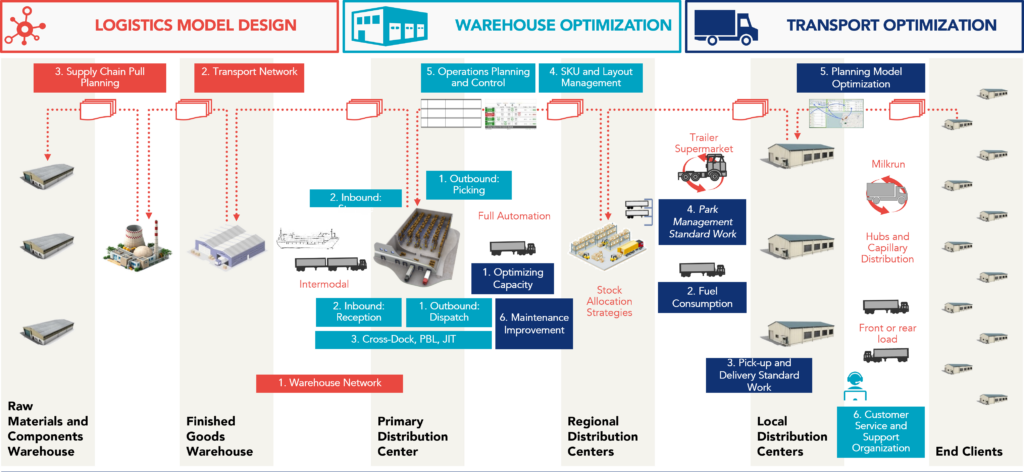
Four Proven Rules to Eliminate Operational Friction and Accelerate Cash Realization
Applying sound working capital cycle mechanics requires pulling four distinct operational levers rather than relying on blunt accounting interventions. These disciplines synchronize commercial activity with strict cash realization.
Synchronize Inventory Velocity with Real Consumption Rates
Stockpiling inventory under the guise of securing volume discounts is one of the most common balance-sheet blunders. Bulk pricing advantages rarely offset the carrying costs, insurance, shrinkage, and capital impairment inherent to sitting goods. Organizations must link procurement orders directly to verified consumption patterns through pull-based fulfillment architecture.
Safety stock should serve as an analytical hedge against proven supply chain standard deviations, not an emotional security blanket for risk-averse purchasing managers. Every pallet stored on warehouse racking represents trapped liquidity yielding zero percent return while incurring carrying friction.
Enforce Dynamic Receivables Governance Without Alienating Core Buyers
Granting credit to customers is essentially acting as an uncollateralized lending institution without collecting interest. Traditional accounts receivable departments behave reactively, chasing late balances only after due dates have elapsed, where loose credit terms undermine working capital cycle mechanics by turning short-term receivables into uncollectible bad debt.
Dynamic receivables management shifts the focus upstream. It establishes rigorous tiered credit limits, ties sales commissions to actual cash collections rather than booked contracts, and deploys early-payment discounts that beat the company’s internal cost of capital. Automated invoicing systems eliminate administrative discrepancies that clients frequently cite to delay payment schedules.
Negotiate Staggered Payables Architecture Without Damaging Supplier Trust
Maximizing days payable outstanding does not mean arbitrarily defaulting on agreed payment schedules or bullying smaller vendors. Unilateral payment freezes degrade supplier relationships, compromise production quality, and eventually prompt vendors to price credit risk into future bids.
Sophisticated treasury teams construct structured supply chain financing programs. By partnering with institutional intermediaries, buyers can offer vendors immediate liquidity at discounted financing rates while preserving extended settlement terms on their own balance sheets. This creates structural working capital flexibility while strengthening critical operational supply lines.
Decouple Growth Trajectory from Working Capital Bloat
Linear operations assume that a thirty percent rise in revenue requires an identical thirty percent increase in working capital investment. Exceptional enterprises design operational loops that decouple these metrics entirely. They accomplish this by securing customer deposits, shifting to consignment-based vendor relationships, or implementing just-in-time cross-docking frameworks.
When cash realization precedes operational delivery, the cash conversion cycle turns negative. A negative cycle means the customer base and supply chain effectively finance the firm’s expansion, transforming working capital from an operational burden into a zero-cost funding vehicle.
Building an Uncompromising Corporate Cash Moat
Senior treasury teams who calibrate working capital cycle mechanics accurately can fund ambitious capital expenditures without diluting equity or taking on expensive mezzanine debt. In tightening credit regimes, access to low-cost commercial paper vanishes rapidly, exposing debt-dependent corporations to acute liquidity stress.
Recent Bank for International Settlements research on corporate balance sheet resilience demonstrates that firms maintaining low operational cash drag consistently outperform over-leveraged peers during economic contractions. Rather than scrambling to restructure high-interest working capital facilities, lean operators deploy liberated liquidity to acquire distressed competitors, lock in raw materials at cyclical troughs, and capture vulnerable market share.
Building this operational resilience requires continuous cross-functional coordination. The sales pipeline, procurement negotiations, plant management, and treasury strategy cannot operate in siloed vacuums. Every commercial decision directly influences the rate at which balance-sheet capital solidifies or flows.
The Compounding Advantage of Lean Balance Sheets
Capital trapped within inefficient operating loops earns nothing. It sits silent on shelves, collects dust in customer billing disputes, and burns management bandwidth in recurring liquidity fire drills. Conversely, capital extracted through surgical operational velocity can be reinvested into technological differentiation, high-yield expansion, or direct shareholder yield.
Ultimately, an unyielding focus on working capital cycle mechanics transforms everyday operating liquidity from a persistent vulnerability into a compounding competitive fortress. Companies that master this hydraulic discipline liberate their balance sheets from external market shocks, turning raw operational precision into lasting financial sovereignty.