Investigative source verification mechanics and 4 costly mistakes that destroy editorial trust
Unverified leaks and deceptive sources can obliterate a newsroom’s reputation overnight. Discover the core mechanics of forensic corroboration that separate authentic investigative journalism from catastrophic editorial failure.
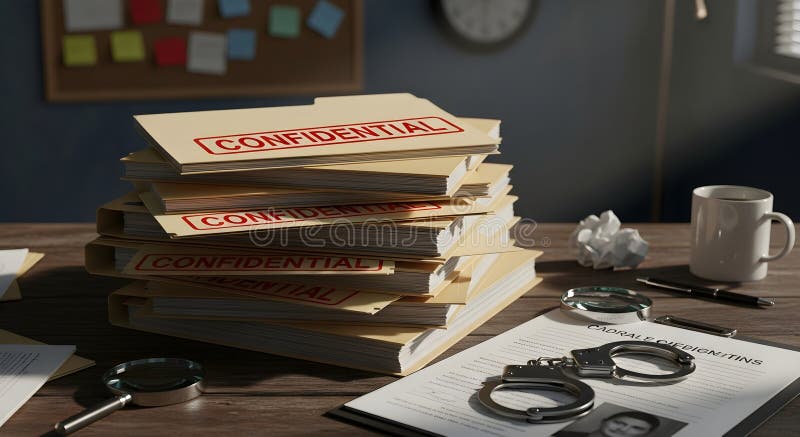
Mastering investigative source verification mechanics separates enduring, credible journalism from careless rumor-mongering when deceptive narratives spread across global communication networks. High-impact reporting never relies on blind trust. Behind every landmark exposé lies an exacting system of forensic triangulation, document authentication, and psychological evaluation designed to pressure-test every claim before it ever sees print. When reporters abandon this operational scaffolding in favor of expediency, the fallout is swift and devastating, dismantling institutional credibility built over decades.
Newsrooms do not operate in a vacuum of good intentions. They exist in an adversarial environment where powerful actors, sophisticated public relations apparatuses, and state-sponsored entities actively seek to plant fabricated documents, manipulate context, and compromise editorial independence. Treating a source’s word as gospel is an invitation to catastrophe. To publish facts that withstand legal challenges and forensic scrutiny, reporters must construct an impenetrable evidentiary chain.
The Anatomy of Corroboration in High Stakes Journalism
Corroboration is not a single administrative checkmark completed at the end of a reporting cycle. It is a continuous, multi-tiered engineering process that starts the instant a confidential tip lands on an editor’s desk. Top-tier newsrooms that institutionalize investigative source verification mechanics operate on the premise that every witness testimony is inherently fragile until validated by objective material proof. A human witness might provide the emotional core or the structural map of an investigation, but paper, code, and financial ledgers must carry the legal weight.
Documentary authentication requires analyzing the physical and digital architecture of evidence. On physical documents, this means scrutinizing paper stocks, letterheads, typography, and official seals against established historical archives. In digital realms, the process shifts toward digital forensic auditing, such as verifying cryptographic signatures, checking transmission routing headers, and evaluating server timestamps. Every document must possess a coherent provenance. If a whistleblower cannot articulate a logical, physically possible timeline of how they acquired the files, the entire cache becomes radioactive until proven otherwise.
Equally critical is the process of mosaic assembly. Rarely does a single smoking gun arrive fully formed on a reporter’s doorstep. True investigative breakthroughs happen when disparate, mundane fragments of public records, corporate filings, customs databases, and off-the-record interviews align to reveal a concealed pattern. If a key claim sits outside that verified mosaic without supporting structural beams, it cannot be published as established fact.
Why Human Memory and Digital Records Frequently Clash
One of the hardest hurdles in investigative reporting is navigating the friction between sincere human recollection and cold digital footprints. Human beings are terrible at recording chronological timestamps. Memory degrades, synthesizes secondhand conversations into personal experience, and subconsciously reshapes past events to fit current narratives. Even a whistleblower acting out of supreme civic virtue may misremember meetings, conflate dates, or assign definitive intention to casual hallway remarks.
Conversely, digital records lack nuance. A calendar invite does not confirm attendance, a forwarded email chain does not prove the recipient read or understood the attached payload, and automated financial transaction logs can obscure the real beneficial owner behind dummy proxy accounts. Therefore, the core discipline of investigative source verification mechanics relies on bridging the chasm between human accounts and forensic artifacts.
Experienced investigators approach human sources with structured behavioral interviews. They ask open-ended, non-leading questions that force the source to describe physical environments, operational sequencing, and specific communication channels. If a source claims they attended a clandestine midnight strategy session in a corporate boardroom, the reporter cross-references building swipe logs, parking garage tickets, cellular tower pings, and flight manifests. When the human narrative and the physical trail diverge, the documentary evidence must always serve as the north star.
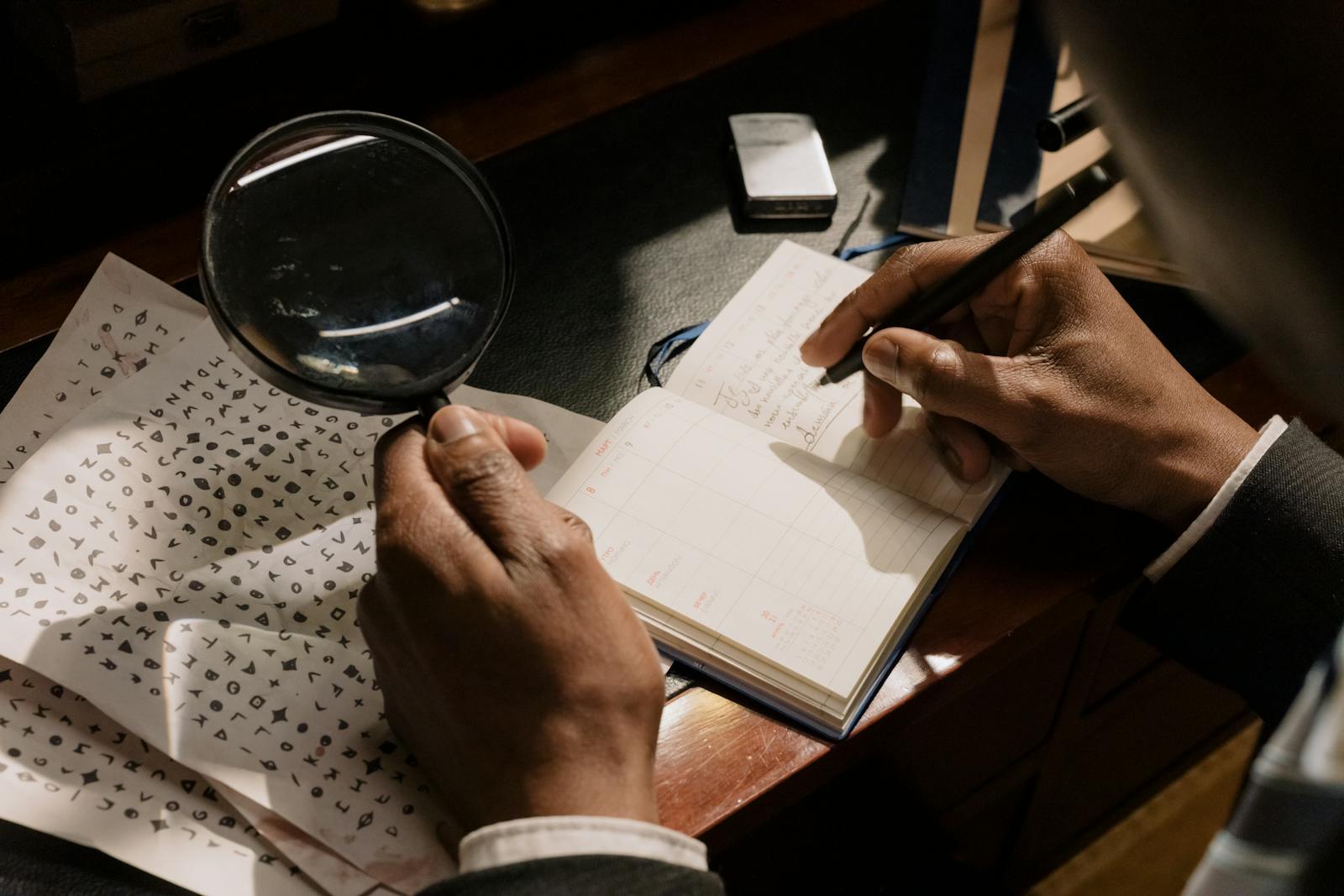
4 Costly Mistakes That Wreck Newsroom Credibility
Catastrophic journalistic retractions do not typically stem from obscure technicalities. They occur when seasoned professionals bypass fundamental safeguards in the rush to publish a world-shaking scoop. These breakdowns in investigative source verification mechanics almost always emerge from premature certainty and organizational urgency.
Relying on Single Source Leaks Without Independent Corroboration
The single-source scoop is the most dangerous mirage in the publishing industry. When an insider hands over a cache of explosive allegations, confirmation bias immediately infects the editorial room. Journalists naturally want the revelation to be authentic because publishing first promises industry accolades, massive circulation spikes, and reputational prestige. This psychological pressure often leads editorial desks to excuse massive informational gaps.
Relying on a solitary informant, no matter how elevated their corporate title or government clearance, violates the bedrock principles outlined in the Society of Professional Journalists Code of Ethics, which mandates that reporters test the accuracy of information from all sources and exercise care to avoid inadvertent error. Just as quantitative risk analysts balance non-linear exposure through bond convexity mechanics and 4 proven rules that prevent disastrous portfolio blindspots, senior editors treat single-sourced intelligence as an asymmetric liability capable of wiping out decades of accumulated brand equity in a matter of seconds.
Confusing Access With Authenticity During Sensitive Debriefs
Proximity to power is frequently mistaken for honesty. When an elite political operative or high-ranking executive grants an exclusive, off-the-record briefing, reporters can easily fall into the trap of deference. Access journalism creates a subtle psychological transaction where challenging the source’s assertions too aggressively risks cutting off future intelligence pipelines.
This dynamic blinds investigators to sophisticated manipulation. Powerful sources rarely lie clumsily. Instead, they weaponize selective truth, disclosing authentic but highly cherry-picked data designed to damage a rival or pre-empt an impending public scandal. When reporters mistake privileged access for verified authenticity, they cease acting as independent watchdogs and inadvertently transform themselves into unpaid public relations conduits.
Neglecting Metadata Forensics on Leaked Digital Documents
In modern investigative journalism, a PDF or text document is not merely an image of words on a screen. It is a complex forensic container holding camera models, editing history, software license numbers, geographical coordinates, and export timestamps. Failing to dissect this underlying metadata before publication represents gross professional negligence.
Sophisticated adversaries routinely modify digital files to plant false attribution or forge entire document chains. If an investigative desk fails to strip or analyze metadata, two catastrophic outcomes can occur. The newsroom may either publish a forged document whose digital artifacts expose its falsity within minutes of public release, or they may inadvertently broadcast the hidden identity of a vulnerable leaker who relied on the publication for protection. Without comprehensive digital sanitization and forensic verification, handling raw digital leaks is the equivalent of handling unexploded ordnance with bare hands.
Failing to Interrogate Potential Disinformation Motivations
Every confidential source operates with an underlying motive. Some are driven by moral outrage, some seek institutional reform, but many are compelled by personal vengeance, financial gain, or corporate sabotage. Dismissing a source’s motive simply because their materials align with an editor’s existing worldview is an unforgivable editorial blunder.
Understanding motivation is not about moralizing or dismissing whistleblowers who harbor personal grudges. It is about understanding where the documentation might be deliberately skewed. An informant plotting corporate retribution will gladly conceal counter-evidence that contextualizes an otherwise scandalous internal memo. Deliberately ignoring these tactical motivations dismantles the investigative source verification mechanics that protect a newsroom from operational sabotage.
Establishing an Ironclad Protocol for Independent Fact Validation
To eliminate vulnerabilities, premier investigative units enforce an institutional separation of powers. The reporter who cultivated the source should not be the sole arbiter of whether the provided evidence is authentic. When emotional investment and human rapport develop between a reporter and an informant, objective detachment inevitably erodes.
Modern, resilient investigative source verification mechanics require a formal separation between the reporting desk and the corroboration unit. In high-stakes investigations, red teams inside the newsroom are assigned to play the devil’s advocate. Their sole job is to attack the story from the perspective of defense attorneys, opposing political campaigns, or corporate crisis managers. They comb through every single sentence, demanding primary documentation for every noun, verb, and attribution.
This verification matrix relies on cryptographic authentication wherever possible. When digital caches are acquired, teams create immediate read-only forensic disk images and calculate SHA-256 cryptographic hashes. This guarantees that the original evidence remains pristine and unaltered throughout months of internal review. If an adversarial entity later claims the publication altered the leaked files, the newsroom can mathematically prove that the published material matches the exact bitstream originally received from the source.
The Enduring Defense Against Institutional Deception
The speed of contemporary digital media creates relentless pressure to publish faster with fewer internal guardrails. Yet history consistently demonstrates that being first matters far less than being unquestionably correct. A sensational scoop published three hours early provides a momentary traffic spike, but a catastrophic retraction inflicts permanent structural damage that haunts an organization indefinitely.
Rigorous investigative source verification mechanics ensure that truth remains an empirical baseline rather than a public relations contest. By combining forensic documentary auditing, adversarial cross-examination, and strict institutional skepticism, newsrooms preserve their most irreplaceable asset: the public trust. In an era saturated with sophisticated fabrications, methodical corroboration is not merely a professional courtesy; it is the ultimate survival mechanism for serious journalism.