Miomir Kecmanovic Triggers 3 Crucial Battles in Dramatic Almaty Open Duel
A razor-thin ranking gap and surging retail prediction markets have transformed an ATP 250 opening round into an international headline. Here is why the clash between Miomir Kecmanovic and James Duckworth captivated the tennis world.
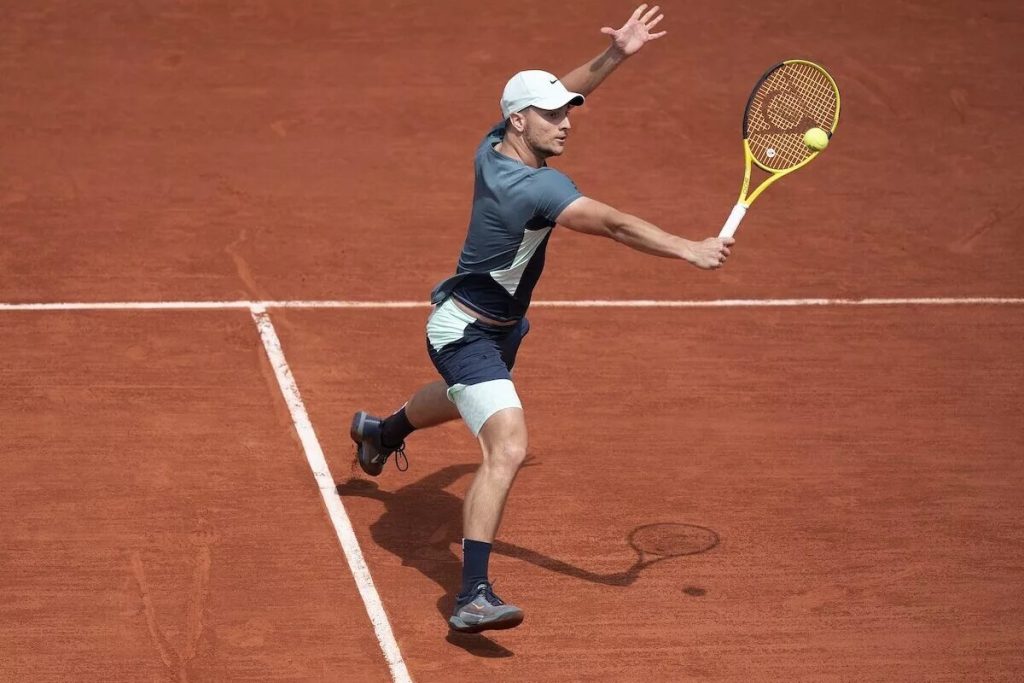
When Serbian professional Miomir Kecmanovic stepped onto the indoor courts at the Almaty Open, tennis analytics platforms and digital tracking systems registered an immediate spike. Tennis enthusiasts tracking international tournament draws across the United States and Europe suddenly propelled the opening-round fixture into real-time trend charts. What appeared on paper as a standard Round of 32 clash on the ATP World Tour quickly mutated into a focal point of intense statistical debate, broadcast spotlighting, and financial market tracking.
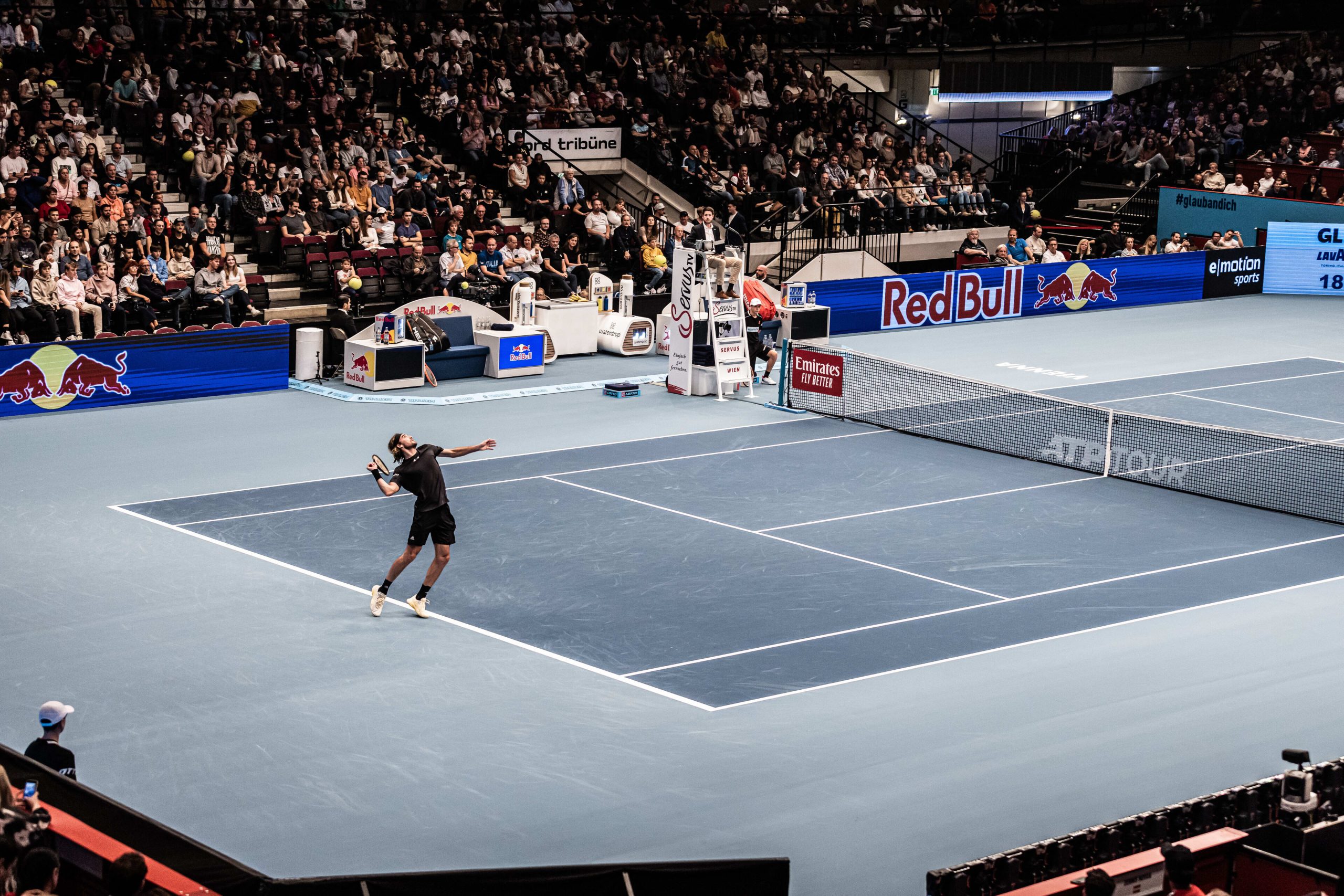
The ATP Almaty Open, staged within Kazakhstan’s cultural hub after shifting from its previous home in Astana, serves as an essential late-season proving ground for the men’s tour. With the calendar drawing toward its November conclusion, players hovering outside the protected seedings must navigate high-pressure indoor conditions. Every match carries massive implications for ranking stability, direct entry thresholds into early-year Grand Slams, and tournament appearance guarantees. The opening duel pitted two hardened competitors against one another, capturing attention far beyond the regional audience in Central Asia.
High Stakes on the Central Asian Hard Courts
The intensity surrounding the match intensified as Miomir Kecmanovic faced off against Australian veteran James Duckworth in an unusually balanced draw. As reported by Bleacher Nation, the statistical gap between the competitors could hardly have been narrower heading into Monday’s action, with Kecmanovic holding the World No. 61 ranking and Duckworth trailing right behind him at World No. 64. A separation of mere rating points created a match scenario where neither competitor enjoyed the comfort of being a clear favorite.
Indoor hard-court tennis strips away environmental variables like wind and shifting sunlight, placing an uncompromising emphasis on clean ball striking, baseline depth, and first-serve execution. Duckworth, renowned for his heavy delivery and relentless offensive pressure, represented a classic stylistic contrast to the steady, calculated counterpunching of the Serbian baseline specialist. Live score tracking and tactical analysis highlighted by Tennis.com demonstrated that this encounter was primed to be an exercise in tactical endurance, with both men searching for rhythm under the bright lights of the Almaty complex.
Late-season indoor tournaments are notoriously unforgiving for athletes nursing cumulative fatigue from a long campaign. A single sluggish service game or a minor lapse in footwork often decides an entire set. With major media houses tracking court position data and baseline patterns, spectators realized this first-round match carried the tactical intensity typically reserved for tournament finals.
The Unprecedented Rise of In Play Prediction Markets
Beyond the pure athletic battle on the court, an emerging digital development helped fuel the sudden explosion in search traffic across the United States. Retail trading platforms and prediction hubs have increasingly begun adopting professional sports events as active micro-markets. Notably, Robinhood introduced a specialized prediction market around Miomir Kecmanovic and his full game differential against Duckworth, allowing market participants to speculate directly on game spreads and total margins across the entire contest.
This shift represents a dramatic transformation in how fans consume tennis. Historically, casual viewers followed tournament brackets or traditional sportsbooks for outright match outcomes. The introduction of interactive game-spread markets invites thousands of non-traditional sports followers to dissect round-by-round statistics, break-point conversion rates, and tiebreak probabilities in real time. Rather than merely asking who will win the match, participants were heavily debating whether the final margin would swing by two games, three games, or push into an extended deciding set.
Mainstream networks responded in kind to the heightened speculative interest. Sky Sports carried live broadcasts of the Almaty Open 1st Round action, framing the matchup as essential viewing for sports followers tracking the concluding phases of the ATP World Tour. As the broadcast cameras tracked every rally and digital feeds delivered instant statistical updates, the collision of high-frequency prediction markets and world-class tennis created a viral feedback loop across social media and search engines.
3 Critical Dynamics Defining the Almaty Open Showdown
To understand why this specific encounter generated such significant global attention, one must dissect the three primary layers shaping the contest, from physical court mechanics to season-ending career implications.
The Razor Thin Ranking Margin Between Two Baseline Warriors
At the highest tier of men’s tennis, the difference between a player ranked No. 61 and another ranked No. 64 is functionally negligible. Both athletes possess the technical repertoire and physical conditioning to beat top-twenty competitors when operating at peak efficiency. However, the technical foundation of Miomir Kecmanovic relies on compact baseline groundstrokes, defensive court coverage, and an ability to redirect incoming pace with minimal unforced errors.
Duckworth, by comparison, relies heavily on taking time away from his opponents through assertive court positioning and aggressive forward movement. When these two opposing philosophies collide on a fast indoor surface, the outcome rarely hinges on spectacular winners. Instead, the battle is decided within the microscopic margins of short-rally efficiency and second-serve aggression. Observers monitoring the match through tennismajors.com and tournament feeds witnessed a tactical tug-of-war where every hold of serve required immense physical output.
The Cutthroat Battle for Late Season World Tour Points
Tour points earned during the autumn swing represent absolute gold for players residing in the 50-to-80 ranking corridor. The primary objective for athletes in this tier is securing guaranteed direct entry into the main draw of the Australian Open, avoiding the grueling grind of three-round qualifying tournaments. Falling out of the top 75 late in the year forces players to spend their off-seasons in high-stress qualification draws or dropping back down to ATP Challenger events to rebuild their point tallies.
In this context, every single ranking point won by Miomir Kecmanovic acts as insurance against ranking decay. A deep run at an ATP 250 event like Almaty can solidify a player’s schedule for the first quarter of the following year, granting entry into Masters 1000 main draws and ensuring crucial financial security. The tension felt on court during the Duckworth matchup directly mirrored these high-stakes career incentives.
The New Reality of Digital Prediction Markets in Pro Tennis
The prominent integration of prediction markets into sports culture has completely altered fan engagement patterns. When platforms like Robinhood gamify specific match dynamics such as total game differentials, it shifts audience focus from broad outcome cheering to forensic statistical analysis. A viewer holding a position on an under-or-over game spread remains on the edge of their seat during a standard 4-1 service game that traditional spectators might find mundane.
This elevated scrutiny drives spontaneous online searches. When unexpected point swings or service breaks occur during early morning hours in the Western Hemisphere, thousands of active market participants simultaneously look up live score trackers, injury status reports, and head-to-head records. The intersection of modern fintech tools and early-round tournament tennis has unlocked an entirely new tier of sports interest.
Soundscapes and Modern Broadcast Precision
Modern sports broadcasting has evolved into an art form where acoustic precision matches the visual clarity of high-definition video. International television feeds from the Almaty Open relied on directional microphones positioned along the baseline and net cord to convey the true violence of professional ball striking. Much like how sound editors harness Foley sound design mechanics and 4 proven methods that build breathtaking cinema realism, modern sports networks amplify the crisp squeak of athletic shoes, the hiss of topspin cuts, and the resounding pop of carbon-fiber frames to plunge living room audiences directly into the arena.
In an indoor arena, sound behaves differently than in open-air stadiums. Echoes bounce rapidly off enclosed walls, amplifying the psychological warfare taking place between baseline rallies. When a player sighs in frustration or shouts encouragement after a grueling 20-shot rally, those ambient cues travel instantly across the audio mix. Viewers tuned in via Sky Sports and international streams experienced an auditory environment that made the tension palpable, transforming an opening-round match in Kazakhstan into an immersive narrative experience.
What This Clash Reveals About Modern ATP Circuit Depth
The massive global fascination triggered by this opening-round encounter underscores a broader reality about modern men’s professional tennis. The depth of talent across the ATP circuit has never been more competitive. A decade ago, casual sports fans primarily focused their attention on the elite top ten players, largely ignoring early-round matches at regional 250-level tournaments. Today, that dynamic has fundamentally inverted.
The intense spotlight on Miomir Kecmanovic during this Almaty encounter proves that fans, analysts, and market participants now recognize the immense value and drama existing outside the Grand Slam spotlight. When two athletes ranked within three spots of each other step onto an indoor hard court with their season trajectories on the line, the drama matches any major spectacle. As digital platforms continue to bridge the gap between global fans and distant courts, every service game, break point, and tactical adjustment will remain under the brightest possible microscope.