Stunt fight choreography mechanics and 4 proven rules that forge breathtaking cinematic combat
Cinematic combat is not an athletic brawl but a razor-sharp optical illusion calibrated to the millimeter. Uncover the biomechanical and optical rules that turn simulated strikes into heart-pounding movie magic.
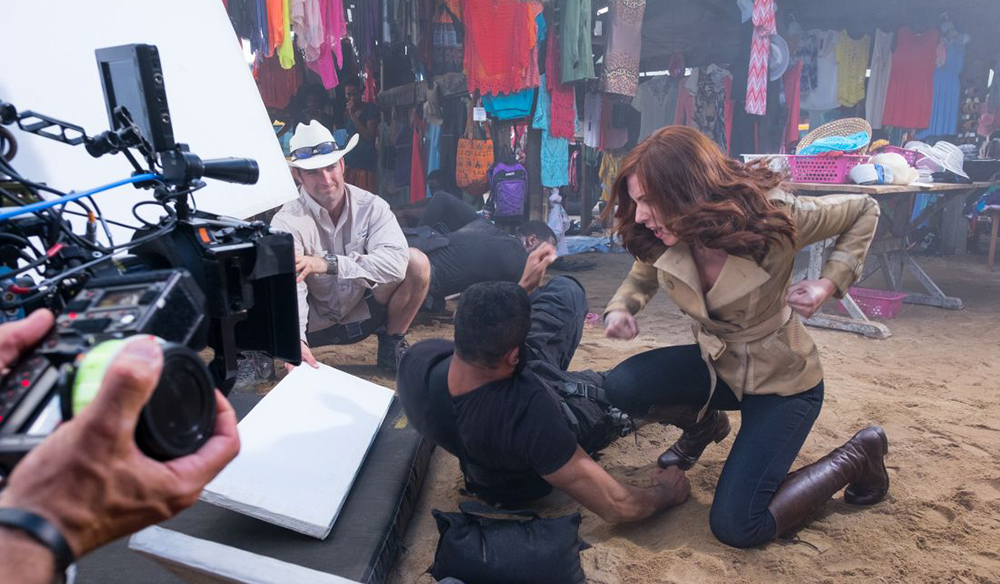
Mastering stunt fight choreography mechanics requires far more than athletic prowess or aggressive physical posturing. At its highest echelon, action filmmaking transforms brutal violence into a calibrated optical ballet where millimeters determine the difference between visceral realism and an embarrassingly hollow miss. The audience craves the sensation of bone-crushing impact, yet the performers must remain entirely safe while executing relentless physical exchanges take after take. This paradox sits at the heart of visual storytelling, bridging the gap between raw human movement and theatrical illusion.
When a punch connects on screen, human perception registers the force through an intricate convergence of spatial geometry, optical compression, and muscular reaction. The camera does not see the world the way human eyes do; it collapses three dimensions into a flat plane of light and shadow. Because of this flattened plane, an actor throwing a right hook can miss their partner’s jaw by a full eight inches, yet from a specific camera coordinate, that fist appears to crush bone. Understanding this optical translation is the foundation of every memorable duel in cinematic history.
The Physical Illusion Behind Every Convincing Cinematic Strike
Real combat is messy, brief, and visually illegible. Street brawls and competitive mixed martial arts bouts involve cautious circling, rapid clinches, and chaotic scuffles that translate poorly to cinematic narrative. Cinema demands emotional clarity, distinct silhouettes, and a continuous sense of cause and effect. To achieve this clarity, choreographers invert real-world survival strategies. Where a real fighter minimizes telegraphing to conceal an incoming blow, a cinematic performer deliberately exaggerates preparation to telegraph the motion directly to the audience.
This deliberate magnification gives viewers the necessary milliseconds to register an attack before it arrives. A cinematic jab does not travel along the shortest direct line. It gathers momentum with a subtle wind-up, travels through a clean visual arc that exposes the performer’s chest and profile, and terminates at a predetermined spatial mark. The target reacts not to the impact of the fist, but to the visual cue of the punch crossing an imaginary plane of sight. Without that clean visual pathway, action degenerates into a blurry tangle of limbs that leaves viewers emotionally detached.
Why Raw Speed Ruptures the Cinematic Spell
Novice filmmakers frequently assume that faster action equals higher adrenaline. In practice, the opposite is true. When examining authentic stunt fight choreography mechanics, speed is routinely dialed back to thirty or forty percent of real combat velocity during rehearsal, and rarely exceeds seventy percent during actual filming. High-speed flailing produces visual noise that standard shutter speeds turn into incoherent motion blur. At twenty-four frames per second with a standard one-hundred-and-eighty-degree shutter, extremely rapid movements lose their structural edge, transforming powerful fists into translucent smears across the screen.
Deliberate pacing allows performers to control their muscle decelerations with microscopic accuracy. Stopping a full-force punch one inch from a colleague’s nose requires immense muscular tension. If performers operate at maximum biological speed, the margin for error evaporates, resulting either in legitimate trauma or defensive flinching that ruins the take. Kinetic discipline demands acute spatial perception, much like high-speed sports where split-second momentum swings mirror the high-stakes tension when NASCAR Standings Rattled by 4 Major Playoff Shocks at Phoenix proved how razor-thin margins between calculated control and total chaos define high-velocity spectacles. Precision always beats raw velocity on celluloid.
Four Essential Principles of Unbroken Martial Illusion
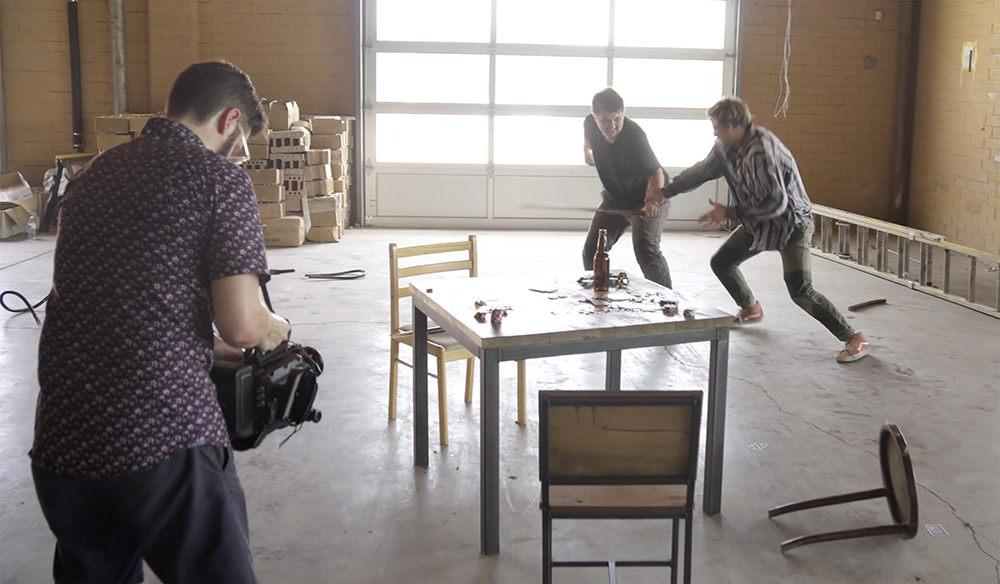
Applying deliberate stunt fight choreography mechanics transforms dangerous flailing into an intricate kinetic dialogue. Every breathtaking screen confrontation relies on four immutable physical principles that balance performer safety against uncompromising narrative ferocity.
Sightlines and Lens Compression Establish Believable Distance
The relationship between the camera lens and the line of the strike governs whether an audience believes an impact occurred. Wide-angle lenses expand perceived space, making a four-inch gap between fist and jaw look like a canyon. Conversely, long telephoto lenses compress the spatial depth between the foreground and background, squashing the distance along the optical axis. Stunt coordinators align the path of the blow directly along the camera’s sightline or slightly past the actor’s cheek, allowing the lens compression to erase the empty space between the fist and the face. When the punch crosses the line of the recipient’s facial profile, the camera flattens the distance entirely, rendering the near-miss indistinguishable from physical contact.
The Sell Through Kinetic Rebound Defines Perceived Weight
An impact never derives its apparent power from the person delivering the strike; it is defined entirely by the performer absorbing it. Within functional stunt fight choreography mechanics, kinetic energy does not vanish upon contact. The recipient must convince the viewer’s mirror neurons that thousands of foot-pounds of energy have traveled through muscle and bone. This reaction is known across the industry as the sell. If a hero lands a haymaker and the stunt double merely turns their head, the punch looks weak regardless of how fiercely the hero swung. When the stunt double snaps their neck, whips their spine backward, and drives their feet off the canvas in direct alignment with the incoming vector, the strike instantly feels catastrophic.
Rhythmic Modulation Prevents Viewer Sensory Fatigue
Fights that maintain a monotonous pace rapidly lose emotional grip. Great cinematic brawls operate like musical compositions, shifting through measures of staccato aggression, sudden crescendos, and brief pregnant pauses. This rhythmic phrasing relies on the classic cadence of attack, reaction, and recovery. Choreographers sequence movements in odd meters, combining three rapid blows with an unexpected sweep, followed by two heavy recovery beats where characters regroup and reassess the spatial battlefield. This structural syncopation keeps the viewer’s nervous system continuously engaged, preventing the numbing sensory exhaustion that accompanies nonstop, unvaried sensory assault.
Environmental Geometry Anchors Spatial Reality
A fight that takes place in a featureless void feels artificial, no matter how crisp the martial technique. Cinematic violence requires tactile resistance from the surrounding architecture. When bodies collide with structural obstacles such as brick pillars, wooden counters, metal railings, or shattered glass, the scene gains visceral consequence. Incorporating real-world geometry demands that choreographers design around sightline obstructions, elevation shifts, and tactile rebounds. The sudden friction of a performer sliding across a wet concrete floor or bouncing off an industrial steel door grounds the stylized choreography in tangible physical laws that the audience instinctively understands.
The Silent Safety Engineering Underpinning Violent Spectacle
Behind every visceral brawl, sophisticated stunt fight choreography mechanics intersect directly with rigorous physical risk management. What appears to be an unhinged collision of bodies is actually an exhaustively engineered environment built according to established industry practices, such as the Society of American Fight Directors educational protocols that govern ethical stunt execution. Sets are heavily modified to cushion violent falls: concrete floors are frequently replaced with painted high-density foam tiles, breakaway tables are sculpted from brittle resin or soft balsa wood, and thin silicone pads are concealed beneath tailored wardrobe to shield vulnerable joints.
Furthermore, communication between performers during a take relies on silent physical anchors. Stunt professionals maintain contact cues, utilizing wrist grips, collar grasps, or subtle breath signals to confirm balance and readiness before executing high-impact throws. If a performer loses their footing or misses a mark by even a couple of inches, trained partners immediately alter their trajectory to catch, cushion, or redirect the fall away from unpadded surfaces. Real combat seeks to inflict damage; cinematic fight design is the art of mutual protection disguised as relentless hostility.
The Human Instinct Behind Simulated Violence
The enduring power of stunt fight choreography mechanics rests in their ability to stimulate our deepest primal responses without exacting a real human toll. When executed with masterly precision, a cinematic combat sequence bypasses intellectual analysis and communicates directly with our visceral nervous system. We flinch at the sound of the crack, gasp at the kinetic rebound of a heavy throw, and lean forward as the rhythmic balance of power swings between two determined physical forces.
This art form endures because it speaks an ancient, universal language of kinetic conflict. Long after modern visual effects make photorealistic digital carnage commonplace, the sight of skilled human performers moving through space with millimeter precision remains deeply mesmerizing. The magic lives in that invisible eight-inch gap between fist and jaw, where athletic mastery and optical deception join together to forge pure cinematic wonder.