Pan searing mechanics and 4 proven rules that guarantee incredible crust
Dull, gray proteins are the hallmark of an aborted sear. Unravel the thermodynamics of moisture, thermal mass, and molecular adhesion to guarantee a shatteringly crisp crust every time.
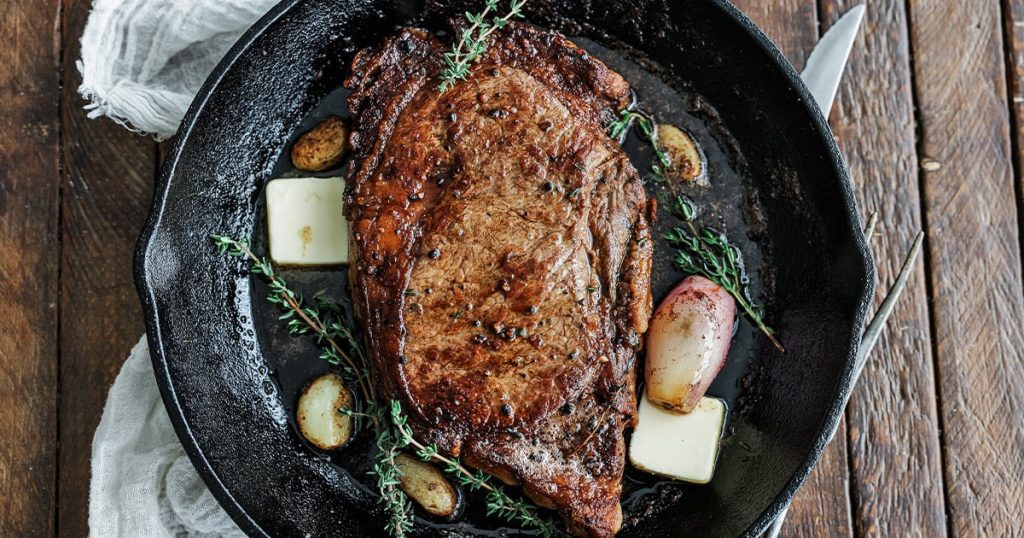
Mastering pan searing mechanics is the single most transformative skill a cook can cultivate to turn limp, pale cutlets into intensely flavorful showpieces. Most people assume that searing is straightforward: get a pan hot, drop a seasoned ribeye or scallop into the sizzling oil, and wait for magic to happen. Yet kitchen after kitchen tells a story of disappointment. The exterior turns an unappealing, mottled gray, the meat releases a puddle of cloudy liquid, and the interior overcooks before anything resembling an artisanal char can materialize.
Searing is not mere frying. It is an aggressive, high-stakes thermodynamic transaction where milligram quantities of surface water dictate whether you achieve crisp perfection or dismal steam. To command this process, you have to look beneath the sizzling oil and understand how heat conducts through metal, how surface moisture sabotages heat transfer, and why proteins physically glue themselves to hot iron before letting go.
The Hidden Thermodynamics Behind High Heat Browning
At the center of every memorable sear sits the Maillard reaction, a complex cascade of chemical rearrangements discovered by French physician Louis-Camille Maillard. When denatured amino acids collide with reducing sugars under high thermal energy, they produce hundreds of brand-new volatile aromatic compounds, including nutty pyrazines and savory thiophenes. This cascade creates the intoxicating aroma of roasted coffee, baked bread, and crusted steak.
When you examine pan searing mechanics through the lens of thermodynamics, you realize that browning is not merely about blast furnace heat. It is a battle against the latent heat of vaporization. Water has an extraordinarily high specific heat and requires an astonishing 2,260 joules of energy to convert just one single gram of liquid at boiling temperature into steam. As documented in this American Chemical Society breakdown of the Maillard reaction, the chemical bonds responsible for browning require temperatures between 285°F and 350°F to flourish. Water, however, refuses to exceed 212°F under atmospheric pressure.
If your protein enters the skillet wet, every calorie of thermal energy stored within the heavy base of your cookware is hijacked to boil off that microscopic layer of moisture. The pan temperature plummets, your cutlet simmers in its own trapped sweat at 212°F, and the Maillard reaction stalls completely. By the time the moisture finally evaporates, the thermal shock has migrated deep into the center of the meat, leaving you with an overcooked core surrounded by dull gray flesh.
Why Most Home Cooks Accidentally Boil Their Proteins
The tragedy of the gray crust almost always stems from compounding errors in the first thirty seconds of cooking. A cook pulls a cold, vacuum-sealed chicken breast or pork chop directly from the refrigerator, washes it or pats it perfunctorily with a damp cloth, and tosses it into a skillet that felt hot to the touch but lacked genuine thermal inertia. The cold meat acts as a massive thermal heatsink, sucking heat out of the pan faster than a residential gas burner or induction coil can replenish it.
Violating basic pan searing mechanics turns an intended high-heat sear into an accidental braise, smothering delicate proteins under a blanket of vapor. As the cellular walls of cold protein encounter rapid heat, they contract vigorously, squeezing out intracellular juices. If the cooking surface does not hold enough retained heat to vaporize those droplets instantaneously upon contact, the puddle pools. Once a pool forms, direct conductive heat transfer ceases, replaced by low-efficiency convective boiling.
Crowding multiple cuts of meat into a single pan compounds this failure exponentially. Each additional piece introduces more surface water and more cold mass while choking off airflow. Moisture that should escape harmlessly into the room hits the sidewalls of the meat, condenses, and falls back onto the skillet floor. You end up with boiled meat bathed in lukewarm cooking oil.
Four Proven Rules That Master Pan Searing Mechanics
To master these pan searing mechanics on any stovetop, you must respect four non-negotiable physical laws that govern heat transfer, surface tension, and protein structure.
Banish Surface Moisture Through Active Dehydration
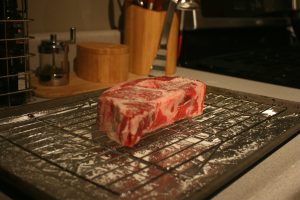
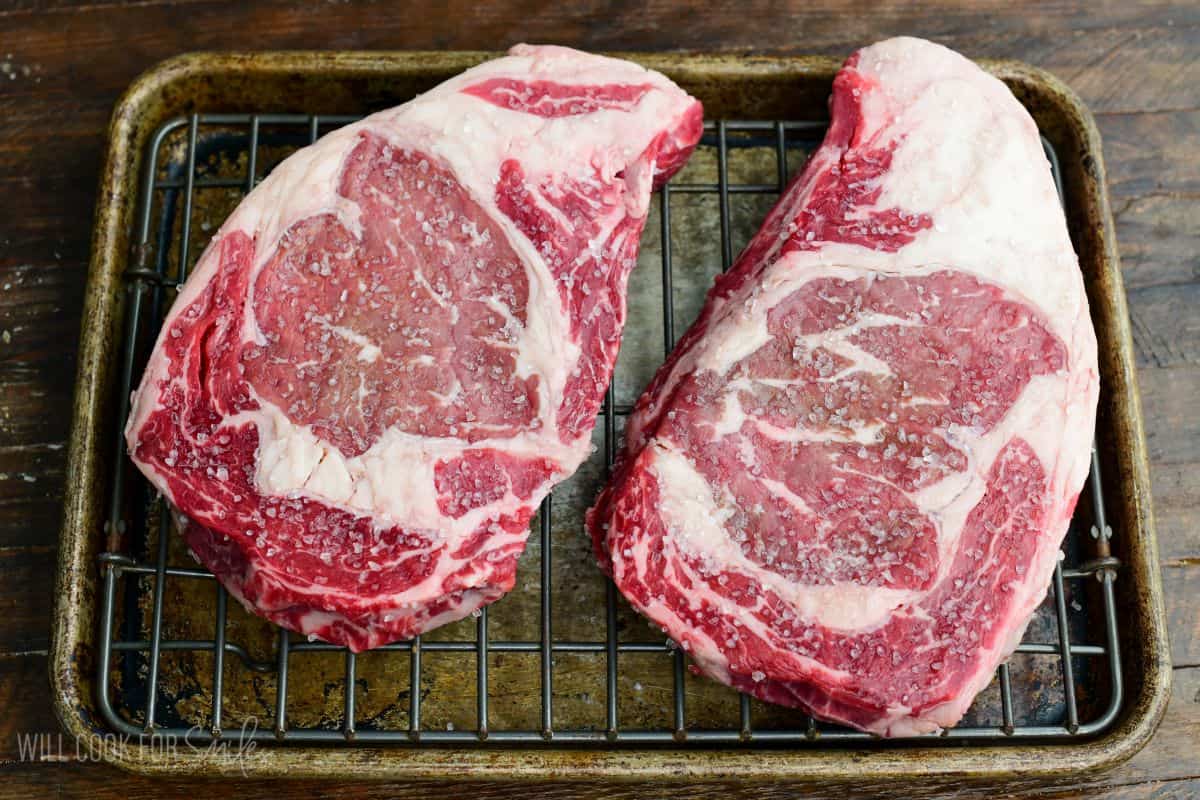
Wiping meat with a paper towel thirty seconds before cooking is a futile gesture. Protein surfaces are porous sponges saturated with water. For a truly transformative crust, dehydration must be proactive and deep. The most effective weapon in your arsenal is the dry brine combined with an open-air refrigerator rest.
When you salt meat hours in advance, the salt initially draws moisture to the surface through osmosis. Given time, that concentrated surface brine dissolves muscle proteins, relaxing the protein fibrils and allowing the seasoned liquid to be reabsorbed deep into the muscle tissue. Leaving the salted protein uncovered on an elevated wire rack inside the dry, circulating air of a modern refrigerator for 12 to 24 hours desiccates the exterior skin. The surface turns glossy, taut, and slightly translucent. Because there is virtually zero surface water left to boil away, the Maillard reaction begins the exact split second the meat hits the pan.
Harness Thermal Mass With Heavy Gauge Cookware
Flimsy aluminum cookware heats up quickly, but it drops temperature the instant cold food touches its surface. Cast iron, carbon steel, and heavy-gauge stainless steel possess immense thermal mass. While cast iron is actually a mediocre conductor of heat, its dense crystal structure stores a vast reservoir of thermal energy that resists the cooling shock of cold protein.
This principle lies at the very heart of pan searing mechanics, separating thin nonstick pans from heirloom cast iron. Preheat your heavy skillet over medium heat for several minutes rather than blasting it on high for sixty seconds. A slow, thorough preheat saturates the entire thickness of the iron or multi-ply steel with thermal energy. When the meat lands, the metal delivers a sustained blast of conductive heat that drives immediate surface dehydration and browning without thermal collapse.
Respect The Thermal Shock Point And Spacing
Never crowd the pan. Every cut of meat requires a generous buffer of open, scorching metal around its perimeter. This clear zone serves two critical thermodynamic functions: it acts as a thermal buffer that funnels heat laterally into the cooking zone, and it provides an unobstructed chimney for vaporized moisture to flash off and escape.
Aim for at least one to two inches of clear space between individual portions. If your skillet cannot accommodate two large steaks without their edges touching, sear them in separate batches or across two different pans. When cooking in batches, give the pan sixty to ninety seconds between rounds to recover its stored thermal energy before introducing fresh meat. Rushing this window guarantees that your second batch will turn out paler and soggier than the first.
Read The Release Cue Before Forcing Movement
One of the most common mistakes amateur cooks make is frantically poking, sliding, and flipping the meat seconds after it hits the skillet. When raw protein meets hot metal, the unfolding muscle proteins form intense chemical bonds with microscopic pores in the pan surface. The meat literally glues itself to the skillet floor.
Tearing the meat away prematurely rips the nascent crust off the cutlet, leaving your caramelized flavor stuck to the metal pan while exposing raw, moist muscle underneath. If you leave the protein undisturbed, the heat drives out moisture, the crust hardens into a rigid, micro-textured barrier, and the bonded proteins undergo thermal degradation. The meat naturally releases itself from the metal floor. When a gentle nudge with a pair of tongs meets zero resistance, the pan is telling you that the sear is complete and the protein is ready to flip.
Diagnosing And Rescuing Skillet Disasters in Real Time
Even seasoned cooks encounter unexpected thermal spikes, cold spots, or proteins that shed excess water due to industrial processing or poor butchery. A thoughtful cook handles these disruptions by diagnosing the pan searing mechanics playing out in real time and taking decisive corrective action.
If you drop a protein into the pan and notice a sudden pool of murky water spreading across the skillet floor, do not wait for it to boil away. Pull the meat out of the pan immediately and set it on a warm plate. Pour the accumulated liquid out of the skillet, wipe the metal clean, return the pan to the flame, and let it reheat until oil hazes. Pat the protein dry once more with fresh paper towels, add a fresh sheen of high smoke-point fat, and reintroduce the meat. You will have preserved the internal temperature while saving the crust.
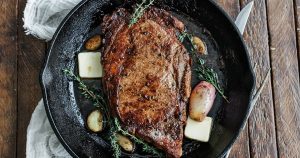
Conversely, if your heat is too aggressive and the crust threatens to scorch before the core warms through, introduce fat basting or deploy a two-zone approach. Tossing cold butter, crushed garlic, and woody herbs into the pan drops the surface temperature of the metal while creating a foamy, emulsion-rich cooking bath. Spooning this bubbling fat continuously over the cool upper surface transfers gentle convective heat, accelerating internal cooking without burning the bottom crust.
Integrating Thermal Intuition Into Everyday Kitchen Craft
Just as unexpected tension and rapid pacing can make a piece of cinema wildly magnetic—an idea explored when Remain Calm Explodes Online with 3 Major Reasons This Terrifying Horror Comedy Went Viral—cooking under direct, blazing heat requires you to maintain total composure while navigating high-stakes reactions. Panic leads to premature flipping, frantic temperature adjustments, and ruined textures.
Once you internalize these pan searing mechanics, you no longer rely on kitchen timers or blind optimism. You listen to the pitch of the sizzle, recognizing the wet, spluttering hiss of boiling moisture versus the sharp, crackling roar of genuine frying. You observe the pan floor, reading the viscosity of the oil and the gentle curl of the meat fibers as they contract and brown. High-heat cooking ceases to be an unpredictable gamble and becomes what it was always meant to be: an exact, repeatable, and deeply rewarding science.