Dividend Reinvestment Mechanics and 4 Proven Rules That Multiply Wealth
Harnessing dividend reinvestment transforms passive portfolio payouts into self-funding compound growth engines. Discover the operational mechanics and execution principles that protect your capital against yield traps and tax friction.
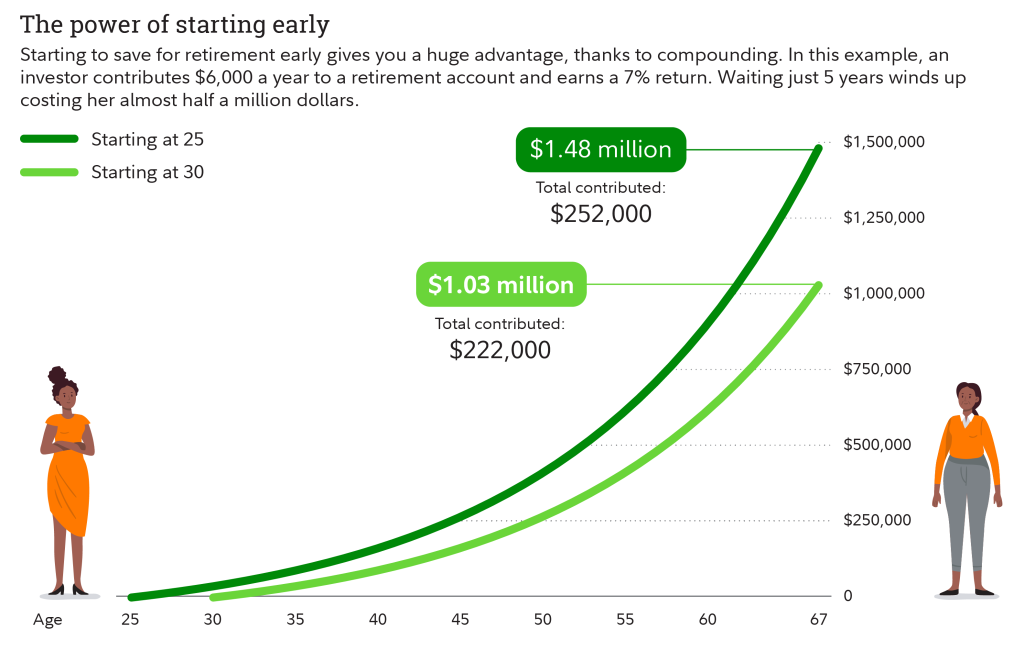
Mastering dividend reinvestment mechanics allows patient investors to transform modest cash allocations into formidable, self-funding wealth engines capable of outperforming erratic market timing strategies. While conventional market wisdom fixates almost entirely on headline price fluctuations, the structural reality of long term equity returns reveals a vastly different engine at work. A substantial portion of total equity performance across rolling multi-decade periods stems directly from dividends collected and channeled back into purchasing additional equity shares.
At its core, equity investing represents fractional ownership of productive business enterprises. When an enterprise distributes excess profits rather than retaining them on the balance sheet, that distribution presents an immediate strategic decision. Taking the cash payout siphons capital out of the compounding process, while automatically acquiring additional fractional shares creates a non-linear feedback loop. Over extended holding periods, this subtle difference dictates whether an equity portfolio merely keeps pace with inflation or compounds into substantial, self-sustaining financial independence.
The Silent Engine of Compounding Capital
To truly grasp how wealth accumulates exponentially, one must separate price return from total return. Price return measures the market price of an asset from purchase to sale, capturing market sentiment, economic expansions, and valuation multiple expansions. Total return combines that price trajectory with all generated cash flow, operating on the premise that cash distributions are immediately deployed back into accumulating more ownership units.
When stripped down to pure mathematics, dividend reinvestment mechanics bypass the psychological hesitation that paralyzes everyday capital allocators during severe bear markets. When corporate boards declare a cash distribution, the capital flows through a precise sequence: the declaration date establishes the intent, the ex-dividend date determines shareholder eligibility, the record date locks the investor ledger, and the payment date executes the transfer. Rather than depositing that liquidity into an idle sweep fund, an automated reinvestment instruction purchases newly issued or open-market shares at the prevailing market price.
The beauty of this mechanical framework lies in unit accumulation during market drawdowns. When share prices tumble, an identical dollar distribution purchases a larger quantity of fractional shares. When market prices recover, those newly acquired units generate their own subsequent distributions, accelerating the rate at which future shares enter the portfolio. The process operates as an automatic, unemotional dollar-cost averaging mechanism that systematically capitalizes on market panics without requiring human intervention.
The Hidden Friction That Derails Passive Cash Flows
A comprehensive grasp of dividend reinvestment mechanics requires confronting the invisible leaks that quietly erode compounding performance over time. The most prevalent hazard is cash drag, a quiet portfolio killer that occurs when cash distributions accumulate in uninvested settlement accounts for weeks or months. When capital sits idle earning negligible cash yields while equity markets trend upward, the portfolio forfeits the geometric growth generated by immediate reinvestment.
Equally destructive is the seduction of dividend yield traps. Inexperienced allocators frequently scan screening tables for eye-catching dividend yields exceeding eight, ten, or twelve percent, mistaking high static payouts for structural safety. An abnormally elevated dividend yield often signals that market participants expect a severe cash distribution cut or an outright corporate bankruptcy. When an enterprise pays out more cash than its underlying operations generate in free cash flow, the dividend functions as a return of capital masquerading as genuine profitability.
Furthermore, unquestioning automatic reinvestment can inadvertently lead to over-concentration in declining industries. When a company’s competitive moat deteriorates, blindly channeling its distributions back into its own declining shares accelerates capital loss. Capital allocation must always remain tied to operational quality, free cash flow conversion, and return on invested capital rather than blind mechanical habit.
Four Proven Execution Principles for Long Term Compounding
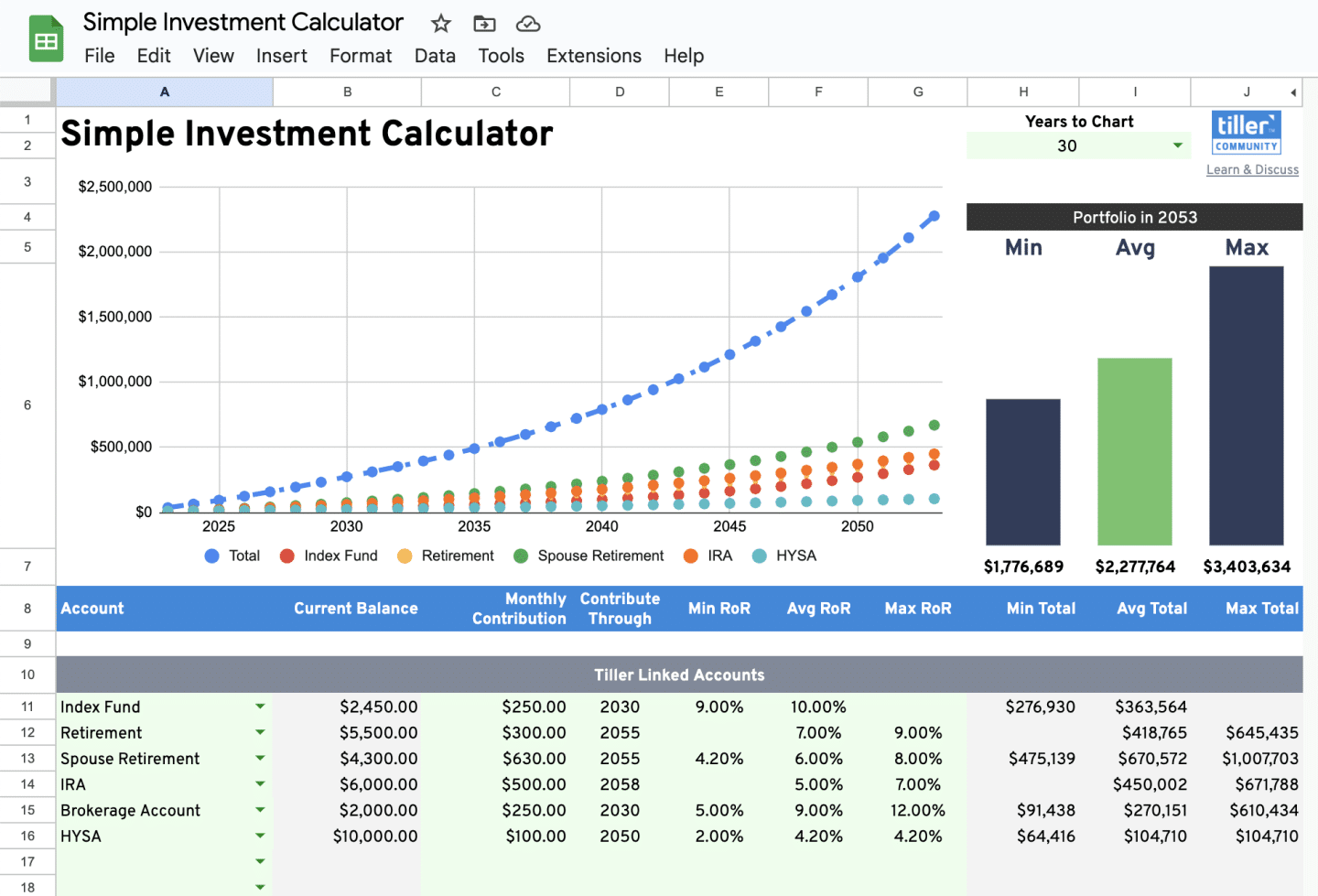
Executing dividend reinvestment mechanics effectively demands a structured framework that preserves capital while extracting maximum compounding velocity from every dollar distributed. Applying disciplined protocols prevents allocators from confusing passive convenience with optimal risk-adjusted execution.
Prioritize High Return on Invested Capital Over Seductive Payout Rates
Sustainable compounding requires capital allocation into businesses that generate high returns on invested capital while operating with conservative payout ratios. A company boasting a modest two-percent dividend yield that grows its payout by ten percent annually will systematically outpace a stagnant six-percent yield over a decade of ownership. A low payout ratio relative to free cash flow ensures that the enterprise retains sufficient internal capital to finance competitive expansion, research, and balance sheet protection.
When businesses retain adequate liquidity while steadily bumping their dividend distributions, shareholders benefit from a dual compounding engine. The underlying share price expands to reflect operational growth, while the reinvested distributions purchase steadily growing claims on that expanding corporate cash flow. Analyzing the cash flow payout ratio rather than simple accounting net income reveals whether a distribution is genuinely sustainable or subsidized by costly debt issuance.
Automate Dividend Reinvestment Programs to Eliminate Emotional Market Timing
Behavioral mistakes routinely ruin the finest financial projections. During sharp market drawdowns, emotional allocators override automated protocols, halting reinvestments because they dread near-term price declines. In competitive arenas, discipline separates sustainable success from sudden collapse; just as tactical composure altered momentum when Alejandro Davidovich Fokina Sparks 4 Crucial Shifts in Shanghai Masters by refusing to chase reckless winners during critical rallies, equity allocators must resist the urge to trade in and out of reinvestment cycles. Trusting automated programs ensures that capital accumulates systematically at market lows, when prospective forward yields are at their mathematical maximum.
Brokerage platforms provide synthetic dividend reinvestment programs that execute these purchases without charging transaction commissions. Because fractional shares can be acquired down to decimal increments, every single cent of distributed capital goes directly to work. Understanding the operational nuances of dividend reinvestment mechanics prevents this fatal hesitation, ensuring that market panics become purchasing opportunities rather than sources of paralysis.
Calibrate Cost Basis Records to Neutralize Hidden Accounting Pitfalls
Every single automated dividend reinvestment constitutes a separate purchase transaction with its own unique purchase date and cost basis. Over a multi-decade holding timeline, a portfolio that receives quarterly distributions accumulates dozens of tiny tax lots. Neglecting to track these micro-transactions with rigorous accounting software invites catastrophic tax headaches when the asset is ultimately liquidated or transferred.
Modern custodian platforms automatically track cost basis calculations under standard accounting methods such as first-in-first-out or average cost. Astute allocators often designate specific identification methods, enabling them to harvest capital losses or minimize capital gains by liquidating the highest-basis lots first during portfolio rebalancing phases. Maintaining accurate tax lot records ensures that investors do not inadvertently pay taxes twice on the same reinvested distributions upon eventual sale.
Rebalance Cash Distributions Manually When Sector Allocations Diverge
While automatic single-stock reinvestment serves investors well during the foundational wealth accumulation phase, larger mature portfolios benefit enormously from dynamic manual pooling. Under this hybrid model, cash distributions from all holdings flow into a centralized cash sweep account. Instead of blindly pouring payouts back into the identical equity holding that issued them, the investor aggregates the distributions to acquire shares of underweighted or historically undervalued holdings.
This dynamic rebalancing technique preserves the passive advantages of dividend compounding while systematically preventing the portfolio from becoming excessively overweight in cyclical sectors that have experienced massive price appreciation. It effectively forces the allocator to buy low and allocate fresh purchasing power toward unloved, high-quality businesses without requiring external cash infusions from earned employment income.
Navigating the Tax Reality and Regulatory Nuances of Reinvested Dividends
One critical nuance in dividend reinvestment mechanics involves the tax treatment of reinvested capital within non-qualified, taxable brokerage accounts. Many novice investors operate under the mistaken belief that because they never transferred dividend cash to their personal checking accounts, no taxable event transpired. From a statutory perspective, taxing authorities treat a reinvested distribution identically to an unrestricted cash payment that was subsequently used to purchase stock.
Qualified dividends benefit from preferential long-term capital gains tax rates, whereas non-qualified ordinary distributions are taxed at ordinary income brackets. In taxable accounts, paying annual taxes on reinvested dividends introduces structural tax drag that dampens compounding speed. According to research published by the CFA Institute Research Foundation study on portfolio compounding, maximizing tax-advantaged accounts such as employer-sponsored plans and individual retirement arrangements completely eliminates this annual friction, allowing the full gross distribution to compound unimpeded for decades.
Furthermore, investors must distinguish between company-sponsored direct stock purchase plans that offer dividend reinvestment programs directly through transfer agents and the synthetic programs arranged through retail brokerages. Transfer agent plans sometimes offer unique incentives, such as purchasing shares at a one to five percent discount to current market price without commission fees, though they may lack the centralized administrative convenience provided by modern all-in-one brokerage accounts.
Constructing an Antifragile Wealth Generation Strategy
Building enduring financial resilience is fundamentally an exercise in structural patience. The true magic of dividend compounding remains virtually imperceptible across the opening three to five years of an investment journey. During these early phases, organic capital contributions dwarf the tiny fractional share increments purchased by quarterly dividend payouts. Many investors lose patience precisely when the groundwork is being established, abandoning their strategy right before the inflection curve begins to arc upward.
By year fifteen or twenty, the mechanical reality shifts dramatically. The sheer volume of accumulated shares produces quarterly dividend streams that exceed the investor’s original annual contributions. At this pivotal juncture, the portfolio achieves escape velocity, expanding under its own momentum regardless of wider macroeconomic turbulence. By mastering the operational intricacies and behavioral discipline required for long term success, harnessing these disciplined dividend reinvestment mechanics transforms raw market volatility into an unfair compounding advantage.