Scratchcard Fortunes Reveal 5 Major Truths Behind Wild Multi-Million Lottery Wins
A sudden string of massive lottery windfalls across the globe has thrust instant scratch tickets back into the financial spotlight. From improbable double strikes in Canada to million-dollar payouts in the Carolinas, here is what these sudden fortunes reveal about risk and reward.
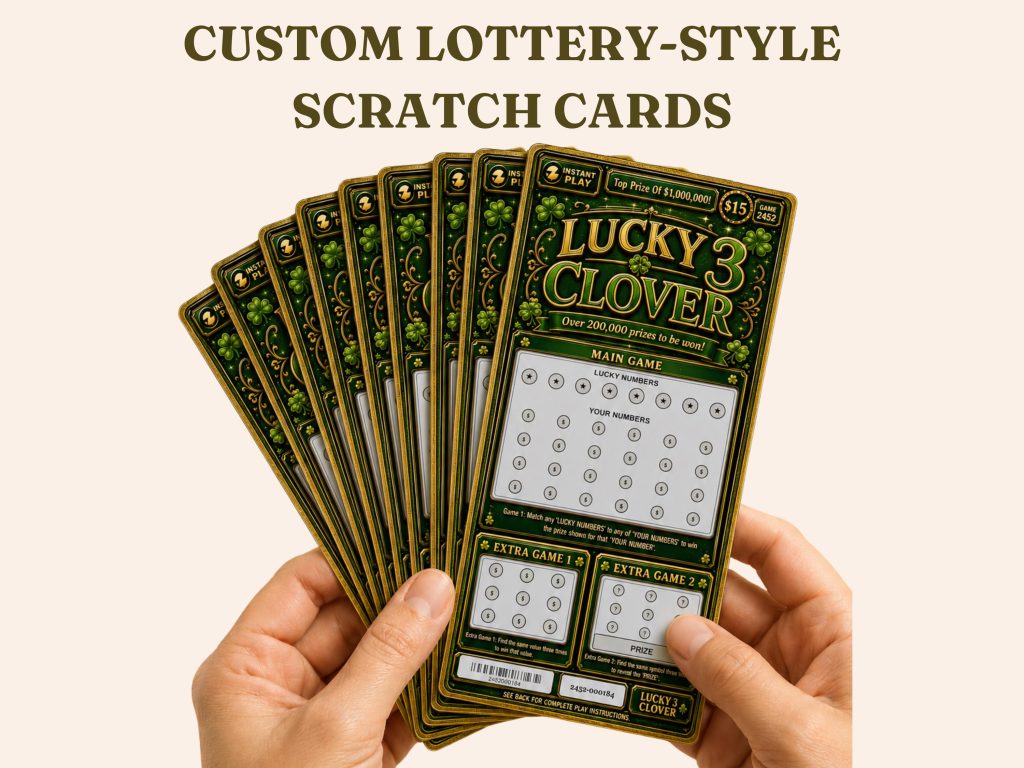
When an ordinary grocery shopper purchases a scratchcard at a neighborhood counter, few anticipate walking away with a life-altering fortune. Yet across global jurisdictions, millions of players routinely participate in this fast-paced financial gamble, chasing the elusive thrill of uncovered symbols and seven-figure payoffs. Instant games occupy a singular space in personal finance and popular culture, balancing minuscule statistical odds against the intoxicating fantasy of immediate debt relief, early retirement, or sudden multi-generational security.
A wave of documented windfalls spanning the United States, Canada, and the United Kingdom has reignited international conversations regarding how these printed games function, why they command such sustained commercial loyalty, and what actually happens when unexpected millions arrive. Far from being simple sheets of latex-coated cardstock, modern instant games represent complex mathematical algorithms designed by gaming corporations to balance state revenues against player retention.
The Magnetic Psychology Behind Instant Lottery Fascination
Unlike digital gaming apps or multi-jurisdiction jackpot draws, the tactile ritual of an instant scratchcard delivers an immediate dopamine loop that human neurology finds difficult to resist. Draw games such as Powerball, Mega Millions, or EuroMillions force ticket holders to wait hours or days for televised outcomes. Instant tickets, conversely, compress the entire emotional journey of anticipation, tension, and resolution into ten seconds of friction against a coin edge.
Behavioral economists point to the concept of near misses as a cornerstone of ticket architecture. Manufacturers engineer games so that losing tickets repeatedly display matching symbols just one number away from the top payout. This psychological lever tricks the human brain into interpreting a mathematical failure as a narrow brush with success, reinforcing the urge to purchase another ticket immediately. The cultural fascination surrounding sudden, unearned windfalls mirrors our broader appetite for viral human interest dramas, much like how Megan Fox Ignites 3 Major Storms Over Risque Baseball Ads and Internet Rumors by captivating public curiosity across mainstream media feeds.

Five Real Stories That Define the Modern Instant Ticket Phenomenon
Behind the statistical mechanics of instant-win tickets lie remarkable human experiences that demonstrate how lightning-fast payouts alter trajectories overnight. Documented reporting across leading lottery commissions and news organizations illuminates the astonishing spectrum of recent real-world outcomes.
Angelina and Edward Lado Beat Astronomically Rare Odds in Canada
Statistical theory dictates that securing a top-tier lottery prize is a once-in-a-lifetime anomaly, yet Angelina and Edward Lado managed to defy those calculations twice. As reported by Yahoo Finance, the Canadian couple bought a modest $3 scratchcard that produced an unexpected $475,000 payday. What elevated their story from a local human-interest blurb to international financial news was their track record: the pair had already collected a massive $1.8 million lottery jackpot nearly a decade earlier. Winning two substantial lottery prizes across a single lifespan borders on the mathematically impossible, proving that while individual ticket odds remain fixed, true random distribution occasionally produces bizarre, multi-decade anomalies that confound probability specialists.
Stephenie Cunningham Clinches One Million Dollars on a Charlotte Ticket
Premium-priced instant products have surged in popularity throughout state lottery systems, promising richer prize pools to consumers willing to risk higher entry costs. According to the North Carolina Education Lottery, Charlotte resident Stephenie Cunningham put that premise to the test when she purchased a $30 Max-A-Million ticket. Her gamble converted into the game’s coveted $1 million top prize. State lottery logs confirm that higher-tier tickets carrying $20, $30, or $50 price tags allocate a larger percentage of gross sales back into mid-tier and high-tier prize allocations, creating headline-generating million-dollar moments designed to stimulate retail traffic across regional retailers.
An Illinois Routine Visit Produces A Flabbergasting Two Million Dollar Prize
Habitual errands frequently provide the backdrop for sudden wealth shocks. People.com documented the case of an Illinois woman who stopped by a store she routinely patronizes and purchased a $20 instant ticket on an ordinary whim. Upon scratching the latex surface, she was left utterly flabbergasted after seeing so many zeros aligned in the prize display, ultimately confirming a staggering $2 million windfall. In public remarks following verification by the Illinois Lottery, the winner described the disorientation of moving from routine domestic errands to sudden multi-millionaire status within a matter of minutes, underscoring the disorienting psychological leap required of sudden-wealth recipients.
Charlotte Peart Turns an Innocent Prank into One Million Pounds
Perhaps no recent international win captured public imagination quite like the case of Charlotte Peart in the United Kingdom. As reported by The Independent, the 36-year-old mother of three secured a genuine £1 million lottery windfall mere weeks after she staged a prank with a fake scratchcard targeting her husband. Peart had previously purchased a gag ticket to fool her spouse into believing they were wealthy, laughing off the joke shortly after. When fortune intervened with an authentic £1 million prize shortly thereafter, the initial challenge was convincing her family that this second notification was an authenticated reality rather than another domestic practical joke.
Maryland Lottery Baltimore Ticket Spotlights High Volume Local Jackpots
Large-scale jackpots frequently dominate commercial headlines, but consistent mid-tier distributions maintain daily retail interest. Official reporting from the Maryland Lottery highlighted this dynamic in their weekly winners summary, detailing how a $100,000 top-prize scratch-off ticket sold in Baltimore anchored a lucrative week for regional players. While a dozen participants in the state simultaneously claimed major wins through the Pick 5 draw game, the Baltimore six-figure instant prize highlighted how regional retail points maintain player engagement through accessible, immediate cash distributions.
The Mathematical Reality and Fiscal Taxation of Instant Windfalls
Behind the champagne toasts and commemorative cardboard checks lies an unforgiving financial architecture governed by expected value and aggressive taxation. Financial literacy advocates frequently stress that studying public scratchcard prize disclosures provides necessary perspective on actual odds. State lotteries operate on a profit-generating model designed to channel net revenues into public infrastructure, school districts, or general treasuries. Consequently, the aggregate expected value of any commercial ticket remains negative, with games typically returning only 60 to 75 percent of gross pool receipts back to the buying public in the form of prizes.
Furthermore, gross advertised figures rarely match the net sums deposited into a winner’s checking account. In the United States, lottery windfalls face an immediate mandatory 24 percent federal withholding tax, followed by top-bracket federal obligations that often hit 37 percent during annual tax reconciliation. State income taxes levy additional reductions depending on jurisdiction, running as high as 10 percent or more in certain states. Players in the United States must also choose between an annualized payment structure distributed over decades or a discounted lump-sum cash option that immediately slashes the advertised gross figure by 30 to 45 percent before taxes are assessed.
In stark contrast, players in Canada and the United Kingdom navigate fundamentally different tax structures. As demonstrated by Canadian winners like Angelina and Edward Lado or UK players like Charlotte Peart, lottery winnings in those commonwealth jurisdictions are historically categorized as non-taxable windfalls rather than regular earned income. Consequently, a £1 million prize in Great Britain or a $475,000 payout in Canada arrives without automatic deductions, leaving the recipient with 100 percent of the headline cash figure at disbursement.
Strategic Discipline for Players Navigating Instant Prize Games
Sudden wealth introduces profound personal disruptions that catch unprepared individuals completely off guard. Wealth advisors routinely caution that recipients of instant jackpots face elevated risks of financial mismanagement, predatory solicitations, strained family relationships, and reckless consumption habits. The transition from living on a weekly paycheck to managing a multi-million-dollar balance requires assembling an objective, credentialed team consisting of a certified financial planner, a tax attorney, and a trusted estate specialist before stepping forward to publicly claim assets.
For regular consumers who enjoy casual play, maintaining mathematical perspective remains the ultimate safeguard. Treating every single scratchcard as a micro-budgeted entertainment fee rather than an investment prevents catastrophic budgeting errors. Probability models show that purchasing ten tickets at once does not meaningfully improve odds against multi-million-to-one payout ratios, nor does an experienced retailer hold hot tickets compared to any other registered vendor.
Ultimately, buying an occasional scratchcard remains an elective recreation that demands clear financial guardrails. The incredible windfalls documented from Charlotte to Canada demonstrate that life-changing payouts do happen to ordinary people, but those rare victories are statistical lightning strikes dancing across a landscape designed around long mathematical odds.