Broadcast news control room mechanics and 4 proven rules that prevent costly live broadcast disasters
Behind every polished evening broadcast sits an adrenaline-soaked control room balancing split-second switching, audio routing, and human pressure. Explore the precise mechanics that keep live television from spiraling into on-air chaos.
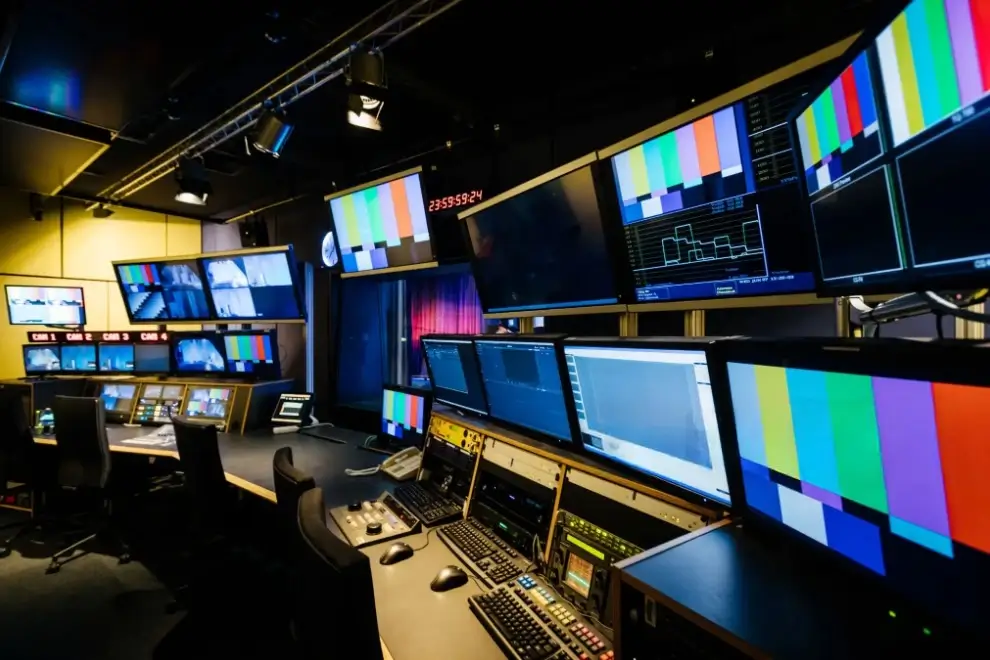
Mastering broadcast news control room mechanics requires an uncanny blend of air traffic control precision, acoustic discipline, and razor-sharp composure under blinding red tally lights. Step through the heavy double acoustic doors of any production gallery minutes before the top of the hour, and you enter a sensory battleground. Wall-to-wall multiviewer monitors glow with dozens of flickering feeds, low murmurs crackle across multichannel intercom matrices, and technical directors hover their fingers millimeter-thin above illuminated video switcher buttons. A single missed cue, a clipped microphone channel, or a misrouted satellite feed can turn a multi-million-dollar broadcast into an internet laughingstock within seconds.
While audiences at home see an unflappable anchor delivering the evening headlines against a sweeping digital backdrop, the reality behind the glass is an athletic performance of cognitive multi-tasking. Teams must decipher competing voices blaring through their headsets while simultaneously executing time-critical physical actions. Understanding the intricate plumbing of this high-stakes environment reveals how raw human instinct and rigorous technical engineering unite to tame unpredictable chaos.
The Hidden Nervous System Behind High Pressure Live Television
A production control room functions as an artificial central nervous system where every human node has a dedicated, non-overlapping sensory duty. At the center of the front bench sits the Director, whose primary weapon is voice cadence. The director does not touch buttons; they call commands in a rhythmic, predictive vernacular that cues cameras, rolls video packages, and directs graphics onto the program output. Directly to their side sits the Technical Director, known as the TD, who acts as the broadcast pianist. Operating a production switcher with hundreds of tactile buttons, the TD translates the director verbal cadence into immediate visual reality, cutting between studio cameras, remote bonded-cellular transmitters, and virtual sets with millisecond precision.
Behind the front bench on an elevated tier sits editorial leadership, led by the Line Producer. While the director governs the aesthetic execution of the current second, the producer governs time itself. Staring down the show rundown on electronic newsroom software, the producer constantly calculates back-timing, dropping stories on the fly, extending breaking coverage, and communicating directly into the lead anchor earpiece. Meanwhile, isolated behind heavy glass to the side, the Audio Engineer, or A1, balances dozens of microphone faders, remote mix-minus circuits, and music cues to ensure clear tonal balance. The underlying architecture of broadcast news control room mechanics relies on compartmentalized focus, where every specialist filters out ninety percent of the background noise to execute their singular task with surgical precision.
The Precision Choreography of Time and Technical Routing
Live news exists in an unforgiving friction between physics and timing. Every live television show is tied to an uncompromising satellite window or network master control schedule. Missing a commercial break by four frames or overrunning a segment can trigger automated black screens, contractual advertising penalties, or severed transmissions. To prevent these systemic meltdowns, control rooms deploy elaborate routing switchers that process baseband video and internet-protocol feeds governed by strict Society of Motion Picture and Television Engineers broadcast standards.
The technical challenge amplifies exponentially the moment the broadcast steps outside its native brick-and-mortar facility. Field units transmitting through bonded-cellular backpacks or mobile satellite uplinks introduce unavoidable latency, often introducing audio delays ranging from three hundred milliseconds to two full seconds. Orchestrating these erratic incoming signals requires flawless coordination between the control room ingest desk and remote field producers. Whether managing an unexpected breaking news disaster in a metropolitan studio or handling sprawling multi-feed international remotes where production teams encounter the exact logistical hurdles analyzed in Why Is the Today Show in Ireland Explains 4 Strategic Highlights of NBC Live Broadcast, the signal paths remain identical. Every incoming remote feed must be frame-synchronized, color-matched, and patched into dedicated monitor multiviewers before the director dare take it to air.
When examining physical broadcast news control room mechanics across top-tier international networks, one immediately notices that spatial geography mirrors workflow hierarchy. The proximity between personnel determines the speed of non-verbal error correction. A subtle tap on the TD shoulder from an alert director can avert an accidental camera cut faster than an intercom command could ever register in the human ear.
Four Proven Disciplines That Prevent Costly On Air Catastrophes
Rigorous execution of broadcast news control room mechanics hinges on four non-negotiable operational disciplines that veteran teams treat as survival law. These core pillars separate amateur webcast blunders from the relentless reliability of seasoned networks.
Absolute Command of Mix Minus Audio Feeds
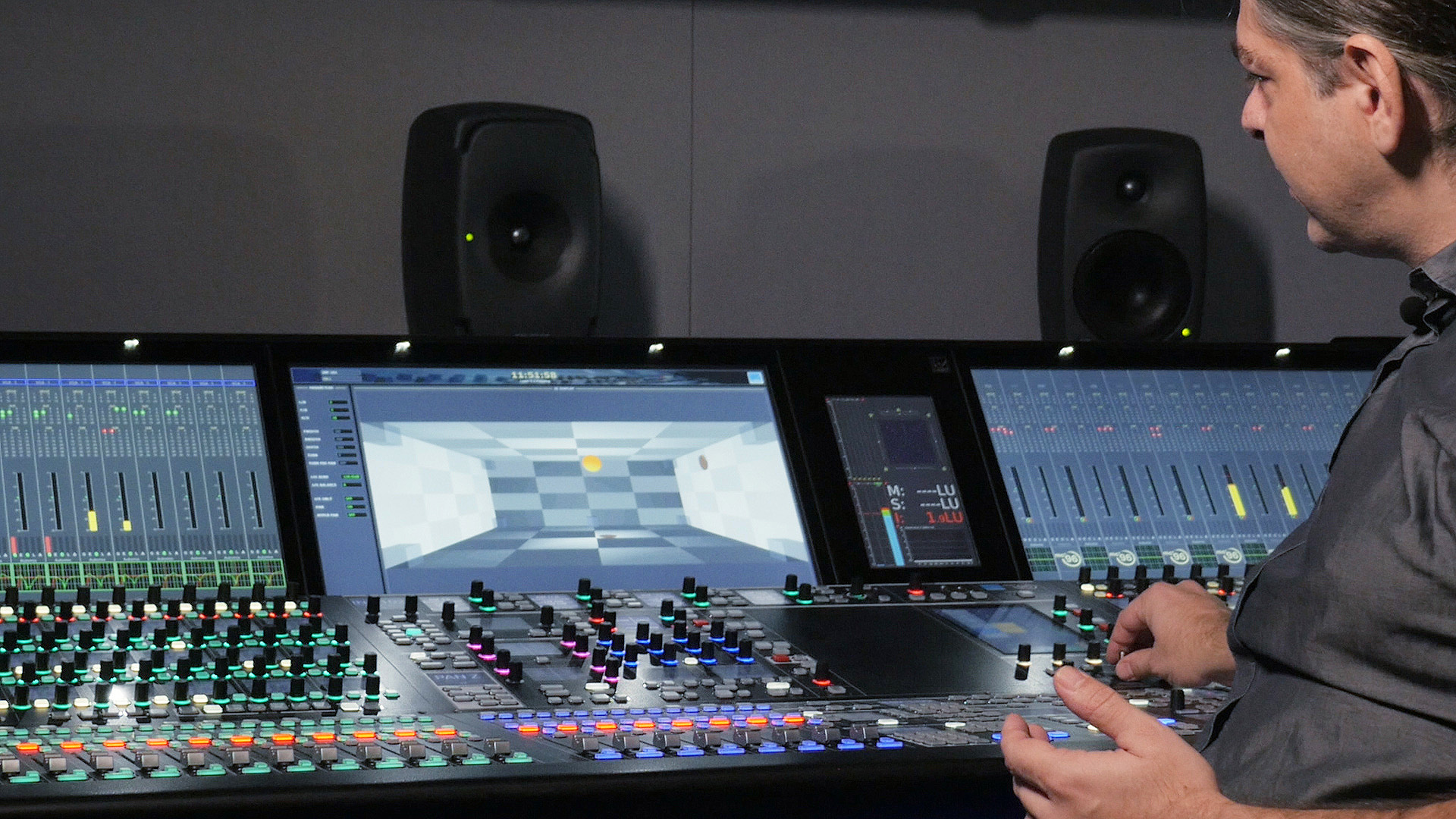
Nothing destroys journalistic credibility faster than an anchor asking a remote reporter a question, only to hear the reporter freeze because their own voice is echoing back into their earpiece half a second later. This disaster happens when an audio engineer fails to construct a proper mix-minus feed. In broadcast routing, an IFB, or Interruptible Foldback, must deliver all program audio back to the field reporter minus their own microphone input. When an A1 correctly routes mix-minus audio, the reporter hears the anchor questions and studio soundbites cleanly with zero disorienting feedback loop. In fast-breaking setups with multiple panel guests across five disparate continents, building individual, latency-compensated mix-minus routes on the fly is an engineering tightrope walk that demands flawless console discipline.
Relentless Rundown Timing and Back Timing Discipline
Television operates on hard, mathematical boundaries. A thirty-minute news program rarely has thirty minutes of variable time; it consists of rigid commercial blocks, hard network join-times, and strictly metered regional opt-outs. The line producer must run constant mental subtraction, known throughout the industry as back-timing. If an unscripted political press conference consumes an extra two minutes in the second block, the producer cannot simply shrug and let the show finish late. The control room must actively audit the upcoming rundown, killing upcoming graphic sweeps, dropping package intros, or instructing the anchor via IFB to shave thirty seconds off the upcoming kicker. Without absolute back-timing discipline, shows end abruptly mid-sentence, cutting to black or clipping sponsor spots.
Clean Visual Triage on the Production Switcher
The vision switcher board is a labyrinth of backlit buttons, fader bars, and digital effects buses. During an unexpected breaking incident, the human eye easily suffers visual cognitive overload. Seasoned technical directors employ visual triage protocols to protect the air output. This means establishing designated utility buses for vetting incoming video before assigning it to the primary program and preview rows. A field feed is never cut directly to the active program output until it has been visually checked in preview for framing, video stability, and sync lock. This visual discipline represents the mechanical heartbeat of broadcast news control room mechanics during unscripted news environments, preventing black flashes, stuttering frames, and accidental transitions to uncalibrated camera shots.
Redundant Contingencies for Unscripted Breaking Anchors
Anchors are human amplifiers, but they can only perform as well as the support mechanisms feeding them information. When teleprompter computers crash or script software freezes mid-sentence, the control room must immediately transition to secondary failsafe redundancies. Control rooms enforce a dual-prompter network architecture where mirrored backup systems track primary outputs continuously. Concurrently, hardcopy paper rundowns with printed lead-ins are delivered to anchor desks at the top of every commercial break. Furthermore, the executive producer maintains a dedicated priority override button on the intercom to speak into the anchor ear without cross-talk from excited control room chatter. These structured redundancies ensure that if total digital software failure strikes the facility, the viewer on the couch detects nothing more than a momentary, composed breath from the presenter.
The Psychological Protocol of Remaining Unshakable Under Live Pressure
Technical apparatus is useless if the humans operating it fall prey to panic. Control rooms are notorious crucible environments where adrenaline surges can easily trigger communication breakdown. To counteract this, modern media organizations adapt aviation crew resource management techniques to maintain order when major unexpected events wipe out the planned program rundown.
Beyond technical prowess, refined broadcast news control room mechanics depend fundamentally on voice modulation and acoustic emotional control. In a high-functioning gallery, the director voice becomes noticeably quieter, slower, and more deliberate as tension escalates. Shouting over intercom channels triggers auditory tunnel vision, causing crew members to miss critical cues. The director speaks exclusively in the imperative mood, using standardized micro-commands: “Standby Camera One. Take One. Standby Server A. Roll Server A. Track Server A.” By eliminating conversational filler and conversational ambiguity, cognitive bandwidth is preserved across the entire production team.
The Future of Studio Automation and the Irreplaceable Human Instinct
Automated Production Control platforms, known as APC systems, have automated many routine aspects of daily television news. Computer-driven switchers can now parse an electronic rundown, automatically moving robotic cameras, firing graphic titles, unmuting audio channels, and rolling pre-rendered video packages without human hands ever touching a fader. In predictable, scripted afternoon broadcasts, automated production software functions with remarkable, cost-efficient precision.
However, automation instantly stumbles the moment reality breaks the script. Software cannot gauge the subtle emotional resonance of an anchor voice during a national tragedy, nor can an automated algorithm intuitively sense that an incoming satellite feed from a war zone is seconds away from showing imagery unsuitable for broadcast. When the unexpected erupts, automated presets are quickly disengaged, handing complete manual control back to the veteran instincts of seasoned crew members.
Understanding modern broadcast news control room mechanics exposes the reality that live television is never an accident of luck. It is a carefully engineered ballet of acoustic management, cognitive discipline, and split-second operational rules executed under relentless real-time pressure. The next time you watch a breaking news bulletin unfold seamlessly across your television screen, remember that just behind the anchor backdrop, a dozen unsung professionals are executing a high-wire performance where perfection is the only acceptable outcome.