Felix Auger-Aliassime Ignites 4 Major Stakes in High Drama Shanghai Clash
Canadian contender Felix Auger-Aliassime commanded global search interest following a dramatic Round of 16 duel against Norway’s Casper Ruud at the Rolex Shanghai Masters. From high-stakes Asian Swing battles to an upcoming December showcase in Gothenburg, the tennis world is watching his every move.
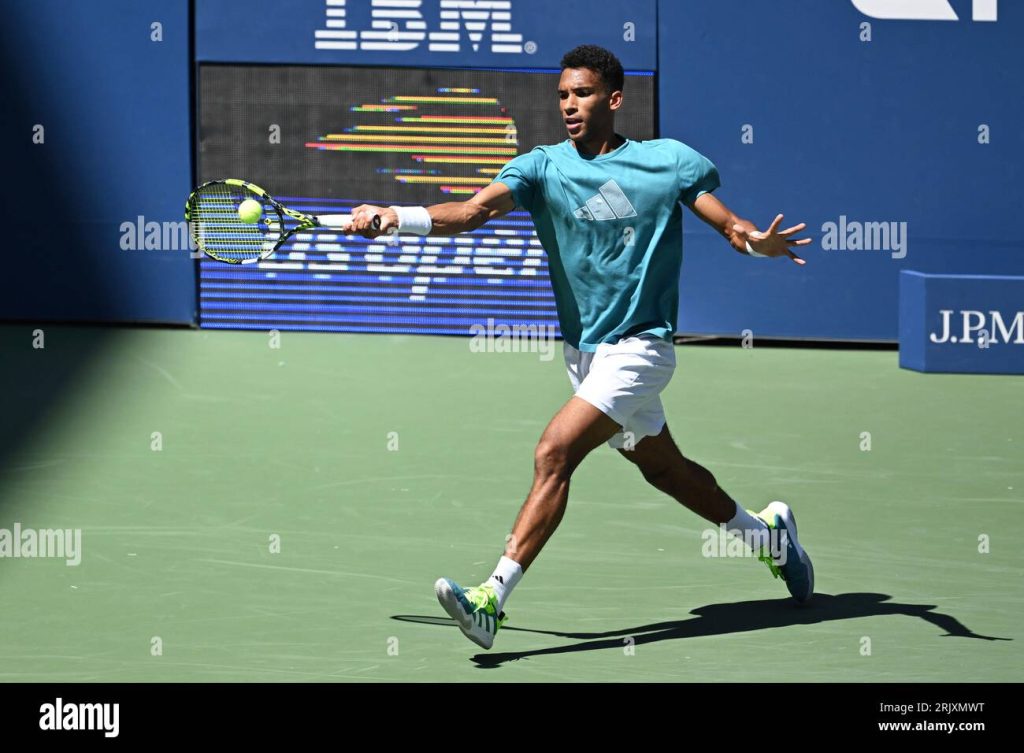
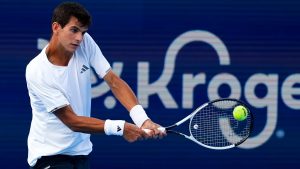
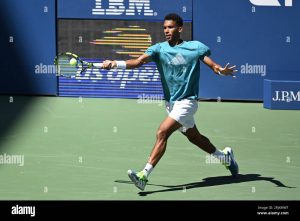
Canadian tennis standout Felix Auger-Aliassime captured widespread international attention on October 14 as high-stakes momentum surged across the hard courts of the Rolex Shanghai Masters. Facing off in a fiercely anticipated Round of 16 encounter against Norway’s Casper Ruud, the Canadian dynamo transformed an overnight clash into a trending global spectacle. Tennis enthusiasts and digital spectators flooded search engines in real time, tracking live scoring developments, tactical shifts, and critical service data as the Asian Swing reached fever pitch.
The sudden surge in interest is about more than just one tournament scoreline. As reported by Tennis.com and Tennis Majors, the fourth-round fixture pitted two established international stars against each other at a pivotal juncture of the late-season calendar. With the ATP Masters 1000 circuit testing physical endurance and competitive consistency, this confrontation highlighted both players’ ambitions to solidify their global standing. Simultaneously, secondary headlines broke across international tennis circuits, confirming major future commitments that further elevated fan excitement.
The High Stakes Asian Swing Battle at the Rolex Shanghai Masters
The Rolex Shanghai Masters represents the crown jewel of the autumn Asian Swing, an unforgiving stretch on the ATP Tour calendar where fatigue and ambition collide. According to live tournament tracking from Tennis.com, the Round 4 battle between Canada’s leading contender and Norway’s Casper Ruud arrived with significant ranking equity on the line. Contested on the rapid outdoor hard courts of Shanghai, every service hold and aggressive baseline rally carried immense weight for both camps.
Sports betting analysts and strategic observers had circled this match well in advance. As highlighted by VSiN in their overnight tournament forecasts, the October 13 and 14 slate presented an electrifying mix of tactical nuance and unpredictable pacing across the Shanghai Masters and parallel tour events. Spectators witnessed two players operating at opposite ends of stylistic tradition. For Canada, the match served as an essential barometer of form, proving whether aggressive court positioning could consistently penetrate elite defensive scrambling.
As reported across international broadcast portals and regional media feeds, including streaming notices cataloged by the Universidad de Córdoba network, the fixture captured multi-continent demand. Audiences from North America to Scandinavia adjusted their morning schedules to track the high-octane encounter live, validating the enduring commercial draw of top-tier men’s tennis.
Why the Casper Ruud Rivalry Commands Global Search Attention
Rivalries in modern tennis thrive on contrasting philosophies, and the matchup featuring Casper Ruud against Felix Auger-Aliassime embodies that dynamic entirely. Ruud, celebrated for his heavy topspin forehand, relentless footwork, and baseline discipline, forces opponents into long, physically punishing patterns. To counter this, aggressive shotmakers must maintain pinpoint precision on their first serves while seizing immediate control of short balls.
Whenever these two athletes meet on a premier stage, the narrative extends beyond the immediate scoreboard. Tennis Majors documented the October 14 showdown as a centerpiece of the Shanghai Round of 16, drawing attention to how both competitors navigate surface transition challenges late in the year. Hard courts traditionally reward offensive assertiveness, giving aggressive players an opportunity to shorten points and dictate baseline exchanges before defensive specialists establish rhythm.
Digital engagement metrics spiked sharply as tennis communities analyzed live service percentages, break point conversion efficiency, and unforced error counts. The widespread interest demonstrated how deeply invested casual fans and dedicated analysts remain when marquee names lock horns in sudden-death Masters 1000 conditions.
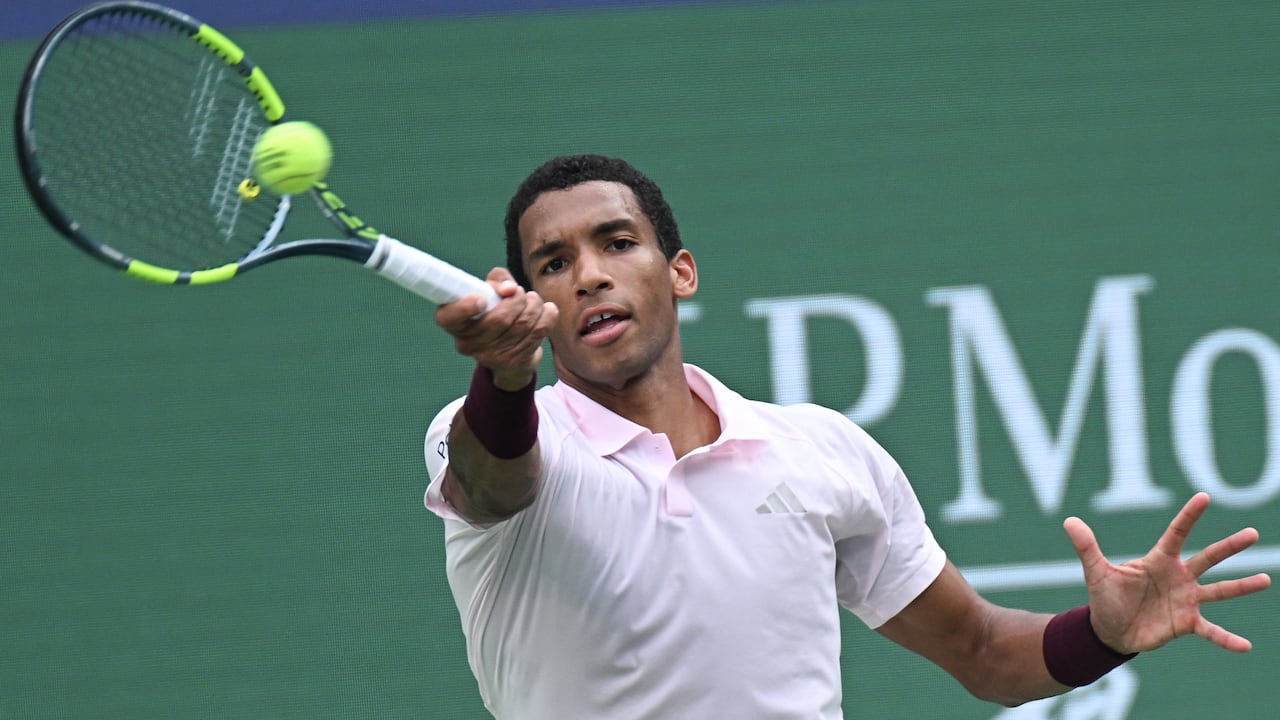
4 Critical Dimensions Driving the Canadian Star Forward
Understanding the current resonance of this sporting moment requires examining multiple converging storylines across the professional landscape. The spotlight shining on the Canadian standout is fueled by immediate tournament objectives, structural schedule demands, and thrilling offseason exhibition bookings.
Mastering Hard Court Conditions in Shanghai
The outdoor courts in Shanghai are widely recognized for their true bounce and medium-fast pace, conditions that reward bold ball-striking and dominant serving. For an offensive competitor, executing under these conditions demands total trust in timing. In round-of-16 play against a counterpuncher of Ruud’s caliber, hesitation proves catastrophic. Tactical reports throughout the tournament underscored how crucial it was to generate high first-serve win percentages and minimize loose errors during second-serve returns.
Managing Physical Durability Across Grueling Schedules
Sustaining peak operational efficiency across an exhaustive global schedule is an immense athletic challenge. Competitors must budget physical stamina, recover between rigorous matches, and protect joints against the abrasive surfaces of hard-court competition. When energy reserves dwindle, execution falters rapidly under high stress.
This careful balance between resource consumption and sustained output mirrors corporate balance sheets navigating acute liquidity cycles. Top executives evaluate Cash Conversion Cycle Mechanics and 4 Proven Rules That Prevent Devastating Corporate Insolvency to avoid burning critical working reserves during volatile operating quarters. In professional athletics, an identical discipline applies: players must manage aerobic capital and muscular durability to avoid devastating end-of-season exhaustion.
Expanding Beyond Tournaments to Ultimate Tennis Showdown Gothenburg
Off-court developments have intensified the spotlight even further. In an announcement released by the Ultimate Tennis Showdown, tournament officials confirmed that World N°5 Felix Auger-Aliassime and Swedish rising talent Leo Borg will join the star-studded lineup for UTS Gothenburg by BNP Paribas. Scheduled for December 12 and 13 at the Scandinavium arena, this high-energy format continues to attract elite competitors seeking innovative competition structures.
The UTS confirmation signals an aggressive, dynamic strategy toward modern tennis branding. By pairing ATP Masters 1000 championship hunts with innovative, high-tempo exhibition showcases, elite athletes expand their global audience footprint while maintaining sharp match reflexes during traditional tour lulls.
Navigating Late Season Pressure and ATP Ranking Volatility
The closing stages of the tennis calendar introduce relentless psychological pressure. As VSiN pointed out in their Asian Swing coverage, late-season tournaments represent the final opportunities for players to capture substantial point cushions before year-end rankings freeze. Defending points from previous campaigns while fending off hungry challengers requires supreme mental composure. The tactical poise displayed by Felix Auger-Aliassime during critical Shanghai tiebreaks and service holds reflects a mature competitor thriving under intense external scrutiny.
Strategic Implications for the Final Stretch of the Tennis Calendar
With the Shanghai Masters advancing past the round of 16, the ATP Tour heads swiftly toward the European indoor swing. The fast indoor carpets and hard courts of Paris, Basel, and Vienna reward quick reflexes, explosive serves, and aggressive front-foot baseline dominance. Form established in Shanghai often acts as the definitive springboard for late-autumn title runs.
The continued competitive rise of Felix Auger-Aliassime demonstrates a pivotal phase of athletic maturity. Surviving demanding matches against seasoned clay-court and hard-court specialists like Ruud sharpens shot selection, fortifies baseline patience, and builds tactical confidence. Each deep run in an ATP Masters 1000 event reinforces a player’s reputation as a perennial championship contender capable of toppling any opponent on any given day.
Furthermore, international sports markets monitor these encounters closely. The surge in television viewership, social discourse, and digital searches across North America and Europe highlights an insatiable appetite for elite tennis rivalries that can define the sport for the next decade.
The Road Ahead for Canadian Tennis Royalty
The intense spotlight currently fixed on Shanghai demonstrates how rapidly athletic excellence commands global cultural momentum. Between navigating the pressure-packed courts of the Rolex Shanghai Masters and preparing for winter showcases like UTS Gothenburg, the Canadian star continues to write compelling chapters in modern professional tennis.
As the Asian Swing gives way to the decisive European indoor circuit, every forehand winner, tactical adjustment, and hard-fought victory carries enduring significance. By consistently meeting elite challenges head-on against world-class rivals, Felix Auger-Aliassime cements his standing as one of the most electrifying and consequential figures in professional sport today.