Cash Conversion Cycle Mechanics and 4 Proven Rules That Prevent Devastating Corporate Insolvency
A business can produce record operating margins and still plunge into bankruptcy if cash stays trapped in operational pipelines. Learn how working capital timing dictates balance sheet survival.
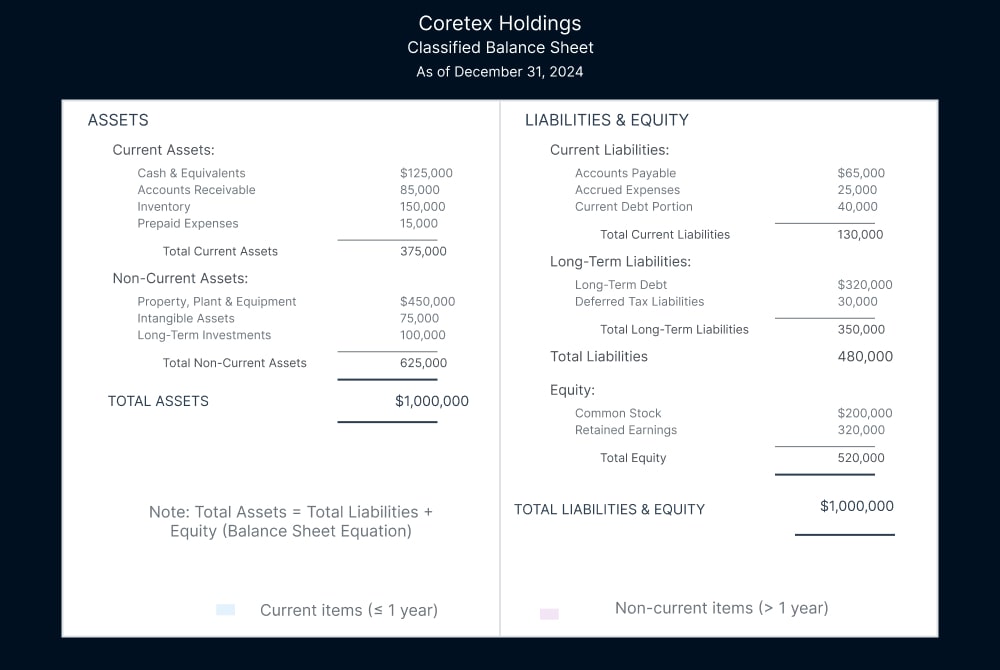
Mastering cash conversion cycle mechanics separates resilient balance sheets from fragile operations that quietly bleed liquidity behind glowing revenue reports. Accounting conventions celebrate accrual earnings, allowing leadership teams to declare record profitability while their corporate checking accounts hollow out from delayed collections and trapped inventory. Revenue is a statement of intent, and paper margin is an accounting estimate, but liquid cash remains the unforgiving lifeblood of daily enterprise.
When an organization commits capital to purchase raw goods or recruit staff, a ticking clock begins. Every hour that capital spends idling on warehouse shelves or sitting within an unpaid customer invoice incurs an invisible financing drag. Without a rigorous framework to govern this velocity, growth transforms from an asset into an aggressive consumer of cash, draining reserves until ordinary supplier obligations become insurmountable crises.
The Hidden Plumbing of Corporate Solvency
Corporate failure rarely stems from a sudden evaporation of market interest. In the vast majority of mid-market and enterprise collapses, the core breakdown occurs within the unglamorous corridors of working capital administration. A commercial entity must continually settle obligations for physical plant, payroll, raw supplies, and utilities in cold hard currency, regardless of how many millions sit booked as uncollected accounts receivable.
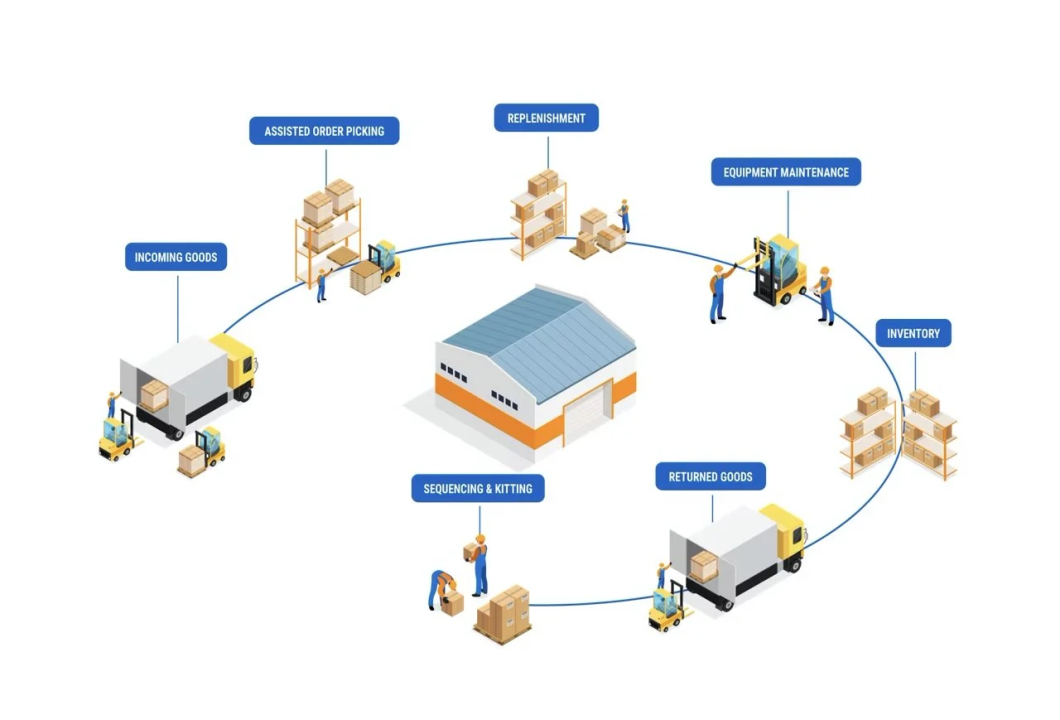
Understanding cash conversion cycle mechanics requires tracing how physical inventory transforms into accounts receivable and eventually liquid cash. The metric measures the exact number of days required for an outflow of operational capital to complete a full circuit through production, sales delivery, and cash collection back into liquid reserves. If that circular journey extends too long, the enterprise requires external credit injections merely to sustain its existing revenue run rate.
Consider the fundamental operational friction inside a manufacturing enterprise. The firm purchases steel on credit, spends thirty days machining the raw material into precision components, holds the finished units for twenty days pending distribution, and grants sixty-day payment terms to the commercial buyer. Even if the nominal gross profit margin reaches forty percent, the company has funded ninety days of operational inertia before receiving a single incoming cent. That structural delay represents an uncollateralized loan granted to the broader supply chain.
The Mathematical Anatomy of the Working Capital Gap
Calculating the working capital gap relies on three interconnected metrics that reflect the operational velocity of distinct departments across the firm. The mathematical formula appears deceptively straightforward: days inventory outstanding plus days sales outstanding minus days payable outstanding. Each component reflects an intense balance between commercial leverage, execution speed, and operational discipline.
Days Inventory Outstanding measures the average duration raw materials, work-in-progress, and finished goods remain stranded before a buyer takes ownership. Days Sales Outstanding reflects the average duration the enterprise waits to collect settled funds after issuing an invoice. Together, these two figures represent the gross operating cycle, illustrating the total elapsed time between sourcing input materials and collecting final cash proceeds.
The mitigating counterweight is Days Payable Outstanding, which tracks the average timeframe the firm takes to settle obligations with its own suppliers. High-leverage enterprises extend their payable timelines to finance inventory storage using vendor trade credit. When dissected through Aswath Damodaran’s corporate finance research at NYU Stern, optimizing these operational timeframes directly expands corporate enterprise value by suppressing required invested capital and driving higher free cash flow yields.
Why Profitable Enterprises Bleed Cash to Death
A catastrophic flaw in conventional financial analysis is treating profitability as a proxy for liquidity while ignoring cash conversion cycle mechanics. Rapid business expansion reliably accelerates working capital requirements. When an enterprise expands its sales volume from ten million to fifty million dollars, its absolute dollar exposure to uncollected receivables and stored stock swells proportionally. If the working capital cycle stands at sixty days, the enterprise must finance a massive liquidity wedge before that expanded revenue pipeline generates self-sustaining cash.
This operational reality catches founders and executive directors off guard during high-demand economic periods. Sales dashboards flash bright green while treasury directors quietly negotiate emergency bank overdraft facilities to meet bi-weekly payroll obligations. Management teams often interpret this strain as an ephemeral capitalization hiccup rather than a profound mechanical malfunction in their settlement architecture.
The resulting blind spot reflects an underlying organizational delusion, much like the behavioral disconnect observed when Wade Wilson Sparks 3 Major Clashes Across Crime and Comics where conflicting perceptions override baseline operational reality. When internal departments measure progress solely through top-line bookings, they overlook the working capital drag that inevitably erodes real equity value.
Four Proven Rules That Shield Balance Sheets from Illiquidity
Applying cash conversion cycle mechanics to operational workflows requires dynamic control over three moving components rather than static quarterly reviews. Treasury teams must dismantle functional silos between procurement, sales, and warehouse logistics to establish strict operational benchmarks.
Synchronize Vendor Payment Terms with Customer Settlement Horizons
The fastest route to a negative or neutral liquidity cycle is enforcing parity between your customer billing schedules and vendor disbursement obligations. Granting enterprise clients net-sixty settlement windows while accepting net-thirty terms from component suppliers creates an artificial financing deficit that must be funded through expensive revolvers or dilutive equity.
Treasury leaders must enforce a non-negotiable procurement standard that locks vendor payment terms to match or exceed historical realized collection intervals. If large enterprise accounts routinely stretch payments to seventy-two days despite nominal thirty-day contracts, procurement must secure ninety-day terms from raw material suppliers. Offloading balance sheet financing back onto the supply chain protects critical liquidity reserves during sudden revenue dips.
Eliminate Deadweight Inventory Through Dynamic Buffer Stocking
When procurement teams negotiate supplier terms in isolation, they distort cash conversion cycle mechanics and create artificial working capital stress. Purchasing departments frequently pursue bulk-quantity discounts that generate small unit-cost savings while simultaneously anchoring millions of dollars in idle warehouse stock for quarters at a time.
Modern inventory architecture demands dynamic demand sensing coupled with rigorous ABC inventory stratification. High-velocity, margin-critical inventory components must be cycled rapidly, while low-turnover, non-essential SKUs should be sourced via on-demand fulfillment or consignment arrangements. Slashing inventory dwell time by a mere twelve days across a multi-million-dollar inventory footprint injects immediate non-dilutive liquidity straight onto the corporate ledger.
Automate Collections Friction to Accelerate Receivables Velocity
Accounts receivable delays often stem from operational friction inside internal billing pipelines rather than explicit customer defiance. Missing purchase order numbers, disputed line items, late invoice dispatch, and bureaucratic authorization processes add weeks of uncompensated latency before an invoice enters a client’s payment queue.
Eliminating this administrative drag requires implementing automated electronic delivery systems, upfront dispute reconciliation workflows, and structured early-settlement incentive programs. Deploying dynamic discount frameworks such as one percent discounts for settlement within ten days shifts the financial incentive back toward client accounting desks, compressing collection cycles by double-digit percentages without eroding baseline product margins.
Enforce Stricter Working Capital Hurdle Rates Across Growth Initiatives
Expansion initiatives should never be approved solely on forecasted earnings before interest, taxes, depreciation, and amortization. Every commercial initiative must carry an explicit working capital balance sheet charge that prices the carrying cost of required inventory and extended payment terms into the initial project valuation.
If a prospective enterprise customer demands customized manufacturing alongside ninety-day payment terms, the actual return on invested capital drops significantly compared to an off-the-shelf contract settled on net-fifteen terms. Charging business development units for the operational capital their contracts strand establishes authentic alignment between sales incentives and fundamental corporate solvency.
Building Anti-Fragile Cash Velocity Across Volatile Cycles
Executive teams that run stress simulations based on cash conversion cycle mechanics identify cash traps weeks before credit facilities dry up. Macroeconomic contractions predictably lengthen customer payment habits while supply chain bottlenecks demand higher safety stock, squeezing the enterprise from both sides simultaneously. Operating with a rigid, non-responsive working capital framework during an economic downturn guarantees balance sheet distress.
The goal of world-class treasury management is not merely surviving cyclical stress but constructing an anti-fragile operating structure that thrives while cash-strapped competitors retrench. Firms that master balance sheet velocity generate their own liquidity organically, rendering them immune to credit market freezes and predatory debt financing rates.
Long-term balance sheet durability is never an accident of sales volume but the deliberate output of cash conversion cycle mechanics tuned to withstand economic friction. By systematically hunting down cycle inefficiencies across inventory holding, client collections, and vendor terms, leadership teams unlock the ultimate operational advantage: sustainable self-funded growth that converts accounting gains into durable corporate survival.