Is Below on Netflix Good With 5 Critical Reasons Viewers Are Divided
Josh Hartnett’s Newfoundland creature thriller has surged across global streaming charts, sparking intense debate over its maritime terror. Here is the unvarnished breakdown of whether the limited series delivers genuine horror or pure camp.
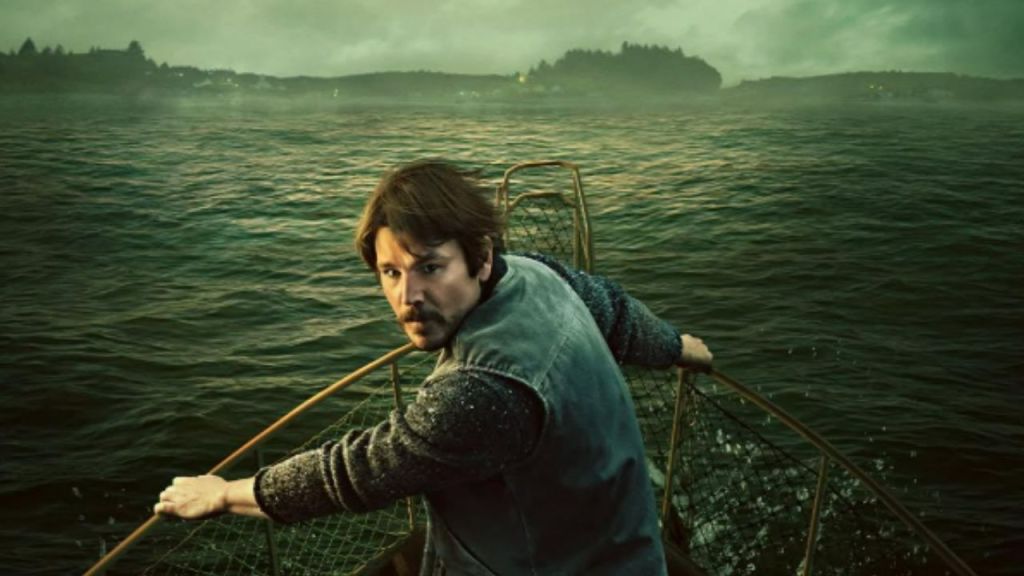
Anyone asking is below on netflix good will find an answer as murky and fascinating as the North Atlantic waters anchoring the thriller. Directed with a heavy dose of atmospheric dread and propelled by a weathered performance from Josh Hartnett, the six-part limited series has surged up international streaming charts. Set and filmed against the rugged, rain-slicked terrain of Newfoundland, the production blends bleak maritime realism with unvarnished monster movie mechanics. Viewers arriving for a somber prestige drama encounter an unapologetic deep-sea creature feature, sparking an immediate divide across online watchlists and critical forums.
The conversation surrounding the series is driven by competing expectations. While genre purists welcome the resurgence of practical-leaning sea monster thrills, casual subscribers often struggle with its deliberate pacing and quirky tonal swerves. The debate is not merely about whether the series functions as baseline television entertainment, but whether its idiosyncratic choices justify an investment across its full six-episode arc.
The Core Anatomy of Below and Why Viewers Stream It
When evaluating whether is below on netflix good, viewers quickly realize that the show refuses to fit neatly into conventional horror boxes. As Decider highlighted in its initial assessment, the limited series wastes zero time establishing its unsettling premise. The show opens with an indelible visual flashback set in Newfoundland in 1986, showing an entire wooden house being towed across mirror-calm waters by boat. The serene maritime operation is abruptly disrupted when an unknown, colossal force in the ocean depths violently agitates the water, dragging human routine into absolute chaos.
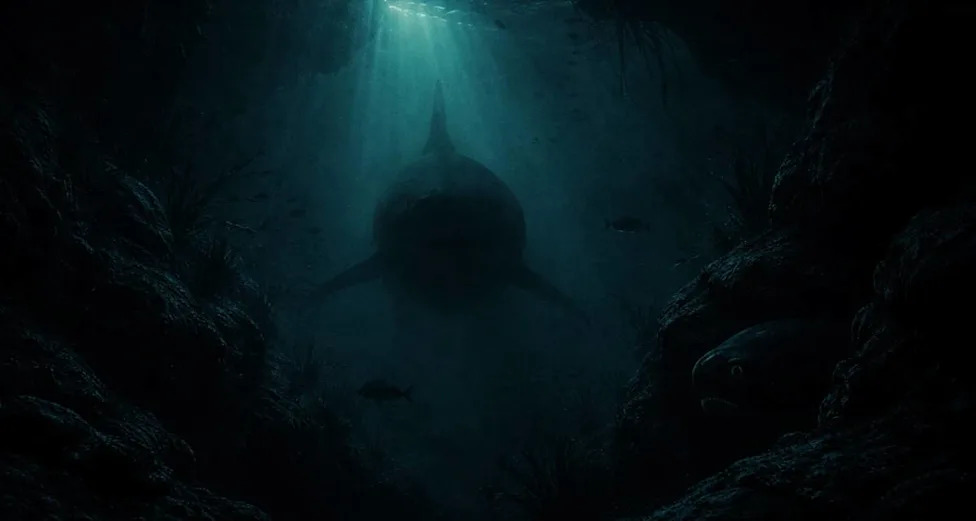
That striking opening establishes the fundamental conflict that plays out across modern-day episodes. Josh Hartnett portrays a haunted figure entangled in the escalating terror gripping a tiny, weather-beaten Canadian coastal settlement. An ancient, predatory underwater monster—resembling an enormous, aggressive squid—begins stalking the shoreline, picking off maritime workers and unraveling the psychological fabric of an already isolated community.
Unlike glossy Hollywood ocean thrillers that lean on sterile digital corridors, the show grounds its menace in the biting frost and isolated geography of Canada’s eastern coast. The water is treated as an unpredictable antagonist, concealing leviathans beneath gray, churning waves. This atmospheric commitment gives the narrative an immediate hook, offering an experience noticeably different from standard suburban supernatural fare.
5 Critical Factors Determining If the Series Works
Navigating the series requires parsing the distinct artistic gambles taken by the creative team. From aesthetic triumphs to polarizing character work, five distinct elements shape the audience experience.
The Visual Splendor of Newfoundland Landscapes
The production design and geographical setting serve as the production’s strongest assets. IndieWire pointed out in its review that the Newfoundland-set and Newfoundland-shot series is an absolute treat for the eyes and ears. Cinematographers capture the brutalist beauty of the North Atlantic coastline with chilling clarity. Jagged cliffs, relentless gale-force winds, rain-battered lighthouses, and slate-gray oceanic swells create an organic sense of claustrophobia despite the vast horizon.
The auditory landscape matches the visual craft. The creak of aging timber, the hollow groan of harbor docks, and the muffled underwater acoustics build genuine dread before the creature ever surfaces. For viewers who prioritize mood, setting, and tactile world-building, these production merits elevate the viewing experience well above generic streaming filler.
Josh Hartnett and the Regional Accent Controversy
A central debate determining whether is below on netflix good revolves around Josh Hartnett’s performance and dialect work. As detailed by Cosmopolitan, social media erupted with commentary over the actor’s decision to adopt an authentic, regional Newfoundland accent. The vocal cadence of the region is notoriously complex, blending Irish, Scottish, and West Country English roots into a rhythmic, idiosyncratic dialect that mainland audiences rarely encounter.
Hartnett throws himself into the vocal pattern with complete conviction. While local viewers and linguistic enthusiasts noted his dedicated effort to capture specific coastal inflections, others found the accent jarring or difficult to parse without subtitles enabled. Hartnett’s performance remains earnest, brooding, and grounded, but the vocal choice represents an undeniable hurdle for viewers expecting his familiar American screen presence.
Creature Feature Nostalgia and B-Movie Charm
For monster fans questioning if is below on netflix good, the underwater sequences deliver pure creature satisfaction. Mashable observed that the series serves as a prime destination for fans of maritime horrors like Widow’s Bay, leaning into the timeless thrills of unseen horrors lurking in the deep. Rather than relying on constant, poorly rendered CGI showcases, the show preserves the creature’s mystery for strategic narrative beats.
When the aquatic menace strikes, the show embraces the joyful spirit of vintage creature features. The predatory squid relies on tactile tentacle choreography, brutal ambushes, and escalating tension. This deliberate collision of high-end cinematic craft with B-movie storytelling thrills creature fans, even if it baffles viewers seeking a self-serious psychological study.
Pacing Across the Six-Episode Runtime
Pacing remains the most frequent critique leveled against the series. At six episodes, the production occupies a middle ground between an economical feature film and a sprawling television epic. Some narrative subplots involving local municipal squabbles, historical town grievances, and family friction occasionally feel engineered to stretch the runtime between monster appearances.
When the narrative remains focused on maritime survival and ecological terror, the momentum surges. However, intermediate episodes linger heavily on quiet melodrama that does not always provide the necessary narrative payoff. Audiences willing to tolerate deliberate slow-burn drama will appreciate the character depth, while viewers expecting relentless creature action may find themselves reaching for the fast-forward button.
The Tonal Tug of War Between Camp and Serious Horror
The tonal balance of the series oscillates between deadpan grief and pulpy excess. On one hand, the narrative tackles community trauma, economic decay, and human isolation with stark seriousness. On the other hand, characters must face down an ancient cephalopod capable of shattering maritime vessels with monstrous strength.
This tonal friction is precisely what divides critics. Those who appreciate the odd marriage of somber drama and monster chaos consider it a singular achievement. Audiences seeking a uniform tone, however, might experience narrative whiplash when solemn monologues are punctuated by sudden monster assaults.
What Top Critics Say Across the Entertainment Landscape
As industry experts debate whether is below on netflix good, the critical consensus reveals an intriguing split across major entertainment outlets. On Rotten Tomatoes, initial reactions leaned firmly positive, positioning the series as a monster horror genuinely worth watching and a timely addition to any seasonal horror watchlist. Rotten Tomatoes reviewers praised the show’s willingness to commit to physical horror mechanics in an era dominated by psychological metaphors.
Conversely, IndieWire took a sharper stance, characterizing the project as a silly creature-feature that functions as a feast for sensory perception but offers very little intellectual substance underneath its wet exterior. IndieWire argued that the show’s serious dramatic ambitions conflict with its pulpy monster core, creating a story that looks extraordinary while delivering modest narrative weight.
Decider adopted a balanced view, acknowledging that while the storytelling carries conventional genre tropes, the sheer spectacle of Josh Hartnett tangling with a deep-sea menace against breathtaking Canadian vistas makes it an easy recommendation for streaming fans. In many ways, the project reflects broader risks taken across modern content production. Much like how the Avengers Doomsday Roster Cuts Reveal 3 Critical Marvel Phase 6 Gambles in major franchise restructuring, Netflix’s bet on this mid-budget maritime horror shows a calculated effort to capture distinct niche fandoms rather than pleasing every demographic at once.
The Definitive Audience Breakdown Before You Hit Play
The final verdict on whether is below on netflix good depends entirely on personal appetite for maritime dread and pulp storytelling. Viewers who relish cold, rain-swept settings, practical creature mechanics, and dedicated character actors operating outside their comfort zones will find plenty to celebrate across these six chapters. The show captures the authentic chill of Newfoundland and treats the deep ocean as an ancient, unknowable abyss.
Conversely, subscribers looking for a tightly structured investigative thriller or a deeply serious ecological study may walk away frustrated by the pulpy creature elements and eccentric accents. Entering the series with proper expectations is essential. It is not an austere art-house meditation, but a stylish, slightly campy, and gorgeously filmed creature chronicle that delivers honest weekend thrills for those ready to plunge into the deep.