Sequence of returns risk and 4 proven rules that prevent portfolio ruin
Retirement success does not hinge on thirty-year average returns, but on the order in which those returns arrive. Master the mechanics of sequence risk and discover four structural defenses that safeguard lifelong wealth.
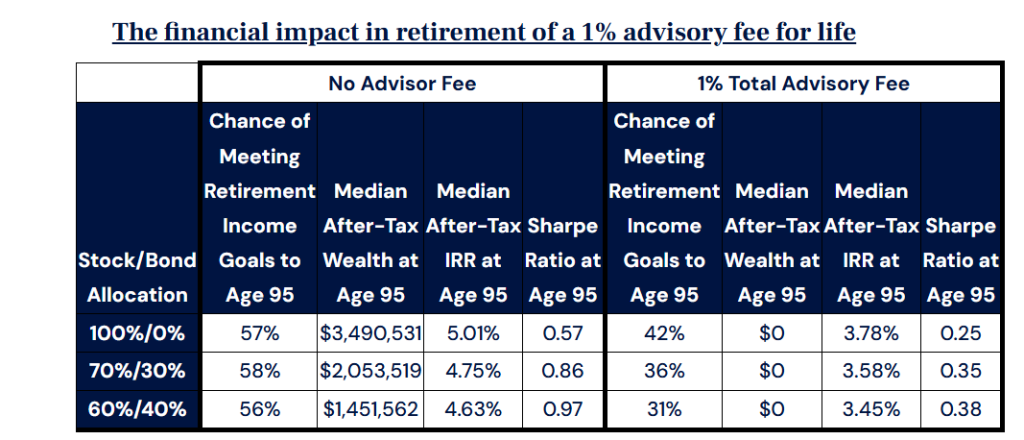
Navigating sequence of returns risk dictates whether a nest egg endures for four decades or evaporates inside twelve years. Picture two investors who step away from their careers on the exact same afternoon with identical one-million-dollar portfolios. Both withdraw an inflation-adjusted sixty thousand dollars annually. Both achieve an identical average annualized return of seven percent over a thirty-year retirement horizon. Yet one passes away leaving a multi-million-dollar inheritance, while the other completely exhausts their capital by year fourteen.
The divergence feels profoundly unjust, almost mystical. It is not caused by poor stock picking, exorbitant fund management fees, or reckless lifestyle inflation. It is the direct consequence of chronological order. In wealth accumulation, the order of market returns is mathematically irrelevant. In retirement decumulation, that sequence determines financial survival.
The brutal mathematics behind bad market timing
When an investor steadily deposits capital into index funds during their working years, market crashes are blessings disguised as panic. Downturns allow dollar-cost averaging to scoop up depressed equity shares at discounted valuations, accelerating wealth velocity when the economic cycle turns. The arithmetic flips violently the moment regular contributions stop and systematic portfolio withdrawals begin.
Liquidating portfolio assets during an early market contraction forces an investor to surrender disproportionately more shares to meet fixed living costs. Selling down five percent of an equity portfolio when stocks are depressed by thirty percent does not merely harvest temporary paper losses. It permanently dismantles the underlying revenue engine required to generate future capital growth. When the market inevitably recovers, the decimated share count cannot harness that upward trajectory.
This arithmetic reality demonstrates how sequence of returns risk dismantles wealth from within. The structural damage is irreversible because equity shares sold to fund immediate groceries or property taxes never compound again. An early cluster of negative annual returns acts like an anchor dragging on an engine, creating an arithmetic deficit so deep that even generational bull markets later in life cannot rescue the portfolio.
Why traditional average annual returns deceive investors
Financial media and generic retirement calculators routinely mislead savers by peddling smooth average rates of return. Planners frequently showcase a historical eight percent average return over three decades, projecting that an investor can safely harvest five percent annually with zero consequence. That comforting simulation treats volatile equity markets as a predictable conveyor belt rather than an unpredictable series of severe shocks.
Consider an asset that drops by twenty percent in year one and rebounds by twenty percent in year two. The simple arithmetic average across those two periods is zero percent. Yet a portfolio starting at one hundred dollars that loses twenty percent falls to eighty dollars. The subsequent twenty percent gain on eighty dollars produces only ninety-six dollars, leaving the investor down four percent. Add ongoing living withdrawals to that volatility drag, and the degradation accelerates dramatically.
Corporate boardrooms succumb to an identical psychological panic when executive teams overreact to cyclical downturns. As depicted when the Cupertino TV Show Delivers 4 Major Shockwaves in Audacious CBS Tech Drama Debut, corporate leaders often gut vital long-term research to placate short-term expectations, undermining durable equity value. Individual retirees repeat that exact mistake whenever they dump diversified holdings during initial market drawdowns out of sheer survival anxiety.
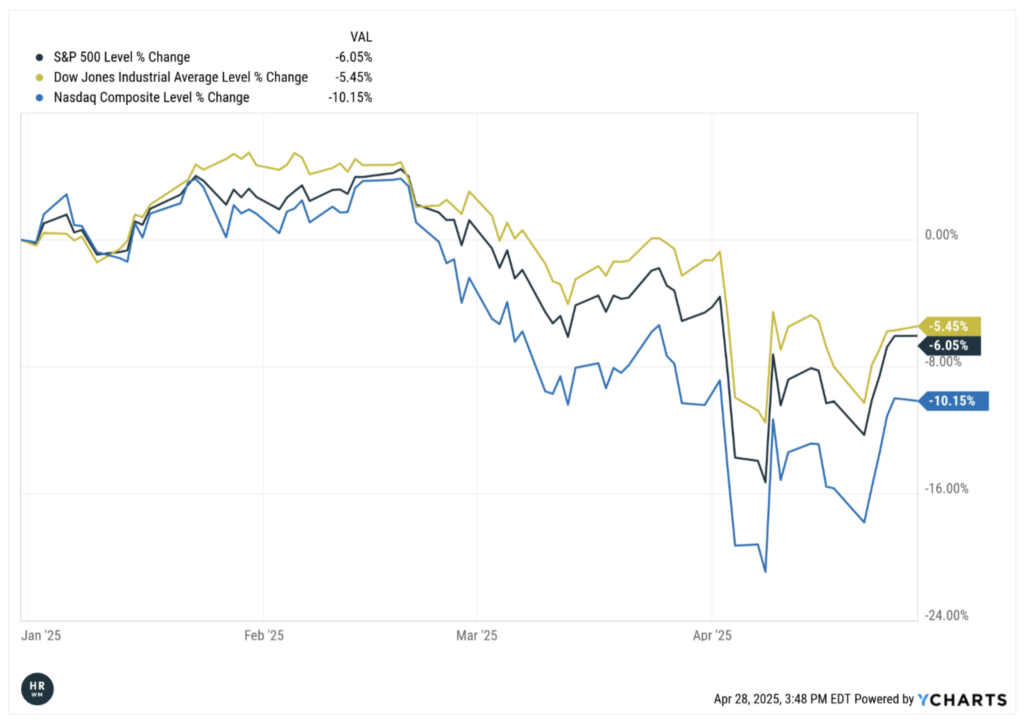
The chronological timing of down years matters far more than long-term average performance. A brutal bear market arriving in year twenty-five of retirement is absorbed comfortably because decades of growth have already built an unassailable financial cushion. That exact same bear market occurring in year two forces destructive liquidations that break the math of lifelong compounding.
Four proven rules that insulate portfolios from early downturns
Preserving capital during the vulnerable transition window—spanning the five years before retirement through the first five years of decumulation—demands deliberate portfolio design. Mitigating sequence of returns risk requires rules-based mechanisms that divorce living expenses from daily market fluctuations.
Build a dynamic cash buffer to absorb multiyear market contractions
Relying entirely on monthly portfolio liquidations leaves retirees vulnerable to equity market volatility. A disciplined cash buffer carves out two to three years of baseline living expenses into high-yield savings accounts, short-term treasury bills, or laddered certificates of deposit. This liquid allocation serves as an economic shock absorber. When equity markets experience an aggressive cyclical drawdown, the investor suspends equity liquidations entirely and lives on the cash buffer. This patience provides diversified equity funds the three to four years typically required to bottom out and fully recover, protecting underlying shares from fire-sale liquidations.
Implement flexible withdrawal guardrails instead of rigid withdrawal percentages
Static spending models assume human expenses remain perfectly rigid regardless of macroeconomic conditions. Dynamic guardrail methodologies replace that flawed rigidity with adaptive rules that adjust withdrawals based on portfolio health. Under a disciplined guardrail structure, retirees take standard inflation adjustments during normal or prosperous years. If severe market contractions push the withdrawal rate above a predetermined threshold, the framework mandates an automatic five to ten percent reduction in discretionary spending. That modest temporary adjustment dramatically curtails capital outflows during market lows, neutralizing a significant portion of sequence of returns risk before compounding damage turns permanent.
Deploy equity glidepaths that invert traditional asset allocation dogmas
Conventional financial wisdom insists that investors must continuously reduce equity exposure as they age. Rigorous retirement research upends this dogma by proving that portfolios face their greatest vulnerability right at the retirement threshold. A rising equity glidepath initiates retirement with a relatively conservative asset mix, often thirty to forty percent equities and sixty percent fixed income. Over the following decade, the investor steadily increases equity exposure by spending down bonds and cash. This counter-intuitive strategy minimizes equity exposure during the most dangerous window, rebuilding growth assets after early timing hazards have passed.
Leverage liability matching to fund essential nonnegotiable lifestyle costs
Separating essential living costs from discretionary pleasures allows retirees to establish an indestructible baseline. Core necessities such as housing, property taxes, basic nutrition, utilities, and healthcare should never depend on volatile equity markets. Funding these nonnegotiable expenses through guaranteed income sources—including social insurance, defined-benefit pensions, and simple fixed annuities—insulates personal survival from market swings. Equity portfolios can then be dedicated strictly to discretionary travel, lifestyle upgrades, and generational legacy. When nonnegotiable survival needs are permanently secure, retirees gain the psychological freedom to leave depreciated stocks untouched through vicious downturns.
Behavioral traps that magnify decumulation errors
Mathematical volatility is only half the battle; investor psychology routinely converts temporary market pullbacks into permanent balance sheet ruin. During wealth accumulation, price drops spark opportunistic buying instincts. In decumulation, watching account balances shrink while continuing to withdraw living expenses triggers primitive panic.
The most destructive behavioral reaction is the capitulation trade at market bottoms. A retiree watches their nest egg tumble during an initial downturn, panics about running out of money, liquidates index funds into cash, and resolves to wait until conditions feel secure. Because market recoveries happen in violent, concentrated surges, re-entry almost always occurs after prices have rebounded substantially. This panic locks in paper losses and cements the catastrophic downside of sequence of returns risk.
A secondary behavioral trap involves chasing excessive dividend yields or risky debt instruments to manufacture artificial cash flow. Investors persuade themselves that high yields prevent them from selling underlying shares. Yet chasing bloated yields routinely crowds portfolios into financially distressed companies, exposing investors to dividend cuts and steep capital depreciation. True long-term solvency relies on disciplined total-return extraction rather than yield chasing.
Constructing a resilient decumulation framework for lifelong solvency
Achieving lasting retirement solvency does not require foretelling macroeconomic trends, guessing central bank moves, or picking market bottoms. It requires recognizing that the earliest phase of decumulation carries asymmetric mathematical danger. Deliberate structural design will always outperform speculative market forecasting in empirical stress testing.
Rigorous empirical studies from institutions like the Stanford Center on Longevity demonstrate that insulating portfolios against early timing shocks is the single greatest determinant of multi-decade solvency. Combining cash cushions, dynamic spending guardrails, structured liability matching, and defensive glidepaths constructs an all-weather foundation capable of weathering severe economic storms without sacrificing personal lifestyle standards.
Safeguarding wealth against sequence of returns risk is fundamentally an exercise in risk mitigation rather than yield maximization. When an investor protects their principal through that fragile initial decade, time and compounding transform from dangerous adversaries into lifelong guardians of financial independence.