
Jakub Mensik Ignites 4 Major Shocks at the Rolex Shanghai Masters
Czech powerhouse Jakub Mensik has taken the Rolex Shanghai Masters by storm with breathtaking shotmaking and high-stakes Round of 32 battles. Here is how the teenage sensation disrupted the ATP hard-court draw amid major tournament upsets.
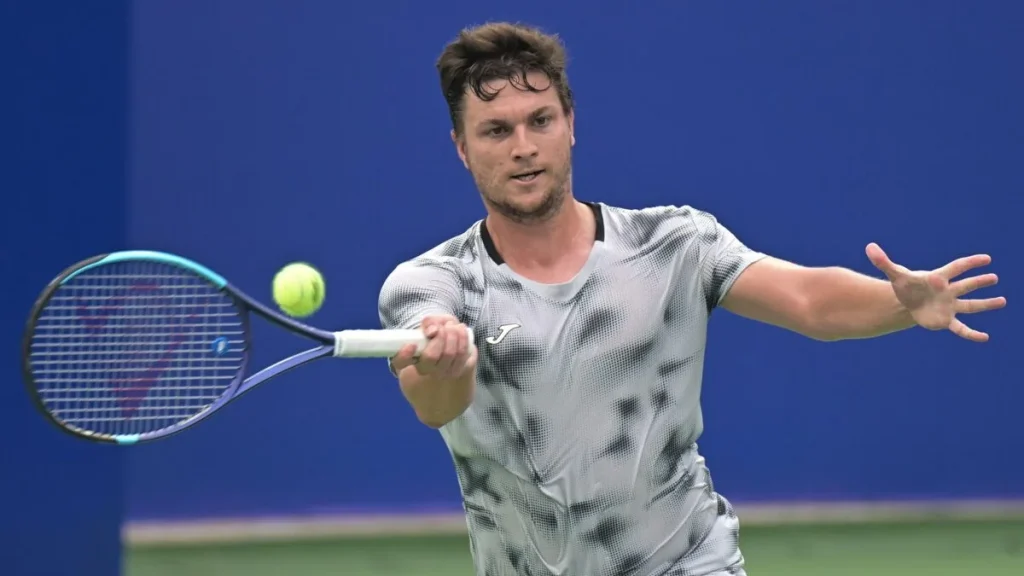
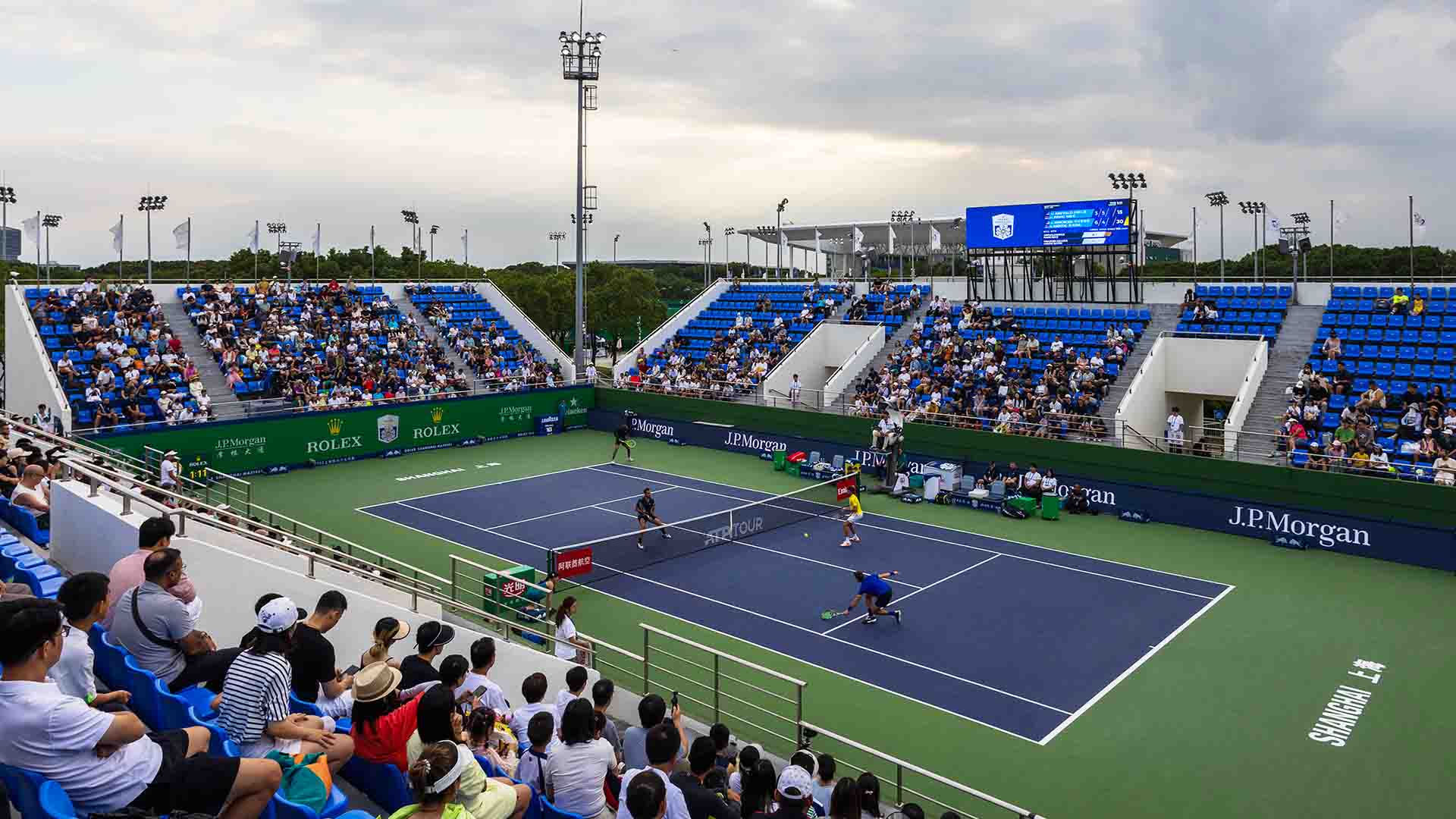
Rising tennis sensation Jakub Mensik took center stage at the Rolex Shanghai Masters as the premier hard-court spectacle unleashed electrifying drama across the global tour. Inside the packed stands of the Qizhong Forest Sports City Arena, fans witnessed a masterclass in modern tennis execution, prompting an immediate surge in international attention. The prestigious ATP Masters 1000 event has historically served as a proving ground for generational shifts, and the recent sequence of clashes in Shanghai proves that the emerging guard is no longer waiting politely in the wings.
As the tournament advanced into its critical third round, the convergence of seismic upsets and breathtaking individual shotmaking created a media tempest. With seeded stars tumbling and relentless baseline battles defining the schedule, tennis purists and casual fans alike turned their focus toward the eastern swing. The tournament environment in Shanghai has consistently rewarded aggressive ball strikers who embrace pressure, setting an ideal stage for an athlete whose developmental leap is currently rewriting the late-season narrative.
Shanghai Masters Turbulence and the Hard Court Spotlight
The Rolex Shanghai Masters represents one of the most demanding physical and tactical tests on the global calendar. Staged upon rapid outdoor hard courts, the conditions place an immense premium on first-strike tennis, footwork dexterity, and instant decision-making. As reported by Last Word On Sports, the Round of 32 schedule assembled an extraordinary roster of talent, drawing established contenders like Alex de Minaur alongside fearless emerging challengers hungry to establish their legacy at the Masters 1000 tier.
Unlike the European clay swings or early-season indoor circuits, Shanghai challenges players with brisk court speeds and demanding humidity shifts between afternoon heat and brisk evening conditions. Under these exact parameters, spectators watching Jakub Mensik produce an audacious piece of courtcraft realized that technical maturity has caught up with his towering physical gifts. Navigating these Asian swing courts requires more than raw power; it demands the poise to execute under the blinding glare of stadium lights against seasoned international tour veterans.
The Viral Moment of Magic That Stunned the Tennis World
Digital platforms erupted following Friday’s action when the official ATP Tour broadcast spotlighted an extraordinary display of improvisational brilliance under the banner of their coveted Hot Shot series. Positioned at the net during a lung-busting exchange, Mensik reacted with feline reflexes to intercept a dipping passing shot, carving a drop volley with such razor-sharp slice that the ball died instantly on the opposing side. The live crowd roared in disbelief, turning an otherwise routine preliminary stage into an unforgettable highlight reel that flooded social feeds across North America and Europe.
Live television broadcasts on TennisTV and Sky Sports beamed the sequence across international networks, sparking urgent commentary from analysts who recognized the technical complexity of the winner. Executing a touch volley from an off-balance lunge requires world-class wrist stability and exquisite kinetic awareness. That singular moment did not merely add a score point; it firmly established psychological control, signaling to the entire locker room that the young Czech possesses the improvisational flair needed to crack the sport’s highest echelons.
Four Critical Realities Shaping the Shanghai Masters Drama
The unfolding drama in Shanghai offers a detailed case study in how momentum shifts inside an elite Masters 1000 tournament. Several interconnected forces have accelerated this trend, turning the Round of 32 into must-watch theater.
The Intense Round of 32 Showdown Against Francisco Cerundolo
The tactical battle between contrasting styles reached peak intensity when the Round of 32 battle between Jakub Mensik and Francisco Cerundolo took center stage. Detailed in pre-match analysis by The Grandstand, the fixture paired Cerundolo’s trademark heavy topspin forehand against a flat, penetrating baseline assault. Cerundolo, an established Argentine stalwart known for punishing passive opponents, presented a formidable tactical obstacle designed to test patience over long, grinding rallies.
Rather than retreating into defensive patterns, observers evaluating Jakub Mensik note that his aggressive baseline posture systematically neutralized heavy topspin by taking groundstrokes on the rise. By robbing Cerundolo of setup time and dictating crosscourt exchanges, the clash exemplified the tactical evolution modern players must master to succeed on fast hard surfaces. The strategic duel highlighted not only raw hitting power, but also the nuanced ability to adapt rally tempo against deeply entrenched top-tier opposition.
The Shock Elimination of Ben Shelton Upending Draw Expectations
Adding tremendous volatility to the event, previous tournament projections crumbled when marquee talent fell by the wayside. According to reporting from the Associated Press via WAVY.com, reigning U.S. Open finalist Ben Shelton was knocked out of the Shanghai Masters in the third round, suffering a grueling 7-6 (5), 7-6 (3) defeat against an inspired 21-year-old French opponent. Shelton’s booming serve and high-energy persona had made him a prime title contender, making his abrupt exit a jarring wake-up call across the draw.
Shelton’s departure altered the bracket chemistry overnight, removing an explosive favorite and cracking the bottom half of the draw wide open. In a high-stakes bracket where heavy seeds suddenly disappear, opportunity expands rapidly for bold competitors. The psychological pressure intensifies across the player lounges, with Jakub Mensik capitalizing on the shifting tournament dynamic to prove that youthful fearlessness can outmaneuver institutional tour hierarchies when the pressure peaks.
The Elite Speed of Hard Courts Elevating Emerging Contenders
Fast outdoor hard courts consistently accelerate parity in modern professional tennis. At the Rolex Shanghai Masters, the court surface produces a skidding bounce that favors low-trajectory hitting, rewarding players who step inside the baseline over those who drop deep into defensive postures. Australian speedster Alex de Minaur demonstrated this principle vividly during his own early-round hard-court triumphs, showcasing how flat velocity blunts an opponent’s rhythm.
This dynamic mirrors high-stakes digital environments where unexpected mechanical shifts disrupt established strategies. In a manner reminiscent of unpredictable algorithmic simulations where AI Games Unleash Major Chaos Across 5 Critical Frontiers, modern ATP matches now pivot on microscopic margins where split-second reaction times override pre-match pedigree. Contenders willing to compress rally lengths find themselves holding a decisive tactical edge against opponents accustomed to longer physical exchanges.
The Global Broadcast Engine Amplifying Every Tactical Shift
The media distribution ecosystem surrounding the Asian swing has achieved unprecedented reach. Comprehensive multi-court coverage streamed via Sky Sports and ATP digital channels allows international audiences to track every tactical wrinkle in real time, driving immediate search interest in North American morning hours. When an unseeded or lower-seeded athlete strings together cinematic winners against established seeds, digital engagement metrics spike instantaneously.
Broadcasters have leaned heavily into hyper-analyzing court positioning, shot speed metrics, and point-by-point clutch ratings. This broadcast magnification transforms individual highlight shots into viral touchstones within minutes. As viewers dissect every strategic adjustment, the public profile of rising stars expands well beyond traditional tennis enclaves, turning a third-round masterclass into a trending cultural event across global sports networks.
The Broader Trajectory of Modern Mens Tennis Dynamics
The seismic performances unfolding across Shanghai emphasize an accelerating generational transition across the ATP Tour. The era of predictable dominance by a tiny cabal of veteran superstars has evolved into an unpredictable, cutthroat landscape where depth extends well beyond the top twenty. Today’s rising generation steps onto central show courts with total tactical conviction, completely unawed by higher rankings or past Grand Slam pedigree.
For emerging stars like Jakub Mensik, navigating the grueling Asian swing is a vital rite of passage that tests physical endurance, mental resolve, and scheduling stamina. The physical toll of back-to-back Masters 1000 events demands sophisticated recovery routines and unwavering focus amid grueling time zone changes. Winning matches in Shanghai requires conquering not just the player across the net, but also the atmospheric fatigue inherent to the late-season sprint.
As the tournament heads toward its climactic championship rounds, the lessons of this week resonate far beyond the hard courts of Shanghai. Fearless shotmaking, tactical maturity, and mental fortitude under pressure have decisively shifted the balance of power, ensuring that Jakub Mensik remains one of the most compelling figures to watch as the professional tennis season races toward its grand finale.