Stunt choreography mechanics and 4 proven rules that create breathtaking cinematic combat
Cinematic fight scenes look like uncontrolled physical mayhem, yet they are mathematically calibrated theatrical dances where millimeters protect performers from catastrophe. Discover the optical illusions, frame geometry, and biomechanical timing that transform staged strikes into breathtaking action.
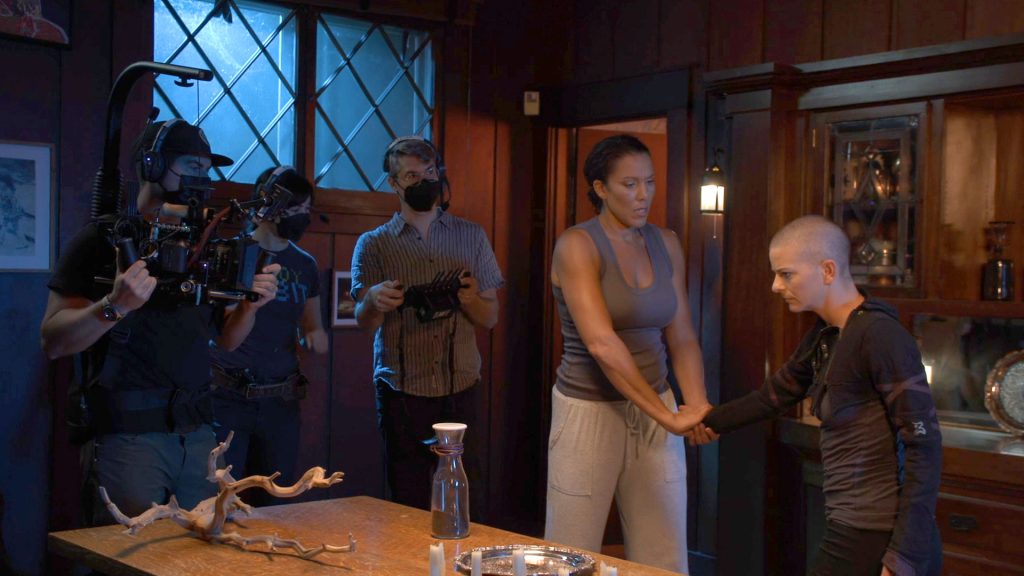
Mastering stunt choreography mechanics separates a hollow physical scuffle from a breathtaking cinematic sequence that leaves audiences gripping their armrests in genuine shock. When two performers clash on screen, viewers instinctively believe in the bone-crunching velocity of every strike, tackle, and fall. What looks like reckless mayhem is actually a hyper-calibrated theatrical dance where millimeters spell the difference between stunning visual realism and an emergency room visit.
Action filmmaking has spent over a century refining this dynamic deception. From silent-era pratfalls to modern tactical combat, the craft balances human safety against the illusion of catastrophic physical consequence. Achieving that balance demands far more than raw athleticism. It requires an intimate grasp of how camera optics compress physical space, how the human brain processes simulated peril, and how precise temporal rhythms transform safe posturing into visceral violence.
The Biomechanical Illusion of Staged Impact
Cinema is a two-dimensional medium portraying a three-dimensional world. Because the camera lens flattens depth, performers never need to make actual physical contact to convince the human eye of an impact. Staged strikes pass cleanly through empty air, slipping inches clear of an actor’s jaw or ribs. The actual secret to kinetic violence does not rest in the delivery of the strike, but rather in the biomechanical reaction of the person receiving it.
In stunt terminology, this reaction is called the sell. An unconvincing hit occurs when the striker exerts tremendous physical effort while the defender reacts half a beat too late or with insufficient whiplash. Real-world human bodies absorb force through sudden deformation and violent recoil. If an actor takes a simulated cross to the left cheek, their cervical spine must snap backward before their torso pivots into the slipstream. The striker decelerates their fist immediately after crossing the camera plane, pulling the blow to prevent injury, while the recipient violently accelerates their head in the direction of the imagined momentum. Through rigorous rehearsal of stunt choreography mechanics, this reciprocal exchange becomes an unbroken optical trick, trading actual physical harm for perfectly synchronized deceleration and recoil.
Geometry of the Frame and Spatial Continuity
A thrilling physical altercation collapses into unintelligible visual noise the moment a director neglects spatial geometry. The camera lens does not act as a neutral bystander; it is an active participant that dictates line of sight, blind spots, and kinetic weight. Stunt coordinators structure every scuffle around the optical axis of the lens, positioning performers so the physical gap between fist and face is hidden behind the defender’s own shoulder, hair, or turning head.
This optical occlusion requires strict adherence to the 180-degree rule. If two combatants trade blows along an imaginary horizontal axis running through the set, crossing that axis without establishing camera movement turns screen direction upside down. A punch thrown from screen left to screen right must land on an opponent recoiling toward screen right. When an amateur production breaks this line, strikes appear to land backward into empty space, instantly shattering the illusion. Professional stunt teams map out every coordinate on the set floor, treating camera focal lengths as precision tools. A long telephoto lens compresses depth dramatically, making a gap of eight inches look like a devastating impact. A wide lens exaggerates speed and distance, demanding closer proximities and frantic physical precision. Deep structural knowledge of stunt choreography mechanics ensures that every spatial calculation amplifies danger while preserving absolute physical safety.
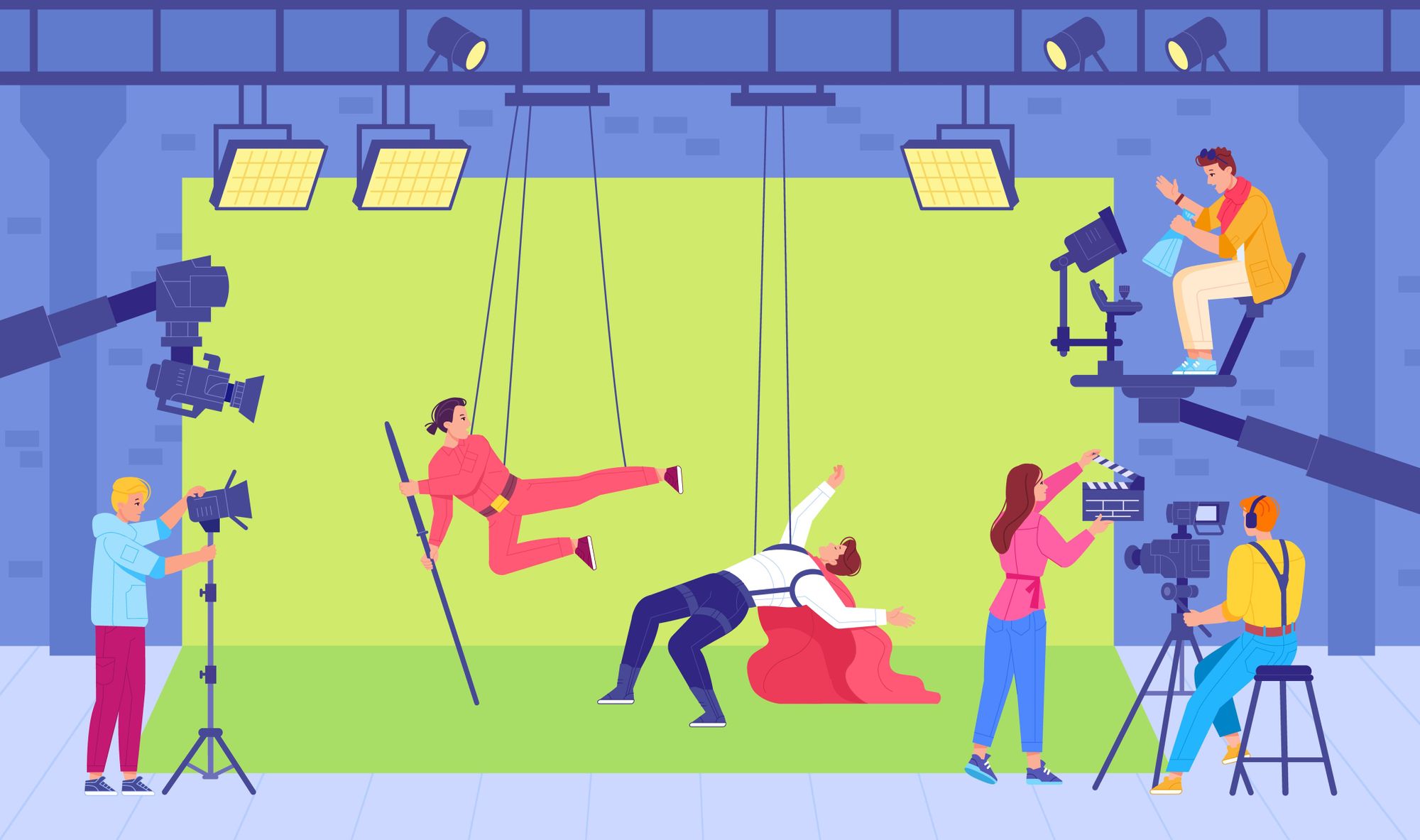
Four Essential Rules Behind Legendary Action Sequences
Transforming physical chaos into cinematic gold requires strict discipline. Legendary choreographers and veteran coordinators rely on specific foundational principles to construct fights that feel perilous, dynamic, and narratively indispensable.
Rule 1 Master the Timing Gap and the Art of the Sell
The brain registers visual stimuli with astonishing speed, yet it relies on cognitive shortcuts to fill in microsecond gaps. When a fist moves toward a face at high velocity, the human visual cortex expects contact. Choreographers exploit this optical expectation by synchronizing the strike’s apex with an explosive auditory snap and an instantaneous physical snapback from the victim.
If the receiver moves even two frames before the strike reaches its zenith, the audience instantly perceives the deceit. Conversely, if the recipient delays, the blow looks sluggish and fake. True mastery over stunt choreography mechanics relies on an instinctive musical rhythm. The striker swings with total commitment to form, deliberately missing the target along an agreed trajectory. The recipient initiates the whiplash precisely when the fist crosses their defensive peripheral line. This delicate micro-timing turns an intentional miss into a visceral strike that registers as genuine violence in the viewer’s subconscious.
Rule 2 Anchor Dynamic Rhythms and Variable Velocity
Monotonous speed kills cinematic tension. An action sequence where combatants trade rapid blows at a single relentless pace quickly numbs the audience. Human combat is characterized by erratic fluctuations: hesitant posturing, explosive bursts of kinetic energy, desperate grappling, and brief moments of breathless stillness.
Choreographers pace a fight sequence like an orchestral movement. They introduce sharp accelerations where an actor suddenly alters their speed to overwhelm an opponent. When an actor charges an adversary across a set, their forward trajectory mirrors the physical fundamentals detailed in Sprint acceleration mechanics and 4 proven laws that generate explosive speed, where low body angles and rapid ground reaction forces generate unstoppable forward momentum. In cinematic combat, this sudden change of pace shocks the eye. By interspersing sudden sprints with rhythmic pauses, the sequence allows audiences to reset their cognitive expectations before being hit with another thunderous burst of movement.
Rule 3 Exploit Camera Parallax and Spatial Occlusion
No punch looks convincing from every angle. If three cameras shoot a brawl simultaneously, at least one will inevitably expose the protective cushion of air separating the actors. This reality is why the most celebrated fight scenes in film history are constructed around deliberate single-camera perspectives rather than broad, unfocused coverage.
Spatial occlusion means deliberately hiding the point of contact behind a foreground object or the receiver’s body. If an actor throws a devastating right hook, the camera must be placed behind the defender’s left shoulder. As the punch drives through the frame, the defender’s head turns away from the blow, completely blocking the audience from seeing the empty space between fist and jaw. Combining this positioning with parallax movement—drifting the camera slightly as the strike lands—blurs the physical boundary between performer and empty space. Action directors who understand stunt choreography mechanics refuse to treat camera placement as an afterthought; they design each movement exclusively for the single angle that optimizes the illusion.
Rule 4 Design Physical Consequences into Narrative Beats
Spectacle without stakes generates boredom. When characters absorb dozens of direct hits to the head without exhibiting fatigue, disfigurement, or cognitive degradation, combat loses its dramatic weight. The greatest action directors treat every physical exchange as a dialogue scene written with fists, where each blow alters the power balance between characters.
A character who takes a hard kick to the ribs must carry that injury forward into subsequent choreography. Their breathing should turn ragged; their stance must favor the uninjured side; their defensive reactions should slow down. Environmental interactions deepen this consequence. Walls chip, furniture splinters, and clothing tears. Grounding physical exchanges in concrete narrative progression prevents the action from degrading into repetitive acrobatic displays. When the audience sees a protagonist genuinely struggling to remain upright, every subsequent dodge and strike carries immense emotional jeopardy.
The Unforgiving Psychology of Audience Perception
Human empathy is anchored in mirror neurons. When we watch someone trip, smash their elbow against a table, or tumble down a staircase, specialized neural networks in our own prefrontal and parietal cortices fire as if we were experiencing that impact firsthand. Action cinema manipulates this neurological feedback loop with ruthless precision.
However, mirror neurons are exquisitely sensitive to authenticity. If a performer tenses up prematurely or extends their arms stiffly to break their momentum, the audience immediately registers the protective reflex. Professional stunt performers train for years to overwrite natural self-preservation reflexes. They learn to tuck, roll, and disperse kinetic energy across broad muscular surfaces like the lats and shoulders while maintaining the visual appearance of utter helplessness. Incorporating sophisticated stunt choreography mechanics allows stunt coordinators to choreograph falls that look catastrophically dangerous while ensuring the performer’s body safely sheds hundreds of foot-pounds of kinetic energy into hidden foam pads and forgiving set dressing.
Elevating Practical Action into Enduring Art
The enduring appeal of practical stunt work lies in its raw, tangible humanity. While computer-generated imagery can fabricate impossible superhero spectacles, digital avatars cannot evoke the visceral gasp of an actual human body launching over a stairwell railing or narrowly evading a spinning side kick. Audiences possess an innate, instinctual understanding of earthly gravity and mass, which no rendering engine has fully replicated.
As documented in cinematographic staging principles archived by the American Society of Cinematographers, the legendary masters of action filmmaking have always prioritized the interplay between physical performer and photographic lens over synthetic digital shortcuts. Mastering practical stunt choreography mechanics requires relentless physical conditioning, mathematical spatial planning, and deep psychological empathy. When executed with uncompromising precision, a choreographed fight ceases to be mere entertainment. It transforms into an electrifying showcase of human capability, turning kinetic friction and the illusion of peril into pure cinematic poetry.