Stop Motion Animation Mechanics Reveal 4 Proven Secrets Behind Mesmerizing Cinema
Behind every second of tactile cinematic wonder lies a rigorous physical battle against gravity, scale, and material fatigue. Discover the hidden mechanics that transform static miniature armatures into living, breathing screen performances.
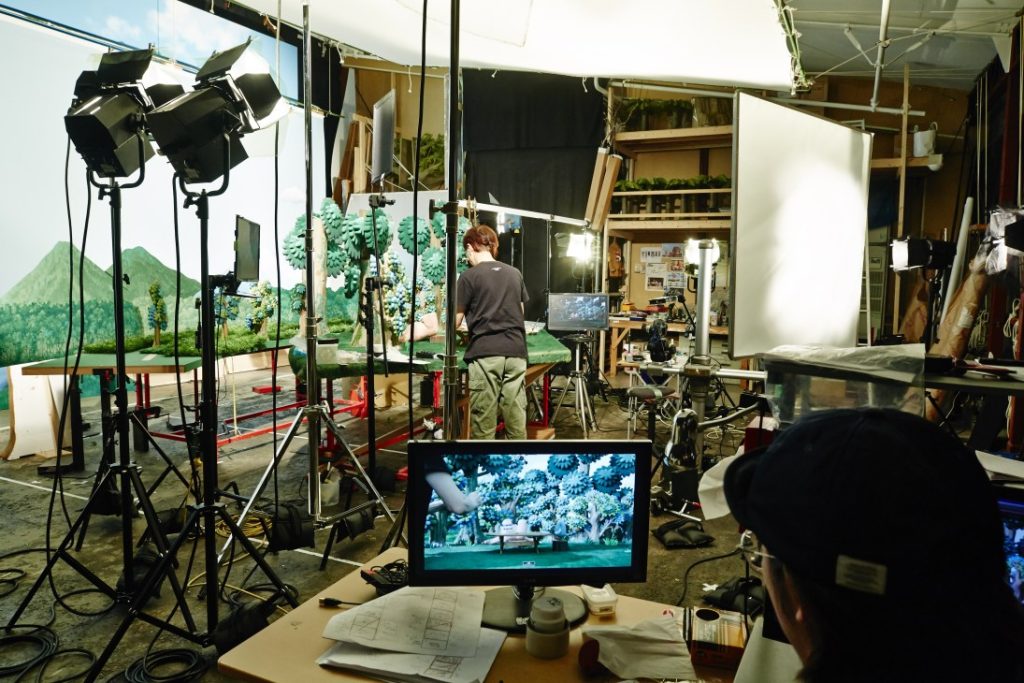
Mastering stop motion animation mechanics demands an obsessive battle against entropy, gravity, and the microscopic twitch of human fingertips. While digital artists manipulate mathematical vectors on a glowing monitor, a stop-motion animator stands on a concrete floor in total darkness, leaning over a miniature soundstage with a pair of calipers and an Allen key. Every single gesture captured on screen is an incremental physical sculpture, created frame by individual frame, twenty-four times for every passing second of screen time.
When an audience watches an articulated puppet cross a miniature tavern or turn its gaze toward an alien horizon, the subconscious mind registers something fundamentally rare. There is no software approximation simulating the bounce of light or the gravitational drag of velvet cloth. The human eye identifies genuine physical mass interacting with real photons in three dimensions, triggering a visceral sensation of wonder that pristine digital simulations rarely invoke.
Studying traditional stop motion animation mechanics offers a masterclass in how human patience translates into cinematic wonder. The medium is defined not merely by eccentric artistic whimsy, but by precise mechanical engineering, rigid stage discipline, and an intimate understanding of perceptual psychology.
Why Digital Pixels Fail to Replicate Miniature Weight
Computer-generated imagery relies on rendering engines that approximate light transport, collision geometry, and volumetric atmosphere. Despite breathtaking technological leaps, digital characters frequently exhibit an ethereal floatiness that betrays their algorithmic origin. The human perceptual apparatus evolved over millennia to decipher natural physics, spotting even fractional discrepancies in mass displacement, kinetic momentum, and tactile resistance.
Understanding foundational stop motion animation mechanics reveals why audience brains register puppets as genuinely occupying three-dimensional space. A puppet built from ball-and-socket steel joints, cast foam latex, and hand-stitched worsted wool possesses literal weight. When that puppet steps forward, its rear heel must exert mechanical force against a perforated steel stage floor to keep its torso from tipping forward. That physical resistance is captured directly by the camera lens.
Furthermore, real-world optics introduce natural imperfections that computer algorithms often smooth away. Shallow depth of field on miniature sets produces creamy, distinctive bokeh, while ambient dust motes and micro-textures on silicone skin scatter light in ways that defy mathematical shortcuts. The medium forces filmmakers to accept the tangible world as an active collaborator, turning material limitations into unforgettable cinematic poetry.
Four Proven Mechanics That Give Puppet Life Uncanny Resonance
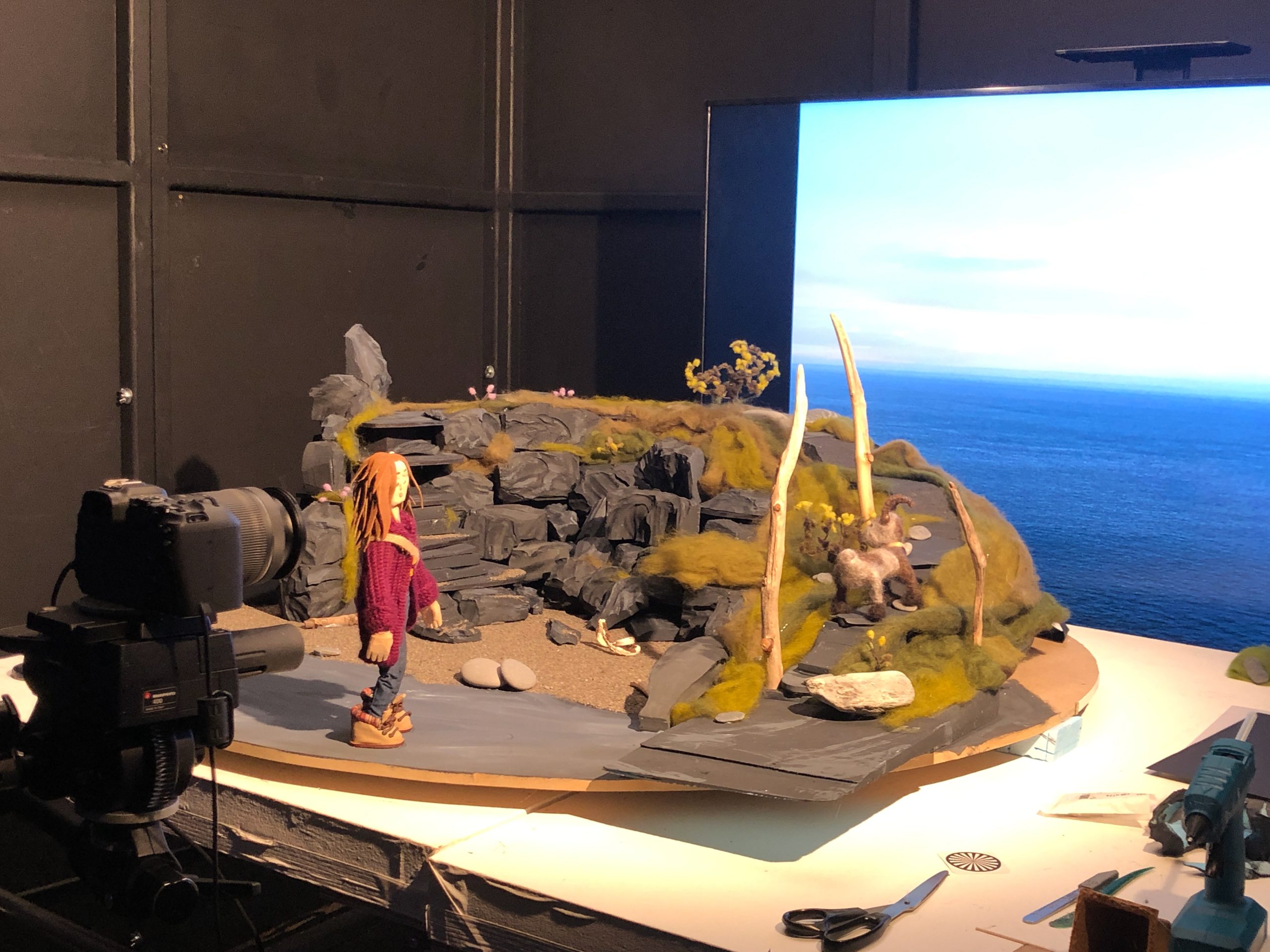
Transforming inanimate armatures into expressive characters requires a profound mastery of physical engineering and visual timing. Veteran animators rely on foundational mechanical principles that govern how miniature figures move, hold tension, and register authentic emotion.
Armature Tension and Kinetic Weight Distribution
Beneath the silicone skin and tailored costumes of any professional stop-motion character sits an intricate skeleton crafted from aircraft-grade aluminum, stainless steel, and Delrin plastic. These armatures utilize ball-and-socket joints secured by precision tension plates. If a joint is set too loose, the limb droops under its own mass during a long exposure, ruining hours of work. If it is tightened too aggressively, the animator cannot make the sub-millimeter micro-adjustments necessary to convey soft breathing or delicate emotional hesitations.
Weight distribution governs every movement. To convey realistic mass, an animator must calculate the puppet center of gravity with mathematical rigor. When a character prepares to sprint, the preparatory anticipation requires compression along the spine, an outward tilt of the pelvis, and counterbalanced torque in the shoulders. The puppet is anchored to the stage deck using threaded tie-down rods drilled up through the floor into the soles of the miniature feet. Animators systematically screw and unscrew these tie-downs with each stride, ensuring the puppet transfers real mechanical kinetic energy across the set.
The Deliberate Geometry of Shooting on Twos
Cinema runs at twenty-four frames per second, but animators rarely adjust a puppet twenty-four separate times for every second of action. Instead, they alternate strategically between shooting on ones, where each position is captured for a single frame, and shooting on twos, where each physical increment is held across two consecutive frames, yielding twelve distinct movements per second.
This temporal rhythm sits at the core of stop motion animation mechanics, balancing hyper-fluidity with expressive stylization. Fast, violent physical actions such as an explosion, a sudden fall, or an arrow slicing through the air are captured on ones to eliminate harsh temporal strobing. Subtle dialogue scenes, gentle strolls, and introspective character moments are deliberately staged on twos. Holding a frame for two exposures introduces a microscopic tactile stutter that reminds the viewer brain of the medium handmade origin, lending characters an endearing, otherworldly presence that hyper-smooth frame rates often obliterate.
Replacement Splines and Facial Geometry Continuity
Conveying authentic dialogue and nuanced psychological shifts through miniature puppets historically posed a massive hurdle for physical animators. Modeling clay melts under the blistering heat of stage lamps, while flexible silicone faces often snap back into resting neutrality rather than holding subtle expressive scowls or quizzical eyebrow arches. Contemporary studios solved this structural bottleneck through high-precision replacement systems.
Instead of manually manipulating a single pliable head, animators utilize thousands of sequentially printed facial plates held in place by tiny neodymium magnets. The upper and lower halves of the face are divided horizontally across the bridge of the nose, allowing hundreds of thousands of expressive permutations. Each replacement piece represents a distinct linguistic phoneme or emotional micro-beat. The animator must manage facial geometry continuity across grueling weeks of production, cross-referencing digital frame-grab software to verify that skin creases, jaw lines, and ocular focal points track smoothly across the cut without producing disorienting geometric pops.
Physical Lighting Scale and Synthetic Motion Blur
One of the greatest historical drawbacks of static stop-motion photography was the total absence of motion blur. In standard live-action cinematography, an actor hand moving rapidly across the frame produces a soft, natural blur during the shutter open duration. Because traditional animation involves photographing a completely stationary puppet twenty-four times, fast movements originally printed with razor-sharp edges, creating a distracting, strobing visual cadence.
Pioneering filmmakers revolutionized stop motion animation mechanics by introducing synchronized camera rigs that dragged puppets during exposure. Known historically as go-motion, this technique utilized motorized rods driven by computerized stepper motors that nudged the puppet joint precisely while the camera shutter was open, creating real optical blur on the physical film negative. Modern productions frequently achieve a complementary balance by combining precise mechanical stepper tracks with localized, high-resolution post-production motion estimation, yielding fluid movement while preserving the tactile soul of the physical object.
Navigating Environmental Drift and Stage Chaos
Working on a miniature stage exposes the creative process to environmental variables that digital animators never contemplate. Tungsten and HMI lighting fixtures generate immense heat, causing steel armatures to physically expand by fractions of a millimeter over twelve-hour shooting days. That microscopic thermal expansion is enough to register on high-resolution camera sensors as erratic spatial drift, making an otherwise stationary puppet appear to shudder or float.
Stage air conditioning systems must maintain rigid temperature and humidity setpoints twenty-four hours a day. Animators wear cotton gloves to prevent skin oils from degrading fragile silicone paint jobs, and stage floors are constructed from heavy structural steel beams anchored directly to concrete foundations to prevent floor vibration from passing trucks outside. When physical elements unexpectedly slip mid-shot, animators face high-stakes creative triage—a dynamic not unlike how sports franchises recalibrate overnight when tectonic shifts occur, much like how the Lakers navigate 4 major shocks as Luka Doncic triggers brutal new reality across an evolving tactical landscape.
Precision climate control and rigid stage anchors are just as critical to stop motion animation mechanics as the sculptor’s artistic intuition. Without absolute mechanical stability on set, weeks of intricate performance can be ruined by an imperceptible settling of the miniature landscape or a microscopic shift in the armature ball joints.
The Enduring Alchemy of Handmade Cinematic Realism
In an entertainment landscape saturated with synthetic imagery, algorithmically driven visuals, and hyper-polished digital environments, stop-motion animation feels radical precisely because of its human friction. Every frame preserves the physical labor of a master craftsperson who crawled beneath a wooden platform, reached up with an Allen wrench, and physically breathed soul into wire, silicone, and cloth.
By grounding every frame in tangible physics, stop motion animation mechanics preserve a profound human heartbeat that synthetic computation cannot manufacture. The medium endures not because it is the most efficient or cost-effective method of moving images across a canvas, but because it refuses to fake the physical reality of the world. It is cinema built with calloused thumbs, cold metal, and astonishing, stubborn human grace.
For further historical context on the pioneers who laid these foundations, review the British Film Institute overview on historical animation craft to see how early practical experiments paved the way for modern cinematic marvels.