NFL Overtime Rules Face 3 Major Strategic Flaws After Back-To-Back Primetime Thrillers
Consecutive primetime overtime thrillers have exposed the razor-thin margins of modern football. Here is how teams are actively hacking the league’s extra-time rulebook to secure survival.

Scrutiny surrounding the NFL overtime rules reached a fever pitch this week after back-to-back primetime games exposed the fine line between tactical genius and sudden heartbreak. When sixty minutes of grueling football fail to separate two elite rosters, the game shifts from a balanced athletic marathon into a hyper-compressed game theory experiment. Fans across the globe watched in disbelief as consecutive national broadcasts pushed the boundaries of clock management, team endurance, and structural fairness.
As reported by USA Today, the Los Angeles Rams and Buffalo Bills collided on Monday Night Football in what was widely billed as a potential Super Bowl 61 preview. Instead of an explosive offensive shootout, the showdown devolved into an attritional defensive struggle that ultimately demanded an extra session to decide. That cardiac finish arrived less than twenty-four hours after Heavy.com and USA Today tracked the Atlanta Falcons and Baltimore Ravens battling through their own deadlocked Sunday Night Football contest, marking the second time during the 2026 campaign that Sunday’s premier broadcast went beyond regulation.
When looking at the modern NFL overtime rules, the margin between aggressive execution and catastrophic game management has never been slimmer. Decades of revisions have attempted to eliminate the arbitrary randomness of a coin flip, yet modern coordinators are discovering entirely new ways to exploit the rulebook’s gray areas. The result is a tactical chess match that tests every tenet of roster conditioning, defensive fatigue, and situational awareness.
The Primetime Crucible From Baltimore to Buffalo
The convergence of two primetime overtimes in a single forty-eight-hour window placed an unforgiving spotlight on how coaches react under extreme duress. On Sunday night, the Ravens found themselves pushed to the absolute brink by a resilient Atlanta squad. With momentum swinging erratically across four quarters, the extra period ceased to be about standard play-calling. It became a pure test of leverage, discipline, and possession conservation.
Yahoo Sports highlighted how the Baltimore Ravens strategically broke conventional paradigms to hack the overtime framework and snatch victory from the Falcons. Rather than following standard risk-averse formulas, Baltimore leveraged the unique time incentives created by regular season constraints. They forced Atlanta into disadvantageous clock scenarios where every incomplete pass carried disproportionate downside.
By the time Monday night arrived, the football world witnessed an entirely different tactical dynamic. The Rams and Bills, exhausted after a punishing defensive grind, entered extra time with both defensive units operating on sheer adrenaline. In low-scoring affairs, the opening possession of an overtime period carries astronomical psychological weight. A single blown coverage or missed blocking assignment can erase three hours of hard-fought defensive supremacy in seconds.
3 Crucial Mechanics That Define the Regular Season Clock
Understanding the codified NFL overtime rules requires recognizing the delicate compromise between television windows, athlete player safety, and competitive balance. While fans often crave uninterrupted football until a decisive score emerges, regular season logistics impose strict limitations that dictate sideline decision-making.
The Ten-Minute Window and Sudden Death Thresholds
Unlike the traditional fifteen-minute quarters of standard regulation, the regular season extra frame is strictly capped at ten minutes. This compressed window fundamentally alters play selection. A deliberate, ball-control drive that consumes six or seven minutes leaves the opposing sideline with virtually zero margin for error. If the opening team fails to score a touchdown but successfully converts a field goal, the trailing side inherits a running game clock with little time to establish balance.
Sudden death mechanics still lurk beneath the surface. If the initial receiving team turns the ball over or punts, the game immediately reverts to true sudden death, where any field goal or safety terminates the contest instantly. This dual-phase structure forces offensive coordinators to balance early aggression against the ruinous cost of giving up field position.
The Asymmetrical Touchdown Advantage on Opening Possessions
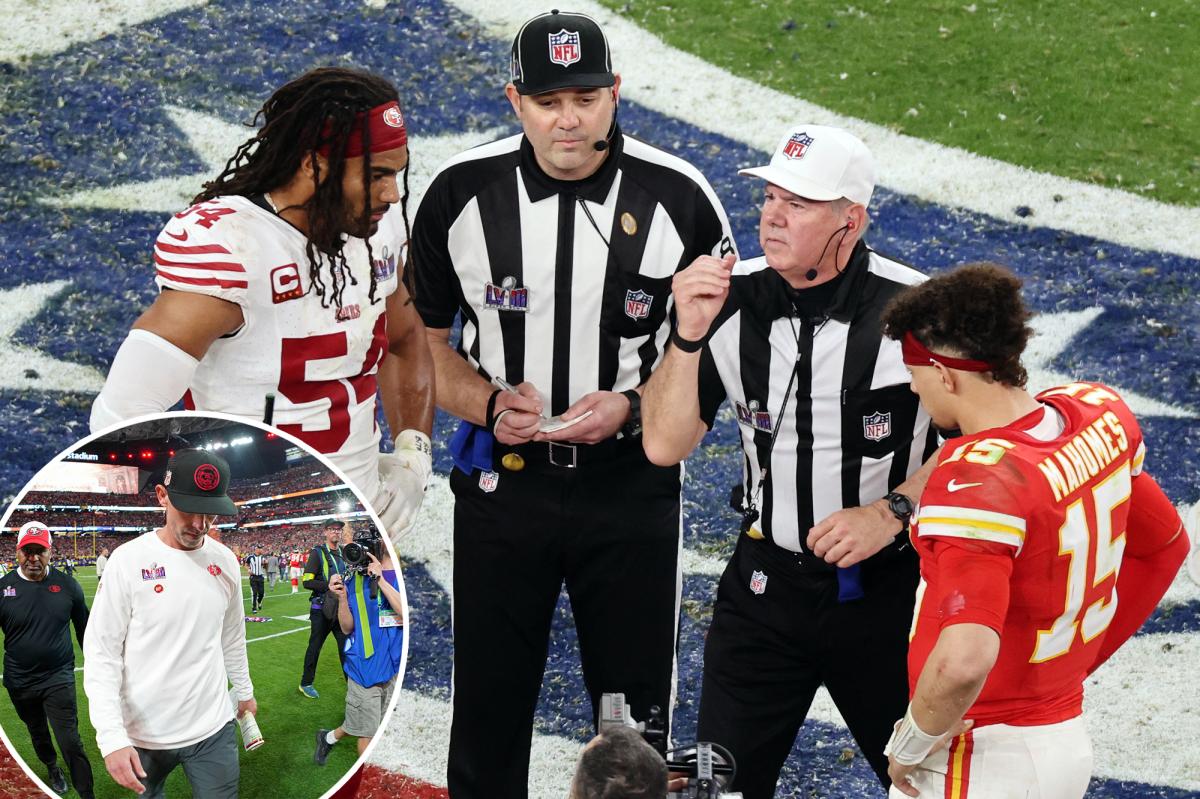
Under baseline NFL overtime rules, an opening-drive field goal fundamentally shifts the win probability chart, but an opening touchdown ends the game on the spot. This golden-goal caveat on touchdowns remains the primary criticism leveled by statistical purists. A team that wins the opening coin toss and successfully drives the length of the field for six points denies the opposing quarterback any opportunity to answer.
Much like how financial risk managers look at Bond duration mechanics and 4 proven rules that prevent devastating portfolio losses to calculate asymmetric downside, an NFL head coach facing overtime must calculate possession duration down to the fraction of a second. Settling for three points is an invitation to disaster if the opponent counters with an all-or-nothing touchdown drive. Consequently, fourth-down decision models become radically aggressive deep in opponent territory during the opening possession.
The Reality of Unresolved Deadlocks and Regular Season Ties
Diario AS detailed the structural math governing regular season deadlocks, clarifying how a shortened ten-minute clock makes ties an inevitable byproduct of defensive parity. If both teams exchange field goals, or if neither offense manages to score before the ten-minute countdown hits triple zeroes, the game concludes as a draw. No additional periods are granted during the regular season calendar.
This looming tiebreaker scenario introduces a bizarre psychological dilemma in the final two minutes of overtime. A head coach facing a third-and-long from their own twenty-yard line must decide whether to attempt a volatile downfield pass or run a conservative draw to secure a tie. In the context of division races and wildcard tiebreakers, half a win is infinitely more valuable than an outright loss generated by an interception.
How Baltimore Mastered the Possession Matrix Against Atlanta
The Baltimore Ravens’ triumph over the Atlanta Falcons served as a masterclass in situational exploitation. Yahoo Sports noted that Baltimore recognized the psychological trap that often paralyzes teams in extra periods. Most coaching staffs default to conservative field-position battles, hoping their defense will force a punt and grant them short field access.
Baltimore flipped that dynamic on its head. By manipulating tempo and aggressively targeting boundary routes, the Ravens dictated terms to an Atlanta defense that had expended its energy chasing ball carriers across sixty minutes. The Ravens proved that navigating the NFL overtime rules is less about brute force and more about timing the market of remaining downs. They treated every snap as a high-leverage transaction, ensuring that even if their opening push stalled, Atlanta would inherit possession pinned deep against their own goal line with dwindling clock reserves.
This calculated aggression caught Atlanta off balance. When an offense moves with intentional urgency, the defensive unit cannot rotate personnel packages effectively. Fatigue sets in, communication fractures, and the statistical likelihood of a drive-extending penalty skyrockets. Baltimore did not just beat Atlanta with execution; they dismantled them by weaponizing the rulebook’s inherent temporal constraints.
Why Postseason Play Demands an Entirely Different Playbook
The stark contrast between playoff protocols and regular season NFL overtime rules remains one of the most debated fault lines in professional sports. While regular season games must balance player safety across a grueling seventeen-game schedule, postseason matchups mandate an absolute victor. There are no ties in January or February.
In the playoffs, both teams are guaranteed at least one possession, regardless of whether the team with the ball first scores a touchdown. If the score remains tied after both squads have possessed the football, the contest transitions into true sudden death. Furthermore, playoff overtimes utilize full fifteen-minute periods, continuing indefinitely until a score breaks the deadlock.
This divergence creates two entirely different sports. A defensive coordinator preparing for regular season overtime knows that ten minutes of containment will at worst yield a tie. That same coordinator in a postseason setting must prepare for multiple extra periods where depth charts are depleted and conditioning is tested to historic extremes. The postseason framework undeniably offers greater competitive equity, but implementing those identical rules across the grueling grind of September and October would trigger immense pushback from the NFL Players Association regarding long-term health preservation.
The Tactical Future of Sudden Death Football
The dramatic outcomes from the Ravens-Falcons and Rams-Bills matchups ensure that league committees will face renewed debates at upcoming ownership meetings. The tension between broadcast schedules, player welfare, and competitive integrity is impossible to resolve cleanly. Every alteration to the overtime format simply creates a fresh set of tactical paradoxes for coaches to solve.
As front offices continue to run simulated models against the current NFL overtime rules, expect more coaches to abandon conventional wisdom entirely. The data increasingly favors calculated aggression, whether that means going for two points to win in regulation or treating every overtime fourth down as an automatic green light. In an era defined by explosive offensive output and hyper-specialized analytics, the sidelines that master the structural nuances of the extra frame will continue to walk away with victories, while those reliant on outdated conservative paradigms will watch their seasons slip away on the toss of a coin.