Midterm Elections Reveal 5 Critical Warning Signs Threatening Republican Defeat
Just two weeks before the vote, Republicans enter emergency triage mode as sour national sentiment roils congressional races. Here is why battleground shifts and defensive rallies are reshaping the entire landscape.
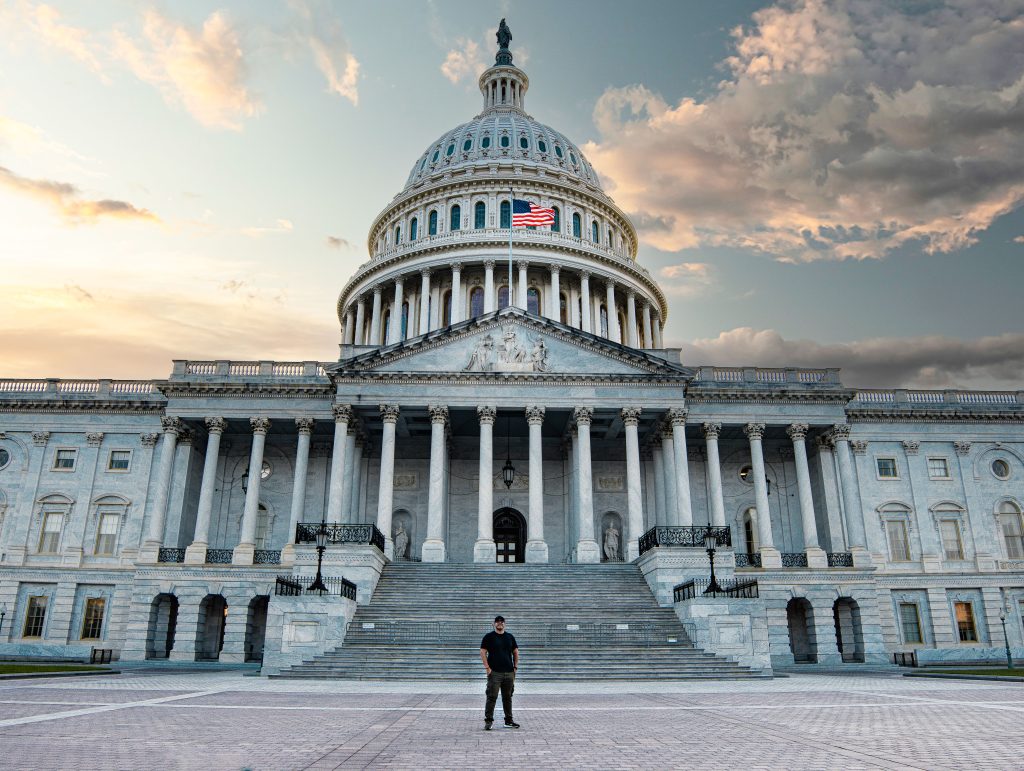
As the decisive midterm elections approach with just two weeks remaining, political strategists on Capitol Hill are confronting an increasingly hostile electoral climate. National polling averages continue to track a steady decline in presidential approval numbers, while Democratic margins on the generic congressional ballot have expanded. This divergence has triggered intense debate across Washington over whether the country is marching toward a decisive wave election capable of completely overturning congressional majorities.
According to analysis reported by Yahoo News, the closing days of the campaign cycle are presenting the governing party with a narrowing path to victory. When executive approval weakens in the final stretch, the downstream damage often ripples into districts previously considered untouchable. Rather than expanding their map into contested swing territory, campaign leadership finds itself forced into defensive maneuvers to prevent wholesale institutional collapse across both legislative chambers.
The Triage Map and Generic Ballot Shifts Reshaping Capitol Hill
The final fortnight of a campaign cycle invariably separates strategic ambition from statistical reality. As reported by The New York Times, the impending midterm elections have plunged party strategists into triage season. National party committees and major independent expenditure super PACs have begun making cold, mathematical calculations about which embattled incumbents can realistically be saved and which vulnerable seats must be cut loose to conserve remaining capital.
The national climate has grown increasingly sour for conservative candidates facing relentless headwind dynamics. The generic ballot advantage held by Democrats has broadened past historical statistical noise, climbing to margins that traditionally suggest significant legislative seat turnover. In districts drawn to protect standard conservative majorities, incumbent lawmakers are finding their standard campaign playbooks insufficient against an energized opposition electorate determined to deliver a rebuke to the status quo.
Triage decisions represent the ultimate admission of strategic distress. When party officials pull advertising reserves out of second-tier battlegrounds to defend seats that should be structurally unassailable, the entire tactical board contracts. Incumbents who expected multi-million dollar television air support are suddenly informed that their races are no longer commercially viable, leaving individual campaigns isolated as national organizations retreat to high-density defensive perimeters.
Battleground Fractures from the Plains to the Rust Belt
The clearest symptoms of a turbulent political environment appear far from traditional purple swing districts. Rallying in ruby-red Kansas ahead of the midterm elections, Donald Trump acknowledged the unexpected vulnerability facing the party base. Appearing before conservative crowds to bolster Senator Roger Marshall, the former president openly contemplated the once unthinkable prospect of a Democratic win in the state, where challenger Adam Hamilton has mounted an unexpectedly fierce, well-funded campaign.
Kansas has historically served as an anchor of heartland conservatism, making the defensive rally a striking barometer of national anxiety. When top-tier party figures must invest scarce campaign hours and logistical resources defending deep Plains territory, it signals profound erosion beneath structural baselines. Hamilton’s surging momentum against Marshall demonstrates that local voters are weighing macro-level dissatisfaction heavily against traditional partisan loyalty.
Meanwhile, fresh data from the industrial Rust Belt reinforces the scope of these regional fractures. The latest survey published by the Marist Poll on October 20 paints an ominous portrait for conservative prospects in Ohio. Long considered to have trended reliably conservative in recent cycles, Ohio is flashing bright warning signals across multiple key statewide contests that could upend regional dominance.
According to the Marist Poll findings, veteran Democratic Senator Sherrod Brown has opened a 4-point lead over Republican challenger Jon Husted in their high-stakes Senate contest. Simultaneously, the gubernatorial matchup reveals an even wider split, with Democrat Amy Acton surging to a 7-point lead over her opponent. These margins indicate that Midwestern voters are expressing profound skepticism toward incumbent governance, threatening to dismantle years of conservative structural gains across the region.
Five Critical Factors Defining the Final Campaign Fortnight
The convergence of shifting polling metrics, defensive asset reallocation, and escalated campaign rhetoric points toward a chaotic finish. Five primary dynamics have emerged as decisive catalysts driving the volatile closing phase of this cycle.
Deteriorating Executive Approval Numbers Across the National Map
Historical precedents across past midterm elections demonstrate that underwater approval numbers serve as an electoral anchor on down-ballot nominees. The steady erosion in presidential popularity documented by Yahoo News has steadily depressed baseline support among independents. In suburban districts where moderate swing voters decide outcomes, candidates aligned with the administration are struggling to generate crossover appeal, turning races that should have been low-profile coronations into white-knuckle dogfights.
Red Wall Defense Inside Kansas and Republican Strongholds
The necessity of deploying top-tier surrogates into ruby-red territory highlights catastrophic structural vulnerability. The Guardian reported that Trump’s direct intervention in Kansas was organized precisely because internal telemetry warned that Senator Roger Marshall faced an existential challenge from Democrat Adam Hamilton. When a party spends the final two weeks of an election cycle defending Kansas rather than targeting vulnerable opposing seats, the entire national offensive apparatus grinds to an abrupt halt.
Escalating Rhetoric Warning Against Civil Unrest and Chaos
As national polling margins tighten or deteriorate, campaign messaging often pivots from policy defense to existential catastrophe. As CNN reported, Trump warned supporters during a high-decibel campaign push for the midterm elections that unrest abroad, specifically citing riots and looting in France, foreshadowed what could happen within the United States if Democrats capture legislative control. This sharp escalation in apocalyptic rhetoric represents a deliberate calculated gamble to galvanize an anxious base through fear of systemic institutional collapse.
Shifting Rust Belt Dynamics Illustrated by Ohio Polling
The statistical findings from the Marist Poll in Ohio reveal a geographic realignment that threatens the party’s path to a Senate majority. Sherrod Brown maintaining a 4-point advantage over Jon Husted in an increasingly conservative-leaning state demonstrates exceptional resilience among industrial working-class voting blocs. Combined with Amy Acton holding a 7-point gubernatorial cushion, Ohio is behaving less like a safe red sanctuary and more like a volatile swing battleground that drains defensive capital away from other critical states.
Financial Emergency and Defensive Resource Allocation
The fiscal disparity created by surging small-dollar donations on one side and defensive spending on the other has triggered emergency measures. National committees are currently forced to execute painful triage, shuttering field offices in speculative targets and canceling planned television flights. Managing these financial pressures demands cold precision; just as high-profile performers face intense, career-defining heat when resources and expectations collide—echoing how Odafe Oweh Faces 5 Critical Realities Under Washington Heavy Hundred Million Dollar Scrutiny under the glare of national competition—campaign strategists now navigate unforgiving balance sheets where one misstep collapses an entire defense.
Strategic Calculations Behind Donald Trump Defensive Blitz
The tactical decisions governing the final days of a nationwide campaign reveal where party leadership genuinely believes the danger lies. When high-profile rallies are booked in locations that typically require zero executive attention, it exposes internal polling that contradicts optimistic public messaging. The Guardian’s coverage of Trump’s appearance in Kansas underlines an administration operating under acute stress, balancing base turnout against the alienation of critical suburban swing voters.
At the same time, the tone of this defensive push has abandoned standard discussions of economic growth and legislative records. By invoking scenes of violent urban disorder in European capitals, the campaign aims to reframe the contest into a referendum on personal safety and civil stability. This messaging is designed to bypass debates over specific legislative policies and shock passive, low-propensity voters into showing up on election day.
Yet this aggressive rhetorical posture carries pronounced risks in educated suburban districts across the country. While apocalyptic warnings may energize committed rural bases, they frequently accelerate the flight of college-educated moderates who view such rhetoric as inherently destabilizing. In states like Ohio, where the Marist Poll indicates candidates like Acton and Brown are successfully capitalizing on moderate disaffection, heavy-handed rhetoric may inadvertently widen the very polling deficits it seeks to erase.
The Broader Governance Stakes Awaiting the Capitol
Navigating the volatile terrain of these midterm elections, Republican leadership finds itself balancing offensive promises against catastrophic defensive realities. The loss of either legislative chamber carries immense operational consequences for governance in Washington. A flipped House or Senate terminates the administration’s ability to pass party-line reconciliation packages, confirms an end to easy judicial appointments, and initiates an aggressive era of oversight hearings backed by subpoena authority.
The historical weight of midterm wave elections is well documented in modern American political history. When economic discontent, executive unpopularity, and energized opposition organizing converge, the resulting electoral tsunami rarely confines itself to marginal seats. It sweeps through outer ring suburbs, penetrates rural enclaves, and systematically erodes structural advantages that party strategists spent years constructing.
Regardless of which party secures control in the midterm elections, the legislative machinery in Washington faces an immediate stress test. The incoming Congress will inherit deep fiscal standoffs, fractured international alliances, and a divided electorate that views basic governing processes with mounting suspicion. As the final days tick down, every battleground rally, emergency media buy, and defensive surrogate tour serves as a testament to the monumental stakes hanging over the Capitol.