Kyrie Irving Backs Azeez Al Shaair in 4 Major Acts of Defiant Solidarity
When Dallas Mavericks guard Kyrie Irving offered to pay Houston Texans linebacker Azeez Al-Shaair’s NFL fine for honoring Hind Rajab, athlete advocacy reached a historic turning point. Here is the investigative breakdown of their cross-sport brotherhood and its cultural reverberations.
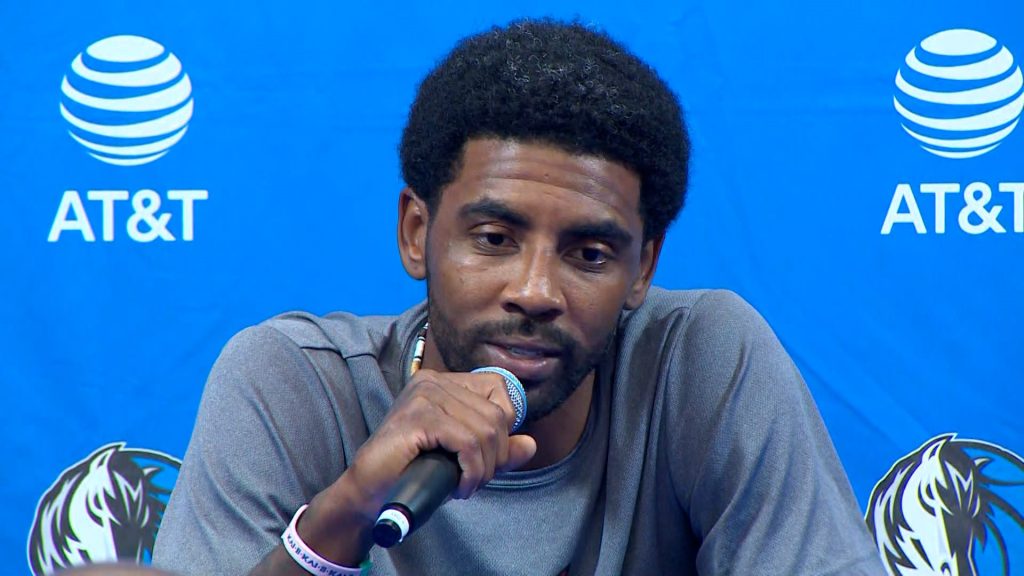
When NBA star Kyrie Irving stepped forward to absorb the disciplinary fine levied against NFL linebacker Azeez Al-Shaair, sports discourse shifted instantaneously. The gesture was not an isolated display of athletic camaraderie, nor was it a performative public relations maneuver. Instead, it represented an unprecedented intersection between two dominant American sports leagues, centered on conscience, shared humanitarian convictions, and an uncompromising defiance of corporate disciplinary boundaries.
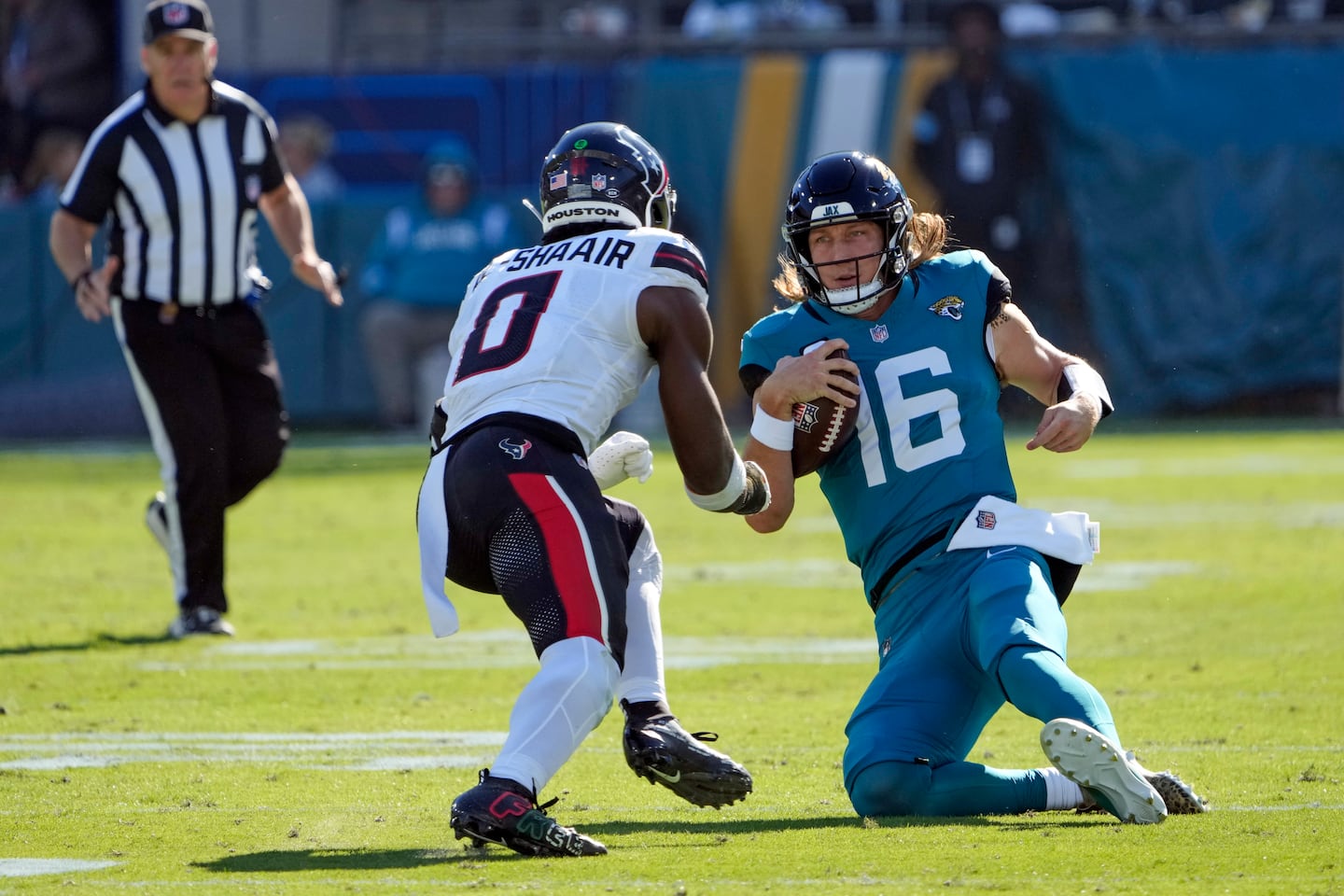
The controversy ignited when Al-Shaair, an outside linebacker for the Houston Texans, took the field wearing eye black inscribed with a direct tribute to Hind Rajab, a six-year-old Palestinian girl killed alongside her family members in Gaza. Her tragic demise, captured in harrowing distress calls recorded by the Palestine Red Crescent Society, reverberated across global news cycles. By bearing her memory onto an NFL gridiron, Al-Shaair intentionally brought a visceral humanitarian crisis into a sporting realm that traditionally seeks to sanitize individual socio-political messaging.
The Circumstances Behind Azeez Al Shaair and the Hind Rajab Fine
Professional sports leagues in North America govern player attire through meticulous, ironclad operational frameworks. As reported by ESPN, the National Football League routinely levies severe financial penalties against athletes who alter their gameday uniforms or equipment without explicit corporate pre-clearance. The NFL policy on personal messaging strictly prohibits players from displaying unapproved names, political slogans, or personal causes on uniforms, cleats, and eye black strips, regardless of the humanitarian intent behind the act.
Al-Shaair recognized the institutional friction his tribute would provoke. The linebacker openly acknowledged that wearing Hind Rajab’s name would incur punitive action from league officials. In an in-depth report published by Al Jazeera, sports analysts underscored how rare it is for an active NFL starter to willingly accept official reprimands in order to amplify the suffering of Palestinian civilians. The league moved forward with its disciplinary protocol, issuing a substantial fine against the Texans defender.
Rather than leaving Al-Shaair isolated under institutional pressure, an unexpected ally materialized from across the state of Texas. News broke that Dallas Mavericks veteran playmaker Kyrie Irving had directly reached out to cover the entire financial sanction on Al-Shaair’s behalf, transforming an NFL internal compliance issue into an explosive national narrative about cross-league solidarity.
A Shared Brotherhood Across the NBA and NFL
While the broader public viewed the intervention as an unexpected collaboration between football and basketball luminaries, the personal bond between the two athletes had been developing behind closed doors. Detailed reporting from the Houston Chronicle revealed that Kyrie Irving and Al-Shaair share a profound connection anchored in Islamic values, common moral philosophies, and shared experiences navigating public scrutiny under institutional spotlights.
Both men have endured intense media storms throughout their athletic trajectories. Al-Shaair experienced extreme personal adversity, rising from childhood homelessness in Tampa, Florida, to earn an improbable starting position in the NFL through sheer resilience. Irving, an eight-time NBA All-Star and NBA champion, has frequently prioritized cultural advocacy, indigenous heritage awareness, and global human rights over convenient commercial silence.
According to the Houston Chronicle, their communication extends far beyond casual congratulatory messages after games. The two athletes maintain regular dialogue concerning philanthropic work, spiritual discipline, and the responsibilities that accompany fame. When the fine was officially assessed against Al-Shaair, Irving viewed the penalty as an opportunity to reinforce an essential principle: an athlete who sacrifices their comfort to honor an innocent child should never be forced to stand alone.
Four Crucial Realities Defining This Moment of Athlete Activism
The decision to underwrite an opponent league’s disciplinary sanction carries far-reaching structural implications. Four critical elements explain why this mutual demonstration resonates across modern sports culture.
1. Reclaiming Personal Voice Against League Uniform Mandates
Both the NFL and the NBA operate as corporate conglomerates that safeguard corporate advertising partnerships and uniform uniformity with draconian rigor. Players frequently negotiate collective bargaining agreements that limit spontaneous demonstrations on game broadcasts. By taking the field with the tribute clearly visible, Al-Shaair broke through the sanitization of sports television. When public interest groups questioned the corporate boundaries of the uniform policy, the gesture forced broadcast commentators to explain precisely who Hind Rajab was, educating millions of viewers who had previously remained insulated from the human casualties of the conflict.
2. Collective Financial Shielding as a Tool of Resistance
League fines are engineered to serve as psychological deterrents against unauthorized advocacy. For an NFL player managing non-guaranteed contracts and physical vulnerability, repeated financial penalties can create severe operational friction. When Kyrie Irving stepped forward to absorb the penalty, he dismantled the coercive leverage that league fines typically exert. This financial counterweight creates a collective defense model where higher-earning veterans shield younger athletes from institutional retribution.
Just as Bread hydration mechanics reveal 4 proven secrets to bake magnificent artisan loaves through calculated structural patience, professional athletes cultivate deliberate, disciplined frameworks both on the hardwood and in public life. Strategic coordination between prominent figures neutralizes administrative leverage, allowing cultural advocacy to endure beyond arbitrary regulatory fines.
3. Uncompromising Focus on Humanitarian Causes
Speaking to international media outlets including Al Jazeera, Irving explicitly lauded Al-Shaair’s tribute as an unselfish, courageous act driven by pure humanitarian empathy. The focus remained entirely on the six-year-old child trapped in an armored vehicle, rather than partisan rhetoric. By keeping the tribute centered on the sanctity of human life, both athletes challenged sports media to engage with moral accountability rather than retreating into corporate neutrality.
4. Intersection of Cross-Sport Community and Faith
Historically, professional athletes remained confined within their distinct sport silos. Cross-sport interactions were typically limited to sneaker marketing campaigns, courtside celebrity appearances, and shared commercial investments. The alliance between Irving and Al-Shaair fundamentally disrupts that superficial pattern. Their connection is anchored in faith, social justice, and common cultural roots, signaling a generational evolution where athletes leverage their combined influence across institutional boundaries.
Navigating High Stakes and Minutes Restrictions on the Hardwood
Irving’s defense of Al-Shaair unfolded during a pivotal juncture in his own basketball campaign. Reporting from Yahoo Sports reveals that the Dallas Mavericks have chosen to keep Kyrie Irving on a strict minutes restriction for their upcoming matchup against the Indiana Pacers following his return from a lengthy injury absence.
The Dallas front office and training staff are proceeding with extreme caution. Having navigated an arduous physical rehabilitation timeline to restore his mobility, Irving has been integrated gradually into head coach Jason Kidd’s tactical rotations. The Mavericks recognize that their postseason championship aspirations hinge on preserving Irving’s health for high-intensity playoff battles. Despite the ongoing demands of his physical recovery, the veteran guard has maintained active engagement with global developments outside the arena.
The careful management of Kyrie Irving reflects the delicate tightrope elite athletes walk. Balancing rigorous athletic training regimens, acute injury recovery milestones, and national championship expectations with unyielding social advocacy requires extraordinary mental compartmentalization. Observers who expected Irving to remain insulated within the Mavericks training facility during his rehabilitation were reminded that his worldview has never been confined to athletic hardwood.
Our Strength Lies in Unwavering Mutual Support
The overarching philosophy guiding this intervention was articulated plainly by the athletes themselves. In an exclusive interview covered by The New York Times and The Athletic, Irving crystallized the mindset underpinning his actions: our strength is in our solidarity. That concise declaration cuts directly to the core of why this gesture has captured international headlines.
When athletes stand independently, league governing bodies hold decisive structural advantages. Institutional fines, media reprimands, and contractual threats can easily suppress isolated expressions of conscience. However, when an established superstar in one league unilaterally finances the disciplinary fallout of a rising star in another, the traditional mechanisms of corporate deterrence begin to unravel. It establishes a viable precedent for mutual protection that challenges the monopoly professional sports leagues hold over athlete expression.
In an era where personal brand often eclipses collective good, Kyrie Irving demonstrated that public platforms carry moral weight. By standing firmly alongside Azeez Al-Shaair in remembrance of Hind Rajab, he ensured that a quiet tribute on a football field in Texas transformed into an enduring international testament to human empathy and athlete autonomy.