Energy Secretary Under Fire Over 3 Major Gambles on Fuel and Grid Stability
United States Energy Secretary Chris Wright is navigating severe crosscurrents as geopolitical concessions and domestic power realities collide. From controversial Russian diesel waivers to escalating retail energy burdens, Washington’s energy agenda is facing unprecedented pressure.
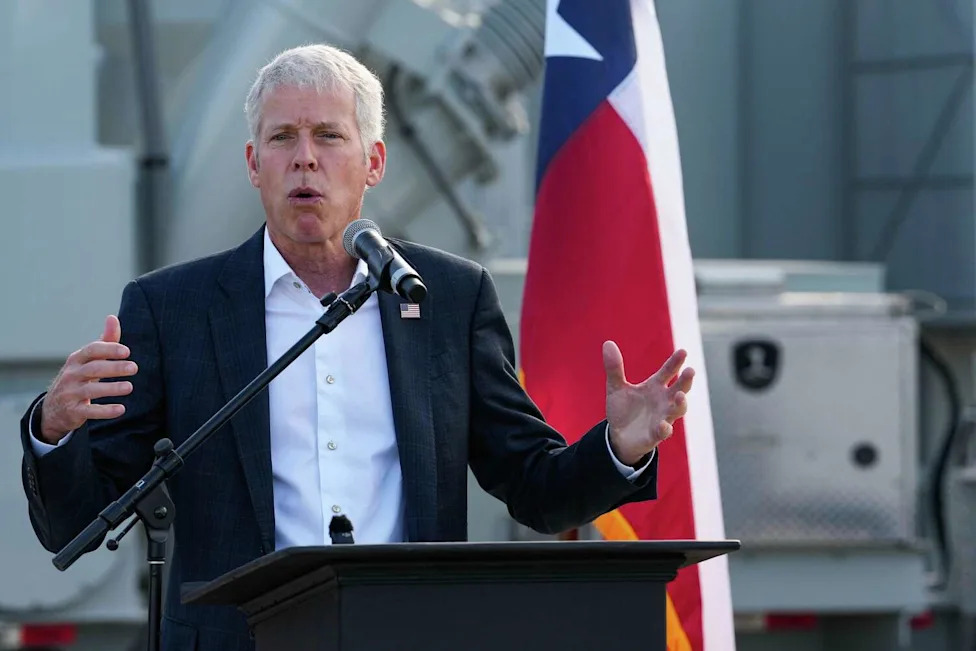
Scrutiny surrounding the United States energy secretary reached a fever pitch this week as high-stakes geopolitical maneuvers and domestic power pressures converged on Washington. Facing aggressive questioning from Capitol reporters and broadcast anchors alike, officials find themselves caught between contentious foreign policy gambits and voter pocketbook anxieties that refuse to subside. At the center of this gathering political storm stands Department of Energy leadership, tasked with selling an unconventional strategy that spans Eastern European battlefields and suburban fueling stations.
The debate has crystallized around a series of contentious executive actions that challenge long-standing assumptions about economic containment, supply chain management, and federal grid modernization. With retail costs fluctuating and voters preparing to cast ballots in high-stakes elections, every public statement issued by federal regulators now carries outsized political weight. The resulting fallout touches everything from transatlantic security alliances to municipal utility bills across the American South.
The Diplomatic Gamble Behind Russian Diesel Imports
The fiercest controversy erupted following the administration’s decision to bypass strict trade barriers and permit Russian diesel imports into domestic channels. Defending the move during appearances documented by Business Insider and Politico, the energy secretary insisted that waiving these punitive economic measures functions as a calculated diplomatic lever. Federal officials framed the controversial trade concession as an active incentive designed to motivate Moscow to bring its ongoing war against Ukraine to a negotiated conclusion.
Rather than viewing the resumption of refined petroleum transactions as an economic lifeline for the Kremlin, the administration portrays the transaction as an intentional carrot for peace. In an interview broadcast by ABC News, the energy secretary firmly pushed back against accusations that Washington was diluting its geopolitical leverage, maintaining that targeted waivers do not constitute an open-ended financial bailout for Russian state finances. By characterizing the petroleum exemptions as a temporary tactical overture rather than permanent commercial relief, the Department of Energy seeks to quiet growing alarm from international allies who have spent years isolating Russian hydrocarbon flows.
Yet foreign policy specialists and congressional hawks remain deeply skeptical of the maneuver. Critics maintain that any authorization permitting refined fuel from state-linked Russian refineries provides tangible liquidity to Moscow, regardless of administrative intentions. Administrative surrogates continue to counter that conventional punitive tactics have stalled diplomatic momentum, arguing that calibrated trade allowances introduce fresh negotiating parameters that could ultimately break the diplomatic stalemate in Eastern Europe.
Midterm Gas Price Politics and the Accountability Crossfire
Geopolitical maneuvering abroad has collided squarely with household balance sheets at home, creating immediate domestic exposure for cabinet leadership. Just two weeks before crucial midterm elections, broadcast networks homed in on the political ramifications of stubbornly high retail fuel costs. The political exposure became glaring during a contentious national broadcast on CNN, where anchor Dana Bash directly challenged the energy secretary, asking pointedly whether the administration had let the American public down by failing to rein in pump prices.
The televised exchange laid bare the acute vulnerability facing federal officials when macroeconomic explanations clash with consumer sentiment. In response to pointed inquiries, administration officials argued that broader systemic pressures and historical refining bottlenecks continue to dictate retail energy prices. However, voters facing inflated fuel bills rarely parse the nuances of global commodity markets, leaving regulatory leaders vulnerable to accusations of policy failure right as polling stations prepare to open.
The convergence of foreign trade concessions and domestic inflation has handed political opponents a powerful narrative weapon. Detractors argue that administrative efforts to manipulate international energy diplomacy have done little to provide tangible price relief at neighborhood filling stations. The administration counters that strategic stabilization efforts take time to filter down to local pumps, but the compressed electoral timeline leaves virtually no room for public skepticism to dissipate.

Houston Grid Modernization and 3 Critical Friction Points
While international fuel shipments dominated national headlines, local infrastructure commitments opened a separate front of intense scrutiny. As reported by Click2Houston, the federal government officially committed fifty million dollars toward bolstering the regional power grid across the Houston metropolitan area. The substantial funding injection, unveiled with significant fanfare by the Department of Energy, aims to fortify vulnerable municipal distribution systems against extreme weather anomalies and chronic transmission outages.
The regional announcement, however, quickly attracted localized pushback regarding cost-shifting mechanisms and end-user affordability. While the federal grant addresses urgent structural vulnerabilities, it also highlights the difficult trade-offs governing public infrastructure finance. Understanding why this infrastructure initiative has sparked widespread concern requires examining three critical friction points shaping the debate.
The Fifty Million Dollar Federal Lifeline for Texas Infrastructure
The targeted investment reflects urgent federal recognition that regional electricity grids require immediate physical hardening to withstand accelerating environmental shocks. By injecting fifty million dollars into the Houston energy corridor, the Department of Energy aims to reinforce structural lines, deploy advanced monitoring sensors, and minimize the threat of catastrophic blackouts that have historically crippled the Texas Gulf Coast during periods of acute meteorological distress. Federal planners view this outlay as an indispensable safeguard for one of the nation’s most vital petrochemical and industrial nerve centers.
Consumer Utility Cost Pressures and Downstream Ratepayer Impact
Despite the substantial federal capital infusion, local analysts and consumer watchdogs caution that municipal rate structures could still absorb downstream burdens. Complete infrastructure modernization frequently demands supplementary municipal matching funds, capital expenditures, and sustained operational maintenance, financial liabilities that local utilities routinely pass along to domestic consumers. In Texas communities, the energy secretary faced immediate questions from local media highlighting concerns that residential utility bills could escalate in tandem with system-wide physical retrofits, aggravating cost-of-living strains for working families.
The Interlocking Tension of Global Energy Deals and Domestic Outcry
The friction emerging in Texas cannot be divorced from the broader credibility crisis gripping federal energy authorities. Local ratepayers questioning potential increases on monthly power bills find little comfort in grand geopolitical strategies involving foreign fuel waivers. When evaluating competing interpretations across national and regional reports, discerning readers can consult Wire Service Mechanics and 4 Proven Rules to Spot Dangerous Media Distortion to separate administrative talking points from verified economic realities. The stark contrast between international dealmaking and regional utility bills underscores how easily sweeping macroeconomic policies can alienate local communities.
The Unprecedented Balancing Act Confronting Washington
Navigating the simultaneous pressures of international diplomacy, electoral accountability, and domestic grid reliability represents an immense structural challenge for cabinet leadership. In championing Russian diesel import waivers as a peace incentive while simultaneously defending retail fuel costs, the energy secretary is attempting to bridge fundamentally conflicting policy imperatives. Balancing strategic concessions abroad against the material anxieties of domestic consumers requires an extraordinary degree of political agility.
The coming weeks will determine whether this high-wire approach can withstand relentless scrutiny from voters and legislative oversight committees. If pump prices remain elevated and Houston utility customers see their monthly obligations rise, administrative assertions regarding diplomatic carrots and long-term modernization will ring increasingly hollow. With congressional majorities on the line and international allies watching closely, the energy secretary faces an unforgiving test of administrative resilience that will echo across global markets and domestic living rooms alike.