El Salvador Haiti Mission Faces 4 Critical Threats in Shocking Hostage Ambush
Armed gangs in Port-au-Prince ambushed international forces and took Salvadoran security personnel captive, prompting President Nayib Bukele to order an emergency military rescue operation. Here is an investigative breakdown of the tactical confrontation and its regional fallout.
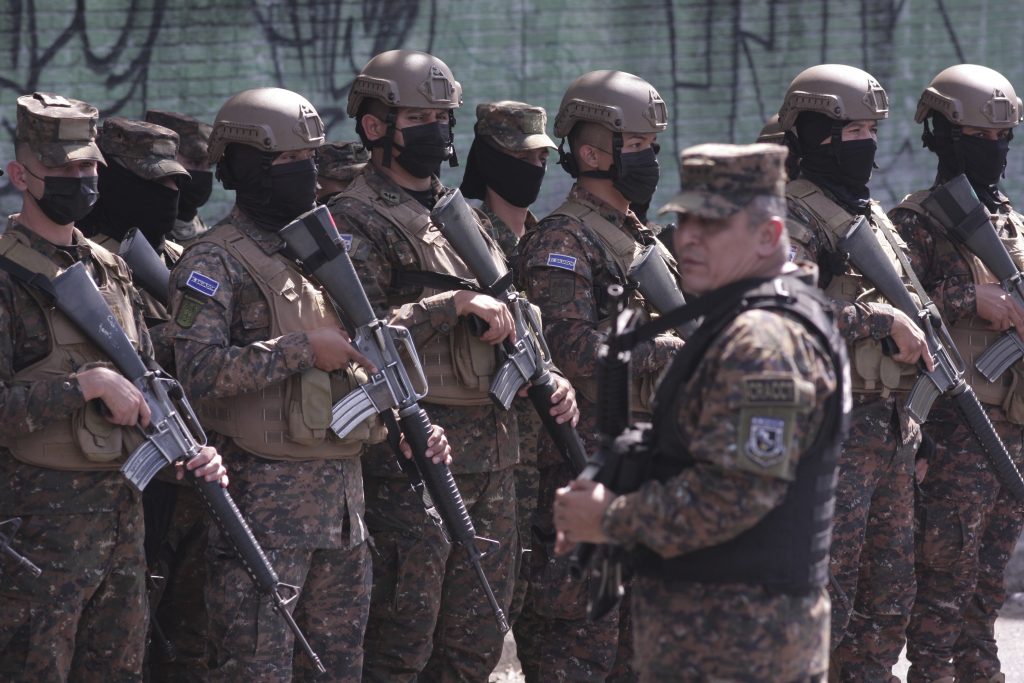
Soldiers arrive in Soyapango, El Salvador, Saturday, Dec. 3, 2022. The government of El Salvador sent 10,000 soldiers and police to seal off Soyapango, on the outskirts of the nation's capital Saturday to search for gang members. (AP Photo/Salvador Melendez)
The high-stakes El Salvador Haiti mission took an alarming turn after armed gangs ambushed foreign security personnel in Port-au-Prince, seizing military personnel as hostages. The brazen assault represents the most severe direct confrontation against multinational forces since foreign detachments arrived to wrest back control of the Caribbean nation’s fractured capital. Within hours of the ambush, Salvadoran President Nayib Bukele announced an immediate, specialized military rescue operation, thrusting his administration’s reputation for relentless anti-gang enforcement into an unpredictable foreign theater.
Reports originating from Port-au-Prince signaled chaos on the ground as criminal networks launched a coordinated strike against deployed security units. According to CNN, armed Haitian gangs targeted foreign troops in what field observers categorized as the single largest and most aggressive assault against international personnel since the multinational stabilization force initiated operational maneuvers. The ambush shattered a fragile operational posture, exposing the perilous tactical realities confronting outside forces attempting to re-establish civic order in neighborhoods long governed by gang syndicates.
Ambush in the Capital and the Fate of Captured Troops
The operational crisis materialized swiftly during daylight maneuvers across contested sectors of Port-au-Prince. The New York Times initially reported that five Salvadoran soldiers went missing following a sustained, violent firefight that isolated patrol vehicles from secondary support lines. Criminal elements leveraged fortified barricades, structural choke points, and concentrated automatic weapons fire to sever defensive formations, trapping elements of the deployed detachment before quick-reaction forces could mount an effective counter-push.
The international shockwaves rippling from the El Salvador Haiti mission underscore how severely the security environment in Port-au-Prince has deteriorated. Hours after early confusion regarding casualty figures and missing personnel, Salvadoran government authorities formally acknowledged that armed gangs held four force members hostage, as reported by Reuters. The confirmation forced an immediate recalibration across regional defense ministries, shifting international focus from neighborhood containment patrols to a delicate, perilous hostage recovery scenario surrounded by heavily armed criminal factions.
Diplomatic dispatches confirmed that the assault was neither random nor opportunistic. The ambush bore tactical hallmarks of an intentional offensive aimed directly at breaking the resolve of foreign forces. Gang leaders have repeatedly broadcast hostile warnings against external intervention, and this targeted assault proved their willingness to wage direct urban warfare against well-trained sovereign soldiers operating thousands of miles from their home bases.
Bukele Authorizes an Urgent Cross-Border Rescue Mobilization
Faced with the captivity of his security personnel, President Nayib Bukele moved rapidly to bypass bureaucratic paralysis. As detailed by AP News, Bukele publicly announced an emergency military operation specifically designed to locate, isolate, and rescue the captured Salvadoran hostages held within gang-controlled territory. The declaration marked an assertive foreign policy departure for San Salvador, projecting sovereign military capability far beyond Central American waters.
When Nayib Bukele committed personnel to the El Salvador Haiti mission, the move was framed as an export of El Salvador’s aggressive anti-gang formula. Back home, Bukele achieved stratospheric approval ratings by systematically breaking the operational dominance of powerful domestic street gangs through mass incarceration, territorial control initiatives, and emergency constitutional powers. Yet projecting those doctrines into the anarchic, heavily weaponized landscape of Port-au-Prince presents fundamentally different operational dynamics that cannot rely on Salvadoran judicial infrastructure or localized civil intelligence networks.
The sudden escalation caught international observers by surprise, sparking widespread digital interest across news platforms. In an information environment where abrupt real-world tragedies routinely capture global awareness, much like readers dissecting personal reckonings such as Lil Jon Son Nathan Smith and 4 Major Revelations Behind the Tragic Loss, the hostage crisis in Haiti triggered an urgent, widespread demand for clear tactical facts over speculative rumors.
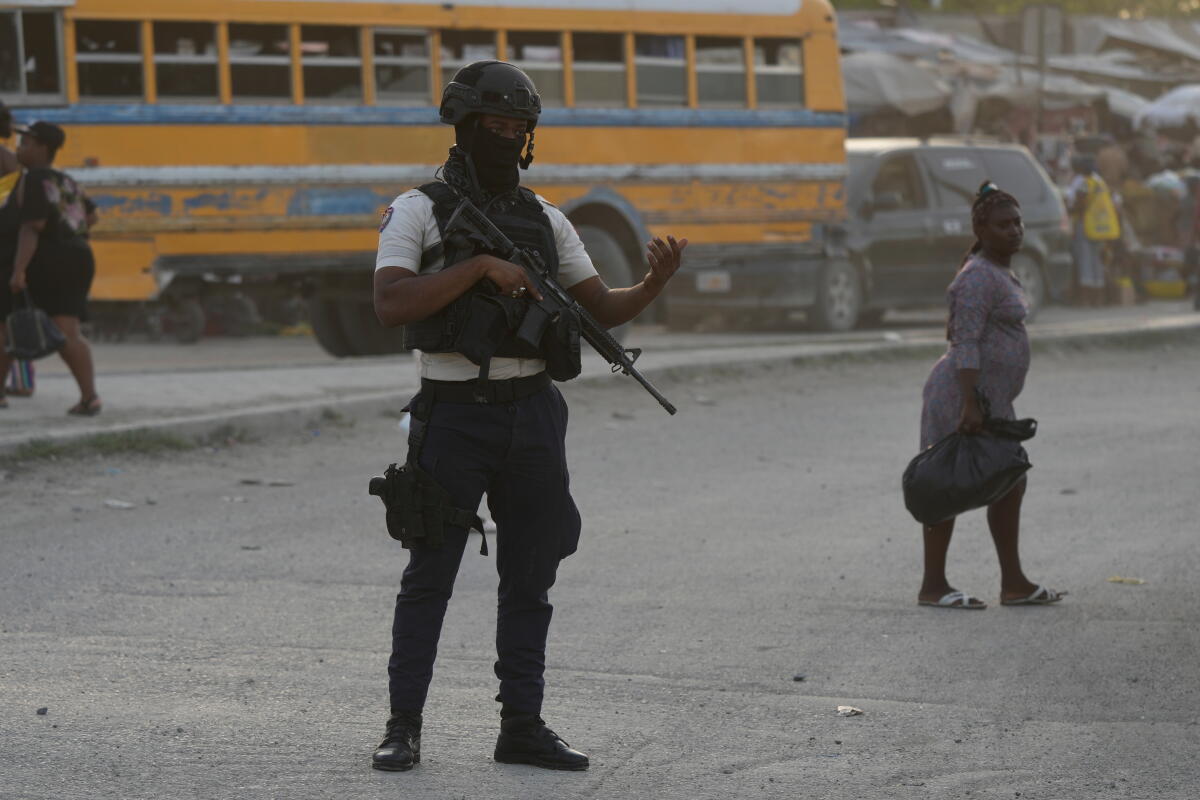
4 Critical Factors Driving the Escalation in Haiti
As international observers dissect the evolving El Salvador Haiti mission, four pivotal realities explain why this engagement crossed an unprecedented threshold into overt crisis.
Unprecedented Gang Boldness Against Foreign Forces
Haitian criminal alliances have evolved far beyond disorganized street cliques. Over recent years, gang coalitions have acquired high-caliber military weaponry, established drone reconnaissance systems, and consolidated territorial autonomy over strategic transit arteries. The decision to deliberately ambush foreign contingents and take service members hostage signals a calculated gamble to humiliate the international intervention force, signaling to local populations that even foreign militaries cannot operate with impunity inside gang territory.
The Discrepancy Between Salvadoran Tactics and Haitian Urban Warfare
The operational reality facing the El Salvador Haiti mission reveals stark tactical differences between domestic enforcement and foreign deployments. In El Salvador, Bukele’s security personnel leveraged complete institutional dominance, state-wide surveillance infrastructure, and broad civic compliance to dismantle gang strongholds. In Port-au-Prince, Salvadoran troops operate without intimate neighborhood cartography, surrounded by densely packed civilian populations that criminal groups frequently utilize as living human shields during prolonged gun battles.
Shifting Hostage Tallies and Fog of War Dynamics
Information flow out of the Haitian capital remains notoriously unstable. The transition from initial reporting by The New York Times documenting five missing soldiers to the subsequent Reuters update confirming that four force members are confirmed captives reflects the intense fog of war clouding the conflict zone. Navigating fragmented battlefield communications while verifying captive survival remains one of the most perilous operational hurdles confronting Salvadoran command structures.
Heightened Geopolitical Stakes for International Peacekeeping
The capture of sovereign military troops carries massive geopolitical implications for every nation contributing personnel or financial backing to the stabilization mandate. If international forces are perceived as vulnerable to abduction, domestic political pressure within contributing nations could rapidly erode multinational cooperation. Conversely, an aggressive rescue mission risking extensive collateral damage could alienate the very local population the international community arrived to protect.
Broader Ramifications for Multinational Security Operations
The ambush in Port-au-Prince marks a watershed juncture for hemispheric diplomacy and stabilization doctrines. For President Bukele, maintaining domestic confidence while guiding the El Salvador Haiti mission through its first direct hostage crisis represents a critical leadership test. The crisis challenges the foundational premise that aggressive security playbooks perfected in Central America can be neatly transferred to a sovereign nation experiencing comprehensive institutional collapse.
International defense officials are closely monitoring whether San Salvador’s rescue operation will proceed as an independent tactical maneuver or coordinate with broader multinational command units already deployed on the ground. A unilateral Salvadoran rescue operation carries immense operational friction, requiring immediate logistical cooperation, air surveillance support, and specialized urban breach capabilities that demand real-time intelligence feeds.
The coming days will determine whether the El Salvador Haiti mission can successfully liberate its personnel without precipitating a wider tactical collapse across international zones of control. As Bukele’s commandos ready their mobilization plans and criminal alliances entrench their positions in Port-au-Prince, the standoff stands as an unvarnished test of modern military resolve against non-state urban insurgency.