Dry Brining Meat Science and 4 Proven Rules That Create Flawless Juiciness
Dry brining unlocks the hidden cellular physics of muscle tissue, pulling natural moisture out before drawing concentrated salinity deep into the fibers. Master the biochemical rules that guarantee tender, deeply seasoned meat every time.
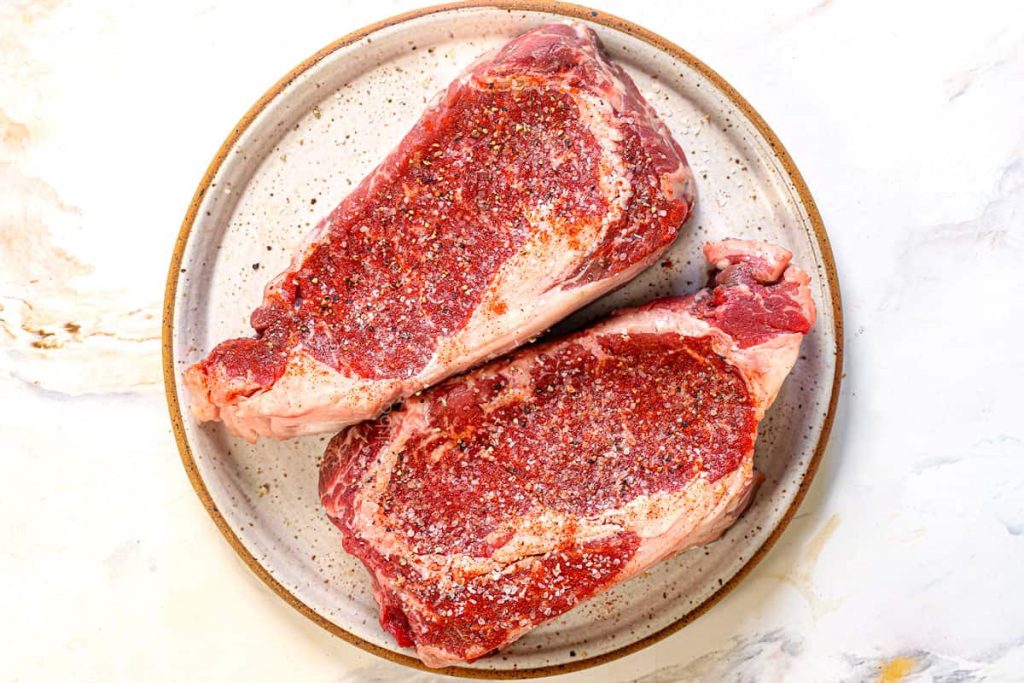
Mastering dry brining meat science transforms ordinary, tough protein cuts into exceptionally tender, moisture-rich centerpieces without diluting natural flavor through watery marinades. When crystalline salt meets raw muscle tissue, it triggers a chain reaction governed by biophysics rather than culinary folklore. Most home cooks treat seasoning as an eleventh-hour garnish, shaking salt across a pan seconds before the meat hits the flame. This surface-level habit produces a familiar disappointment, leaving meat with an over-salted exterior shielding an under-seasoned, moisture-depleted interior. By allowing time and osmotic balance to do the heavy lifting, you convert an unpredictable cooking session into a predictable biochemical triumph.
The Thermodynamic and Osmotic Shift Inside Muscle Fibers
At its core, dry brining meat science operates through a two-stage thermodynamic and chemical journey that alters protein architecture. Muscle tissue is essentially an organized bundle of myofibrils composed of actin and myosin filaments, floating within an intracellular soup that is roughly seventy-five percent water. When pure sodium chloride crystals land on the surface of raw meat, they encounter this moisture and dissolve. The sudden concentration of solutes on the meat surface creates a sharp osmotic gradient. Water molecules inside the cells rush outward to balance the salinity, pooling on the exterior in visible beads of condensation.
This initial weeping phase often alarms untrained cooks, who assume the salt is irrevocably drying out their prized cut. If you abandon the process here, that assumption becomes a self-fulfilling prophecy. Given sufficient time, the concentrated brine sitting on the surface begins a reverse migration. Through passive diffusion, sodium and chloride ions travel back into the interior of the muscle bundle, moving steadily from regions of high solute density to regions of low density.
As these ions penetrate the dense intracellular structure, they disrupt the electrical charges that hold actin and myosin filaments tightly bound together. The sodium ions bind to protein side chains, increasing electrostatic repulsion between adjacent molecules. As the filaments loosen and push apart, the muscle structure relaxes. This loosened lattice creates expansive voids capable of entrapping and immobilizing free water molecules. Instead of squeezing moisture out as muscle fibers contract during cooking, the modified cellular network holds onto its liquid volume tightly, preserving interior succulence even under aggressive searing heat.
Why Wet Marinades Fail Where Salt Diffusion Succeeds
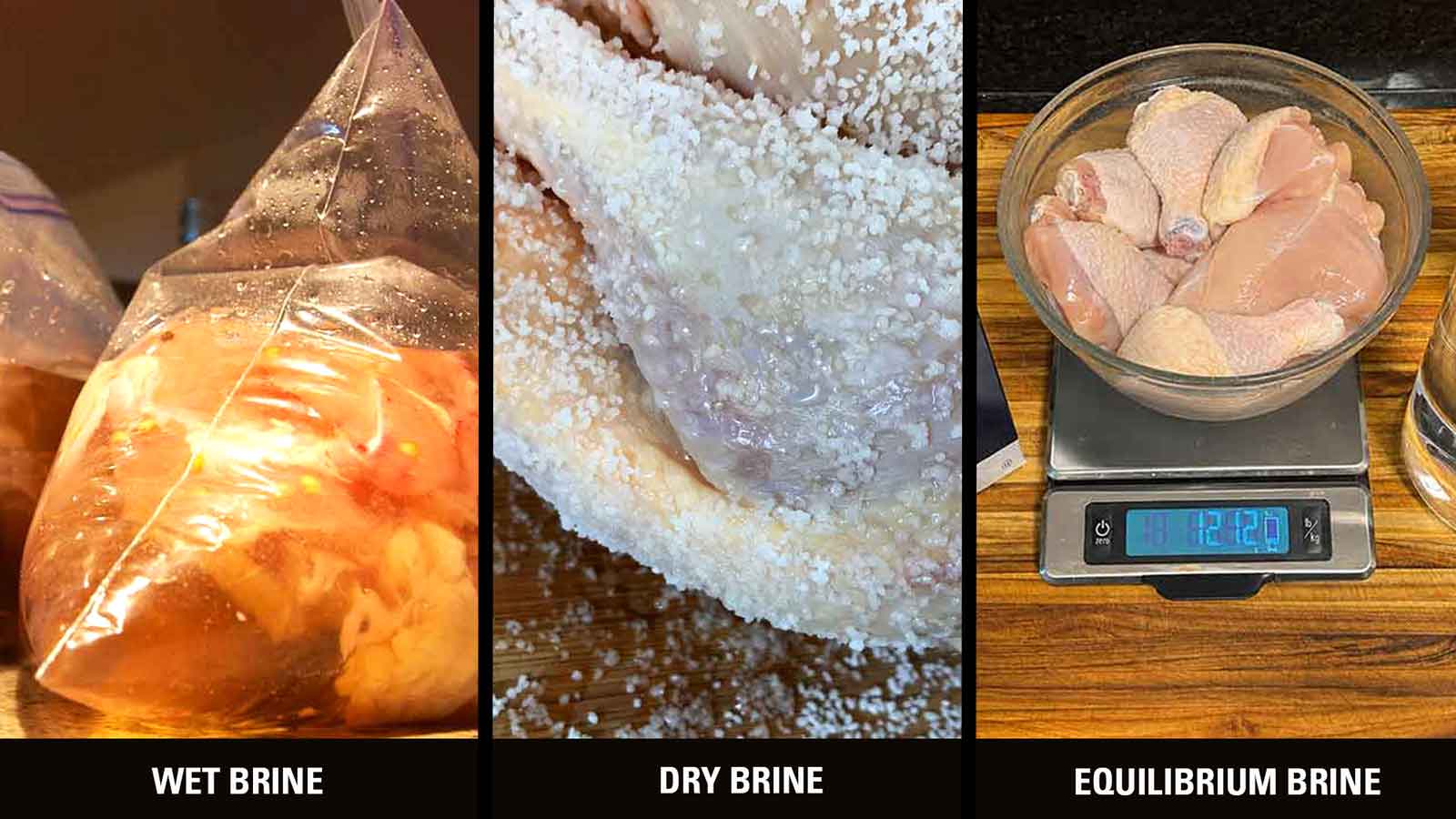
Traditional wet brining submerges meat in gallons of water, sugar, and aromatics, operating under the myth that prolonged soaking infuses deep flavor. While a wet brine does increase the overall weight of a cut, the gained mass consists almost entirely of plain water. This trapped liquid dilutes the inherent richness of the protein, giving chicken breast or pork loin a spongy, waterlogged mouthfeel that mimics tenderness without delivering genuine flavor depth.
Unlike saturated water baths, the discipline of dry brining meat science relies entirely on the animal’s own moisture reservoir. By dissolving salt directly into native juices and drawing that seasoned solution inward, the cellular structure remains dense and authentic. The meat does not swell with excess tap water, meaning the natural savory compounds created by amino acids and nucleosides remain concentrated.
Furthermore, wet brines introduce catastrophic moisture problems during the cooking phase. Searing meat requires thermal energy to reach the critical threshold where sugars and amino acids combine to form hundreds of complex aromatic compounds. Water is the mortal enemy of this process because it boils at a relatively low thermal ceiling. A steak pulled from a wet brine wastes massive amounts of pan energy simply evaporating excess surface liquid through steam, resulting in a rubbery, pale gray exterior long before the internal fat renders.
Four Proven Principles That Unlock Maximum Tenderness
Applying dry brining meat science effectively requires moving beyond casual pinch-and-dash habits and adopting precision in your workspace. Consistent execution depends on respecting four foundational pillars that govern salt distribution, resting chemistry, surface evaporation, and thermal readiness.
Calibrating Salt Mass by Muscle Weight and Surface Geometry
Volumetric salt measurements are notorious for ruining proteins because grain size varies wildly across brands. A single tablespoon of dense, fine-grained table salt contains more than double the sodium mass of the same volume of flaky, coarse kosher salt. To establish reliable results, measure your salt by weight rather than volume. A baseline ratio of one to one-and-a-half percent salt relative to the total mass of the meat delivers optimal ionic dispersion without crossing into assertive salinity.
Surface geometry determines how rapidly that salt dissolves and penetrates. Thin cuts, such as skirt steaks or pork cutlets, feature vast surface areas relative to their shallow depth, requiring a lighter hand to prevent over-concentration. Massive roasts, prime rib, and whole turkeys demand deliberate attention to mass, as the exterior seasoning must carry enough osmotic momentum to influence fibers buried several inches beneath the surface.
Honoring the Critical Window for Deep Protein Denaturation
Time is the true catalyst in diffusion mechanics. While small salt ions migrate through raw flesh faster than large aromatic molecules, they still travel at a finite pace through dense tissue. Rushing this process interrupts the crucial reabsorption phase, leaving you with dry surface tissue and a cold, unseasoned core.
For standard individual steaks measuring one to two inches thick, a minimum resting period of two to four hours is non-negotiable, with twelve hours offering the golden standard. Large bone-in roasts require anywhere from twenty-four to forty-eight hours to achieve true cellular penetration. Peer-reviewed investigations in food structure, including published Institute of Food Technologists research on muscle protein solubility, confirm that prolonged exposure to low-concentration saline environments permanently alters muscle fiber swelling ratios, locking in juices that would otherwise escape during thermal cooking.
Leveraging Bare Refrigeration for Crisp Skin Formation
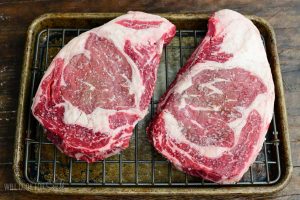
A major advantage of resting meat without plastic film or foil is the intentional formation of a pellicle. When unshielded meat sits on an elevated rack in a cold, circulating refrigerator, ambient airflow wicks away residual surface humidity while the interior locks in dissolved moisture. Here, the real genius of dry brining meat science becomes visible on the surface of the meat.
The exterior dries out into a taut, semi-translucent skin. For poultry, this thin, dehydrated surface ensures that skin fries instantly in its own rendered subcutaneous fat during roasting, achieving a brittle, glass-like crunch instead of rubbery flab. For red meats, the arid surface eliminates the protective thermal buffer of free water, allowing immediate contact between pan and meat for rapid crust formation.
Mitigating Thermal Shock Prior to High Heat Searing
Taking a thick cut straight from the chilly chill of the refrigerator into a scorching cast iron skillet creates an intense internal thermal gradient. The exterior gray band widens dramatically as the outer millimeters overcook while waiting for the icy center to reach its target temperature. Even with perfectly restructured proteins, extreme heat differentials force rapid muscle contraction, driving out internal liquid under hydraulic pressure.
Allowing the seasoned cut to rest at ambient room temperature for thirty to forty-five minutes balances internal energy without compromising safety. The dry exterior remains intact, while the reduced thermal gap between raw meat and skillet steel guarantees rapid crust development without overcooking the delicate, moisture-dense center.
Common Pitfalls That Ruin Moisture Retention
The most frequent breakdown occurs when cooks panic during the sweating stage. Thirty minutes after applying salt, liquid pools prominently across the surface. An untrained cook, assuming the steak is ruining itself, reaches for paper towels to wipe away the puddle. In doing so, they lift away the dissolved seasoning before it has the opportunity to diffuse inward, sabotaging the entire sequence.
Cooking meat requires treating chemical timeframes as immutable laws rather than loose suggestions. A major timing error in the early phase cascades into irreversible structural degradation during the sear. This compounding vulnerability mirrors the dynamic highlighted in our analysis of Sequence of Returns Risk and 4 Proven Shields That Avert Devastating Wealth Erosion, where a poorly timed opening decision compromises the viability of the entire system regardless of later interventions.
Amateur home cooks who ignore dry brining meat science often panic halfway through the salting timeline or seal their cuts in airtight plastic wrap. Enclosing salted meat in plastic traps vapor against the flesh, preventing the crucial drying of the surface. If moisture remains trapped on the surface, searing efficiency drops by half, and the meat boils in its own humidity rather than developing a deeply savory, caramelized crust.
Transforming Instinct Into Repeatable Culinary Physics
Great cooking rarely stems from mystical intuition. It emerges from an intentional understanding of how physical ingredients interact at microscopic scales. Once you visualize the shifting ionic charges, the unfolding protein filaments, and the steady migration of fluid within muscle tissue, the kitchen ceases to be a site of frantic guesswork.
Relying on wet sugar marinades or hasty last-second salting leaves dinner vulnerable to rubbery textures, diluted flavors, and uneven doneness. Ultimately, embracing dry brining meat science shifts cooking from unpredictable guesswork to reliable mastery, guaranteeing that every cut you prepare delivers uncompromised juiciness, concentrated flavor, and a flawless, crackling crust.