Katie Boulter Surges Back to British Number One with 3 Crucial Japan Open Triumphs
Katie Boulter stormed into the Kinoshita Group Japan Open semi-finals, blitzing past Viktorija Golubic and reclaiming the British number one ranking in Osaka. Here is an investigative breakdown of her tactical resurgence.
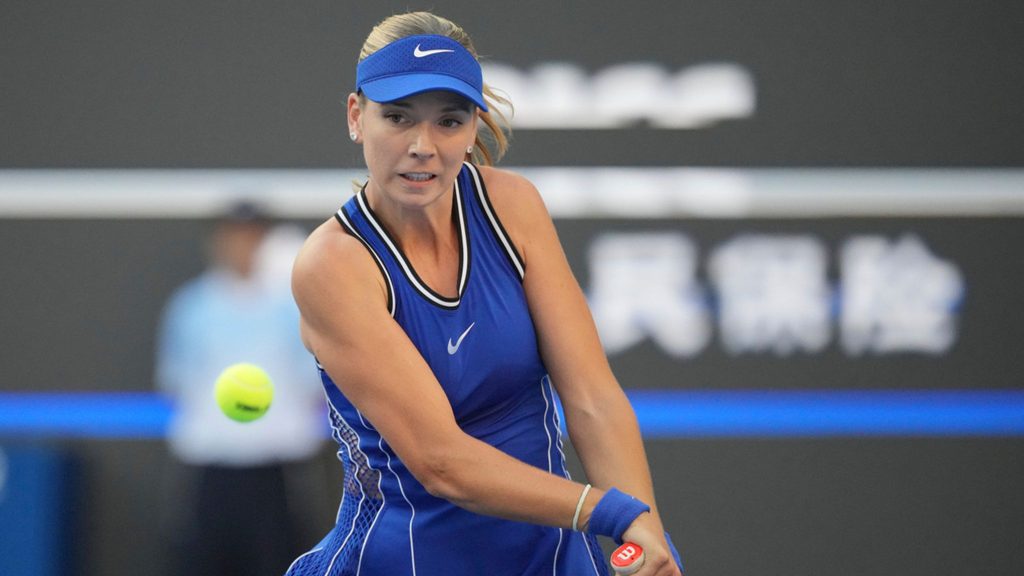
Watching Katie Boulter dismantle opponents in Osaka provides a masterclass in modern hard-court execution, physical endurance, and calculated competitive patience. The late-season Asian swing of the WTA Tour is notorious for exposing tired legs and frayed concentration, yet the courts of the Kinoshita Group Japan Open have instead staged one of the most commanding weekly turnarounds of the British tennis calendar. Arriving in Osaka as the British number two, the 28-year-old produced a clinical sequence of high-tempo victories to navigate her way into the final four, upending recent form guides and signaling a decisive return to top-tier contention.
Elite professional tennis often hinges on subtle inflection points that transform a standard tour stop into a watershed career moment. For the British contingent monitoring the rankings battle from afar, the stakes in Japan quickly escalated beyond the baseline exchange of an isolated tour event. With every baseline winner struck on the rapid surface of the Utsubo Tennis Center, the competitive narrative expanded from an individual tournament run into a significant reshuffle at the pinnacle of British women’s tennis.
The High Velocity March Through Osaka Hard Courts
When Katie Boulter stepped onto the court against Switzerland’s Viktorija Golubic in the earlier rounds, few anticipated how ruthlessly the encounter would unfold. Golubic is widely recognized across the locker room as an awkward, tactically versatile opponent whose single-handed backhand and slice variations regularly disrupt the rhythm of heavy baseline hitters. Neutralizing that brand of variety requires exceptional court positioning and unyielding aggression from the first strike.
As reported by BBC Sport, the British contender dismantled Golubic in less than an hour, producing an emphatic performance that required under sixty minutes to seal a place in the quarter-finals. The speed of that victory was not merely an aesthetic triumph; it served as a vital strategic asset. In a compressed tournament schedule where recovery windows determine late-round performance, conserving energy while imposing psychological supremacy over the draw proved invaluable.
By denying Golubic the time required to set up her trademark angled slices, the baseline tempo remained entirely on British terms. Deep returns repeatedly pushed the Swiss player behind the baseline, allowing short balls to be punished with decisive flat groundstrokes. That sub-hour victory sent an unmistakable signal across the draw that this campaign would not be bogged down in war-of-attrition tennis, laying the operational blueprint for the quarter-final run that followed.
Reclaiming the National Throne and Ending a Four Month Slump
According to BBC Sport, the decisive quarter-final run allowed Katie Boulter to officially reclaim her position as British number one, an achievement that carries profound symbolic and professional resonance. National top rankings in modern tennis reflect more than domestic bragging rights; they govern entry priority into premier tournaments, elevate seedings, and shape psychological dynamics on the international stage. Overtaking her domestic peers in the live rankings caps a determined pursuit through a physically taxing second half of the season.
Reaching this threshold simultaneously brought an end to an arduous tournament drought. Tennishead highlighted that this milestone marked her first WTA Tour semi-final appearance in four months, snapping a challenging mid-season stretch where deep weekend runs had proven elusive. The psychological relief of penetrating past the quarter-final barrier after several months of early exits cannot be overstated, particularly when navigating the high-stress conditions of the late-autumn calendar.
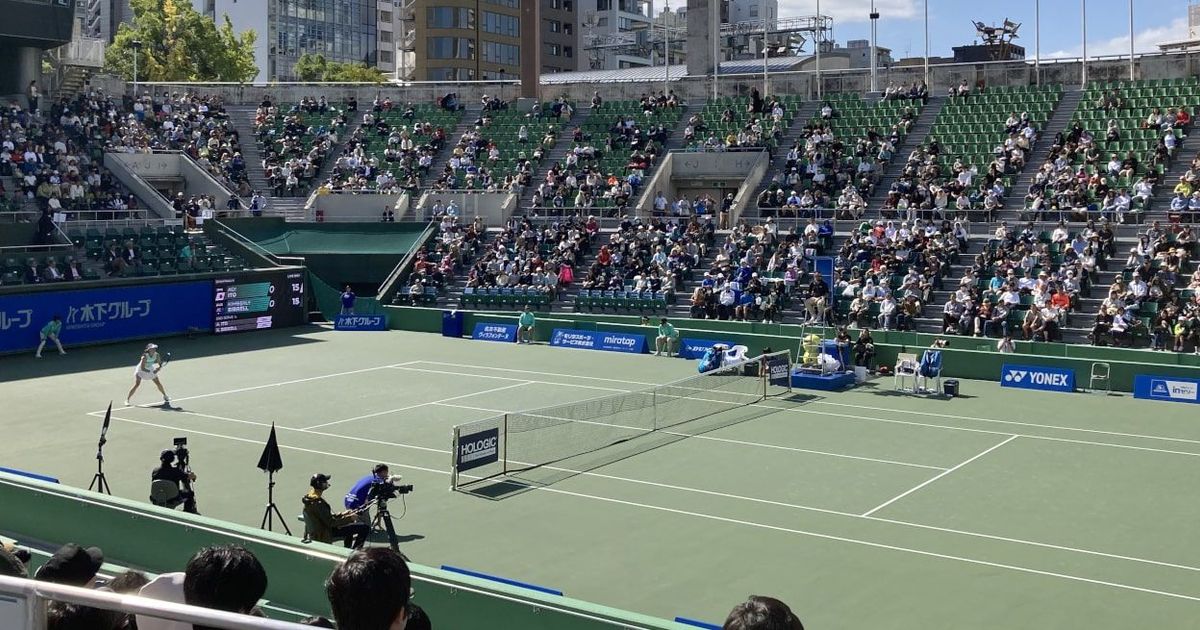
The ability to recalibrate after mid-season slumps is the true separator between transient contenders and established tour leaders. Navigating the summer transition from grass to North American hard courts, followed by an immediate relocation across time zones to East Asia, tests a player’s underlying adaptability. Rebounding in Osaka proved that technical adjustments implemented behind closed doors were beginning to yield direct competitive dividends under tournament pressure.
3 Crucial Pillars Defining the Osaka Masterclass
Analyzing this breakthrough requires examining three specific operational pillars that converged to transform routine tournament play into a career-defining week in Japan.
Relentless Baseline Dominance Over Viktorija Golubic
The tactical triumph over Golubic laid the foundation for the entire week. Against counter-punchers who thrive on dynamic changes of pace, indecision is lethal. The British star countered this hazard by taking the ball exceptionally early on the rise, effectively removing the looping bounce of Golubic’s topspin. Serving metrics climbed sharply, enabling quick holds that continuously placed scoreboard pressure on the Swiss veteran. By refusing to engage in extended, attritional rallies, the match was decided purely on power thresholds that Golubic simply could not match over fifty-odd minutes of play.
Psychological Tenacity Ending a Four Month Semifinal Drought
Breaking out of a prolonged quarter-final plateau demands intense mental resilience. Tennishead reported that Katie Boulter candidly reflected on navigating the mental strain of recent months, demonstrating that mental discipline remains as vital as physical conditioning. Elite sport frequently presents an optical dilemma where outward confidence must mask internal anxiety. Just as in filmmaking where Practical special effects mechanics reveal 4 proven secrets to craft unforgettable cinematic illusion through meticulous behind-the-scenes precision rather than smoke and mirrors, elite tennis performance relies on invisible physical conditioning and tactical discipline rather than luck. That quiet internal labor allowed her to close out tightly contested games in Osaka without the second-guessing that often plagues athletes caught in a mid-season slump.
Navigating the Looming Clash Against Katerina Siniakova
Securing the semi-final berth unlocked an elite competitive showdown against Czech standout Katerina Siniakova. As confirmed by Sky Sports, the semi-final scheduling pitted the resurgent Briton against one of the most decorated, battle-tested doubles and singles competitors on the WTA Tour. Siniakova brings extraordinary court awareness, world-class net play, and relentless defensive scrambling to any hard-court exchange. Successfully preparing for Siniakova required a shift from pure baseline aggression to heightened spatial awareness, ensuring approaches to the net were executed with surgical precision to avoid the Czech’s lethal passing shots.
Tactical Breakdown of the Kinoshita Group Japan Open Draw
The broader landscape in Osaka contextualizes the magnitude of this tournament run. As Sky Sports broadcasts the semi-final showdown, the matchup pitting Katie Boulter against Katerina Siniakova represents one of two high-stakes battles driving the tournament toward its championship climax. On the opposite side of the draw, Last Word On Sports previewed an intriguing all-American semifinal featuring Ann Li against Ashlyn Krueger, showcasing the high level of talent concentrated in the final four of the Kinoshita Group Japan Open.
This distinct contrast in semi-final pairings highlights the stylistic diversity of the Osaka draw. While Li and Krueger battled in a high-octane duel of emerging American baseline power, the contest between the British number one and Siniakova represented a clash of experienced tactical minds. Siniakova’s pedigree as an Olympic champion and Grand Slam doubles powerhouse forces her opponents to play multidimensional tennis. For the British camp, matching Siniakova’s craftiness with disciplined depth and reliable first-serve percentages represented the core tactical prerequisite for reaching the title match.
Navigating through a draw containing dynamic baseline ball-strikers like Krueger alongside nuanced tacticians like Golubic and Siniakova demands complete strategic versatility. Achieving consistent results across such wildly divergent matchup profiles demonstrates that the tactical adjustments made leading into the Asian swing were structural rather than accidental.
The Broader Strategic Horizon for British Tennis
The broader implications for Katie Boulter extend well beyond the borders of Japan. Reclaiming the national number one ranking alters the strategic landscape of British tennis as preparations begin for the upcoming Grand Slam calendar. Sustained deep runs at WTA Tour events provide critical ranking security, which directly protects against treacherous unseeded positions in early rounds of major championships.
British women’s tennis has experienced substantial shifts in momentum over recent seasons, with the national spotlight rotating rapidly across several high-profile athletes. By anchoring her campaign with a semi-final run in Osaka, the newly crowned national frontrunner provides steady, veteran stability at the upper tiers of the sport. The resilience demonstrated across her dominant performance against Golubic, coupled with the mental breakthrough of snapping a four-month semi-final drought, indicates that this late-season surge is grounded in durable mechanics.
What Osaka confirms is that Katie Boulter possesses the rare poise required to turn tactical clarity into silverware contention when conditions demand it most. As the WTA Tour moves through its final stages before the year-end wrap, the victory in Japan stands as a compelling testament to the power of persistence, physical precision, and strategic timing on the global stage.