Financial news reporting mechanics expose 4 costly illusions that distort real market perception
Behind the frantic flashing numbers on commercial news terminals lies an assembly line engineered for speed rather than economic accuracy. Discover how newsroom incentives fabricate post-hoc narratives out of random market noise.

Understanding modern financial news reporting mechanics is essential for anyone trying to navigate volatile global capital flows without losing their hard-earned perspective. When a headline flashes across an orange-tinted terminal screen announcing that an index tumbled because of sudden geopolitical tensions or surprising interest rate jitters, readers assume an investigative team uncovered a concrete causal link. The reality behind the newsroom partition is far more transactional, hurried, and mechanically constrained.
News agencies do not operate as academic economic departments. They run on industrial publishing tracks built to deliver words within seconds of an asset breaking through a key technical threshold. When prices oscillate, editors face an urgent commercial imperative to explain the swing immediately, long before clearinghouses reconcile transactions or institutional desks reveal their balance sheet maneuvers. The gap between what actually moved billions of dollars in liquidity and what appears in an afternoon news digest represents one of the widest gulfs in modern media consumption.
The Invisible Machinery Behind Every Ticker Flash
The daily rhythm of financial journalism resembles an assembly line under relentless pressure. Wire service reporters sit glued to economic release calendars, monitoring embargoed government servers and automated feeds. When statistical releases drop, automated software templates ingest raw numbers, populate boilerplate paragraphs, and blast basic alerts across institutional terminals within microsecond intervals. The human element enters only seconds later, tasked with answering a deceptively dangerous question: why did the market respond this way?
This demand creates a structural paradox. Capital markets consist of millions of independent participants, automated algorithmic market makers, hedge funds rebalancing cross-currency exposure, and passive index mandates adjusting to routine inflows. An afternoon decline of two percent across major indices rarely traces back to a single unified catalyst. Yet, the underlying financial news reporting mechanics prioritize transmission speed over economic reality. A story cannot simply announce that supply momentarily overwhelmed demand due to mechanical options hedging; it must assign intentionality, human emotion, and narrative meaning to numbers that inherently lack all three.
How High Frequency Desks Reshaped Editorial Priorities
Decades ago, financial journalism was an analytical, retrospective craft. Editors digested corporate quarterly filings over coffee, debated the macro implications with beat specialists, and printed measured assessments the following morning. Today, algorithmic trading engines ingest natural language feeds straight from news wires to execute split-second automated trades. This technological shift altered the core incentives of the editorial floor, creating an intense race to publish headline snippets that trigger institutional algorithmic buy and sell programs.
Consequently, newsrooms began indexing their editorial output around speed and market momentum rather than comprehensive verification. When an unexpected asset liquidation ripples through global exchanges, editorial desks scramble to contextualize the drop with whatever dominant macro theme happens to be trending that morning. We saw this structural panic unfold during cascading liquidations where a sudden gold and silver price decline triggers 4 major shocks across global markets, leaving generalist reporters scrambling to append neat macroeconomic explanations to complex order-book balance shifts. An inspection of historical financial news reporting mechanics reveals how terminal architecture dictated the tone of business journalism, transforming deep investigative work into reactive commentary.
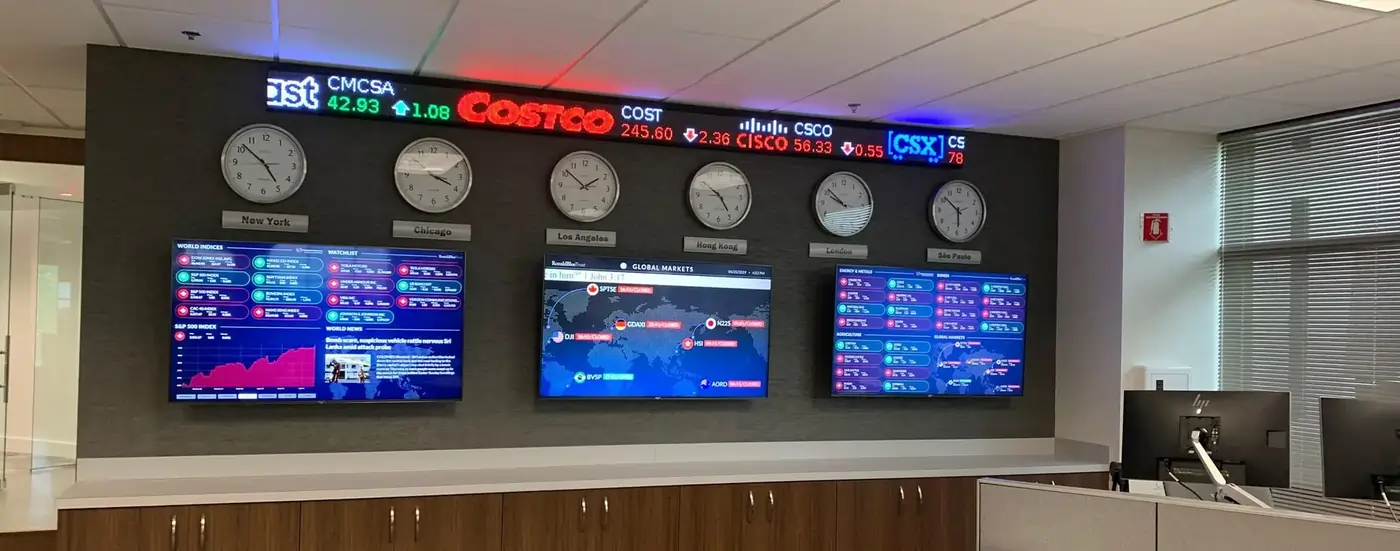
Four Flawed Patterns Inside the Modern Financial Newsroom
Behind the glossy graphics of broadcast studios and the crisp typography of financial web portals, systematic production habits distort economic facts. Recognizing these structural flaws allows investors to view breaking bulletins as operational outputs rather than incontrovertible economic truths.
Fabricating Rational Narratives for Algorithmic Liquidity Flushes
The most pervasive habit in financial journalism is the narrative fallacy. If an index drops fifty points between eleven in the morning and noon, a reporter must identify an event that occurred within that exact sixty-minute window to explain the move. If a central banker sneezed or an energy pipeline experienced a temporary pressure drop, those events are immediately declared the root cause. In reality, large institutional participants frequently unwind multibillion-dollar derivatives hedges through automated volume-weighted execution algorithms. These algorithmic runs clear bids out of the order book without caring about the morning news. Financial desks routinely construct elaborate stories around pure liquidity mechanics, leading casual readers to believe market participants share a singular, rational mind.
Amplifying Wall Street Access Over Objective Inquiry
Financial journalists depend heavily on direct access to prominent investment bank strategists, sovereign wealth officers, and hedge fund managers. When markets shudder, reporters pick up their phones and call familiar institutional trading desks to gather rapid quotes. However, these analysts are rarely objective observers. They speak for institutions actively managing massive proprietary books, marketing proprietary exchange-traded funds, or defending underwriting relationships. Quoting an analyst who proclaims that a particular asset class represents an unmissable buying opportunity ignores an unspoken vulnerability in financial news reporting mechanics where cordial desk access often trumps adversarial skepticism. Institutional talking heads use press releases and background quotes to cultivate retail sentiment that directly serves their liquidity needs.
Conflating Transmission Velocity with Actual Substance
In modern financial wire services, winning by two seconds is treated as an editorial triumph, even if the reporting lacks essential context. Beat writers write preliminary market wraps hours before the trading bell, leaving empty bracketed slots to paste in closing percentages and hastily selected analyst soundbites. This structural rush produces what media analysts at the Reuters Institute for the Study of Journalism identify as compressed verification loops. When an unsourced rumor flashes across social channels, wire services face unbearable pressure to publish matching alerts lest competitors claim the traffic. Nuance, historical precedent, and balance sheet verification are sacrificed to feed the instantaneous demands of commercial news tickers.
Engineering Permanent Crisis to Harvest Retail Attention
Modern publishing economics reward visceral emotional friction. A headline warning that a catastrophic crash looms on the horizon commands vastly higher engagement than an analytical note explaining that corporate earnings grew at an unglamorous three percent. Newsrooms routinely invite hyper-bearish forecasters onto live segments because apocalyptic predictions trigger primal survival instincts, keeping readers glued to live blogs and television feeds. What retail investors fail to notice is that these sensationalized financial news reporting mechanics prey on psychological vulnerabilities rather than cultivating analytical discipline. Panic keeps traffic high, but it routinely wrecks the emotional equilibrium of everyday market participants.
Decoding Financial Bulletins Like an Institutional Trader
Professional institutional asset managers rarely read financial news the way everyday retail investors do. Seasoned capital allocators treat news coverage as a lagging sentiment indicator rather than an actionable signal. By the time a mainstream media outlet reports that a specific commodity, tech sector, or currency is surging, the underlying institutional trade is usually mature, saturated, and approaching distribution.
Savvy market participants realize that standard financial news reporting mechanics produce systemic narrative lag. Instead of accepting the dramatic adjectives chosen by an editor, experienced traders strip away the emotional framing to examine the raw source material: primary regulatory filings, audited cash flow statements, central bank reserve ledgers, and auction bid-to-cover ratios. They understand that financial headlines document where capital has already traveled, not where it is preparing to go. Observing how a market reacts to news offers far more intelligence than the news itself; when an asset falls despite glowing headlines, institutional distribution is underway, regardless of what the headline claims.
Cultivating Discernment in an Era of Sensationalized Feeds
Thriving amid the endless barrage of business headlines requires establishing rigid media hygiene. Readers must learn to decouple the underlying price action from the narrative wrapper an editor assembled under a looming deadline. Every time an alarming headline claims that an economic development spells immediate disaster or guaranteed fortune, pause and evaluate the industrial incentives of the publishing outlet.
Ask basic diagnostic questions whenever a breaking notification arrives. Does this dispatch cite verified primary transaction data, or is it merely replaying conversational quotes from analysts talking up their own book? Is the movement driven by a genuine fundamental transformation, or is the reporter struggling to explain an algorithmic margin flush? Recognizing the structural boundaries and unmasking these financial news reporting mechanics grants individual investors the clarity required to protect their portfolios, reject manufactured panic, and observe market dynamics with quiet, enduring composure.