Cycling drafting mechanics and 4 proven rules to master aerodynamic speed
Sliding into another rider’s slipstream does far more than shield you from the wind; it rewires the physics of energy expenditure. Learn the science of low-pressure wakes and the four foundational rules that turn road air into free speed.
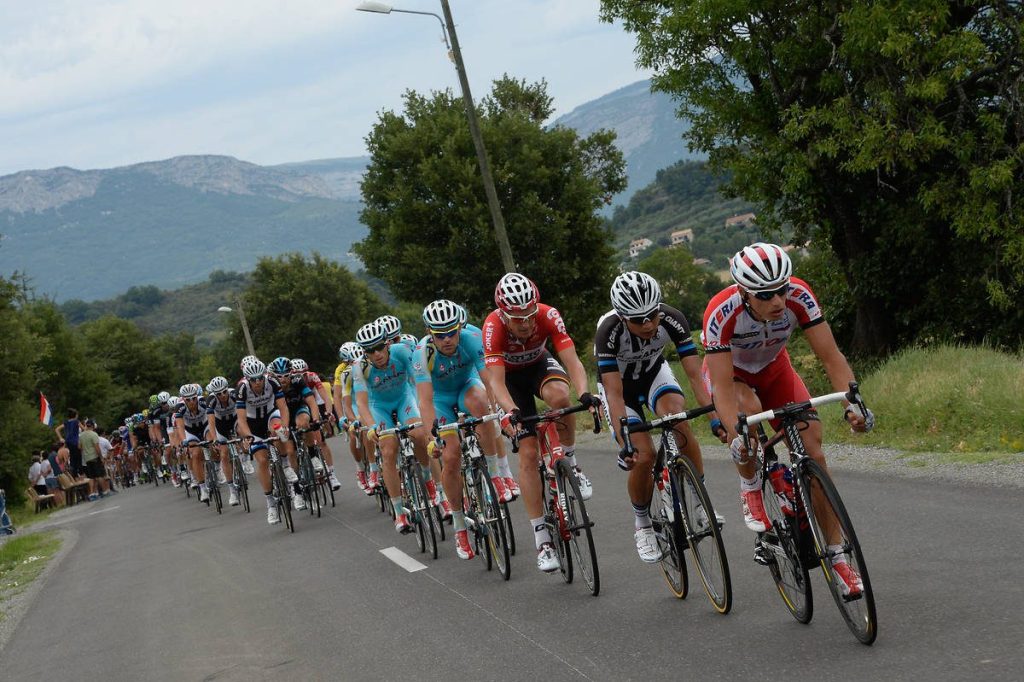
Mastering cycling drafting mechanics changes how you experience the road, converting a punishing wall of headwind into an invisible protective cocoon. At thirty-five kilometers per hour, nearly ninety percent of a cyclist’s physical exertion goes toward shoving aside atmospheric air. The road rises, gravel chatters beneath carbon rims, and gravity claims its tax on climbs, yet nothing robs muscular stamina quite like aerodynamic drag. Sliding tucked behind another rider’s rear wheel feels like stepping through a portal where physical resistance suddenly slackens. The roar in your ears dims to a hush, your pedal stroke lightens, and your lungs recover even as the speedometer holds steady.
This effortless sensation is no optical trick. It is pure applied Newtonian physics operating at the knife edge of human endurance. Drafting transforms cycling from a brutal individual calorie burn into a fluid collective dance where competitors share kinetic burdens. Whether navigating a tense local paceline or fighting crosswinds in a continental classic, understanding how air behaves around moving bodies unlocks reserves of speed you never knew existed.
The fluid dynamics of the boundary layer and moving air
Air behaves fundamentally as an incompressible fluid at cycling speeds, possessing viscosity, mass, and inertia. As a cyclist cuts through the atmosphere, their helmet, handlebars, chest, and knees collide with stationary air molecules, forcing them apart and generating an aggressive zone of high positive pressure directly in front of the bike. At the same time, air rushing over the rider’s curved back struggles to stay attached to their contours. It separates abruptly behind the saddle, shearing into an erratic whirlpool of negative pressure known to fluid dynamicists as a turbulent boundary layer wake.
This low-pressure wake behaves like an aerodynamic vacuum, pulling backwards against the lead cyclist and demanding relentless mechanical work to overcome. Slotting a second bicycle directly into that wake produces an immediate dual benefit, which forms the foundational physics behind cycling drafting mechanics. The follower enters an existing low-pressure pocket where incoming air molecules have already been pushed outward and accelerated forward. Crucially, the trailing rider does not merely receive a free ride; their physical presence actually fills the aerodynamic void behind the leader, smoothing airflow detachment and reducing drag on the front rider by two to three percent. Groundbreaking wind tunnel research conducted by the aerodynamics research team at Eindhoven University of Technology demonstrated that riders in a tightly packed group experience dramatic drag reductions far beyond what earlier solitary calculations predicted. Moving through air as a unified formation fundamentally rewires the aerodynamic cost of locomotion.
Physiological dividends of tucking into the slipstream
The mechanical savings wrought by fluid dynamics translate directly into physiological salvation inside the human body. When you sit in clean air pushing forty kilometers per hour on flat asphalt, your legs must generate approximately three hundred to three hundred and twenty watts of mechanical power depending on your frontal surface area. Drop into the slipstream of a single teammate just inches away, and that demand collapses to roughly two hundred watts. If you bury yourself deep within the belly of a fifty-rider peloton, your required power output can plunge by an astonishing sixty percent, requiring mere recovery wattage while the group flies along at race pace.
This drastic drop in metabolic cost directly alters cellular fuel consumption. Muscle glycogen stored in skeletal tissue and the liver represents an extraordinarily scarce biological currency, capped at roughly two thousand calories of high-octane energy before an athlete faces total exhaustion. By measuring the energetic payoff of cycling drafting mechanics in high-speed competition, physiologists observe that drafting preserves these critical glycogen pathways by keeping the cardiovascular engine comfortably below the anaerobic threshold. Blood lactate remains clear, core temperature climbs far more slowly, and breathing frequency settles into rhythmic homeostasis. This metabolic discount allows a rider to shelter in relative calm for four hours before uncorking a violent acceleration in the final kilometer.
Mastering cycling drafting mechanics with 4 proven rules of the road
Translating aerodynamic theory into effortless pack riding requires disciplined spatial awareness, nervous system composure, and refined bike-handling habits. Mastering cycling drafting mechanics with 4 proven rules of the road elevates your riding from accidental drafting into intentional aerodynamic mastery.
Lock your front wheel to the sweet spot without overlap
The most powerful drafting suction exists within fifteen to thirty centimeters of the leader’s rear tire. Every inch beyond that pocket dilutes aerodynamic savings, exposing your helmet and shoulders to swirling boundary turbulence. However, getting close demands strict adherence to the golden rule of pack safety: never allow your front wheel to overlap the rear wheel of the rider ahead.
When two wheels overlap side by side, the slightest lateral deviation by the leader brings their spinning rear rim into contact with your front tire. Because the front wheel governs steering rake and caster trail, even a featherlight brush will snatch the handlebars out of your grip before your reflexes can register the threat. The front rider rarely even notices the tap, while the trailing cyclist suffers an instantaneous high-side tumble. Keep your front hub strictly behind the leader’s cassette, maintaining a straight-line buffer that allows for sudden micro-swerves around road debris.
Read the invisible wind vector to align your echelon angle
Air rarely hits a cyclist from dead ahead. The true aerodynamic environment is defined by apparent wind, the resultant vector created by combining the natural ambient wind speed and direction with the ground speed of the bicycle. When ambient air blows diagonally across the road, the low-pressure pocket does not trail directly backward; it shears diagonally across the asphalt toward the leeward shoulder.
When peloton veterans apply cycling drafting mechanics to turbulent side gusts, they form diagonal stairs called echelons. Instead of sitting square on the wheel ahead, you tuck your front wheel just behind the leader’s leeward hip and thigh, sheltering inside the angled aerodynamic wedge. If you misjudge this vector and sit directly behind the front wheel during a severe crosswind, you receive zero aerodynamic protection while believing yourself sheltered. Riding an echelon requires relentless attention to flags, treetops, and roadside foliage to align your frame precisely with the shifting axis of apparent wind.
Feather your speed using cadence adjustments instead of brakes
Grabbing a handful of brake while tucked twenty centimeters off a wheel creates an immediate emergency for everyone behind you. Mechanical brakes scrub speed with jerky suddenness, sending a violent compression wave rippling through the paceline. Veteran riders govern their distance almost exclusively through micro-adjustments in cadence, pedaling pressure, and subtle aerodynamic drag modulation.
To close a gap smoothly, click down one cog and smoothly spin up your pedal stroke without standing. When you need to decelerate slightly, do not clamp your brake levers. Simply pause your pedaling for a single half-stroke, sit upright for two seconds to catch a pocket of clean wind against your chest, or drift six inches outward into the boundary airflow to bleed speed via natural wind resistance. These soft corrections keep the paceline supple, steady, and free from the panic of sudden lockups.
Anticipate line disruptions through the hips of the front rider
Fixating on the black rubber tread of the tire spinning four inches before your nose is the quickest way to crash. Staring at the rear tire creates tunnel vision, paralyzing your peripheral vision and leaving you vulnerable to sudden stops. Elite riders look completely through the leading cyclist, training their soft focus thirty to fifty meters down the asphalt while monitoring the leader’s torso with their lower peripheral field.
A rider’s hips and lower spine reveal directional changes hundreds of milliseconds before the bicycle shifts underneath them. When a lead cyclist spots road debris or prepares to swerve around a drain cover, their pelvis tilts, their core muscles contract, and their elbows tense long before the handlebars pivot. By reading these biomechanical cues through the front rider’s hips, you mirror their line instinctively, gliding around obstacles as if both machines were tethered by an invisible steel wire.
Common draft zone illusions and dangerous tactical missteps
Even experienced athletes fall prey to false senses of security when navigating dense formations. One of the most punishing errors in group riding is misunderstanding the accordion effect. When the rider at the front of a long paceline brakes hard into a tight curve and subsequently sprints out of the apex, that speed fluctuation magnifies exponentially down the line. What felt like a gentle feather of the brakes at the front turns into an agonizing dead sprint forty riders back.
Much like the sudden spatial collapses observed when the VGK endures 4 costly breakdowns against Tampa Bay in Las Vegas showcase, a single miscalculated gap in a peloton creates cascading defensive vulnerabilities that rip the entire formation apart. If an intermediate rider lets a two-meter hole open between wheels, the slipstream snaps like a dry twig. Riders stacked behind are suddenly plunged back into direct atmospheric drag, forced to burn precious anaerobic matches simply to close the chasm. Knowing when to close a gap immediately and when to let the formation settle requires understanding that failing to respect the underlying cycling drafting mechanics leads directly to the dreaded accordion effect and unrecoverable splits.
Turning aerodynamic science into permanent tactical instinct
At its core, road cycling is not an athletic exhibition of who can exert the most brute wattage in isolation. It is a grand strategic exercise in atmospheric conservation. The rider who crosses the finish line with their arms raised in triumph is rarely the individual who produced the highest average power over four hours. More often, it is the rider who hid so quietly in the low-pressure pocket that their energy reserves remained pristine for the final four hundred meters.
Internalizing these aerodynamic principles requires time, calm nerves, and hundreds of hours spent rubbing elbows in rotating groups. As your spatial perception matures, the air stops feeling like an empty void and begins to register as a tangible fluid map filled with currents, safe harbors, and turbulent rapids. You learn to listen to the pitch of the wind singing through your spokes, sensing instinctively where pressure drops and drag vanishes. In the end, mastering cycling drafting mechanics transforms raw athletic power into tactical dominance, turning the very air that seeks to slow you into your greatest competitive ally.