Katie Boulter Overcomes 3 Major Obstacles in Dramatic Japan Open Campaign
British tennis standout Katie Boulter weathered sudden evacuations and persistent rain halts to deliver a commanding opening performance in Osaka. Her ability to reset under volatile conditions underscores her growing authority on the grueling autumn WTA circuit.
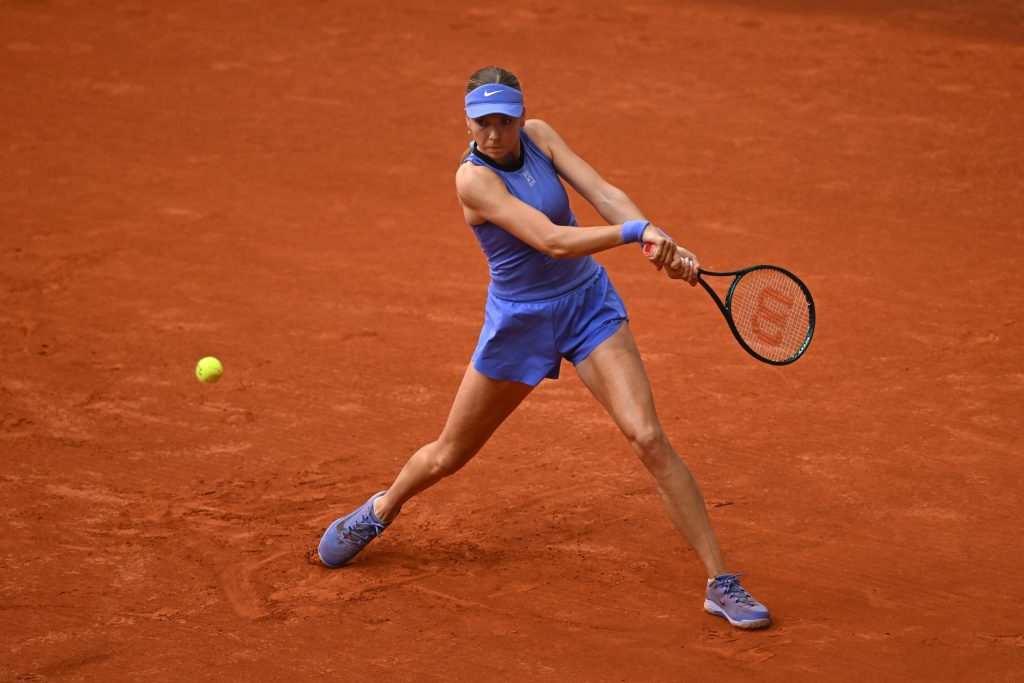
British tennis star Katie Boulter endured torrential rain and disruptive court evacuations before mounting an emphatic opening-round victory at the Japan Open in Osaka. Operating under unpredictable autumn weather that threw the Kinoshita Group Japan Open schedule into disarray, the British number one proved that modern tennis demands as much psychological fortitude as physical execution. Stoppages in professional tennis are rarely simple pauses; they disrupt circadian rhythms, cool warm muscles down to dangerous stiffness, and force athletes to wage an internal battle against creeping doubt inside cold locker rooms.
Weather disruptions at outdoor tournaments frequently favor the disruptor over the front-runner. When momentum evaporates because of external circumstances, matches frequently invert upon resumption. Yet, as reported by BBC Sport, the top-ranked Briton refused to let the volatile conditions derail her campaign, producing a commanding, emphatic display once tournament officials finally cleared the courts for play. The victory was far more than a routine advance into the round of 16; it served as a masterclass in professional patience amid administrative chaos.
The Abrupt Halting and Evacuation at the Kinoshita Group Japan Open
For Katie Boulter, the unexpected suspension arrived at an awkward juncture during the contest when weather conditions in Osaka deteriorated beyond playable safety standards. As reported by the Daily Express, match officials were forced to step in and instruct the players to leave the court immediately as rain swept across the venue, prompting the stands to empty out as spectators sought refuge under covered concourses. What began as a standard opening-round contest transformed into a drawn-out logistical waiting game that stretched support teams to their operational limits.
Rain delays present one of the most severe physiological challenges on the WTA Tour. Players must continuously cycle through dynamic warm-up routines, consume precisely timed complex carbohydrates, and preserve nervous energy without allowing muscle tone to drop into lethargy. In elite athletic performance, maintaining biomechanical fluidity after an unexpected four-hour stoppage is remarkably similar to culinary chemistry, where understanding Emulsion mechanics and 4 proven rules to prevent disastrous broken sauces shows how microscopic disruption can instantly unravel an otherwise perfect balance under volatile temperatures. A single lapse in hydration, nutritional timing, or mobility can lead to early-set cramping or an immediate loss of serving rhythm upon resumption.
3 Major Obstacles Katie Boulter Mastered to Secure Her Emphatic Victory
Turning an interrupted match into a resounding statement requires solving multiple interdependent problems in real time. Rather than allowing external frustration to dictate her shot selection, the British front-runner engineered solutions across three distinct tactical and logistical dimensions.
Navigating Unrelenting Rain Delays and Abrupt Court Evacuations
The primary battle took place off the court rather than across the net. When play was halted and spectators evacuated, the stadium atmosphere shifted from an energetic international tournament to a desolate, wet holding pattern. Experienced tour veterans recognize that these empty hours represent a psychological trap. Players who spend the delay checking social media, obsessing over radar maps, or complaining about court-drying machinery invariably emerge flat and reactive. Sky Sports noted that the Briton put the extended rain delays entirely behind her, demonstrating the maturity of a competitor comfortable with elite tour friction.
Recalibrating Tactical Momentum After Extended Locker Room Stoppages
Re-entering the court after an extended hiatus demanded that Katie Boulter recalibrate her strike zone against significantly heavier, moisture-laden balls. Wet court conditions inherently slow surface speed while damp felt increases ball weight, dulling the natural penetration of aggressive flat baseline drives. Adapting to these physical shifts required shortening backswings and driving through the contact point with heightened core stability. Instead of attempting overly ambitious winners from deep positions, she methodically targeted deep central zones to pin her opponent behind the baseline, forcing erratic replies before stepping forward to dictate with authoritative baseline pace.
Preparing for a Dangerous Second Round Clash With Viktorija Golubic
Survival in early tournament rounds is meaningless if an athlete expends every reserve of emotional capital in the process. The scheduling congestion caused by weather delays means recovery windows shrink dramatically. Live tournament listings from Sky Sports confirm that the second round now pits Katie Boulter against Swiss veteran Viktorija Golubic at the Kinoshita Group Japan Open. Golubic represents a classic stylistic foil, boasting a versatile, one-handed backhand, exceptional slice variations, and the tactical patience to redirect pace. Transitioning from the power-oriented demands of her opening contest to the intricate slice-and-dice geometry of Golubic requires immediate tactical recalibration without the luxury of a full rest day.
Broader Ramifications for the British Flagship and the Global WTA Autumn Circuit
The Asian autumn swing represents one of the most punishing segments of the international tennis calendar. With the race to the WTA Finals reaching its boiling point, top competitors across the globe are fighting through deep physical fatigue and recurring minor ailments. The Independent highlighted how late-season pressure has intensified across every tier of the sport, noting the broader tour context where even perennial powerhouses face qualifying volatility as the season reaches its finale. In such an unforgiving competitive environment, every main-draw victory provides invaluable ranking protection and solidifies seedings for upcoming Grand Slam events.
Investigating how Katie Boulter handles late-season physical fatigue provides a compelling look into her athletic evolution. Earlier in her career, back injuries and endurance concerns often derailed promising runs when tournament schedules compressed. Her performance in Osaka demonstrates an evolved physical ceiling built on meticulous strength conditioning and preventative biomechanics. Sustaining high first-serve percentages and defending expansive defensive corridors after prolonged stoppages proves that her athletic base can now absorb the grueling demands of international travel without structural breakdown.
Furthermore, her continued success carries profound weight for British tennis leadership. Serving as the nation’s undisputed standard-bearer, her stability on foreign hard courts offers a blueprint for younger compatriots transitioning from junior circuits to the unforgiving professional tour. When young domestic prospects watch their national leader brush off rain delays, administrative evacuations, and tactical adjustments to close out matches in straight sets, it reinforces an uncompromising standard of professional resilience.
The Psychological Anatomy of Surviving Week-One Tennis Chaos
Tournament tennis rarely follows an idealized script. The romanticized vision of pristine, sun-drenched center courts frequently yields to the harsh reality of drizzle, slick lines, delayed transportation, and sparse, rain-soaked grandstands. Winning under optimal conditions is the bare baseline requirement for a professional athlete; winning under degraded, frustrating conditions is what separates tour journeymen from consistent contenders.
When play resumed in Osaka, there was no tentative feeling-out period or nervous tentative baseline pushing. Boulter stepped up to the service line with purposeful posture, attacking early in the rally and dictating terms on crucial break points. That ability to dial up baseline aggression immediately following a lengthy stoppage stripped her opponent of any tactical hope, confirming that Katie Boulter possesses the composure needed to navigate deep into tournament draws regardless of atmospheric disruption.
As the Kinoshita Group Japan Open races to compress its match schedule, the psychological advantage shifts heavily toward players who embrace adversity rather than resist it. By mastering weather delays, unexpected court clearings, and technical adjustments in her Osaka opener, the British front-runner demonstrated the elite emotional endurance required to conquer the autumn swing. With Viktorija Golubic awaiting across the net, the blueprint remains unchanged: stay balanced, respect the conditions, and strike when the opening appears.