Breaking news verification mechanics and 4 essential rules that stop catastrophic errors
When crisis strikes, the rush to publish can destroy journalistic credibility in seconds. Discover the technical verification mechanics and editorial air gaps that keep elite newsrooms accurate under immense pressure.

Mastering breaking news verification mechanics separates seasoned newsrooms from digital aggregators that gamble with public trust during volatile, fast-developing events. When an explosion rattles an urban center, an aircraft drops off civilian radar, or an unverified manifesto circulates on encrypted message boards, information environments degenerate into immediate chaos. The human impulse is to explain, amplify, and react. The journalistic mandate, however, is precisely the opposite: to introduce deliberate friction into an accelerating news cycle.
Speed is intoxicating, but an unforced editorial correction issued after millions have consumed a falsehood damages public trust irreparably. In high-stakes journalism, the cost of being second is minuscule compared to the catastrophic cost of being wrong. Developing a systematic approach to incoming signals protects journalists from becoming unwitting conduits of state propaganda, algorithmic churn, or coordinated disinformation campaigns.
The High Stakes Engine of Real Time Information Flow
The modern information landscape does not trickle through official press syndicates before reaching the public; it floods across decentralized platforms simultaneously. Eyewitnesses upload pixelated footage within seconds of an incident. Bad actors remix historical footage from conflicts a decade past, labeling it as active combat. Automated bots flood targeted hashtags to distort situational awareness, creating manufactured consensus where none exists.
Newsrooms navigating this deluge operate under asymmetric warfare conditions. Fabricating a convincing digital lie takes seconds, whereas verifying or debunking that claim requires forensic effort, phone calls, and technical scrutiny. At its foundational level, breaking news verification mechanics relies on immediate triage rather than immediate transmission. Editors must systematically categorize incoming inputs into verified facts, unverified leads, and intentional decoys before a single sentence appears on a live crawl or push alert.
Every raw dispatch possesses an evidentiary half-life. Early casualty estimates fluctuate wildly, official spokespeople operate on outdated assessments, and social feeds fill with panic-driven hyperbole. Navigating this fog requires reporters to treat every piece of incoming media as suspect until its provenance, timeline, and contextual integrity have survived rigorous examination.
The Hidden Architecture of Rapid Verification Under Extreme Pressure
Behind every reliable breaking news alert lies a disciplined forensic methodology. Elite wire desks and national newsrooms do not rely on gut instinct; they employ open source intelligence techniques, digital forensic tools, and traditional shoe-leather reporting in parallel. When a dramatic video surfaces purporting to show an ongoing disaster, the investigative clock starts ticking immediately.
The first task is isolating the digital footprint. This begins with extracting EXIF metadata, scraping original file headers, and identifying the earliest instances of the asset on the internet. Reverse image searches often reveal that a viral video claiming to show a current military strike is actually repurposed footage from an industrial explosion years prior, or even gameplay footage from hyper-realistic military simulators. Forensic scrutiny must also evaluate weather conditions, shadows, foliage, and structural landmarks against satellite imagery using chronolocation and geolocation techniques.
Simultaneously, the human dimension must validate the digital trail. Algorithms cannot replace speaking directly to local emergency dispatchers, nearby hospital administrators, or verified community leaders. Understanding breaking news verification mechanics requires tracing the immediate lifecycle of a raw dispatch from its digital point of origin to physical, ground-level corroboration. When technological analysis matches independently vetted human testimony, the baseline threshold for reporting is finally reached.
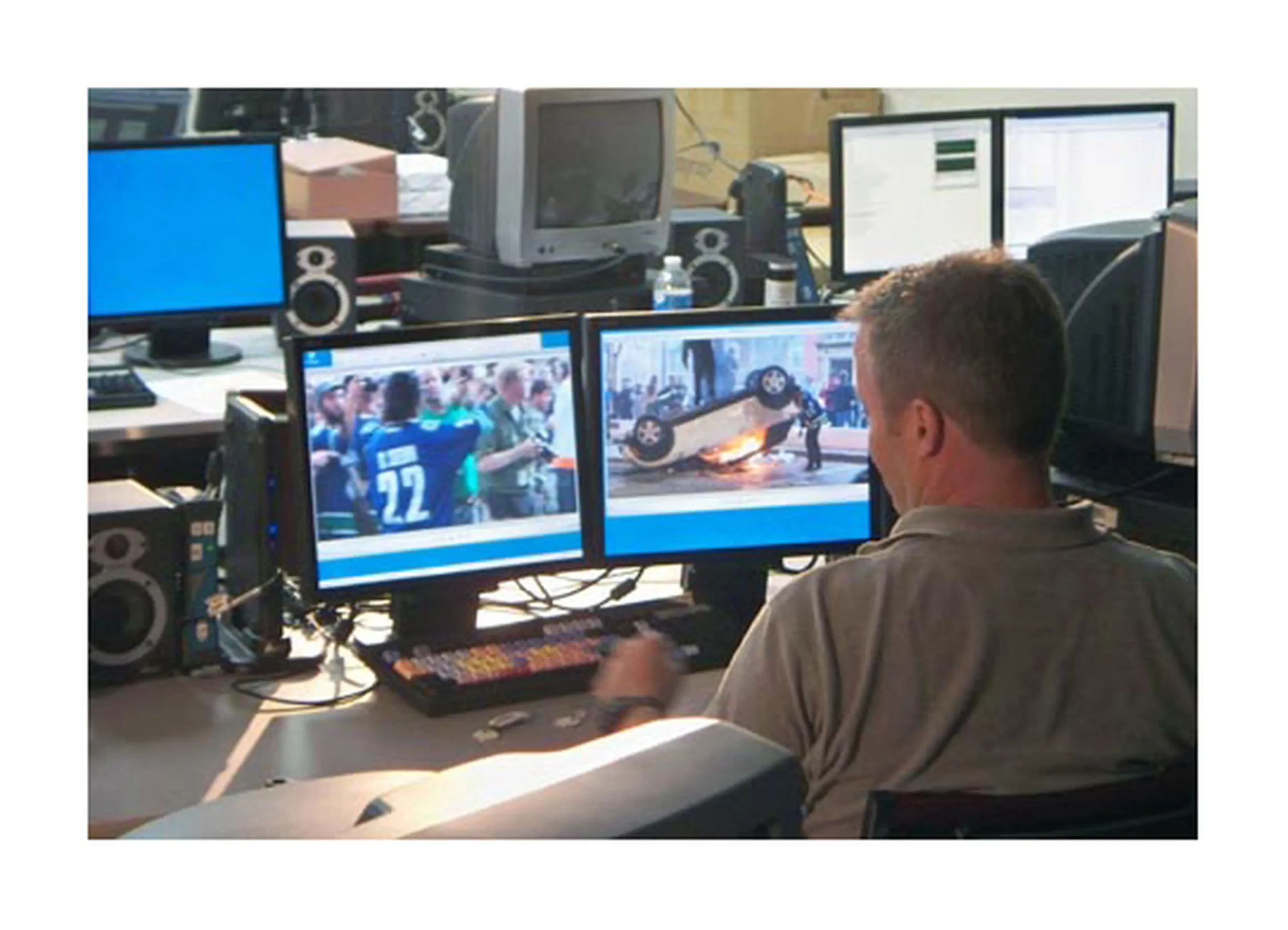
Four Essential Principles That Keep Newsrooms Accurate During Crises
Codifying breaking news verification mechanics requires converting abstract editorial principles into concrete, non-negotiable operational checkpoints. These four rules establish clear guardrails that prevent panic-driven errors from polluting the historical record.
Triangulating Primary Evidence Across Independent Sources
A single source is never an excuse to publish a world-altering claim. Even two sources are insufficient if both draw their knowledge from the same initial memo, private chat room, or press officer. Authentic triangulation requires independent points of origin that do not rely on a shared information node.
Reporters must actively map source lineage. If three distinct social media accounts post the exact same phrasing, they are not three independent witnesses; they are an orchestrated campaign or an echo chamber replicating an unverified rumor. True corroboration means matching an eyewitness on the ground with physical telemetry, commercial satellite imagery, or local public records. The moment a newsroom accepts circular sourcing as validation, accuracy collapses.
Scrutinizing Chronolocation and Metadata Before Amplification
Within disciplined breaking news verification mechanics, every piece of visual documentation must undergo forensic examination before it touches an editorial queue. Bad actors intentionally strip metadata from photographs and recompress video files to mask manipulation. Newsrooms must deploy software tools that analyze visual compression artifacts, inconsistent shadow angles, and audio track anomalies.
Chronolocation represents the gold standard of visual verification. By calculating sun angles at specific geographic coordinates using ephemeris tools, investigators determine whether daylight and shadows match the reported time of an event. If a viral clip shows long afternoon shadows but the incident purportedly took place at midday, the footage is disqualified immediately. This technical barrier prevents outdated or fabricated media from contaminating the editorial pipeline.
Treating Official Statements as Claims Rather Than Fact
One of the most dangerous vulnerabilities in journalism is deference to authority during initial chaos. Government spokespeople, police press offices, and corporate representatives operate under severe limitations during breaking crises. They frequently receive fragmented briefings, protect institutional liabilities, or repeat unvetted early field reports.
Editorial integrity demands framing official statements as claims attributed to specific institutions rather than objective reality. A press release stating an event occurred in a certain manner is merely proof that the agency made the statement, not that the event happened as described. Grounding editorial standards in the Society of Professional Journalists Code of Ethics reinforces that reporters must independently test official statements against observable facts, physical records, and eyewitness testimony.
Establishing Unbreakable Air Gaps Between Verification and Publishing
When competitive pressure mounts, the boundary between investigating an event and publishing an alert tends to blur. Newsrooms protect themselves by implementing structural air gaps: the team tasked with vetting incoming information must be insulated from the editorial desk responsible for audience metrics, television broadcasts, or social media publishing.
This structural separation prevents publishing enthusiasm from overruling evidentiary caution. If a producer can bypass the fact-checking desk to break a story two minutes ahead of a rival, the system fails. The verification team must possess unilateral authority to hold a story until every evidentiary requirement is met. Speed is a tactical advantage, but accuracy is an existential requirement.
Cognitive Pitfalls and Institutional Culture in Modern Wire Desks
Even with rigorous technical protocols in place, human psychology remains the ultimate point of failure during breaking news. The fear of missing out on a massive story generates profound cognitive bias. Editors subconsciously lower their skepticism when incoming information aligns with pre-existing political narratives or intuitive expectations.
Competitive news desks often mirror volatile sports matches where adrenaline overtakes methodical discipline. Much like how a sudden turnaround shows how Alejandro Davidovich Fokina Sparks 4 Crucial Shifts in Shanghai Masters by capitalizing on high-speed tactical disruption, an unexpected breaking bulletin can throw an entire newsroom into reactionary frenzy if editors abandon their standard rhythm. When a rival network flashes an urgent banner across their broadcast, the psychological pressure to match the report without independent verification is overwhelming.
The cognitive friction at play reveals why breaking news verification mechanics must operate as a collective muscle memory rather than individual discretion. Overcoming herd behavior requires establishing a newsroom culture where holding back an unconfirmed bulletin is celebrated as an editorial victory. Journalists must feel empowered to say three critical words when pressed by management or the public: we do not know yet.
Building an Evergreen Protocol for Truth in an Era of Instant Noise
The tools used to manipulate public perception will continue to evolve, from altered audio snippets to deepfake video synthesis. However, the foundational methods required to deconstruct those fabrications remain anchored in timeless verification principles. The medium changes, but the physics of evidence remain constant.
By enforcing repeatable breaking news verification mechanics, news organizations transform the inherent chaos of raw information into dependable public insight. Newsrooms must commit to ongoing technical training, maintain open-source verification toolkits, and conduct transparent post-mortem reviews whenever an error slips through the net. Publishing an immediate correction and openly explaining how an analytical protocol failed builds far more long-term credibility than doubling down on a flawed premise.
In a world drowning in synthetic content and emotional reactivity, disciplined journalism is not defined by who shouts the loudest or reports the fastest. It is defined by who remains calm enough to sift through the noise, question every assumption, and deliver undeniable reality. Ultimately, institutional commitment to sound breaking news verification mechanics proves that getting the facts right will always outlast the fleeting dopamine rush of being first.