Heath Ledger and 4 Crucial Stories Behind His Tragic Genius
Decades after his passing, newly surfaced reflections from veteran costars, comedy legends, and film retrospectives reveal the multifaceted brilliance of Heath Ledger. Here is how his creative legacy continues to reverberate.
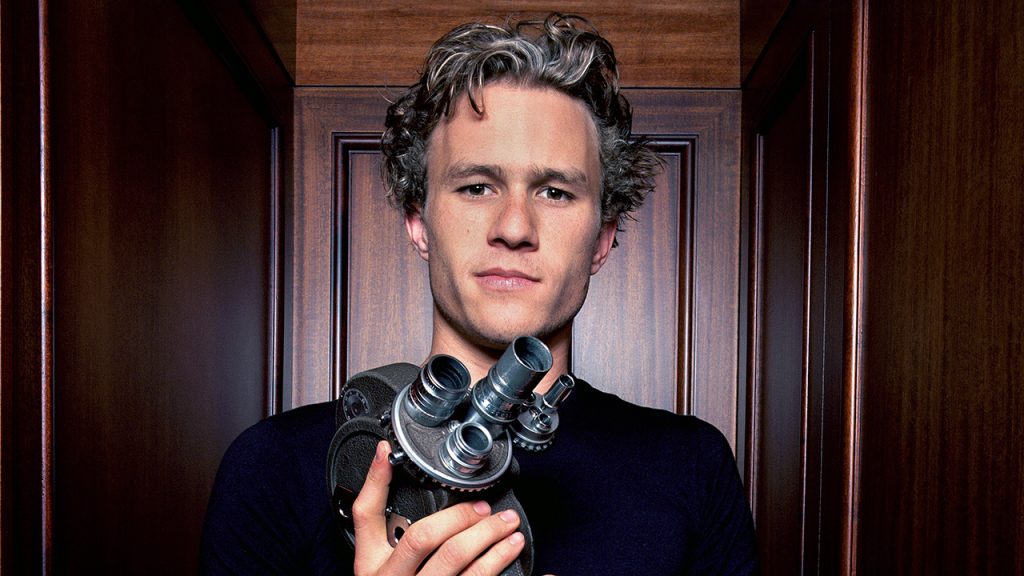
The enduring artistic influence of Heath Ledger continues to captivate audiences worldwide, reminding modern film lovers of a singular talent gone far too soon. Long after his tragic death in January 2008, the Australian actor remains a benchmark for creative immersion, fearlessness, and emotional weight. Whenever his name resurfaces in public discourse, it is rarely due to hollow nostalgia. Instead, fresh revelations from collaborators, memoir releases, and cinema retrospectives routinely pull his multifaceted body of work back into the center of the cultural landscape.
Ledger was never an artist content with the comfortable boundaries of Hollywood stardom. Having shattered early labels as a teen heartthrob, he continually dismantled expectations, transitioning from romantic leads to raw dramatic powerhouse roles with startling speed. The current resurgence of interest surrounding his career underscores how deeply his brief presence altered the expectations placed on screen performance, character deconstruction, and creative reinvention across generations.
The Cultural Shockwave That Refuses to Fade
Public fascination with departed screen legends often follows a predictable cadence of anniversaries and re-releases, yet viewers are reminded that Heath Ledger occupied an unrepeatable space that defies easy categorization. His absence left an unfilled void in modern storytelling, sparking recurring waves of tribute across contemporary media. The instinct to honor transformative cultural figures remains universal, surfacing everywhere from intimate artistic retrospectives to televised competitive spectacles. As reported by People magazine regarding seasonal television traditions such as the Dedication Night on Dancing with the Stars, performers instinctively gravitate toward honoring creative icons who provided the emotional architecture for their own artistic ambitions.
That persistent impulse to memorialize artistic titans highlights how Ledger’s spirit continues to animate current performers. Whether in dance tributes, dramatic acting masterclasses, or director panels, the Australian polymath represents an uncompromising ideal of commitment. He did not merely recite dialogue; he physically bent narratives around his presence, leaving behind a compact catalog that still generates critical debate and deeply personal emotional responses.
Inside the 4 Crucial Dimensions of an Unfinished Creative Evolution
Understanding why his influence remains potent requires examining newly resurfaced accounts that illuminate the breadth of his artistry. Far from being defined solely by a single performance or an untimely departure, his career spanned profound camaraderie, sharp comedic instinct, auteur ambitions, and a transformative philosophy of cinematic antagonists.
Gary Oldman and the Unfiltered Grief on The Dark Knight Set
Among the most poignant reflections to emerge in recent conversations is veteran actor Gary Oldman candidly revisiting the period surrounding Ledger’s passing. As reported by Entertainment Weekly, the British acting titan opened up in rare comments about the devastating moment the cast and crew absorbed the news. Oldman, who portrayed Commissioner Jim Gordon opposite Ledger’s Joker, captured the sheer disorientation that struck the production community when the sudden passing of Heath Ledger hit the production during post-production.
Oldman’s account dispelled enduring tabloid mythologies, emphasizing instead the infectious creative energy, professional respect, and quiet brilliance Ledger brought to rehearsals and set days. Rather than an artist consumed by darkness, colleagues remember an energetic collaborator whose generosity elevated everyone sharing the frame. Hearing a revered screen veteran like Oldman speak with unvarnished vulnerability decades later demonstrates the permanent imprint Ledger etched into the ensemble of that groundbreaking production.
The Comedic Instincts Magda Szubanski Witnessed Behind the Red Carpet
While global audiences associate him heavily with dramatic intensity, Magda Szubanski revealed an unexpected side of Heath Ledger that Hollywood rarely showcased. Writing in her recent memoir, as highlighted by The Guardian, the celebrated Australian comedic performer detailed an affectionate and hilarious encounter with Ledger following their famous 2006 Logies red-carpet moment. Dubbed the pash that stopped the nation, the spontaneous interaction became a piece of Australian pop culture folklore.
Szubanski revealed that Ledger possessed zero Hollywood pretension, actively approaching her to pitch an outrageous narrative arc where he would play the stalker of her iconic character Sharon Strzelecki on the beloved sitcom Kath and Kim. This delightful behind-the-scenes revelation showcases his sharp, self-effacing wit and absolute willingness to puncture celebrity self-seriousness. It serves as a tender reminder that behind the brooding character work lay an energetic performer who loved broad satire and pure absurdity.
Directorial Vision Cut Short After Raindance and Early Indie Roots
Beyond his celebrated acting resume, archival reflections spotlighted by Raindance illustrate how Heath Ledger sought to shift his trajectory toward visionary filmmaking behind the lens. Long before international blockbusters cemented his face on billboards, his formative days took root in independent Australian cinema, marked by early projects like The Sugar Factory in the late 1990s. Those scrappy indie beginnings instilled in him a deep reverence for the complete cinematic apparatus.
Raindance documented how his ambitions evolved from performance toward auteur directing, leading him to helm visually daring music videos and lay the groundwork for what was meant to be his feature directorial debut. He spent his final months meticulously storyboarding sequences, studying lens choices, and dissecting lighting ratios. The retrospective underscores an agonizing creative tragedy: the world did not merely lose one of its finest screen actors, but an emerging cinematic director whose visual literacy was poised to deliver boundary-pushing independent cinema.
The Unapologetic Villain Philosophy That Redefined Modern Cinema
The cultural footprint of Ledger’s screen work remains anchored by his redefining take on antagonistic storytelling. In a thoughtful cultural analysis, Trill examined why audiences harbor an enduring fascination for unapologetic villains, citing the profound shift that occurred when Heath Ledger created the Joker for Christopher Nolan. Prior to that historic performance, blockbuster villains frequently relied on elaborate sympathy mechanics or melodramatic trauma origins to justify their actions to audiences.
Ledger inverted the formula completely. By refusing to offer moral excuses, redemption pathways, or palatable psychology, he presented chaos as an unadulterated aesthetic philosophy. The result was not repulsive, but strangely magnetic. Audiences found themselves completely transfixed by an antagonist possessing absolute ideological clarity, creating a seismic shift in how Hollywood screenwriters and performers have constructed cinematic adversaries ever since.
Precision Artistry Beyond the Frame
The discipline required to craft such timeless art shares clear parallels with foundational technical crafts outside of dramatic storytelling. True creative mastery demands an uncompromising grasp of equilibrium, whether an artist is balancing character psychology or an artisan is balancing chemistry in a kitchen. Much like understanding Pan sauce mechanics and 4 proven rules that prevent greasy separated sauces, where an emulsion collapses the instant heat, fat, and liquid fall out of harmony, Ledger’s performative power relied on exquisite internal calibration. Had his chaotic villainy tipped even slightly too far into melodrama, the illusion would have fractured into absurdity.
Instead, he maintained total command over voice, cadence, posture, and rhythm. That relentless insistence on structural balance allowed him to take colossal artistic risks without losing narrative coherence. Colleagues routinely remarked on how deliberate his choices were, proving that true spontaneity on screen is always earned through rigorous, quiet groundwork behind the scenes.
Why Cultural Memory Refuses to Let Him Go
Artistic legacies are fragile things, often dulled by passing trends, changing visual styles, and shifting audience sensibilities. Yet as the world reflects on what Heath Ledger built in a heartbreakingly brief career, his work feels as urgent and electric today as it did when it first shocked theaters. The newly surfacing reflections from veteran actors, Australian comedic royalty, and international film institutes do not paint a picture of a tragic recluse; they paint a portrait of an energetic, generous, and endlessly curious creator who squeezed centuries of artistic innovation into twenty-eight short years.
He left modern culture with a timeless masterclass in fearless authenticity. By refusing to take the predictable route, constantly searching for challenging collaborators, and viewing every frame as a canvas for genuine disruption, he guaranteed that his place in cinematic history would remain immovable. Long after trend spikes settle and retrospective discussions quiet, his uncompromising spirit will continue to inspire anyone brave enough to step in front of, or behind, a camera.