Script doctor mechanics and 4 proven rules that salvage broken Hollywood blockbusters
Behind the glamorous curtains of Hollywood cinema lies the invisible world of narrative surgeons who salvage multi-million-dollar film disasters. Explore the rigorous mechanics of script doctoring and how uncredited rewrites transform chaotic drafts into timeless masterworks.

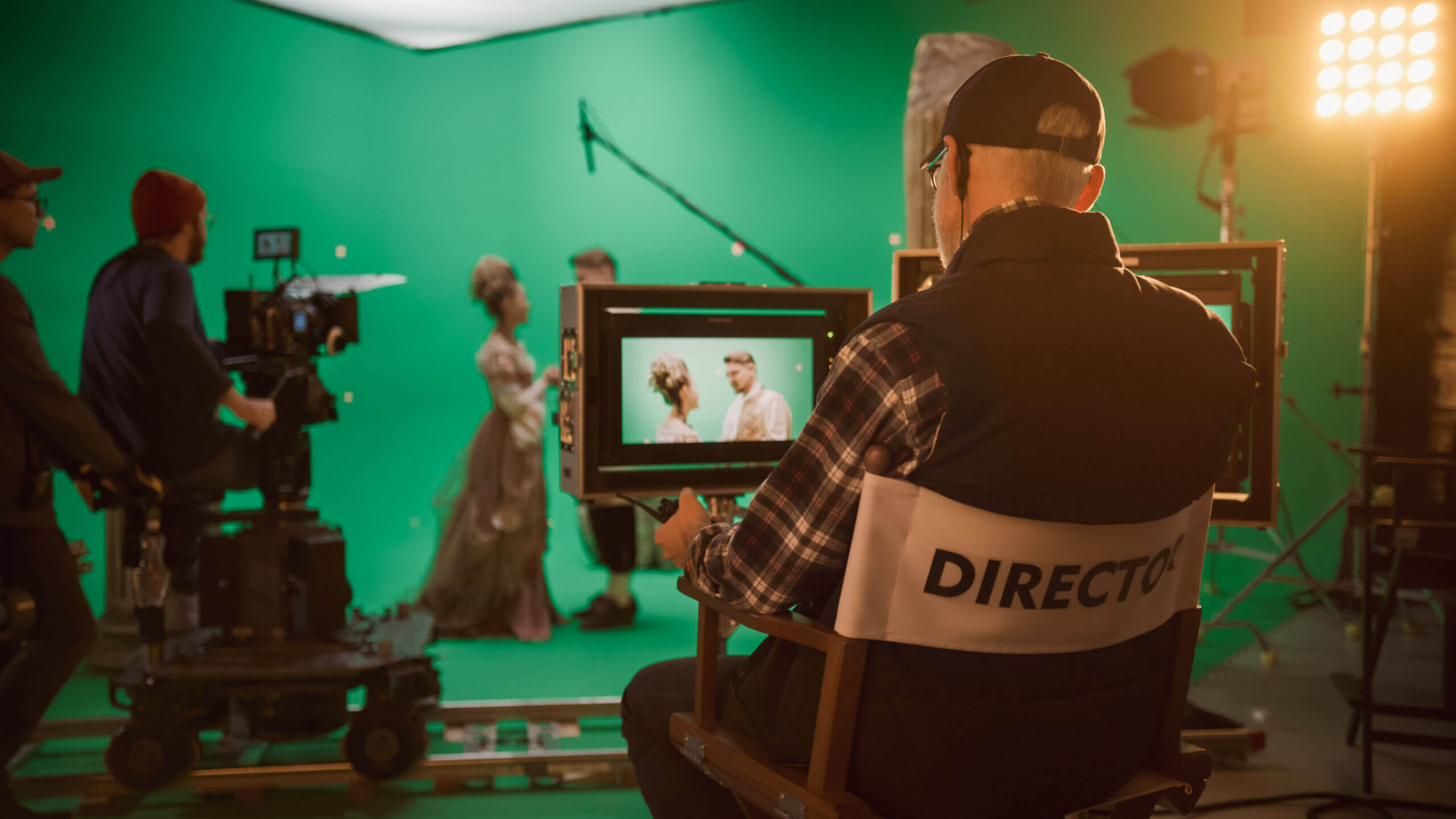
Behind the glamorous facades of Hollywood cinema, script doctor mechanics quietly rescue multi-million-dollar cinematic catastrophes long before the cameras roll on set. Production executives wake up in cold sweats when an impending hundred-million-dollar tentpole lacks narrative cohesion. The sets are built, the actors are fitted in wardrobe, and the release date is locked into global theater distribution schedules. Yet the script is a dead weight, sprawling across one hundred and forty disorganized pages without genuine dramatic tension. Enter the narrative surgeon: an uncredited master writer hired on a frantic weekend retainer to dissect the text, locate the hemorrhaging plot points, and rebuild the story from the bone marrow up.
This high-stakes intervention is not about vanity or literary prestige. Film production is an industrial beast where lost momentum burns hundreds of thousands of dollars per hour. When a studio calls for emergency remediation, they do not want poetry. They want architectural integrity. The master polishers who step into these crisis rooms possess an uncanny diagnostic instinct, treating pages like malfunctioning circuitry where every loose wire drains kinetic energy from the audience experience.
Why Hollywood Secretly Relies on Narrative Surgeons
The cinema industry thrives on a paradox. Studios require massive collaboration involving hundreds of artisans, yet a narrative requires singular, uncompromising clarity to move a human heart. Often, original screenplays suffer from creative exhaustion. An auteur or writing team might spend four years rewriting a concept through endless studio notes, producer mandates, and focus group memos. By the time greenlight financing arrives, the script has become an incoherent chimera designed by committee.
Script doctors provide the detached objectivity of an emergency room specialist. They do not care about the emotional battles fought over a favorite piece of dialogue in draft three. They evaluate only what is happening on the page right now. Their mandate is singular: diagnose the structural arrhythmia, eliminate dead narrative tissue, and restore the pulsing heartbeat of the central dramatic argument.
The Hidden Science of Diagnosing a Dying Screenplay
Most failed screenplays do not die from a lack of inventive ideas. They collapse under the suffocating weight of too many unresolved promises. Understanding modern script doctor mechanics requires peeling back the myth that screenwriting is purely intuitive inspiration. At its core, dramatic storytelling functions through rigorous causal geometry. Every scene must either advance the narrative quest or reveal character through non-negotiable conflict. When a draft stalls in its second act, amateurs often try to inject superficial spectacles like an unearned explosion, a sudden shootout, or an arbitrary romantic misunderstanding.
A seasoned script surgeon looks beneath the flash. They audit the emotional ledger of the protagonist, tracking where the dramatic stakes bleed away into passive observation. In high-pressure studio environments, discretion is just as vital as craft. Writers work in absolute confidentiality, much like investigative newsrooms where anonymous source mechanics and 4 proven rules that prevent devastating journalistic scandals ensure truth emerges without burning delicate institutional relationships. The script doctor operates in the shadows, leaving no fingerprint on the formal credits while entirely overhauling the thematic machinery that keeps the viewer glued to the screen.
Four Proven Rules That Turn Narrative Disasters into Cinematic Gold
When studios deploy script doctor mechanics under crushing production deadlines, the objective is never broad experimental revision. Precision beats comprehensive overhaul every single time. By focusing on targeted structural leverage points, these four fundamental principles turn sprawling narrative train wrecks into tightly wound cinematic powerhouses.
Clarify the Protagonist Drive Within the First Ten Minutes
Passive protagonists are silent box-office killers. When an audience leaves a theater feeling dissatisfied, they rarely blame the lighting or the lens choices; they resent spending two hours with a lead character who merely reacts to circumstance. A broken script almost always features a protagonist floating through incidents like a cork drifting on open water. The first structural fix sharpens desire into a razor edge.
The protagonist must want something specific, urgent, and tangible before the tenth page concludes. Whether escaping a corrupt regime, retrieving a stolen heirloom, or protecting an estranged child, that goal must create continuous downstream consequences. The narrative physician relentlessly interrogates the hero’s active choices: what happens if they do nothing? If the answer is that the plot happens anyway, the premise is fundamentally flawed. By converting passive passengers into desperate drivers of their own fate, the forward momentum snaps into place.
Strip Away Cluttered Subplots to Expose the Emotional Spine
Writers often compensate for a weak central dynamic by inventing sprawling secondary storylines. When the emotional core between the protagonist and their central foil lacks electricity, peripheral cousins, forgotten mentors, and redundant side quests proliferate. This surgical subtraction sits at the core of script doctor mechanics, where eliminating thirty pages of thematic baggage instantly restores vitality to the primary dramatic arc.
Every scene in a feature film must justify its real estate against the core thematic argument. If a subplot fails to test the protagonist’s central flaw or complicate their immediate objective, it must be carved away without mercy. Elite script polishers do not measure progress by how many lines they write, but by how many distractions they eradicate. When you strip the narrative down to its load-bearing beams, the fundamental relationships finally have room to breathe and resonate.
Weaponize Dialogue Subtext Over Clunky Exposition
First drafts are routinely weighed down by characters who loudly explain their feelings, histories, and strategic plans directly to each other. Human beings rarely speak in pure truth; they converse in evasions, deflections, defense mechanisms, and guarded desires. When an actor is forced to deliver literal exposition, the scene curdles into educational melodrama.
The surgical adjustment here involves burying the truth beneath active conflict. If two estranged siblings must discuss a traumatic childhood betrayal, they should not debate it across a therapist’s couch. They should fight over the legal division of their mother’s rusting car while rushing to meet a bank deadline. By forcing dialogue into conflict with physical action, the subtext emerges naturally between the spoken lines. The audience leans forward, instinctively decoding what the characters refuse to admit aloud.
Re-engineer Third Act Consequences to Maximize Catharsis
A weak climax inevitably points to a third act where the external conflict is resolved without internal transformation. Blockbuster disasters frequently collapse into noisy visual-effects chaos during the final thirty minutes because the protagonist’s survival relies on coincidence rather than internal sacrifice. The villain is defeated by a falling ceiling beam or a sudden military intervention, leaving the audience feeling cheated out of emotional closure.
The rewrite must engineer a crucible where external triumph demands psychological surrender. The protagonist cannot defeat the antagonistic force using their original playbook; they must abandon the protective lie they believed in the opening reel. When physical resolution is intertwined with psychological death and rebirth, spectacle transforms into profound catharsis. The ending feels both astonishing and utterly inevitable.
The Invisible Craft That Separates Art from Commerce
The cultural fascination with script doctor mechanics stems from the fundamental tension between industrial manufacturing and artistic expression. A studio film represents hundreds of millions of invested capital, marketing arrangements, and corporate expectations. Yet, despite all the algorithmic modeling and demographic research available to modern producers, an audience cannot be coerced into caring about cardboard archetypes.
Great script physicians understand the delicate psychology of the collaborative filmmaking engine. They do not arrive on set to antagonize the original screenwriter or dictate terms to an exhausted director. Instead, they act as objective mirrors, reflecting the purest version of what the project originally aimed to achieve. As documented across the historical records of the American Film Institute educational archives, some of the most celebrated masterworks in cinematic history owe their iconic scenes, unforgettable monologues, and airtight pacing to uncredited rewrite specialists who stepped in at the eleventh hour.
Mastering the Narrative Engine for Perennial Impact
By studying the rigor of script doctor mechanics, storytellers across every medium gain a profound appreciation for structural discipline. Story is not a sequence of random events stitched together by whimsy. It is an intentional pressure cooker designed to test the human spirit under unforgiving conditions. When characters are clear in their ambitions, dialogue crackles with withheld truths, and consequences hit with devastating weight, narrative magic feels effortless.
Ultimately, script doctor mechanics remind us that great cinema is rarely born immaculate on the first pass. Masterpieces are forged through relentless revision, ruthless subtraction, and an unshakeable commitment to emotional authenticity. The quiet heroes typing away in midnight hotel rooms while film crews stand by prove that words remain the ultimate engine of entertainment. When the foundation is sound, the entire cinematic temple stands firm for generations.