USWNT Faces 4 Crucial Tactical Tests Against World Champion Spain in Fierce Rematch
Emma Hayes and the American squad confront reigning world champion Spain in Chester with vital tactical recalibrations. Here is how the high-stakes rematch exposes the evolving strategic demands of modern international football.
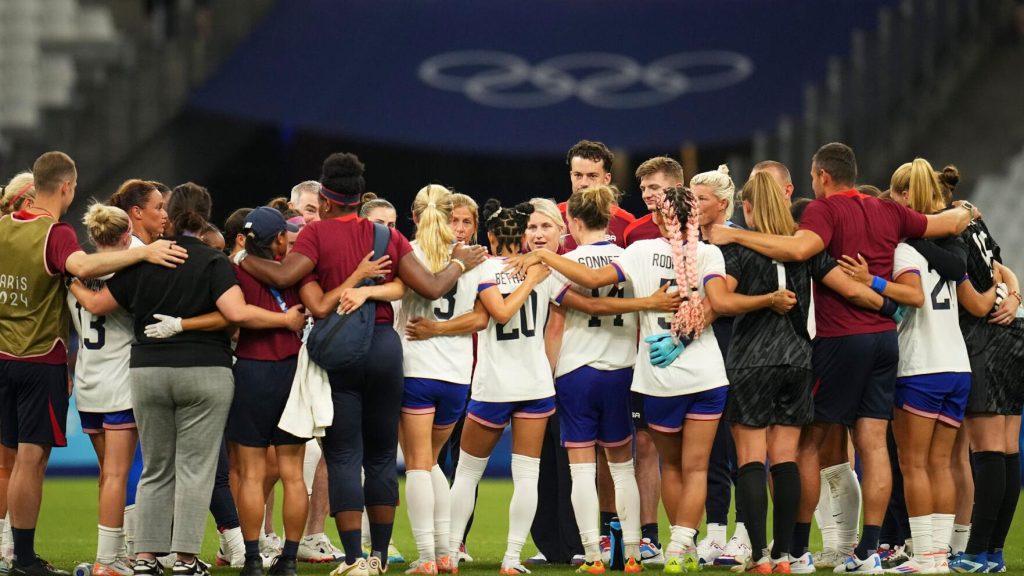
When the USWNT walked onto the grass at Subaru Park in Chester, Pennsylvania, redemption was the singular objective. A humbling defeat in the preceding encounter against reigning world champion Spain had shattered any lingering illusion that athleticism alone could dismantle the most sophisticated passing collective on the planet. As reported by the Times Union, this international window was never intended to be an ordinary autumn exhibition; it was conceived as an exacting diagnostic designed to measure where the American program truly stands against the undisputed benchmark of modern soccer. The fallout from that opening defeat generated palpable urgency, transforming what might have been a routine friendly into an intense tactical referendum.
The lessons delivered in the first match were as unvarnished as they were instructive. Spain did not merely win; they orchestrated tempo, choked off transition outlets, and exposed positional gaps between the American midfield and defensive backline. For a program accustomed to imposing its physical will on international opponents, being made to chase shadows across ninety minutes forced an uncomfortable internal reckoning. Facing the world champions in consecutive matches provides nowhere to hide, turning the return fixture into an immediate test of managerial adaptability and squad resilience.
Emma Hayes Demands Immediate Firepower Following an Opening Defeat
Head coach Emma Hayes made it unequivocally clear through ESPN that the USWNT required an immediate surge in tempo from the opening whistle. Hayes lamented the sluggish beginnings that allowed Spain to establish rhythm and dictate spatial control uncontested. Against a possession-heavy adversary, passive openings are disastrous. Spain thrives when allowed to settle into rhythm, stringing together dozens of low-risk passes that systematically drain the physical and mental reserves of defending players.
Hayes pointed directly to the psychological hesitation that plagued the squad during the previous contest. Rather than challenging the first pass out of the back, the American front line dropped into an uncertain posture, ceding territorial initiative. Against an elite Spanish midfield driven by intricate triangular combinations and microscopic ball control, granting time on the ball guarantees defensive exhaustion. Hayes emphasized that defensive aggression must ignite at the opening kickoff. The demand was simple yet uncompromising: eliminate passive observation, press with unified intent, and force Spain to make decisions under genuine physical duress.
The Chester Rematch and the Search for Midfield Control
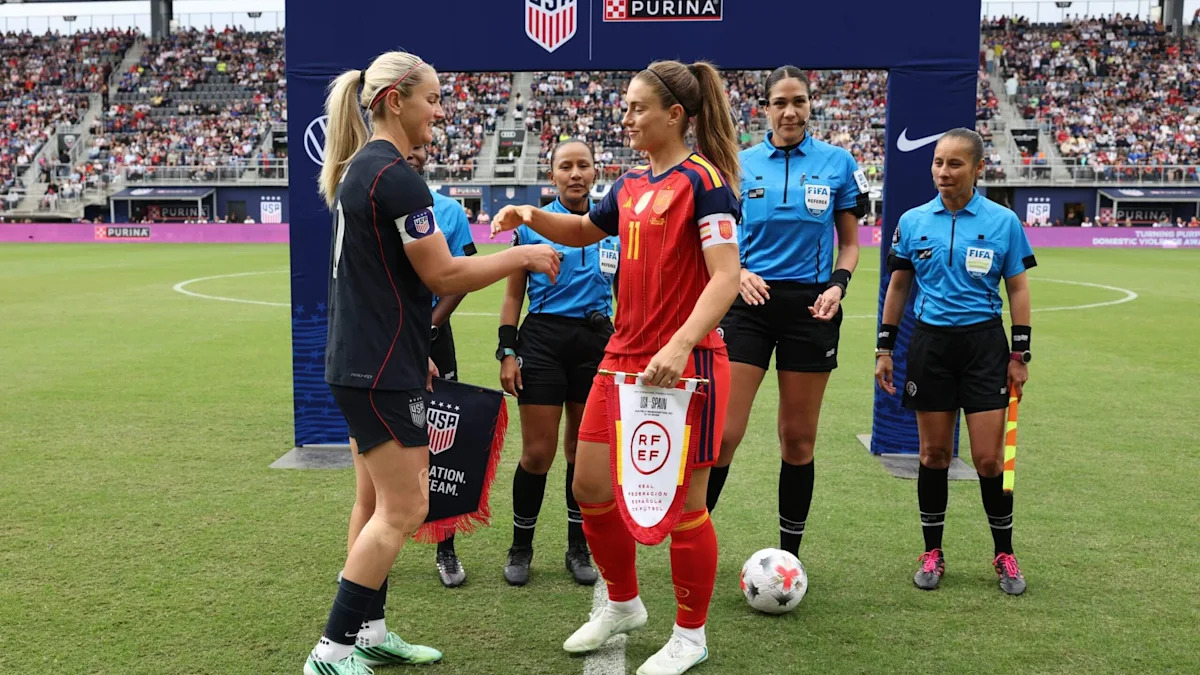
The atmosphere at Subaru Park offered an intimate, intense stage for the second chapter of this international clash. As reported by The Philadelphia Inquirer, the opening loss injected ferocious competitive spice into the Chester fixture, forcing the USWNT to confront tactical vulnerabilities in front of a passionate home crowd. Chester became the focal point of a clash between two fundamentally distinct footballing cultures: the vertical, explosive power of American tradition versus the patient, positional geometry perfected by the Spanish federation.
Live tracking from Yahoo Sports underscored how both technical staffs approached the rematch with calculated adjustments, fine-tuning starting lineups to solve problems exposed only days earlier. Spain arrived in Pennsylvania with no intention of treating the match as a polite exhibition. Their pressing traps, central overloads, and positional discipline were executed with the cold efficiency of a team defending its global status. For Hayes, bridging the gap between American athleticism and elite European tactical sophistication requires surviving these exact crucibles. The second match stood as a proving ground for structural maturity under relentless pressure.
4 Crucial Tactical Adjustments Required Against Spain
Overcoming the world’s premier national team demanded concrete structural revisions across every phase of play. Dissecting the adjustments reveals the intricate balancing act Hayes faced as she rebuilt the team’s tactical identity.
Disrupting Spanish Possession High Up the Pitch
The foundational challenge against Spain lies in breaking the rhythm of their build-up play before it crosses the halfway line. The tactical blueprint dissected by The Athletic revealed that the USWNT must close passing channels before Aitana Bonmatí and her peers orchestrate open spaces. When opponents sit in a passive mid-block, Spain methodically stretches the defensive shape, shifting the ball horizontally until an incisive diagonal pass penetrates between fullback and center-back. Hayes emphasized coordinated triggers where the center forward and attacking midfielders press simultaneously, isolating the Spanish deep playmaker and preventing clean distribution into the channels. Without collective synchronicity, an uncoordinated press merely exposes acres of grass behind the midfield line, providing Spain with effortless avenues into dangerous territory.
Refining the Transition Pace for Sophia Wilson and the Attack
Speed remains the ultimate equalizer, but raw pace without precise timing produces turnover after turnover. Under Hayes, modernizing the offensive architecture of the USWNT demands swift positional discipline, ensuring that dynamic forwards like Sophia Wilson can exploit the space vacated by Spain’s advancing fullbacks. During the opening defeat, American counterattacks frequently broke down due to disjointed runs and rushed final balls into crowded areas. Correcting this requires rapid vertical release paired with secondary runners arriving late at the edge of the penalty area. If the front line can pin Spain’s central defenders in isolated one-on-one duels, the resulting chaos disrupts Spain’s defensive balance and forces their midfielders into recovery sprints they desperately prefer to avoid.
Fortifying Defensive Compactness Between the Lines
Surrendering space in the pocket between midfield and defense proved fatal in the opening clash. Spain thrives on overload principles, dragging opposing defensive midfielders toward the touchline before slipping pinpoint passes into the central corridor. To neutralize this threat, the American defensive block must operate with accordion-like fluidity, compressing the vertical distance between the backline and the midfield duo to no more than fifteen yards. When that central pocket vanishes, Spanish playmakers are forced backward or pushed out wide toward crossing positions where American aerial strength holds a clear advantage. Maintaining that degree of defensive discipline across ninety minutes requires continuous communication and relentless stamina, denying Spain the central avenues where their technical brilliance thrives.
Seizing Set Piece Superiority Under Intense Pressure
In matches decided by razor-thin tactical margins, dead-ball situations represent the most direct path to goal. The physical height and aerial presence of the American squad remain among the most formidable weapons in international soccer, yet these advantages were largely neutralized in the first meeting by imprecise delivery and aggressive Spanish zonal marking. Hayes spent significant preparation time reorganizing corner kick routines and attacking free kicks to create targeted mismatches against smaller Spanish defenders. Crafting structured screens that free primary targets at the far post transforms routine set pieces into catastrophic defensive events for an opponent built primarily for open-field possession rather than physical box defending.
System Diagnostics and Organizational Pressure Under Fire
Every elite sports organization encounters moments where existing paradigms must undergo unflinching reevaluation. Competing against reigning world champions forces an athletic institution to assess every facet of its operational philosophy, from tactical methodology to tactical intelligence under extreme stress. Just as high-stakes institutions conduct deep audits after performance lapses, the technical staff around the USWNT treats these exhibition battles as non-negotiable stress tests. In the corporate and financial world, failure to adapt to evolving compliance landscapes produces catastrophic breakdowns, an organizational dynamic analyzed in Bank of America Fine Triggers 4 Major Shocks Across Global Banking.
For Hayes, the pressure to deliver results while overhauling a team’s playing identity is immense. The modern international landscape has evolved rapidly, with European nations investing unprecedented resources into women’s academies, professional leagues, and tactical pedagogy. The days when pure athletic superiority could guarantee trophies have decisively vanished. Embracing this reality requires psychological resilience from the players and managerial conviction from the sideline. Facing Spain twice in rapid succession provides real-time data on how effectively players absorb instruction, withstand positional frustration, and execute complex tactical shifts under hostile game conditions.
The Long Strategic View Toward Global Supremacy
The narrative surrounding this two-match series extends far beyond the final scoreline recorded in Chester. While immediate victory serves as validation, the true objective is establishing a sustainable framework capable of triumphing at future World Cups and Olympic tournaments. The lessons extracted from competing against Spain illuminate the exact technical benchmarks required to dominate international women’s soccer over the coming decade. Players must master when to accelerate play and when to retain possession, balancing dynamic American athleticism with cerebral, European-style patience.
Emma Hayes came into the role knowing that cultural transformation is messy and fraught with public scrutiny. Defeats against elite opposition are painful, but they offer far more instructional value than comfortable victories against second-tier competition. Whether navigating tactical growing pains or climbing back to the summit of the women’s game, the USWNT remains at a pivotal crossroad. By facing the ultimate standard in world football directly, the squad accelerates its maturation, proving that the pursuit of excellence requires confronting one’s greatest vulnerabilities on the world stage.