Breaking news verification mechanics and 4 proven rules that prevent devastating media errors
When chaotic events erupt, speed often tempts newsrooms into publishing unverified rumors that destroy decades of hard-won credibility. Understanding the core mechanics of verification provides the essential armor every editor needs to deliver swift, unassailable truth.
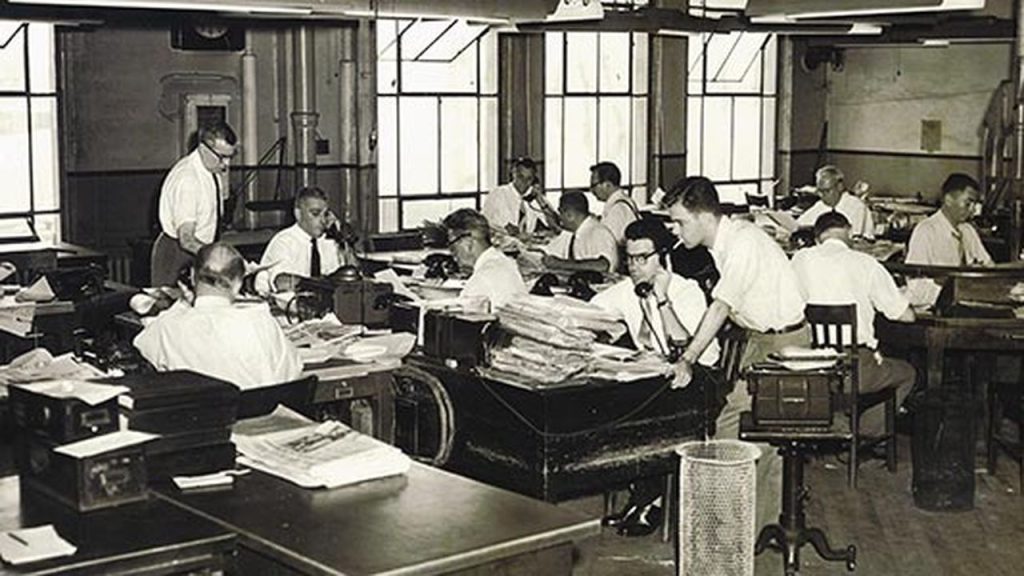
Mastering breaking news verification mechanics separates elite newsrooms from reckless aggregators when chaotic bulletins flood the wire and adrenaline threatens sound judgment. In the opening moments of an unfolding crisis, information does not arrive neatly packaged. It pours in through fractured police dispatches, panicked bystander clips, conflicting agency statements, and speculative chatter designed to hijack attention. The instinct to hit publish and capture the initial wave of digital traffic is intoxicating. Yet every rushed alert carries an existential hazard, because once an erroneous alert crosses the wire, a reputation forged over decades evaporates in seconds.
Journalistic credibility is not an abstract virtue. It is an operational shield built upon methodical skepticism. The tradecraft of verification is not about slowing down reporting out of bureaucratic timidity; it is about establishing a rigorous parallel workflow that interrogates incoming claims at the exact speed of their arrival. When editors treat validation as an active forensic discipline rather than an afterthought, they transform the newsroom from a reactive megaphone into an authoritative filter for the public.
The Relentless Speed Trap of Modern Digital Wires
The core tension of any news desk lies in the friction between urgency and certainty. When a major story breaks, competing outlets monitor the same public feeds and whisper networks. The silence of an empty home page feels deafening while rivals splash urgent banners across the web. That silence, however, is often the sound of editorial survival. Desks that surrender to the temptation of premature aggregation almost always find themselves trapped in a confirmation cascade, where three separate outlets cite each other as confirmation without a single reporter having verified the foundational claim.
At its core, breaking news verification mechanics demands a psychological awareness of the adrenaline loop that tempts editors to hit publish before corroborating basic facts. Human cognition under stress naturally seeks patterns that validate initial assumptions. If an early report aligns with an existing editorial narrative or popular dread, journalists lower their guard. They mistake volume for validity, assuming that hundreds of identical messages on social channels represent independent eyewitnesses rather than automated bots and digital echo chambers recycling the exact same unconfirmed rumor.
The cost of this failure extends far beyond a corrected banner or a sheepish editorial retraction. Erroneous reporting during breaking emergencies misdirects public emergency services, slanders innocent bystanders whose images are swept into the digital frenzy, and deepens cynicism toward civic institutions. Operating an editorial desk without systematic brakes mirrors the structural dangers seen in volatile corporate finance, where neglecting fundamental operating leverage mechanics and 4 proven rules that prevent catastrophic profit collapse can wipe out an entire enterprise when fixed pressures suddenly outpace real-time risk controls.
Why Algorithmic Noise Subverts Editorial Rigor
Modern news environments present an unprecedented level of adversarial deception. Bad actors deliberately manipulate digital assets during breaking events to sow confusion, skew ideological coverage, or simply harvest programmatic ad revenue from manufactured shock. Recycled video footage from natural disasters half a decade ago is routinely slapped with fresh date stamps and uploaded as live ground evidence. Audio tracks containing simulated explosions or synthetic sirens are layered over innocuous crowd footage to manufacture an atmosphere of terror.
Without structured breaking news verification mechanics, newsrooms inevitably fall victim to this manufactured consensus. Aggregation desks often lack the dedicated technical staffing required to analyze video metadata, trace digital provenance, or perform reverse geospatial audits on incoming media. Under intense deadline pressure, the default editorial reflex often becomes attribution laundering, shifting liability by prefacing sensational claims with phrases like “reports are surfacing” or “sources on social platforms claim.”
Attribution laundering provides zero actual legal or ethical shelter. The Society of Professional Journalists Code of Ethics explicitly mandates that reporters verify information before releasing it, cautioning that attributing an unverified rumor to an anonymous crowd does not diminish the harm caused if the rumor proves false. A rumor does not become news simply because many people are repeating it; it becomes a dangerous wildfire that editors are responsible for extinguishing before it burns their audience.
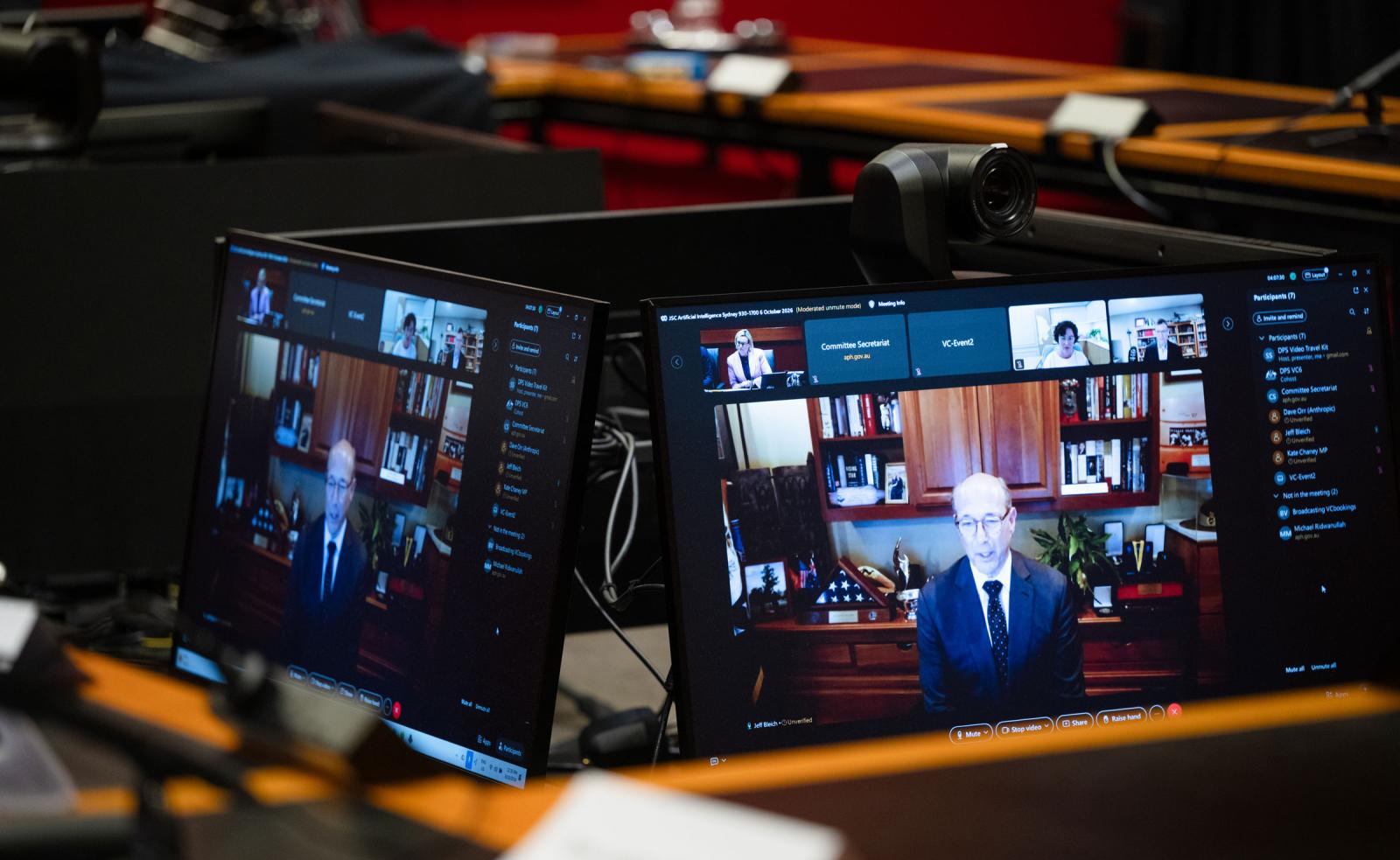
Four Essential Rules That Safeguard Journalistic Integrity
Implementing reliable breaking news verification mechanics requires four non-negotiable operational protocols that protect editorial reputation from devastating missteps. These principles function as redundant safety circuits on an industrial control board. If any single circuit triggers a warning, the publish button remains firmly locked until independent technical and human verification clears the signal.
Demand Primary Corroboration Over Circular Echoes
Never accept multi-platform repetition as proof of independent sourcing. In the digital ecosystem, ten prominent accounts tweeting the exact same casualty count or suspect identity almost invariably lead back to a single unvetted source, an anonymous forum post, or an overheard radio transmission taken out of context. True corroboration requires locating two structurally distinct primary sources who have direct, firsthand sensory knowledge of the event and zero communication with each other.
If a source claims to have seen an incident, the editor must confirm their physical location at the exact time of the event. If an official agency gives an off-the-record briefing, reporters must secure documentation or secondary on-the-record affirmation before running a bulletin. Treating aggregation as reporting is an abdication of journalistic duty; an editor must trace every claim back down the informational ladder until its boots touch literal ground.
Execute Forensic Visual Audits on Unverified Footage
Every piece of user-generated content must undergo rigorous technical cross-examination before it appears on a broadcast or digital feed. Modern breaking news verification mechanics relies extensively on open-source intelligence methods rather than passive visual acceptance. Editors must break incoming video clips into individual keyframes and run them through multiple reverse-image databases to ensure the footage has not been repurposed from previous historical crises.
Beyond database searches, reporters must conduct lateral environmental cross-checks. Examine the weather visible in the footage against historical meteorological records for that specific coordinate on that specific afternoon. Audit shadow angles against the azimuth of the sun at the stated hour of the event. Check architectural details, municipal street signs, and vehicle license plate geometries using satellite mapping platforms. If the physical environment contradicts the metadata, the asset is quarantined immediately.
Establish Unbroken Chains of Custody for Raw Assets
Never publish citizen-submitted imagery or recordings sourced purely through third-party aggregators or anonymous digital reposts. The desk must establish direct, real-time contact with the human being who held the recording device. This conversation is not a formality; it is an investigative interview designed to test credibility and establish the complete timeline of the asset.
Request the raw, uncompressed original file directly from the recording device rather than taking compressed screen recordings off social platforms. The native container preserves invaluable EXIF data, camera hardware specifications, and unaltered frame rates that expose synthetic manipulation. If the person sharing the video refuses to answer direct questions about where they were standing or cannot explain how they obtained the file, the newsroom must treat the material as compromised.
Empower Editorial Brakes to Halt Panic Publishing
A verification protocol is completely useless if the newsroom culture rewards reckless speed while punishing deliberate caution. The highest authority in the room during a breaking event must belong not to the social media editor chasing engagement metrics, but to the designated standards editor empowered to halt the publishing pipeline. This individual serves as the adversarial skeptic whose sole job is trying to tear the story apart before competitors run it.
Every member of the newsroom must know that holding back an unconfirmed report is celebrated as an institutional triumph, even if a competitor rushes forward and scores temporary traffic. When that rival inevitably prints a humiliating retraction three hours later, the disciplined newsroom earns permanent authority. Newsrooms survive on public trust, and trust is built on what an organization deliberately refuses to publish until the facts are bulletproof.
Cultivating Newsroom Discipline Under Crushing Adrenaline
Process without muscle memory collapses the moment a catastrophic bulletin strikes. News organizations that consistently navigate breaking crises without issuing humiliating retractions do not rely on improvised brilliance; they rely on daily drilling and codified editorial playbooks. Embedding sound breaking news verification mechanics into daily coverage protects reporters against cognitive traps when deadlines compress.
This training involves running unexpected stress tests on standard newsroom rotations. Senior editors inject synthetic hoaxes, manipulated police press releases, and deepfake audio files into mock desk workflows to evaluate how junior producers handle high-stakes verification friction. When reporters practice dissecting deceptive media in controlled drills, their physiological response during real breaking disasters shifts from unhinged panic to calm, procedural investigation.
Furthermore, news organizations must foster transparent public posture when stories remain fluid. The public does not expect reporters to possess omniscience within thirty seconds of an unfolding catastrophe. What the audience genuinely respects is honest restraint. Communicating what is known, explicitly outlining what has not yet been independently verified, and explaining the technical steps currently underway builds immense loyalty. It invites the audience behind the editorial curtain and proves that accuracy is treated as a sacred covenant.
A newsroom that prizes precision over vanity becomes an unshakeable lighthouse in an ocean of digital misinformation. The pressure to win the minute will always exist, but the organizations that endure over generations are those that understand that winning the day means delivering the truth without compromise. Ultimately, disciplined breaking news verification mechanics turns chaos into clarity, ensuring that speed never triumphs over truth.