Heat Advisory Warnings Hit California With 4 Major Dangers
Unseasonal October temperatures have triggered widespread weather warnings across California, catching coastal and inland communities off guard. Here is what is driving the dangerous late-season thermal ridge and how residents are coping.
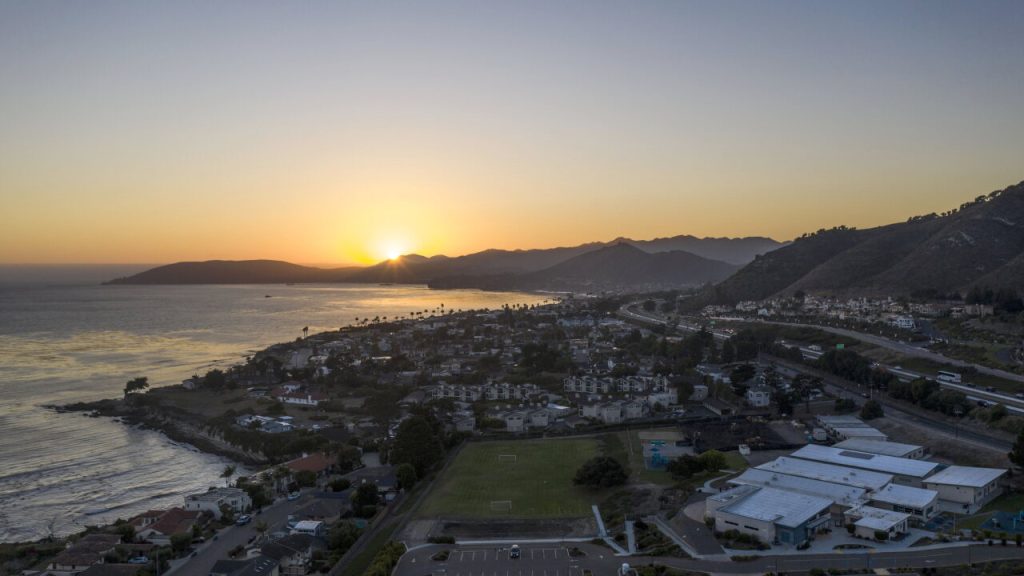
A sudden autumn heat advisory has descended across California, catching coastal communities and inland valleys off guard as unseasonal October temperatures trigger widespread regional alerts. Instead of crisp fall breezes and predictable seasonal cooling, millions of residents from the Sacramento-San Joaquin River Delta down through San Diego are confronting an intense thermal resurgence. The National Weather Service has mobilized multiple forecast offices to issue coordinated warnings, highlighting conditions that combine blistering sunshine, parched vegetation, and elevated health hazards.
For many Californians, October is traditionally synonymous with harvest festivals, turning foliage, and the arrival of cooler evening marine layers. Yet the meteorological reality of this autumn tells an entirely different story. Dominant high-pressure systems have compressed atmospheric layers across the Pacific slope, driving ambient temperatures well above seasonal averages and prolonging summer-like hazards deep into the middle of autumn. Emergency management personnel, municipal public health agencies, and local fire districts have shifted onto high alert as these late-season spikes create compounding hazards that stretch municipal resources thin.
The geographic scale of the phenomenon is what makes this meteorological event particularly remarkable. Rather than remaining isolated to the arid desert basins of the interior, the heat has pushed relentlessly toward densely populated metropolitan corridors and coastal enclaves. From coastal agricultural belts to suburban neighborhoods where residential cooling infrastructure is often sparse, communities find themselves scrambling to adapt to an unexpected heat wave.
The October Temperature Surge Sweeping Across Northern and Southern California
The southern half of the state is bracing for an extended period of thermal stress that stretches across multiple counties. As reported by the Sacramento Bee, the National Weather Service Los Angeles/Oxnard CA station issued an official heat advisory on Tuesday morning at 10:17 a.m., establishing a warning window effective from Thursday at 10:00 a.m. through Saturday at 8:00 p.m. The geographical reach of this alert encompasses vulnerable inland corridors and metropolitan zones where ambient daytime heating meets stagnant air, elevating heat-related illness risks for sensitive demographics.
The thermal ridge extends even further south along the coastline. The Orange County Register detailed how the National Weather Service expanded the warning footprint to encompass the Orange County Coast, inland Orange County, and San Diego County Coastal Areas. The agency confirmed that a parallel heat advisory would remain active from Thursday morning through Saturday evening, blanketing beachfronts and suburban tracts that rarely experience sustained, unmitigated thermal peaks this late in the year. Coastal residents who typically rely on offshore marine breezes are finding little relief as temperatures surge well past historic baselines.
Northern California has similarly felt the squeeze of this sprawling high-pressure dome. The Mercury News documented how the Sacramento-San Joaquin River Delta became the focal point of an urgent heat advisory released by the National Weather Service at 3:25 p.m. on a Thursday afternoon, remaining active through 10:00 p.m. Delta waterways and agricultural communities found themselves enveloped in uncharacteristic warmth that defied standard autumn expectations, stressing farmworkers and municipal water resources throughout the river basin.
From the agricultural heartlands of the Delta to the densely populated coastal bluffs of Southern California, the thermal ridge has demonstrated exceptional persistence. By settling directly over the state rather than sliding quickly eastward, the weather pattern has prevented cooler Pacific storm tracks from making landfall, locking in dry, uncomfortably hot air across hundreds of miles of terrain.
Escalating Fire Conditions and Autumn Recreational Pressures
The intersection of unseasonal heat and severe wildfire potential represents the most volatile dimension of this late-season surge. As documented by NBC Bay Area, regional forecasters extended warnings through late Thursday, projecting moderate to major heat risks across inland communities alongside elevated fire weather concerns. Inland valleys faced the greatest exposure, with dry brush providing abundant kindling after months of relentless summer sun. Fire suppression crews across Northern California have maintained round-the-clock readiness, aware that autumn offshore wind shifts can transform localized brush ignitions into fast-moving conflagrations.
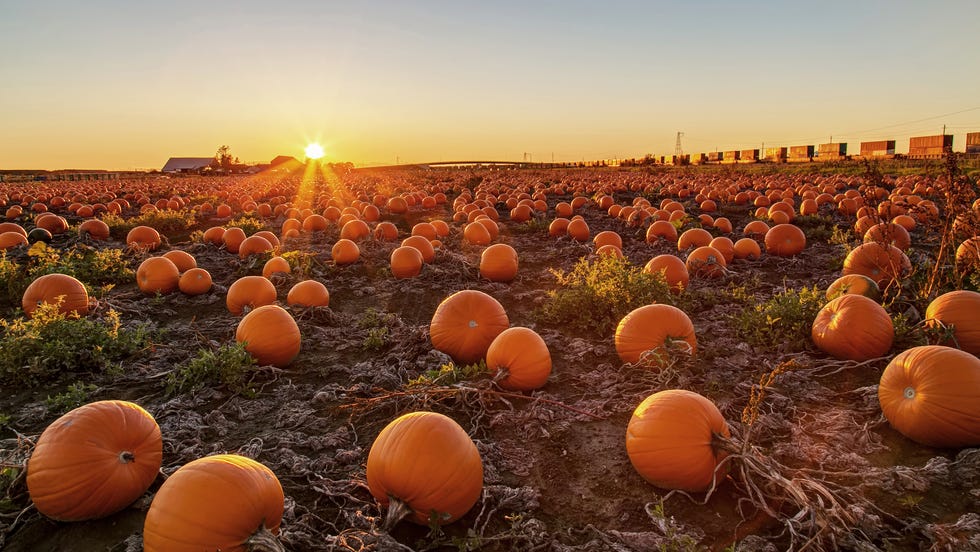
The human impact on everyday community life was starkly illustrated by ABC7 Bay Area, which captured scenes at the Petaluma Pumpkin Patch where families arrived in t-shirts and sun hats, navigating pumpkin fields in sweltering heat while seeking out pockets of shade and cold drinks. Visitors endured blistering conditions during an outing normally synonymous with chilly autumn mornings, serving as a visceral reminder of how shifting climatic norms are upending traditional autumn rituals. Bay Area residents endured an active heat advisory that coincided with peak autumn outings, illustrating how late-season spikes clash directly with seasonal activities.
Public infrastructure is feeling the secondary strain of these elevated temperatures. Power distribution networks face surges in late-afternoon residential air conditioning demand just as solar generation begins to drop off toward dusk. Just as technological infrastructure shifts are redefining global capital—as analyzed when Meta Muse Wonder Sparks 4 Major Shocks Across Wall Street and Silicon Valley—the physical infrastructure of California is tested when unexpected thermal spikes place abrupt strain on metropolitan grids. Local utilities must balance surging residential demand against the critical risk of transmission lines sparking brush fires during peak wind intervals.
4 Critical Dynamics Driving This Destabilizing Late Season Heat
Meteorologists and climate researchers point to a convergence of atmospheric dynamics that have allowed this autumn system to achieve such extraordinary intensity. Understanding these underlying mechanisms reveals why late-season heat events are becoming increasingly challenging to predict and manage.
Inland Thermal Ridges Locking In Above Normal Temperatures
The primary meteorological driver behind this extended warm period is an expansive high-pressure ridge situated over the American West. When high pressure settles over the Great Basin and California’s interior valleys, it effectively traps descending air. As this air compresses under atmospheric weight, it warms rapidly, clearing out clouds and preventing cooler Pacific storm systems from penetrating inland. This atmospheric blocking pattern creates a dome of warmth that lingers for days, pushing daytime highs ten to fifteen degrees above historical seasonal norms.
Elevated Wildfire Hazards Across Parched Coastal and Valley Foothills
October in California is notoriously hazardous for wildfire generation because vegetation has endured an entire summer of solar baking without substantial rainfall. The reporting from NBC Bay Area and ABC7 emphasized that this unseasonal warmth arrived alongside heightened fire weather hazards. When dry offshore winds sweep across inland mountain passes toward coastal basins, relative humidity plummets into single digits. Any accidental spark—whether from roadside equipment, power infrastructure, or human error—can rapidly ignite dry chaparral and spread uncontrollably under these thermal conditions.
Marine Layer Compression Expanding Severe Heat Toward the Coastline
Under normal autumn conditions, coastal California benefits from the marine layer, a cool, fog-laden buffer driven by the chilly waters of the Pacific Ocean. However, the high-pressure system active this week exerts downward vertical pressure that squashes the marine layer against the coastline, effectively neutralizing its protective cooling effect. As highlighted by the Orange County Register regarding coastal advisories from Orange County to San Diego, seaside residents find themselves directly exposed to elevated thermal loads without the customary natural air conditioning of coastal fog.
Infrastructure Strains and Escalating Public Health Vulnerabilities
Prolonged high temperatures late in the year pose distinct medical risks because the human body has not yet acclimatized to abrupt heat spikes following brief early autumn cool-downs. Vulnerable populations, including older adults, outdoor agricultural laborers in the Delta, unhoused residents, and children visiting outdoor venues, face acute threats of dehydration, heat exhaustion, and heat stroke. Moreover, residential structures in coastal California are notoriously under-equipped with central air conditioning, turning homes into heat traps during extended multi-day alerts.
Actionable Safeguards and Community Resilience During Extreme Spikes
Health authorities and emergency response agencies emphasize that preparation and behavioral adjustments remain the most effective defenses against unexpected thermal spikes. Public health officials urge residents to reschedule strenuous outdoor labor, sports practices, and recreational excursions to early morning or late evening hours, entirely avoiding direct solar exposure during peak afternoon heating intervals.
Maintaining proper hydration is critical, even before feeling the sensation of thirst. Emergency medical technicians report that many autumn heat casualties occur because individuals fail to drink sufficient water, underestimating dehydration risks simply because the calendar reads October rather than July. Successfully managing daily routines while under a regional heat advisory requires proactive safeguards, especially for pet owners who must remember that asphalt temperatures can soar past dangerous thresholds within minutes of midday sun exposure.
The broader reality confronting California is that traditional seasonal markers are becoming increasingly fluid. As high-pressure patterns assert dominance deeper into the autumn months, municipal planners, fire management agencies, and residents must treat unseasonal heat not as an isolated anomaly, but as a recurrent challenge requiring constant vigilance and sustained community resilience.