Josue De Paula Ignites 4 Critical Reasons the Dodgers Trust Him in October
When the Los Angeles Dodgers submitted their NLCS roster against the Milwaukee Brewers, one teenage sensation remained firmly in place. Here is the investigative breakdown of Josue De Paula and his rapid ascent to October baseball lore.
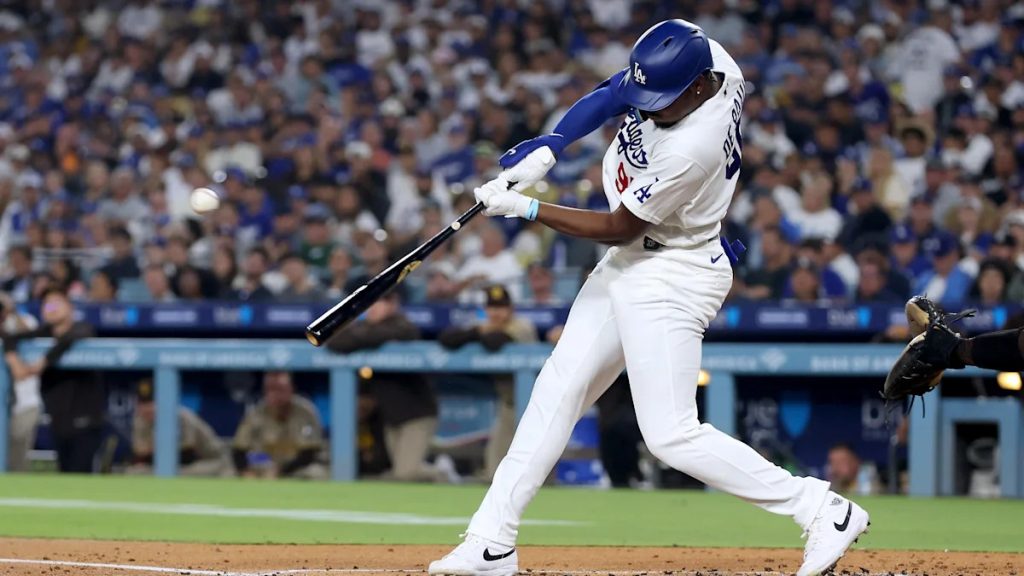
Watching rookie phenom Josue De Paula command the batter’s box during high-stakes October baseball reveals an uncanny poise rare for any young player. When manager Dave Roberts and the Los Angeles Dodgers finalized their National League Championship Series roster for a heavyweight clash against the Milwaukee Brewers, the baseball world watched closely to see if the front office would revert to veteran safety blankets. Instead, the organization doubled down on offensive fireworks, keeping their prized outfield prospect on the active roster and sending a definitive message across the major league landscape.
Postseason baseball rarely forgives inexperience. The pressure of October has historically withered even decorated veterans who lose track of the strike zone under bright stadium lights. Yet, over the span of just a few electric weeks, this teenage prodigy evolved from a celebrated minor league standout into a trusted weapon in the Dodgers pursuit of another pennant. His sudden rise represents more than just a lucky streak. It reflects an organizational shift toward elite swing decisions, verified pedigree, and a fearless competitive spirit that even rival superstars cannot help but praise.
A Blistering September Audition That Rewrote Dodgers Postseason Plans
When Los Angeles promoted Josue De Paula in September, scouts recognized the move as a bold calculated gamble designed to jumpstart an offense seeking fresh energy. As reported by ESPN, the prized outfield prospect made his major league debut with only three weeks remaining in the regular season. For most rookies thrust into a pennant race, simply surviving the adjustment to big-league velocity is considered a modest success. The Dodgers, however, received an offensive explosion that forced their analytical department to completely revise October plans.
Over his late-season audition, the rookie tore through opposing pitching staffs with stunning consistency. As documented by MLB.com, the phenom slashed an eye-popping .323/.500/.581 during his initial major league sprint. Reaching base in half of his plate appearances over a meaningful stretch is an astonishing benchmark for any hitter, let alone someone who had spent the majority of the summer refining his mechanics in the developmental ranks. Rather than chasing breaking balls in the dirt or succumbing to upper-ninety fastballs on the hands, he displayed a veteran approach that made pitchers throw strikes on his terms.
That level of immediate production changed the calculus in the front office. When the postseason opened, the Dodgers carried him onto the National League Division Series roster, refusing to leave his lethal bat on the bench. His capacity to handle high-leverage at-bats earned him everyday trust, proving that his late-season explosion was a preview of generational talent rather than a fleeting statistical fluke.
The Juan Soto Stamp of Approval and Batter Box Swagger
The swagger did not go unnoticed across the diamond, with New York Mets star Juan Soto praising Josue De Paula and his batter’s box shuffle. During postseason coverage reported by The New York Times through The Athletic, Soto was asked directly about the emerging Dodger rookie, who has openly drawn stylistic and tactical comparisons to the perennial MVP contender. The Mets outfielder did not hesitate to tip his cap to the young hitter, remarking that it was remarkably cool to see what the rookie is capable of doing on the sport’s biggest stage.
The connection runs deeper than physical mannerisms. Much like Soto during his historic breakout run as a nineteen-year-old with the Washington Nationals in 2019, the young Dodger demonstrates an innate ability to control the emotional tempo of an at-bat. He takes borderline pitches with theatrical flair, resets his feet with quiet confidence, and forces umpires and opposing pitchers to respect his command of the strike zone. In an era dominated by strikeout-heavy sluggers, this throwback approach of aggressive discipline disrupts pitcher rhythm and generates immense pressure throughout extra-inning grinds.
Four Strategic Factors Fueling the NLCS Roster Selection
Evaluating why manager Dave Roberts and the front office retained Josue De Paula reveals four distinct operational advantages that tilted the scales toward staying aggressive in October.
Elite Zone Awareness and a Staggering On-Base Record
Modern postseason baseball is defined by pitching staffs deployed in microscopic increments. Opposing bullpens throw maximum velocity with vicious horizontal break, designed explicitly to generate chases outside the strike zone. The rookie’s staggering .500 on-base percentage during the regular season demonstrated that his visual processing matches the best arms in the sport. When a young hitter refuses to expand the zone, pitchers are forced into predictable counts, setting the stage for run-scoring rallies and driving pitch counts through the roof early in postseason contests.
Basketball Royalty and Unshakable New York Athletic Heritage
Poise under pressure often stems from a lifetime immersed in elite athletic culture. As MLB.com revealed, Josue De Paula shares bloodlines with two-time NBA All-Star Stephon Marbury, with the two standout athletes sharing a direct cousin lineage. Growing up with deep ties to New York streetball royalty and professional basketball excellence instilled an unshakeable confidence in the young hitter. The bright lights of Dodger Stadium and the hostile roar of postseason road venues register not as intimidating barriers, but as natural arenas for an athlete raised in a family that conquered Madison Square Garden.
Dual Roster Flexibility Across Outfield and Designated Hitter Slots
Managerial flexibility is the lifeblood of October baseball. Matchup data from ESPN confirms that the Dodgers have deployed the rookie as both a designated hitter and a corner outfielder depending on starting pitching matchups. Having a dynamic left-handed bat who can slot into the designated hitter role keeps veteran legs fresh while ensuring the lineup maintains relentless contact capability from top to bottom. Roberts can seamlessly make late-game defensive substitutions without sacrificing the rookie’s spot in the batting order.
A Proven Mental Fortitude Under October Lights
The transition from minor league prospect to October contributor has ruined many promising careers when stage fright compromises swing mechanics. During the intense division series rounds, the young hitter showed zero indications of rushing his timing or guessing at pitch selection. By consistently extending counts and fouling off two-strike pitches against elite relief arms, he established himself as a reliable tactical cog that Dodgers coaches could trust during decisive late-inning rallies.
Vetting Rookie Phenoms Against Rigorous Analytical Standards
Evaluating sudden sports sensations requires extreme vigilance, particularly when small-sample heroics ignite massive global conversations across media channels. To separate hype from tangible diamond value, analysts lean on a Fact checking methodology and 4 proven rules that stop costly public blunders when assessing rookie prospect projections against verified game logs. Tracking actual swing-and-miss percentages, barrel rates, and opponent quality prevents analysts from falling victim to recency bias or fabricated internet rumors.
In this instance, the empirical evidence aligns cleanly with the narrative buzz. The underlying metrics recorded by official major league tracking systems corroborate the visual brilliance witnessed on television. His contact rates against four-seam fastballs exceeding ninety-six miles per hour reside in the top echelon of the Dodgers organization, eliminating skepticism that his hot start was an anomaly fueled by poor opponent execution.
The NLCS Rematch Against the Brewers and Beyond
The stakes elevate dramatically as the calendar advances. Sports Illustrated confirmed that Los Angeles opted to stick with Josue De Paula on the official NLCS roster heading into their high-stakes rematch against the Brewers. Milwaukee features one of the most stingy run-prevention systems in the National League, characterized by an athletic defense and a bullpen that routinely suffocates late-inning comeback attempts. Overcoming that pitching staff demands offensive patience, grinding down starters, and capitalizing on rare mistakes.
The decision to keep the nineteen-year-old phenom active confirms that the Dodgers are playing to win the World Series right now, regardless of conventional service-time calculations or conservative veteran preferences. His presence provides the batting order with unpredictability, elite plate discipline, and an infectious youthful swagger that keeps dugout spirits high during high-pressure moments.
Should this postseason magic persist, Josue De Paula will transition from September surprise to the cornerstone of the Dodgers dynamic future. For now, baseball fans around the globe are privileged to witness the birth of a genuine star, swinging with the poise of a seasoned veteran and the electric joy of an athlete born for October glory.