
Arthur Gea Delivers 3 Major Shocks in Shanghai Masters Breakthrough
French rising star Arthur Gea turned heads at the Rolex Shanghai Masters after mounting a remarkable campaign through the main draw. Here is an investigative breakdown of his meteoric rise, milestone victories, and clash with the tennis elite.
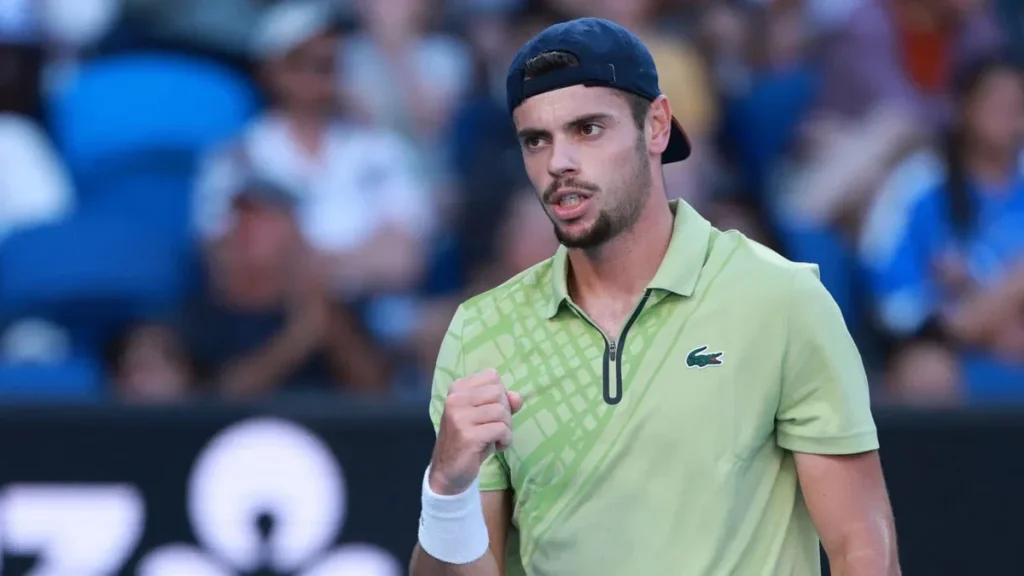
French tennis prospect Arthur Gea ignited international attention across the global sports landscape this week after staging an extraordinary Masters 1000 run in Shanghai. Digital interest surged sharply across United States search engines and worldwide sports feeds as casual followers and seasoned analysts scrambled to decipher how an unheralded young competitor had punched his way into the late rounds of one of the tour’s most prestigious Asian swing fixtures. Standing at World No. 56 in the singles rankings and born on January 2, 2005, the French youngster entered the tournament seeking to test his mettle against the sport’s finest. What followed was a masterclass in poise that rapidly turned into one of the most discussed sporting breakthroughs of the autumn calendar.
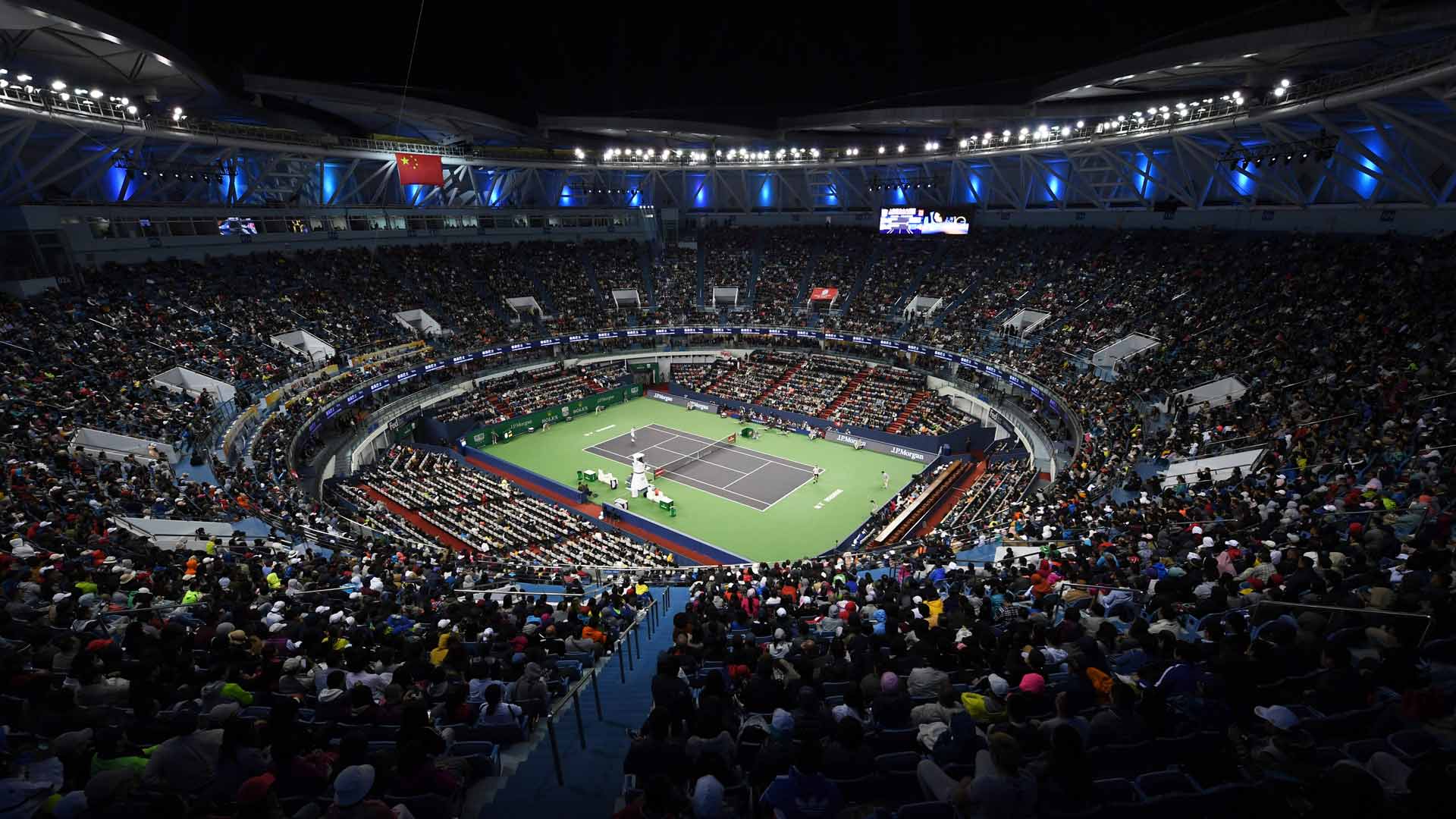
The ATP Masters 1000 circuit is notoriously unforgiving to newcomers, serving as the proving ground where challenger-level momentum routinely collides with the hardened consistency of tour veterans. Yet, over the course of several days at the Qizhong Forest Sports City Arena, the court dynamics favored audacity. The French contingent has spent several seasons searching for fresh faces capable of inheriting the mantle from its departing golden generation, and this tournament provided an unambiguous glimpse into the future. By holding his nerve in high-leverage exchanges, the youngster did not merely participate in the tournament; he fundamentally altered the conversation surrounding the next wave of men’s tennis talent.
The Rapid Ascent Across the Shanghai Masters Draw
The breakthrough tournament for Arthur Gea commenced with an authoritative statement of intent during the opening stage of the main draw. According to official tournament reporting from TennisTemple, the Frenchman marked his career debut at the ATP Masters 1000 tier by producing an emphatic first-round victory against Portugal’s Jaime Faria. For an athlete making his maiden appearance at an event of this caliber, the psychological hurdle of securing an opening victory is traditionally steep. Facing Faria, Gea demonstrated an uncommon baseline stability, absorbing early pace and transitioning into aggressive counter-punching that quickly unsettled his opponent.
Surviving the first round earned the young French competitor a passage deeper into the bracket, setting up high-stakes competition against seasoned tour operators. Tournament records archived by TennisMajors documented his progress through the second round, where he lined up against fellow countryman and seasoned French star Ugo Humbert. Competing against established compatriot talent on foreign soil presents singular psychological pressures, yet Gea navigated the high-speed conditions of the Shanghai hard courts with tactical maturity, maintaining deep groundstroke placement and neutralizing offensive volleys. That resilience catapulted him straight into global sports headlines as broadcasters took notice of his fearless shotmaking.
Tale of the Tape Against World Number Four Ben Shelton
By the time the tournament reached the third round, the sudden rise of Arthur Gea created an enticing contrast of styles when he was slated against American juggernaut Ben Shelton. Live coverage tracked by Sky Sports highlighted the marquee fixture as a centerpiece of the ATP World Tour broadcast schedule, drawing global viewership to the collision between two of the tour’s most exciting young athletes. While both players represent the sport’s demographic shift, the tale of the tape compiled by Tennis.com laid bare the sheer scale of the challenge awaiting the Frenchman.
Shelton entered the contest occupying the World No. 4 ranking in singles, boasting a 125 doubles ranking, and bringing the ferocious southpaw serve that has defined his rapid ascension since his birth on October 9, 2002. In contrast, the French hopeful entered the court at World No. 56, carrying nearly three fewer years of professional tour mileage. The matchup caught fire across alternative digital spaces as well; retail trading platform Robinhood launched dedicated prediction contracts examining who would secure the opening set, with pricing fluctuating rapidly as retail traders weighed Shelton’s explosive firepower against the Frenchman’s clean baseline returns. The third-round encounter cemented Gea’s arrival on the marquee stage, validating his capacity to trade blows with top-five royalty.
3 Strategic Pillars Behind the Shanghai Phenomenon
Unpacking how a young professional transitions from promising prospect to top-tier tour disrupter requires analyzing the physical and operational elements that coalesced during this tournament. Rather than relying on singular bursts of athletic luck, three specific structural factors propelled this breakout performance into the spotlight.
Defying Inexperience at the Masters 1000 Level
Tournament debuts at the Masters 1000 level are famously daunting due to the density of talent, where unseeded players receive no soft entries. Despite entering the draw without prior main-draw experience at this tier, observers noted that Arthur Gea handled the speed of the Shanghai hard courts with extraordinary spatial awareness. Instead of overhitting when pinned behind the baseline, his shot selection prioritized high-percentage depth, systematically forcing errors from his opponents and dictating the tempo during extended baseline rallies.
Overcoming Established Tour Opponents Under Stadium Lights
Clashing against seasoned professionals such as Jaime Faria and Ugo Humbert demanded tactical flexibility under extreme pressure. Rather than wilting when momentum shifted, the young athlete executed decisive serve variations and displayed rapid recovery times between points. His composure under the stadium lights demonstrated that his mental resilience had matured significantly ahead of standard developmental curves for twenty-year-old competitors on the ATP tour.
Commercial and Financial Speculation on Retail Prediction Markets
Beyond traditional sports coverage, the speculative interest in Arthur Gea underscored a broader convergence between professional tennis and financial prediction platforms. Retail prediction books hosted on platforms like Robinhood illustrated how modern athletic events now experience immediate financialized scrutiny. Punters and digital market participants traded set-winner derivatives in real time, amplifying online discourse and driving US search trends far beyond typical tennis demographics.
Media Narratives and the Reality of Sudden Athletic Fame
Whenever an unseeded player captures attention at a prestigious tournament, global sports desks rapidly assemble sprawling profiles heralding the arrival of an overnight sensation. Yet the sudden digital frenzy surrounding Arthur Gea highlights how algorithmic narratives frequently compress years of developmental labor into single viral moments. The mechanics of sports reporting often mirror the herd-like consensus discussed in analyses of Pack Journalism and 4 Hidden Pressures That Corrupt Objective News, where mainstream outlets rush simultaneously toward identical storylines without investigating the technical foundations behind an athlete’s progression.
The reality inside the professional locker room is far more calculated than overnight media mythologies suggest. Players ranked within the top sixty in the world do not arrive by chance; they construct their games through hundreds of grueling matches across the Challenger circuit and secondary tour stops. When mainstream coverage fixates exclusively on a single week’s heroics, it risks creating inflated expectations that fail to account for the natural volatility of young tennis careers. Recognizing the difference between sustained technical development and transient media fascination is essential for fans seeking a sober assessment of any emerging professional.
Long Term Implications for the ATP Elite Circuit
Regardless of how subsequent tournament draws shake out, the Shanghai Masters demonstrated that Arthur Gea possesses the foundational tools necessary to compete comfortably against elite competition. His ability to neutralize heavy hitters, maintain emotional discipline during adverse scorelines, and command international attention reflects a talent operating on an upward trajectory. With ranking points from this run providing direct entry into higher-tier tournaments, the administrative path toward securing seeded positions at upcoming Grand Slams becomes significantly more attainable.
As the international tennis schedule shifts toward the European indoor season, tennis scouts and sports analysts will be closely watching the growth of Arthur Gea over the upcoming tour season. Competing against established titans like Ben Shelton provides invaluable analytical feedback that coaches can translate into targeted tactical refinements. The Frenchman has officially graduated from promising talent to verified tour contender, proving that the future of men’s tennis will be contested by fearless athletes ready to make their mark on the biggest stages.