Nancy Mace Floor Speech Triggers 3 Major Criminal Charges in Historic Abuse Reckoning
Nearly eight years after the alleged incident and over a year after an extraordinary House floor address, state police have arrested three men accused of sex crimes. The dramatic turn of events marks a rare collision between congressional privilege and criminal accountability.
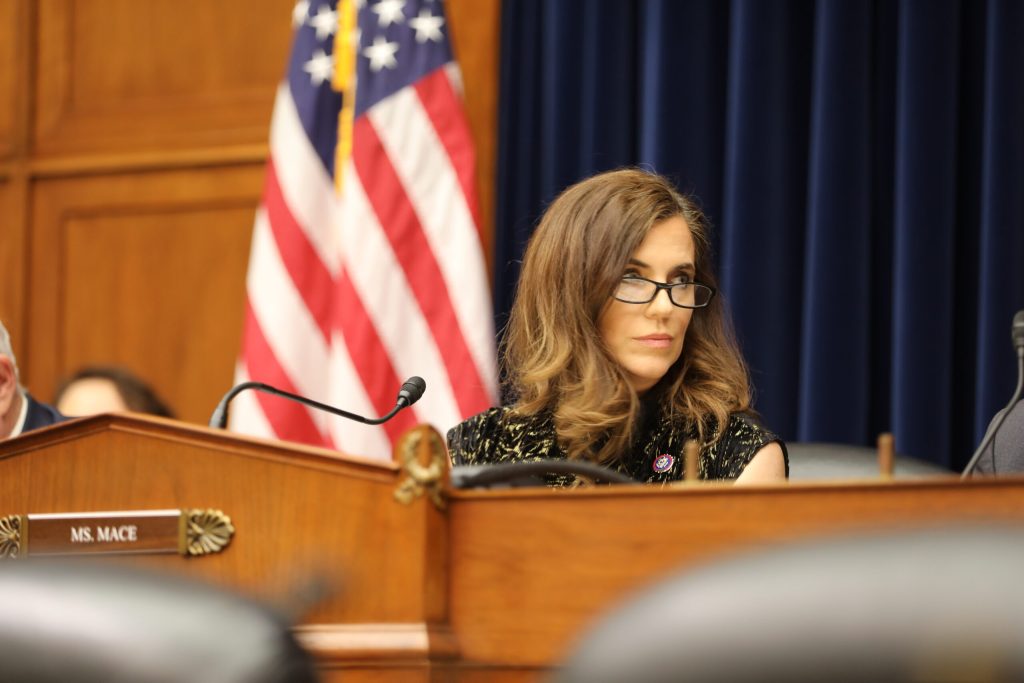
When South Carolina Republican Representative Nancy Mace stood before the House chamber to publicly name her alleged assailants, the political establishment braced for fallout. Nearly eight years after the underlying incident and more than twelve months after her floor remarks, the South Carolina Law Enforcement Division, commonly known as SLED, delivered a seismic legal vindication by securing criminal arrest warrants against three men. The arrests demonstrate the rare power of legislative privilege deployed directly against private citizens accused of historic felony offenses.
The announcement sent shockwaves through both Washington and South Carolina. For months, critics questioned the congresswoman’s decision to air uncharged allegations on the record under constitutional immunity. State investigators worked methodically out of the public view, compiling forensic digital evidence, re-interviewing historic witnesses, and piecing together a timeline that had gone unaddressed for nearly a decade. Now, with official felony charges filed, the case transitions from a fierce political controversy into an active criminal prosecution that carries profound implications for the legal rights of survivors and the strategic use of congressional authority.
The Unprecedented House Floor Accusation That Broke State Protocol
The origins of the current legal battle trace back to a dramatic speech delivered on the floor of the United States House of Representatives. Under Article I, Section 6 of the United States Constitution, members of Congress operate under the Speech or Debate Clause, which grants absolute civil immunity for remarks delivered during legislative proceedings. Lawmakers routinely invoke this safeguard when debating sensitive national security files or contentious policy battles. It is exceedingly rare, however, for an elected official to stand at the podium and identify specific private individuals by name in connection with an alleged violent felony.
According to investigative reporting from FITSNews and local outlets, Nancy Mace chose a tactic rarely seen in modern congressional history by reading the names directly into the Congressional Record. The Lowcountry representative recounted an encounter that occurred nearly eight years ago, describing an assault that went unprosecuted at the local level. The speech was not merely an emotional disclosure; it was an intentional maneuver designed to bypass local political inertia and compel state-level authorities to act where municipal systems had stalled.
The political reaction was instantaneous and polarized. Legal scholars debated whether utilizing legislative privilege to publicly accuse private citizens violated long-standing congressional decorum and due process norms. Civil libertarians warned that naming unindicted individuals from the House floor set a dangerous precedent, leaving ordinary citizens with virtually no civil recourse due to constitutional shields. The South Carolina lawmaker maintained that standard reporting avenues had failed her, leaving the federal rostrum as her final viable mechanism to demand investigative action.
Inside the SLED Investigation and the 3 Arrests
Following the public naming of the suspects, oversight of the inquiry shifted upward to the South Carolina Law Enforcement Division. SLED routinely assumes jurisdiction over high-profile, politically sensitive, or conflicted local cases to ensure institutional independence. According to verified reporting from FOX Carolina, investigators launched an intensive multi-month review that systematically deconstructed the events of the evening in question nearly eight years prior.
As detailed by the Post and Courier, Nancy Mace forced law enforcement to confront allegations that had long gathered dust in regional archives. State agents secured physical records, scrutinized historic electronic communications, and conducted structured interrogations with witnesses who had never been formally deposed during the initial aftermath. The investigation was quietly led by specialized state detectives trained in cold-case sexual violence, avoiding public commentary until warrants could withstand preliminary judicial scrutiny.
The culmination of that inquiry arrived when SLED announced formal sex crime charges against three men identified as Bowman, Osborne, and Bryant. Local law enforcement records confirm that all three individuals were taken into custody and processed through county detention facilities pending formal bond hearings. While defense attorneys for the accused have begun preparing their preliminary strategies, the state’s formal decision to file charges demonstrates that state prosecutors believe there is sufficient probable cause to sustain the case beyond congressional rhetoric.

3 Major Legal Ramifications Reshaping State and Federal Survivor Protections
The progression of this case from an unvetted floor allegation to an active criminal proceeding creates institutional precedents that extend far beyond South Carolina borders. By bridging the gap between legislative platforming and criminal indictment, the situation has ignited fresh debate across statehouses and Capitol Hill committees.
The Strategic Deployment of Capitol Immunity Boundaries
The constitutional architecture designed to shield lawmakers from executive overreach has evolved into an offensive legal lever. When lawmakers invoke absolute floor privilege to name unindicted suspects, they alter the balance of power between public officials and private citizens. In this instance, the platform functioned as an undeniable catalyst, forcing SLED to allocate resources toward a cold case that municipal departments had shelved. Legal analysts recognize that this successful outcome may inspire other federal and state lawmakers to utilize their own legislative immunities to demand criminal reviews for stalled constituent grievances, establishing a contentious standard for state-level justice systems.
SLED Forensic Corroboration of Historic Cold Case Evidence
Securing criminal warrants nearly eight years after an alleged sexual assault represents an extraordinary procedural hurdle for any state police agency. South Carolina law permits the prosecution of severe sex offenses without standard statutes of limitation, but evidentiary degradation remains a persistent barrier in courtrooms. SLED investigators overcame these structural deficits by recovering historic digital records, analyzing contemporary witness disclosures, and cross-referencing timeline markers that corroborated the initial report. The warrants signal a significant procedural victory for specialized cold-case units that handle historic sexual trauma, demonstrating that temporal distance alone does not preclude state action when digital forensics are properly leveraged.
Federal Shield Legislation Curbing Retaliatory Defamation Lawsuits
As reported by WJLA, Nancy Mace introduced sweeping federal legislation designed to shield survivors of sexual assault, harassment, and discrimination from weaponized defamation lawsuits just hours before the SLED charges were formally unsealed. In the current legal ecosystem, survivors who speak publicly frequently face protracted civil litigation, often referred to as Strategic Lawsuits Against Public Participation, or SLAPP suits. The proposed federal bill establishes federal protections that deter retaliatory defamation claims, creating legal safe harbors for victims who file reports or disclose abuse. The intersection of her personal criminal complaint and her federal legislative docket illustrates a coordinated push to reshape the civil and criminal liability frameworks surrounding survivor disclosures nationwide.
Media Scrutiny and the Verification Mandate in Public Accusations
The journey from a floor speech to formal police custody highlights an immense challenge for contemporary investigative journalism. When a sitting member of Congress makes sensational, unverified allegations against named citizens, newsrooms face a difficult editorial decision. Publishing the names of uncharged individuals carries catastrophic legal and ethical hazards, yet ignoring remarks delivered on the House floor fails to inform the public of significant governmental developments.
Investigative newsrooms covering Nancy Mace navigated a fraught legal and ethical minefield throughout the intervening months. Because the congresswoman enjoyed absolute constitutional immunity, she faced no risk of civil libel. The news organizations reporting on her statements, however, had to verify whether republication of those claims met common law standards of fair reporting privilege. Many outlets initially opted to withhold the identities of the accused until independent evidence or formal state charges materialized, adhering to foundational reporting doctrines.
The mechanics of verifying high-stakes institutional claims against private individuals require strict verification protocols. Newsrooms that successfully unraveled this case leaned heavily on public-record requests, corroborated timeline filings, and law enforcement sourcing rather than partisan talking points. In dissecting how newsrooms verify explosive allegations against non-public individuals before charges materialize, journalists frequently rely on the strict evidentiary standards outlined in Anonymous Sourcing Mechanics and 4 Proven Rules That Prevent Devastating Editorial Failures to avoid premature character assassination or devastating editorial retractions.
The Shifting Political Landscape Around Survivor Justice
The formal arrest of three suspects confirms that the public narrative surrounding historic abuse claims is undergoing a decisive shift. For decades, survivors who challenged powerful social circles or delayed reporting faced systemic dismissal, institutional stonewalling, and aggressive legal countersuits. The SLED indictments underscore that even delayed disclosures can result in actionable criminal accountability when sustained political pressure aligns with thorough investigative work.
This case also reshuffles the ideological dynamics surrounding the modern anti-violence movement. Conservative lawmakers have historically approached changes to civil liability and criminal statutes of limitation with caution, emphasizing the preservation of constitutional due process rights for the accused. By stepping forward as a prominent Republican advocating for survivor shields and utilizing her federal platform to challenge regional police inertia, the Lowcountry representative has disrupted established partisan divisions on Capitol Hill.
Ultimately, the aggressive posture maintained by Nancy Mace underscores how congressional influence can fundamentally disrupt the timelines of the criminal justice system. As Bowman, Osborne, and Bryant prepare for formal arraignments and preliminary hearings in state court, the legal community will closely monitor the admissibility of evidence gathered in the wake of the House speech. The coming judicial proceedings will test the durability of historic digital testimony, the independence of state-level investigators, and the boundaries between political advocacy and courtroom procedure.