Marshawn Lynch Sparks 4 Major Truths That Redefine Football Legacy
When the beloved running back spoke out against hot takes targeting Jalen Hurts, it reminded the sports world why Beast Mode remains an iconic cultural force. From Oakland comic books to groundbreaking collision data, explore his unmatched journey.
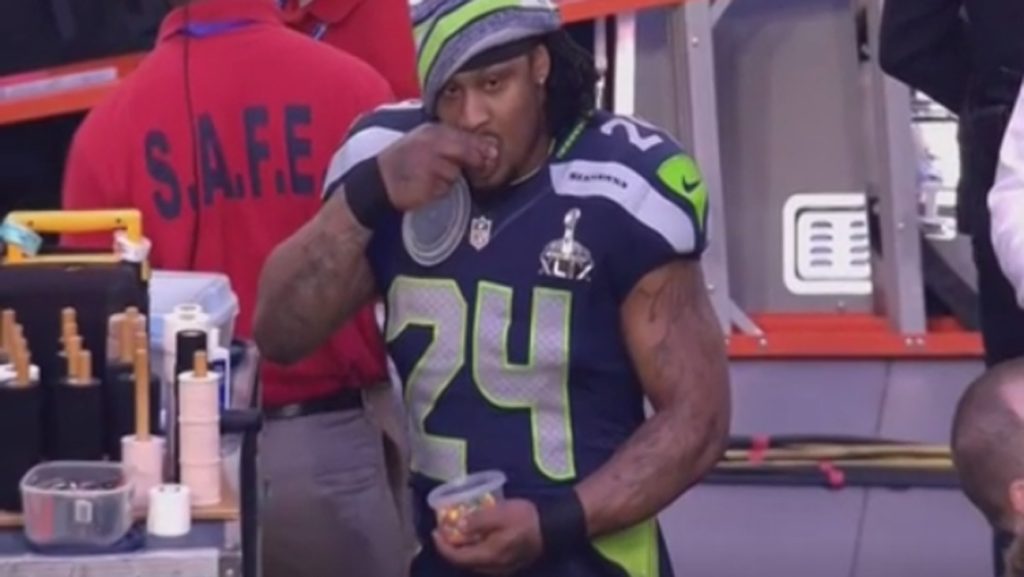
When Marshawn Lynch speaks publicly, the sports world stops to listen because authenticity remains an exceptionally rare commodity in modern corporate entertainment. Over the past several decades, professional football has transformed into an entertainment juggernaut polished to a mirror shine, complete with sterile public relations strategies, choreographed player appearances, and manufactured studio controversy. Yet, whenever the iconic running back reemerges in public discourse, that polished facade cracks wide open to reveal something refreshingly raw, undeniably hilarious, and deeply principled.
That magnetic gravitational pull resurfaced forcefully across global sports networks and social platforms following an impassioned exchange involving his former Seattle teammate Michael Robinson. Fans across the nation did not simply chuckle at the viral clip; they rallied behind his trademark directness, proclaiming him a national treasure whose loyalty and street-level common sense continue to outshine sanitized studio television. His enduring resonance illustrates how an athlete can transcend the boundary between active competition and long-term cultural legacy without ever selling out his foundational identity.
A Viral Stand Against Football Media Clichés
The latest spark erupted when Marshawn Lynch addressed comments made by his former Seattle Seahawks teammate Michael Robinson regarding Philadelphia Eagles quarterback Jalen Hurts. Robinson, an NFL analyst and fellow Super Bowl XLVIII champion, recently drew widespread criticism across fan forums and broadcast spaces after publicly questioning the franchise quarterback credentials of Hurts. The critique landed awkwardly among analysts who viewed the Eagles signal-caller as one of the league’s premier leaders and dual-threat weapons.
Rather than quietly offering professional courtesy or allowing his former fullback to absorb public vitriol in silence, the retired tailback tackled the critique head-on. As reported by Yahoo Sports, fans showered Beast Mode with immediate praise after he firmly called out Robinson for leaning into click-driven commentary. What struck viewers was not personal animus, but rather an refusal to watch a hardworking contemporary diminished for the sake of broadcast engagement. The exchange highlighted the clear dividing line between corporate analyst talking points and the genuine brotherhood shared by those who have sacrificed their physical wellbeing inside the white lines.
Supporters flooded social channels with declarations of affection, noting that while many retired players slip effortlessly into television roles by spouting exaggerated criticisms, the Oakland native remains completely impervious to industry peer pressure. By publicly defending Hurts, he reminded the sporting public that holding former colleagues accountable is the purest form of respect.
The Anatomy of Beast Mode Across Modern Sports Culture
Understanding the magnetic staying power of Marshawn Lynch requires examining the multi-dimensional facets of his post-retirement footprint. His influence does not stem merely from highlight-reel touchdown runs against the New Orleans Saints, nor does it rest entirely on witty one-liners delivered at mandatory Super Bowl media sessions. Instead, his cultural standing is anchored across four interconnected realms spanning broadcast integrity, medical science, community stewardship, and grassroots youth literacy.
Unflinching Honesty in an Era of Synthetic Hot Takes
Contemporary sports commentary frequently prioritizes outrage over nuanced evaluation. Pundits often manufacture polarizing opinions to trigger algorithm-driven arguments, a reality that former athletes frequently adopt once they transition from helmets to tailored suits. The public pushback regarding Robinson’s evaluation of Jalen Hurts revealed how refreshing genuine candor remains for everyday football fans. Spectators are exhausted by rehearsed arguments designed solely to generate television metrics.
When someone with five Pro Bowl selections and a championship ring challenges that paradigm, it carries immense weight. He demonstrated that true locker room brotherhood does not mean offering a blanket defense for poor analysis. It means demanding that peers who know the brutal difficulty of professional competition provide thoughtful, balanced perspectives rather than convenient television talking points.
The Grueling Physical Science Behind Every Down
While the cultural discourse often celebrates his charisma, the physical price paid to earn that legendary platform cannot be overlooked. In a revealing new video spotlighted by Bleacher Report, the running back broke down the astonishing biomechanical metrics associated with his violently physical running style. The scientific reality of elite football collisions is harrowing when measured against standard physical benchmarks.
During the video, shocking comparisons illustrated what the human frame absorbs during violent contact on the gridiron. While high-performance race car drivers routinely endure forces reaching 6 gs on high-speed turns, catastrophic real-world automobile collisions can produce brief, violent spikes exceeding 100 gs. In that same vein, extensive trauma research tracking 38 NCAA Division III players demonstrated how repetitive collisions accumulate massive cumulative blunt force across a standard playing schedule. By openly addressing these physiological realities, the veteran back provided audiences with an eye-opening glimpse into the invisible trauma that shadowed every broken tackle and punishing yard of his storied career.
Quiet Reverence for Mentors and Community Foundations
Behind the boisterous laughter and unforgettable soundbites lies an athlete profoundly committed to honoring the figures who nurtured his journey. A prime illustration occurred recently in rural Tennessee, where former Duke coach David Cutcliffe expressed deep admiration after Marshawn Lynch quietly made the journey to Sweetwater, Tennessee to attend the funeral service for legendary coach Kippy Brown. As detailed by the Knoxville News Sentinel, Brown had served as a vital mentor, coach, and steadying presence during critical junctures of the back’s career with the Seattle Seahawks.
In a world where celebrity appearances are orchestrated by publicists and broadcast over social feeds, he arrived in Sweetwater without fanfare, security details, or press notices. Cutcliffe noted how visibly moved attendees were by his humble presence among mourners in the pews. He came solely to pay homage to a coach whose wisdom helped shape him as both a player and a man. This quiet reverence underscores a side of his character that rarely makes viral highlight feeds but fundamentally defines his moral compass.
Empowering Hometown Narratives Through Beast Mode 510
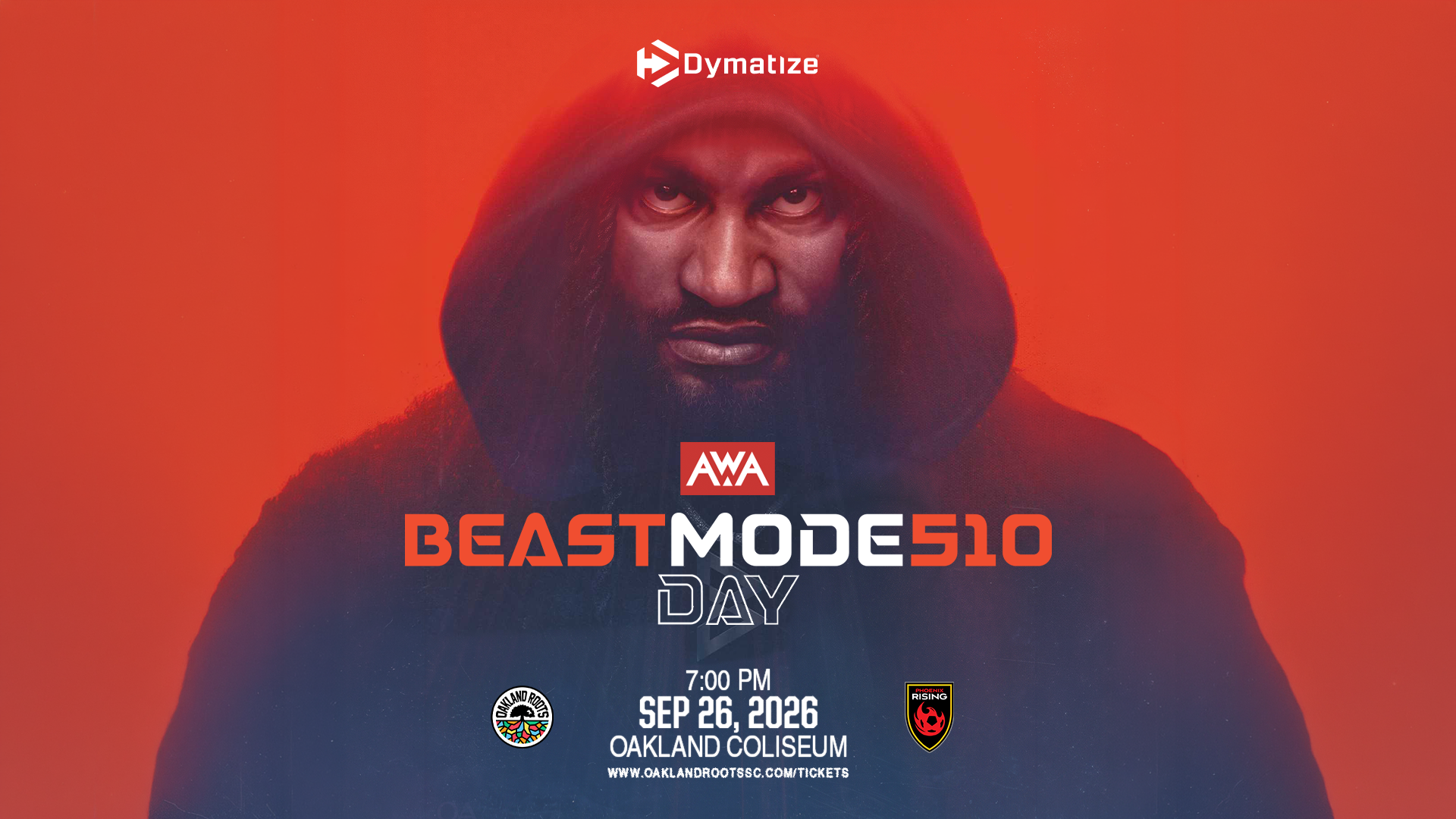
The commitment to staying grounded is equally visible through his grassroots creative ventures back in California. This commitment was on full display when Marshawn Lynch officially unveiled his Oakland-set comic book titled Beast Mode 510, an initiative covered closely by KRON4 news in the Bay Area. The graphic novel project is not a typical vanity merchandise launch; it is an unapologetic love letter to East Oakland, designed to spark creative ambition and literacy among inner-city youth.
By transforming his iconic running persona into a dynamic graphic storytelling vehicle, he gives young readers characters and urban environments that reflect their lived experiences. That creative impulse pairs seamlessly with his charismatic television appearances, such as his candid dialogue with safety Ty Okada on an episode of NFL Films’ Hard Knocks. During training camp, their humorous, thoughtful conversation about the historical rarity of white defensive backs in the modern NFL showcased an effortless ability to discuss complex racial and positional dynamics without tension or corporate stiffness.
Why Football Culture Gravitates Toward Pure Unfiltered Character
The broader sports landscape has undergone an aggressive sterilization process over the past decade. Athletes are coached relentlessly on managing personal brands, avoiding controversial stances, and answering difficult questions with uninspiring platitudes. As a natural reaction, sports fans find themselves yearning for figures who refuse to surrender their personal identity to corporate expectation.
This craving for unvarnished grit is precisely why supporters obsess over resilient leaders fighting through high-stakes divisional pressure. For instance, in matchups where Baker Mayfield Ignites 3 Major Stakes in a Fierce Week 7 Return, observers celebrate that same brand of fiery, unfiltered emotional investment that defies risk-averse scripting. Football remains an inherently emotional, visceral enterprise, and whenever modern broadcasts attempt to sanitize that essence, audiences naturally turn toward pioneers who refuse to conform. In a landscape often smothered by sterile media training, the enduring influence of Marshawn Lynch reminds viewers why unvarnished truth matters across professional athletics.
His persona works because it is entirely free of performance art. When he refused to play the media’s game during his playing days, critics accused him of being uncooperative. Years later, those exact same media corporations eagerly pursue his presence because they recognize that viewers trust him implicitly. He cannot be bought into endorsing a manufactured hot take, nor will he abandon a lifelong friend or mentor for a momentary media cycle.
The Lasting Impact of Beast Mode on Global Sports Entertainment
The sports world will continually evolve, adopting sophisticated statistical metrics, digital enhancements, and corporate sponsorships that stretch across continents. Yet, the foundational elements that make human competition compelling will never change: loyalty, physical bravery, community dedication, and genuine individuality. When spectators watch studio panels debate current stars, they listen for voices that carry actual weight rather than corporate talking points.
Whether traveling to rural East Tennessee to sit silently in memory of a departed mentor, authoring comic books for kids walking the streets of Oakland, or challenging fellow legends to treat rising stars like Jalen Hurts with earned dignity, the retired powerhouse continues to demonstrate that true legacy is defined far away from trophy cases. Ultimately, the overarching legacy of Marshawn Lynch stands as a blueprint for athletes seeking complete creative and intellectual autonomy, proving that remaining true to one’s roots is the most potent superpower in modern sports culture.