Investigative Journalism Mechanics Reveal 4 Proven Methods Behind Groundbreaking News Exposures
Behind every earth-shaking news scoop lies an exacting forensic science. Discover the four proven verification methods reporters use to turn hidden records into undeniable public truth.
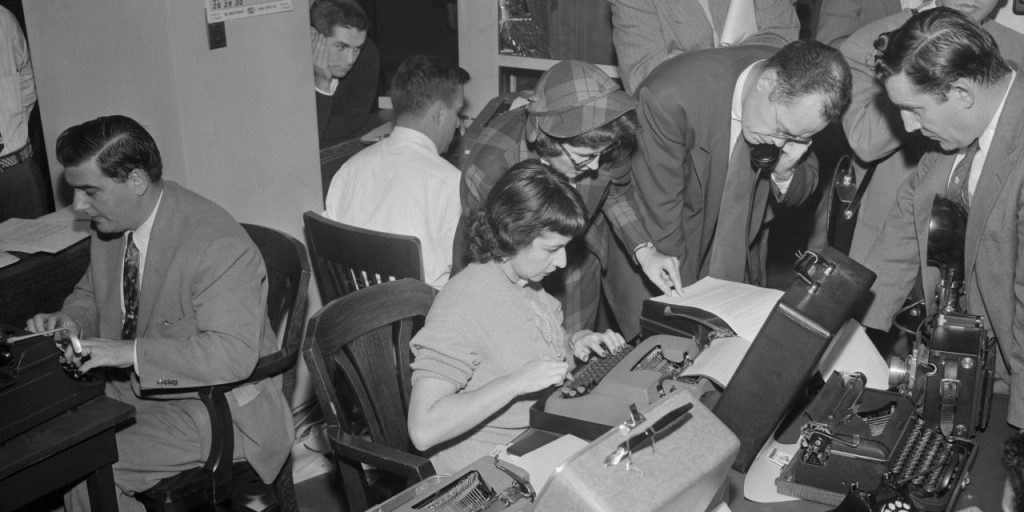
Mastering investigative journalism mechanics separates casual news gatherers from the reporters who systematically dismantle public deceptions and hold powerful institutions accountable under intense public scrutiny. When a massive scoop lands on the front page, readers experience a sudden lightning bolt of disclosure. What remains invisible is the subterranean network of cross-referenced public records, statistical anomaly audits, encrypted source handoffs, and grueling legal clearances that laid the foundation for that publication over months or years.
True investigative reporting is not an emotional crusade fueled by intuition. It is a disciplined, forensic enterprise built on strict evidentiary standards. The process demands that every assertion survive aggressive cross-examination before a single sentence reaches the printing press or digital feed. Understanding how modern reporting teams transform elusive rumors into rock-solid public records reveals why accountability journalism remains an essential counterweight to unchecked power.
The Invisible Architecture of Deep Accountability Reporting
Daily reporting naturally moves at the speed of official statements, press conferences, and breaking events. If an agency spokesperson issues a memorandum, the daily news desk summarizes the announcement, solicits a counterpoint from an opposing stakeholder, and files the story before the deadline window closes. This routine creates an informational baseline, but it leaves underlying systems unexplored. The investigative desk operates on an entirely distinct temporal plane.
Rather than documenting what officials claim occurred, accountability reporters investigate the systemic machinery behind outcomes. They dissect corporate registries, audit procurement trails, trace campaign contributions, and analyze patterns across decades of archival paperwork. The objective is never simply discovering what happened yesterday; the mission is explaining how an institutional vulnerability allowed an injustice to persist unchallenged. This work requires building a customized evidentiary structure for every project, creating an internal encyclopedia of names, dates, financial disbursements, and internal communications that render alternate explanations untenable.
Why Everyday News Gathering Differs From Forensic Investigation
Everyday reporting is fundamentally reactive, while deep investigation is structural and proactive. When an industrial plant experiences a chemical release, standard news coverage focuses on the immediate emergency response, the evacuation radius, and the statements issued by company executives. The beat reporter answers the immediate questions of who, what, when, and where under intense deadline pressure.
Conversely, grasping true investigative journalism mechanics requires looking past the adrenaline of breaking news to examine underlying systemic neglect. An investigative reporter does not merely report the chemical spill. They file public records requests for state environmental compliance records over the prior decade, subpoena historical maintenance logs, track whether plant inspectors faced industry pushback, and interview former plant engineers who resigned over ignored safety warnings. Where breaking news describes the impact of an explosion, investigative reporting diagnoses the organizational rot that made the disaster inevitable.
Four Proven Methods That Power Groundbreaking Exposures
The real-world application of investigative journalism mechanics follows a rigorous four-stage architecture that transforms vague whistleblower tips into bulletproof accountability reporting. Each phase operates as a firewall against deception, defamation, and premature exposure.
Constructing Independent Paper Trails Before Approaching Humans
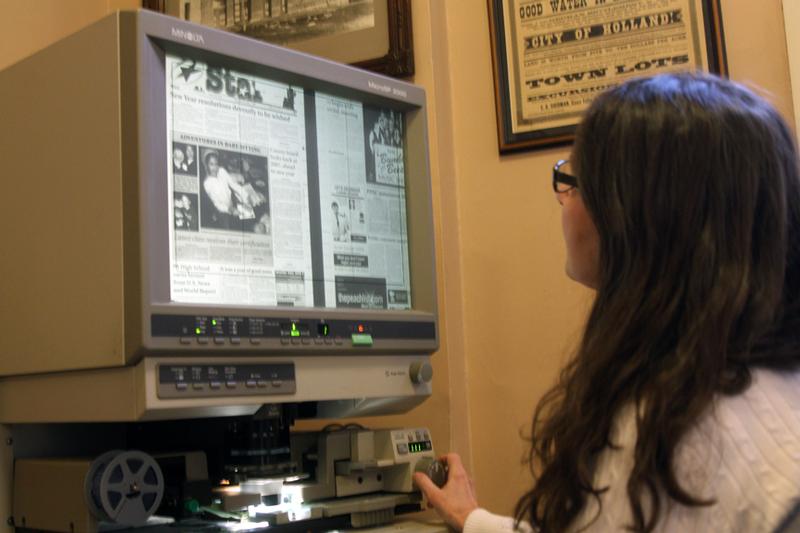
Amateur investigators frequently rush to interview human witnesses the moment an allegation surfaces. Seasoned reporters do the exact opposite. People misremember dates, exaggerate their roles, harbor hidden grudges, and often walk back statements when threatened with litigation. Documents, by contrast, possess no emotional vanity. Before an investigative reporter contacts a single witness, they spend weeks amassing an unassailable document baseline.
This paper trail includes property deeds, corporate incorporation filings, regulatory inspection histories, federal court filings, and municipal budget line items. When the reporter finally sits down across from an institutional figure, the reporter already knows the answers to eighty percent of the questions being asked. The interview ceases to be a fact-finding expedition; it becomes an evaluation of whether the subject will tell the truth when confronted with documentary evidence they assumed was buried.
Triangulating Human Testimony Through Corroborative Friction
When whistleblowers step forward, their testimony must run through an exhaustive corroboration matrix. A single source, no matter how sincere or well-placed, is never sufficient to anchor an explosive accusation. Experienced newsrooms mandate that every crucial factual claim achieve independent multi-source verification.
This process relies on corroborative friction. If an insider claims that an executive ordered the shredding of safety audits in late October, the reporter searches for secondary evidence that collides with that claim. They look for calendar invites, electronic keycard logs verifying the executive was in the building on that date, shipping manifests from shredding vendors, and contemporaneous communications where the source mentioned the incident to a spouse or doctor. Discrepancies are interrogated ruthlessly until only incontrovertible, interlocking facts survive.
Reverse Engineering Datasets to Spot Systemic Anomalies
Modern investigative journalism mechanics treat raw spreadsheets not as dry archives, but as dynamic crime scenes. Institutional wrongdoers rarely leave signed confessions, but systemic malfeasance reliably creates statistical anomalies within massive data reservoirs.
Reporters write automated scrapers, build relational databases, and run regression models across public datasets to reveal patterns that no individual human observer could spot from the street. Consider environmental investigations where public agencies understate municipal vulnerabilities. While a daily bulletin might report how a coastal flood warning escalates across 4 major shorelines as king tides collide with extreme weather, an investigative desk interrogates years of zoning exceptions, storm drain infrastructure neglect, and flood wall maintenance contracts that turned an ordinary seasonal surge into an avoidable civic disaster. The story does not depend on official rhetoric; it rests entirely on the unarguable arithmetic of the public record.
Surviving the Crucible of Adversarial Pre Publication Review
Before any major exposure reaches publication, it must pass through an exhausting process known as the formal adversarial audit. In this phase, the reporter and an internal editorial team step into the shoes of the subject’s high-priced legal counsel. They draft a detailed, multi-page findings letter outlining every specific allegation, date, and finding, submitting it to the subject with a reasonable window to respond.
This step serves a dual purpose. Ethically, it provides the target of the investigation a fair opportunity to identify factual errors or present exculpatory evidence. Tactically, it stress-tests the investigation. If the subject provides records proving that a key transaction occurred under different circumstances, the newsroom adjusts its findings before publication rather than issuing a humiliating retraction later. The final draft is reviewed line-by-line alongside newsroom legal counsel, checking every noun, verb, and adjective against physical documentation according to established Investigative Reporters and Editors professional standards.
The Psychological Discipline of Source Cultivation and Protection
At its core, practicing sound investigative journalism mechanics demands a delicate balance between human empathy and professional detachment. Whistleblowers frequently risk their careers, savings, and personal safety to bring evidence of wrongdoing into public view. If a reporter treats a confidential source merely as a transactional provider of documents, the relationship quickly deteriorates under the pressure of imminent publication.
Reporters act as operational guides for individuals who have never navigated high-stakes media scrutiny. This requires setting explicit expectations regarding attribution. Clear definitions are established early regarding whether conversations occur on the record, on background for direct quotation under an agreed identifier, or strictly off the record for guidance purposes only. The reporter must explain the legal protections and limits of shield laws within their jurisdiction, ensuring the source understands the precise legal landscape before handing over sensitive material.
How Modern Digital Security Reshaped Field Operations
As state surveillance and commercial spyware evolve, modern investigative journalism mechanics incorporate stringent operational security protocols. The days of meeting an anonymous source in a subterranean parking garage without taking digital precautions are long gone. Today, the primary threat to confidential sourcing is not physical surveillance, but the pervasive digital exhaust generated by smartphones, cellular towers, and cloud service providers.
Newsrooms maintain isolated digital infrastructure specifically for high-risk reporting. Sensitive communication occurs over end-to-end encrypted messaging networks with disappearing messages enabled by default. Document ingestion utilizes specialized whistleblower drop platforms that strip metadata, obscure internet protocol addresses, and prevent server-side logging. In extreme scenarios involving classified materials or corporate espionage, reporters utilize air-gapped computers that have never connected to the internet, processing raw disclosures on encrypted flash drives stored within physical safes. Protecting the integrity of the evidence is meaningless if the reporter fails to protect the human being who risked everything to deliver it.
The Enduring Standard of Independent Verification
In an era dominated by hyper-accelerated commentary, unverified social media assertions, and manufactured viral outrage, the laborious methodology of deep investigative work serves as a stabilizing force for public consciousness. Accountability journalism does not demand blind trust from its audience. It presents its evidence openly, footnoting sources, linking directly to primary documents, and laying out its investigative methodology so readers can verify the findings independently.
Exposing institutional misconduct requires immense patience, stubborn skepticism, and uncompromising technical precision. When an investigation successfully changes legislation, sparks regulatory reform, or halts predatory practices, that outcome represents the victory of method over momentum. It stands as definitive proof that disciplined investigative journalism mechanics remain the defining defense mechanism of a healthy public square.