Fred Lorenzen Brain Study Results Reveal 4 Heartbreaking Lessons for Motorsport
Posthumous neurological analysis has confirmed that NASCAR Hall of Famer Fred Lorenzen suffered from CTE. The findings mark an unprecedented turning point for racing safety and head trauma awareness.
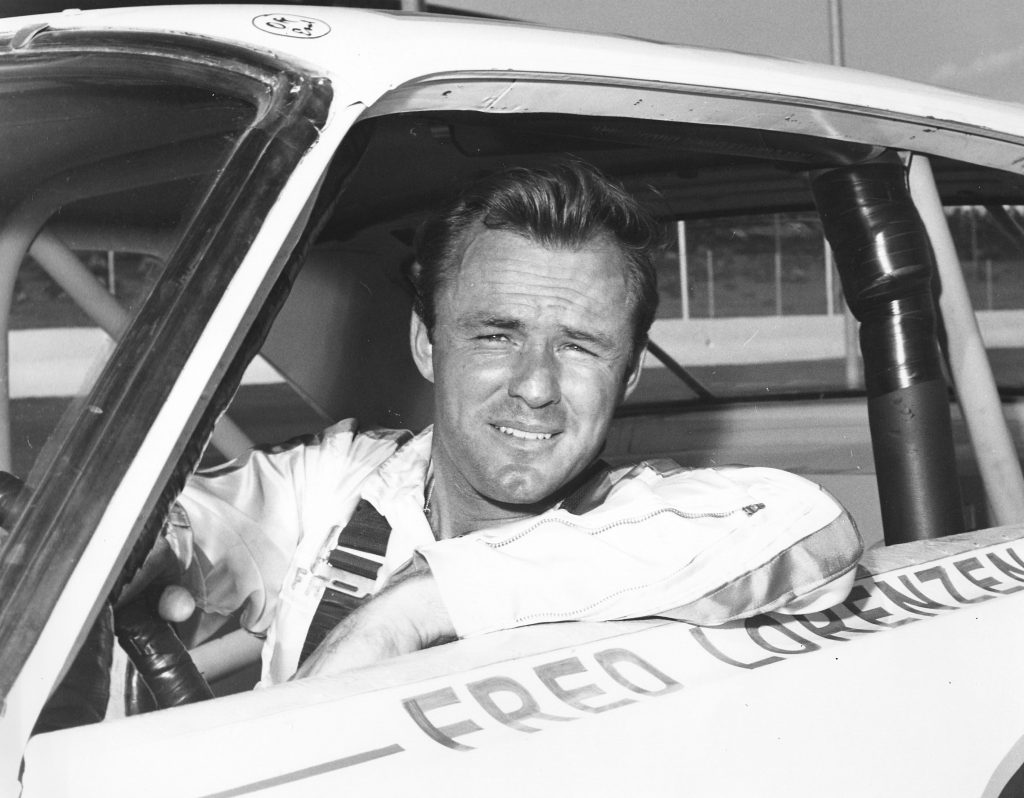
The release of the groundbreaking fred lorenzen brain study results marks an unprecedented and somber milestone in the history of American stock car racing. As reported by USA Today and FanBuzz, the NASCAR Hall of Famer has become the first driver in the sanctioning body’s storied history to be posthumously diagnosed with Chronic Traumatic Encephalopathy (CTE). Lorenzen, an iconic competitor who captured the 1965 Daytona 500 and stood as one of the sport’s most dominant figures during its 1960s expansion, passed away in December 2024 at the age of 89. Behind his glittering career stood an agonizing personal struggle, with his family revealing that his final decades were overshadowed by thirty-five years of constant heartbreak as progressive neurodegeneration stripped away his memories, executive function, and independence.
For generations, the conversation surrounding traumatic brain injury and CTE centered almost exclusively on contact sports such as professional football, ice hockey, and boxing. When head trauma in auto racing was discussed, public attention gravitated toward catastrophic, high-impact crashes that produced visible skull fractures or acute comas. The neurological confirmation from Lorenzen’s examination disrupts that paradigm completely. It establishes that the violent decelerations, relentless cockpit vibrations, and repeated concussive impacts inherent to competitive motorsport can generate the same degenerative tau protein build-up that has long haunted gridiron veterans.
The Golden Boy of Stock Car Racing and His Quiet Decline
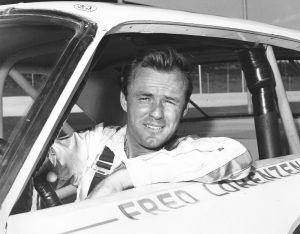
During the 1960s, Fred Lorenzen was stock car racing’s premier superstar. Nicknamed ‘Fearless Freddie’ and ‘The Golden Boy,’ the Elmhurst, Illinois native drove the famous blue and white No. 28 Ford for the legendary Holman-Moody team. As chronicled by NASCAR.com, Lorenzen rewrote record books by becoming the first driver in NASCAR history to surpass $100,000 in single-season earnings in 1963. He rattled off 26 premier series victories in just 158 career starts, an astonishing winning percentage that remains among the highest ever recorded. His crowning achievement came at the 1965 Daytona 500, cementing his place in the inaugural conversation of American racing legends before his eventual induction into the NASCAR Hall of Fame.
Yet at the peak of his capabilities, Lorenzen made a sudden choice that baffled the racing establishment. He walked away from full-time competition in 1967 at just 32 years old. Although he made brief, intermittent comebacks into the early 1970s, those closest to him began to observe subtle changes in his behavior and temperament. By the late 1980s, the decline accelerated into undeniable cognitive impairment. His family watched helplessly as memory loss, confusion, and profound personality shifts took hold. For thirty-five years, Lorenzen lived under the deepening shadow of an unidentified neurological storm that doctors initially categorized broadly as dementia, unaware of the specific mechanical destruction taking place inside his brain tissue.
What the Posthumous Medical Examination Revealed
Following Lorenzen’s death in late 2024, his family made the crucial decision to donate his brain tissue to neuropathological researchers specializing in repetitive head trauma. According to reporting from USA Today, the medical documentation surrounding the fred lorenzen brain study results demonstrates that decades of violent decelerations had triggered widespread Chronic Traumatic Encephalopathy. Pathologists detected abnormal neurofibrillary tangles of tau protein concentrated in the sulci of the cerebral cortex, the unmistakable diagnostic fingerprint of CTE.
This condition cannot currently be definitively diagnosed in living patients through standard magnetic resonance imaging or blood biomarkers. It requires meticulous post-mortem histological sectioning of the brain. The pathology confirmed that the profound cognitive decay Lorenzen endured was directly linked to the physical trauma sustained inside race cars rather than an isolated case of age-related Alzheimer’s disease. The sheer severity of the lesions aligned with the advanced behavioral and psychological symptoms that his family endured through his prolonged institutional care, validating decades of private agony with hard scientific evidence.
Four Critical Lessons From the Lorenzen Diagnosis
Evaluating the fred lorenzen brain study results provides the racing world with four unmistakable takeaways that redefine how the sporting community views speed, danger, and neurological preservation.
Repetitive Subconcussive Impacts Matter as Much as Monster Wrecks
Historically, racing safety focused almost exclusively on surviving maximum-velocity impacts into concrete walls. While surviving structural chassis failure is paramount, CTE research demonstrates that repetitive subconcussive forces carry devastating cumulative weight. Stock car drivers in Lorenzen’s era routinely absorbed violent rotational acceleration, severe suspension bottoming, and hundreds of minor wall scrapes per race. These mechanical forces rattle the brain against the interior surface of the skull without causing an immediate loss of consciousness. Lorenzen’s diagnosis proves that the accumulation of micro-traumas sustained across thousands of laps can be just as biologically catastrophic as a single massive wreck.
The Decades of Hidden Suffering Endured by Racing Families
The human toll of chronic brain injury rarely stays confined to the driver. As USA Today highlighted through the Lorenzen family’s testimony, living through thirty-five years of cognitive deterioration represents an emotional and logistical nightmare. Family members transition into full-time caregivers, watching their loved one’s vibrant personality erode into paranoia, depression, or severe memory deficit. The posthumous diagnosis offers validation to families who have spent decades coping with baffling behavioral changes in retired drivers, proving that emotional withdrawal and cognitive collapse were physiological consequences of racing combat.
Risk Management Parallels Across High Stakes Arenas
Systemic vulnerability often develops beneath surface-level success when underlying stress signals are ignored. Just as institutional traders monitor Margin call mechanics and 4 proven rules that prevent devastating portfolio liquidations to avert catastrophic structural failures, motorsport engineers and medical directors must calculate hidden, compounding physical depreciation. Treating health preservation as a rigorous risk mitigation framework prevents athletes from paying an irreversible biological price decades after their competitive retirement.
The Vital Urgency of Driver Brain Donation Programs
Progress in understanding chronic brain injuries is impossible without tissue donation. Back in 2016, The Drive highlighted that NASCAR champion Dale Earnhardt Jr. publicly pledged to donate his brain to science upon his death, an announcement that brought widespread awareness to racing concussions. When scientists examining the fred lorenzen brain study results noted how posthumous tissue examination provided definitive clinical answers, it reinforced the critical necessity of Earnhardt Jr.’s initiative. Without posthumous donations from pioneers like Lorenzen, the racing community would remain completely blind to the long-term cellular consequences of high-speed competition.
How NASCAR Safety Evolution Intersects With Modern Neuropathology
To fully contextualize why Lorenzen suffered such extensive trauma, one must examine the stark mechanical reality of stock car racing in the 1960s. Drivers sat in relatively crude cockpits secured by basic lap belts and rudimentary shoulder harnesses. They wore open-face helmets with cork or basic fiberglass lining that provided minimal shock absorption. Steering columns were rigid steel shafts aimed directly at the driver’s chest, while seats offered virtually no lateral head or neck support. When a car spun into an unyielding concrete barrier, the driver’s head whipped violently in multiple planes, subjecting brain tissue to severe shear and tensile strain.
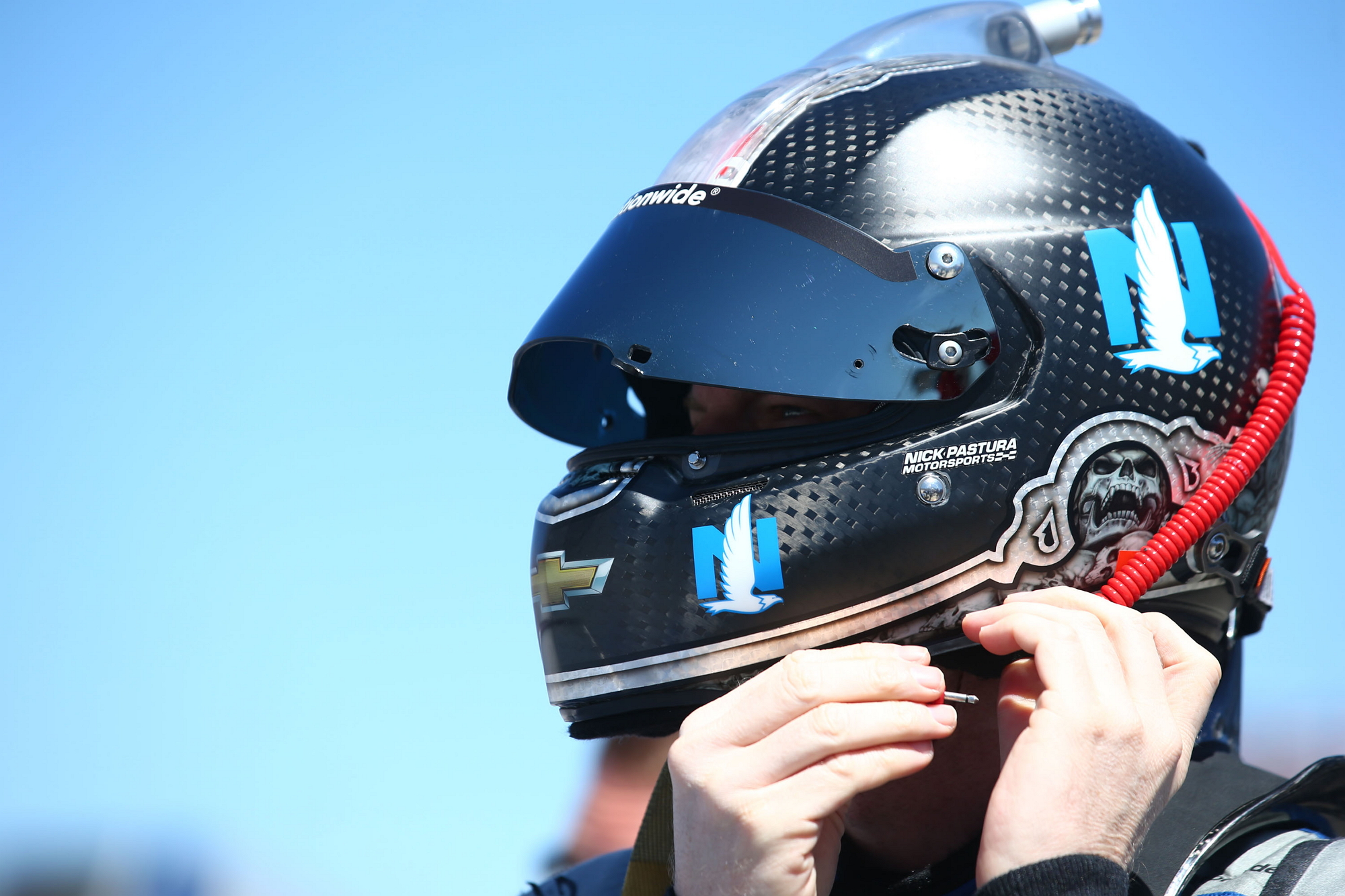
When historical telemetry is viewed through the lens of the fred lorenzen brain study results, the sheer mechanical stress of vintage racing becomes terrifyingly obvious. Modern NASCAR competition operates in a radically different safety environment. The mandatory adoption of the Head and Neck Support (HANS) device in 2001, energy-absorbing SAFER barriers on track perimeters, full-containment carbon-fiber seats, and specialized foam crush zones inside current Next Gen chassis have drastically diminished peak g-forces. Nevertheless, modern drivers still experience rapid deceleration during multi-car pileups, proving that continuous biomechanical monitoring remains an urgent priority rather than a solved problem.
The Future of Traumatic Brain Injury Research in High Speed Sports
The confirmation of CTE in Fred Lorenzen shatters the outdated illusion that auto racing is immune to the neurodegenerative crises facing the NFL and combat sports. It demands that sanctioning bodies expand baseline neurocognitive testing, implement sophisticated in-ear accelerometer sensors to measure multi-directional head impacts, and enforce strict, objective return-to-play protocols when drivers show subtle concussion markers.
Driver culture itself is undergoing an overdue transformation. The historic bravado of hiding concussions to protect championship points is slowly giving way to medical transparency. Ultimately, the enduring impact of the fred lorenzen brain study results will not be measured solely in medical archives, but in the institutional reforms enacted to protect future generations. By honoring the thirty-five years of quiet heartbreak endured by the Lorenzen family, motorsport has the opportunity to lead the next frontier of brain injury prevention, ensuring that legends of speed do not have to forfeit their golden years to the hidden scars of the track.