Rashid Shaheed Injury Update Shows 3 Crucial Setbacks for Seattle
Seattle wide receiver and elite return specialist Rashid Shaheed exited Sunday Night Football against Kansas City with a knee injury. Here is a breakdown of his on-field impact and what the diagnosis means for the Seahawks.
The latest Rashid Shaheed injury update cast a sudden cloud over Lumen Field during Sunday Night Football, shifting the entire atmosphere of Seattle’s high-stakes clash against Kansas City. The explosive wide receiver and All-Pro caliber returner walked off the field with medical personnel early in the third quarter after sustaining an unexpected hit to his lower body. As reported by Sports Illustrated, the incident represented the first notable physical setback of the evening for a Seahawks squad that had otherwise kept pace with the defending champions in a physical Week 7 contest.
Before the setback, Shaheed provided the exact dynamic spark that head coach Mike Macdonald and offensive coordinator Ryan Grubb envisioned when tailoring their game plan. In a slugfest defined by field position and tactical discipline, losing a player of Shaheed’s unique caliber changes how opposing defensive coordinators allocate coverage shells. The collective hush from the Seattle crowd when Shaheed remained down on the turf spoke volumes about his growing importance to this roster.
A Sudden Third Quarter Exit Under Prime Time Lights
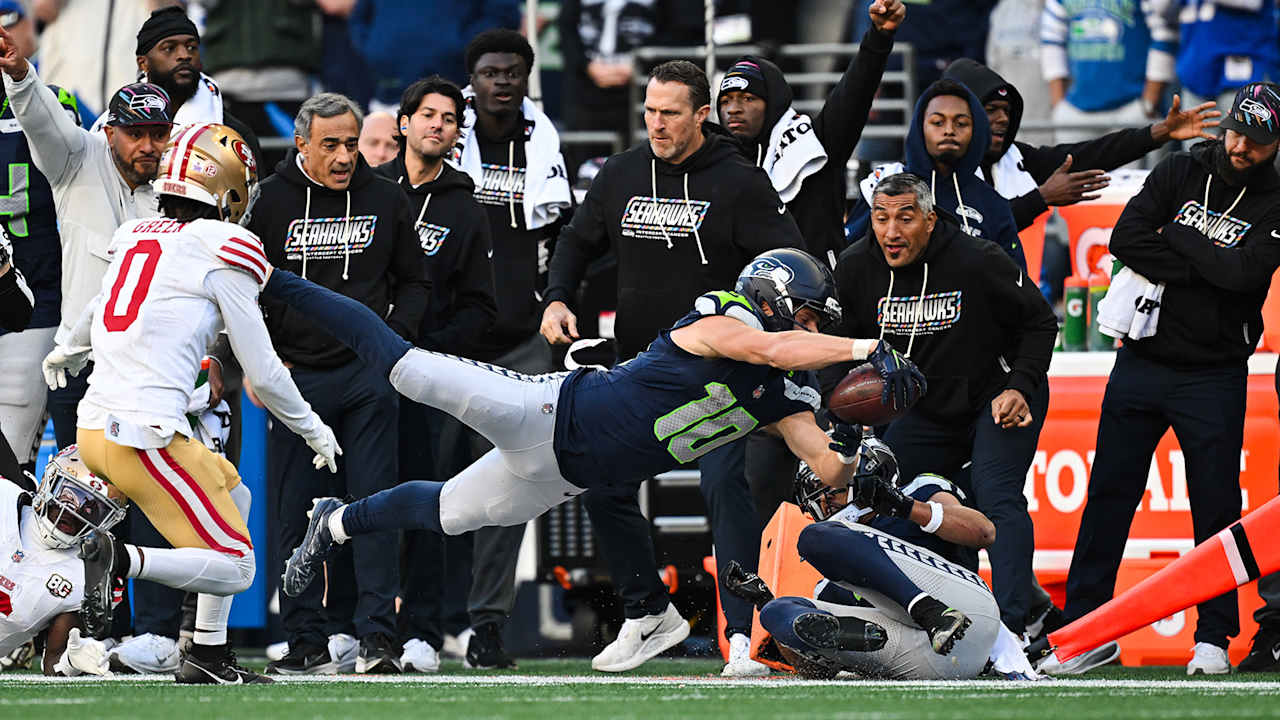
The pivotal moment unfolded during Seattle’s opening possessions of the second half. Shaheed made a sharp cut near the boundary before absorbing contact that visibly altered his gait. Athletic trainers immediately rushed out to examine the wide receiver, checking the stability of his joint on the turf before assisting him to his feet. Shaheed walked under his own power toward the blue medical tent stationed along the Seattle sideline, yet his labored movement immediately raised alarms across the broadcast booth and team bench.
According to in-game reporting by NBC Sports, the Seahawks officially designated Shaheed as questionable to return with a knee injury shortly after his trip into the evaluation tent. The rapid official designation indicated that medical staff detected sufficient discomfort or structural concern to keep him off the field while undergoing further orthopedic checks. While initial sideline tests provide preliminary evaluations, knee injuries in high-velocity skill players require extreme caution to avoid exacerbating soft tissue strains or ligament laxity.
Seattle Wire on USA Today noted that team personnel quickly ushered the playmaker to the locker room for advanced observation, dimming hopes for a swift return to the contest. The suddenness of the departure left Seattle scrambling to reorganize its wide receiver rotations and special teams units on the fly against a relentless Kansas City defense known for exploiting sudden personnel voids.
In Game Confirmation and the 32 Yard Spark
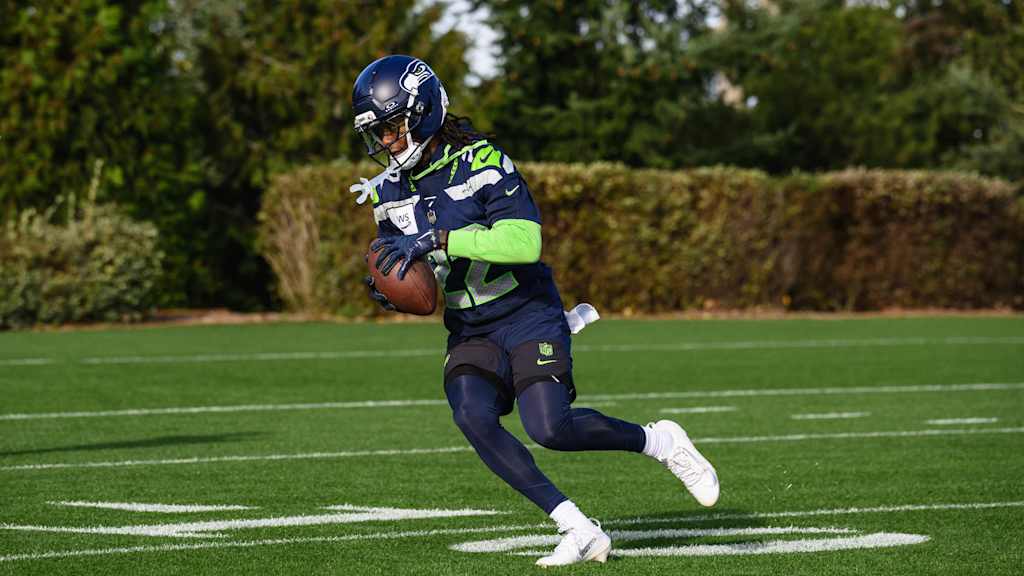
The timing of the ailment could not have been more frustrating for the Seahawks, given how instrumental Shaheed had been during the first half. Earlier in the matchup, the dynamic speedster electrified the stadium by fielding a punt and slicing through coverage lanes for an explosive 32-yard return. As documented by the official Seattle Seahawks media team, that single play flipped field position entirely and handed the offense ideal territory inside opposing territory.
Shaheed’s return ability has served as a foundational weapon for Seattle throughout the 2026 campaign. His vision, lateral burst, and fearlessness between the hashes force opposing punters to adjust their directional kicks, routinely sacrificing net distance to prevent open-field footraces. Without his threat back deep, Kansas City punting specialists gained immediate breathing room to pin Seattle deep in their own territory.
As the second half progressed, reporters and fans closely monitored the wire for any immediate Rashid Shaheed injury update from the sideline medical staff. The absence of an immediate return to the bench wearing a helmet underscored the severity of the discomfort. In modern professional football, teams rarely risk re-inserting dynamic playmakers into regular-season games if knee stability or lateral mobility is compromised even slightly.
3 Crucial Tactical Blows to the Seahawks Roster
Analyzing why this Rashid Shaheed injury update strikes such a sensitive nerve requires understanding how Seattle structures its entire weekly game plan. Shaheed does not merely catch passes; he dictates spatial geometry for the entire offense while functioning as an indispensable equalizer on special teams.
Special Teams Dynamic and Hidden Field Position
Special teams execution often decides tight games between playoff contenders, and Shaheed represents an apex predator in that phase. His 32-yard burst earlier in the evening demonstrated how quickly he can erase a defensive stand and convert it into immediate scoring momentum. Replacing an elite return man mid-game disrupts blocking cadences, as alternate returners lack the instantaneous acceleration required to exploit narrow seams. Opposing coverage units instantly play with heightened aggression when they know the league’s most dangerous open-field runner is standing on the sideline in street clothes.
Deep Field Spacing and Perimeter Coverage Shells
Shaheed’s vertical speed creates natural cushions for underneath targets. When defensive backs must respect a receiver capable of running sub-4.4 fly routes, they naturally backpedal into deeper drops, opening intermediate soft zones for tight ends and slot options. Without Shaheed threatening the top of the defense, Kansas City safeties aggressively compressed the field, creeping closer to the line of scrimmage to choke off shallow crossing routes and disrupt the interior ground game.
Target Distribution and Red Zone Playcalling
Inside the twenty-yard line, windows shrink and timing becomes razor-thin. Ryan Grubb frequently deploys motion concepts featuring Shaheed to force linebackers and defensive backs into miscommunicating leverage. Removing that chess piece forces the offense into more predictable, traditional passing concepts. The burden shifts heavily onto the remaining perimeter targets, allowing defensive coordinators to roll double coverage toward established possession receivers without fearing back-side vertical punishment.
Navigating High Stakes Roster Contingencies
Managing an unexpected injury mid-game requires an intricate balancing act from both the coaching staff and front office. When an indispensable asset exits, the strategic disruption mimics complex economic shocks where sudden leverage disappears in an instant. Just as strategic financial observers analyze systemic exposure when Short Selling Mechanics Reveal 4 Proven Risks Behind Devastating Market Squeezes, NFL coaching staffs must rapidly rebalance their risk profiles when sudden injury shocks wipe away key operational advantages.
Every seasoned football analyst following this Rashid Shaheed injury update recognizes the hidden downstream effects on defensive schemes. When a team loses its premier vertical threat, offensive drives tend to require more plays to reach the end zone. Sustaining ten-play and twelve-play drives against elite defenses inherently increases the probability of penalties, negative-yardage sacks, or turnovers. Seattle’s margin for error narrows dramatically whenever their primary home-run hitter is unavailable.
Depth receivers must immediately assume elevated snap counts. Players who spent the week practicing limited situational packages find themselves thrust into primary read progressions against sophisticated disguised coverages. The mental resilience required to absorb that volume under the blinding glare of Sunday Night Football tests the true depth of general manager John Schneider’s roster construction.
Knee Evaluation Protocols and Imaging Realities
The terminology used during in-game broadcasts often conceals the complex diagnostic steps taking place inside the stadium tunnels. When a player receives a questionable designation specifically regarding a knee, team physicians conduct manual stability tests immediately. These include the Lachman test and anterior drawer assessments to gauge anterior cruciate ligament integrity, alongside stress tests for the MCL, LCL, and posterior structures.
Until the team releases a formal post-game Rashid Shaheed injury update backed by comprehensive magnetic resonance imaging, speculation will swirl around the severity of the joint trauma. Modern imaging technology allows medical teams to evaluate microscopic cartilage damage, bone contusions, and hyperextension strains within hours of the final whistle. The primary concern in non-contact or rotational knee incidents is ruling out structural damage that necessitates multi-month rehabilitation programs.
If the diagnostic scans reveal merely a minor sprain or low-grade hyperextension, Seattle might only face a short-term absence where Shaheed misses one or two contests. However, meniscus tears or high-grade sprains can require arthroscopic cleanup or extended rest protocols that alter the trajectory of a franchise’s midseason momentum. Team medical staff invariably prioritize long-term joint health over rushing a player back into the lineup prematurely.
What Comes Next for Seattle Prime Time Ambitions
The immediate fallout from Sunday night will ripple through the team’s upcoming practice schedule at the Virginia Mason Athletic Center. Head coach Mike Macdonald typically addresses the press corps on Monday afternoons to provide validated medical findings once swelling has subsided and imaging results have been interpreted by specialized radiologists.
Seattle faces an unforgiving slate in the coming weeks, meaning that any subsequent Rashid Shaheed injury update will heavily dictate how general manager John Schneider and the coaching staff navigate upcoming practices. Divisional games against physical NFC West opponents leave little room for an offense running at partial capacity. If Shaheed is forced to miss extended time, the front office may be compelled to scour the waiver wire or promote practice squad specialists to patch the massive hole left on special teams.
For now, the Pacific Northwest holds its breath while awaiting definitive clarity. Shaheed has rapidly cemented himself as one of the most electric open-field runners in the sport, and his physical health remains a linchpin for Seattle’s aspirations of making a profound postseason push. As team doctors complete their evaluations, the organization prepares to adapt, knowing that championship resilience is measured by how effectively a roster withstands the harsh physical realities of professional football.