Marshall Faulk Reveals 4 Crucial Realities Behind Shocking Parkinson Battle
Pro Football Hall of Famer Marshall Faulk has publicly revealed his diagnosis of Parkinson’s disease at age 53, affirming that he remains in a good place mentally and physically. The legendary running back and Southern University coach is now facing this long-term health journey with remarkable transparency and strength.
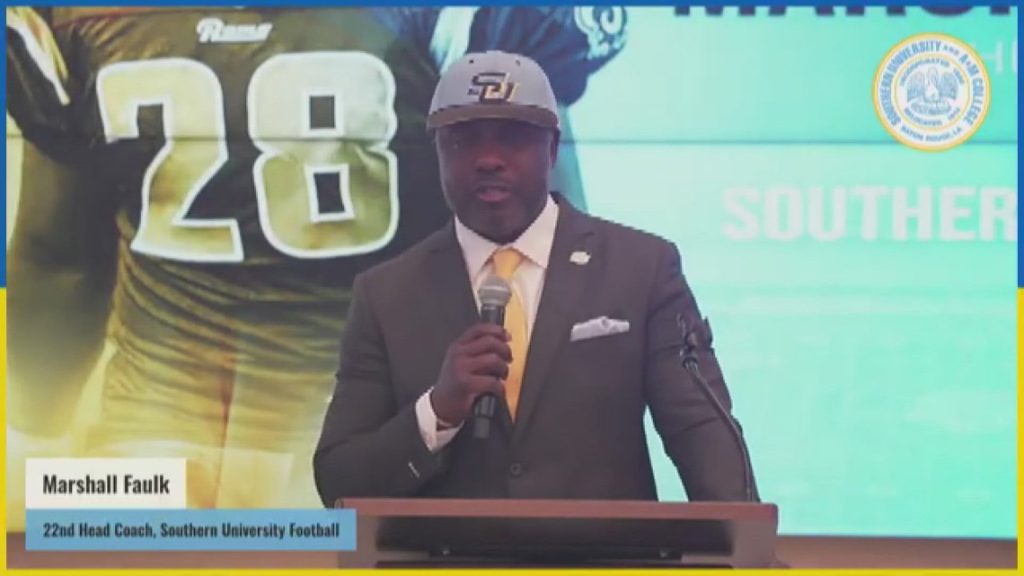
When legendary running back Marshall Faulk revealed his Parkinson disease diagnosis to the public, the sports world responded with widespread admiration and profound support. At 53 years of age, the Pro Football Hall of Famer chose to address his health condition with characteristic directness and quiet dignity. Rather than stepping away into complete seclusion or permitting speculative narratives to circulate, he spoke openly about his circumstances, offering reassurance to those who have followed his storied journey from collegiate stardom to professional immortality. As reported by CBS Sports, the former NFL Most Valuable Player emphasized that he remains in a good place mentally and physically, approaching his daily life with unyielding optimism.
The disclosure resonated deeply across professional football circles, prompting an immediate outpouring of affection from former teammates, coaches, rivals, and supporters spanning multiple generations. Football enthusiasts remember him as the electrifying centerpiece of one of the most explosive offenses in sporting history, an athlete who redefined how coaches utilized running backs in the modern era. Today, his announcement brings a human vulnerability to an iconic figure whose on-field persona was synonymous with speed, agility, and unflappable confidence.
The Public Disclosure That Shook the Football World
Covered extensively by national outlets including ESPN and the New York Post, the diagnosis brings renewed visibility to neurodegenerative health among prominent retired athletes. At 53, the timing of the announcement caught many by surprise, particularly given his visible and energetic presence on collegiate sidelines and television broadcasts in recent years. As reported by NBC News and Fox 59, Marshall Faulk chose to share his personal health update directly, ensuring that the focus remained on proactive awareness, resilience, and steady continuity rather than sorrow.
The announcement created a profound emotional ripple across the cities where he spent his playing prime. In Indianapolis, where Fox 59 chronicled his foundational years as the dynamic franchise catalyst for the Colts, fans remembered his dazzling rookie campaign and immediate transformation of the team’s offensive identity. In St. Louis, where he orchestrated historic milestones, fans reflected on his central role in the city’s lone Super Bowl championship. Across both regions and throughout the broader league landscape, colleagues commended his transparency. Addressing a progressive medical diagnosis publicly requires immense courage, especially for an athlete whose physical perfection was celebrated on national television every autumn Sunday for over a decade.
His decision to speak out mirrors a growing movement among sports luminaries who understand the cultural reach of their voices. By sharing his reality early in his personal journey, he provides comfort to ordinary families navigating similar medical challenges. His message has been framed not by despair, but by determination to maintain his everyday routines, his leadership obligations, and his unwavering passion for mentoring young athletes.
A Legendary Career Built on Unmatched Versatility
Before becoming a household name across America, Marshall Faulk entered the professional ranks as the second overall pick in the 1994 NFL Draft out of San Diego State, landing with the Indianapolis Colts. He made an instant impact, capturing the NFL Offensive Rookie of the Year award and demonstrating a rare hybrid skill set that blended bruising interior rushing with polished receiver route-running. Across five seasons in Indianapolis, he established himself as an indispensable offensive centerpiece, earning three Pro Bowl selections and setting franchise standards for total yards from scrimmage.
His trade to the St. Louis Rams prior to the 1999 season triggered one of the most explosive chapters in football lore. Under head coach Dick Vermeil and offensive coordinator Mike Martz, the Rams unveiled The Greatest Show on Turf, an unprecedented aerial and ground attack that overwhelmed opposing defensive coordinators. At the heart of that historic system was the versatile back from New Orleans, who operated virtually as a top-tier running back and wide receiver simultaneously. During that 1999 campaign, he eclipsed 1,000 rushing yards and 1,000 receiving yards in the same season, an extraordinarily rare milestone that propelled the Rams to a dramatic victory in Super Bowl XXXIV.
Individual accolades accumulated rapidly. He captured the NFL Most Valuable Player award in 2000 and was named NFL Offensive Player of the Year in three consecutive seasons from 1999 through 2001. Over a twelve-year professional tenure, he amassed 12,279 rushing yards, 100 rushing touchdowns, 767 receptions, 6,875 receiving yards, and 36 receiving touchdowns. His first-ballot enshrinement into the Pro Football Hall of Fame in 2011 codified his status as an immortal titan of the sport whose play directly paved the way for modern multi-purpose backs.
4 Crucial Takeaways From His Candid Health Revelation
Examining the perspective of Marshall Faulk offers meaningful lessons on confronting unexpected medical realities while maintaining an active professional calling. Rather than viewing the diagnosis through a lens of defeat, his public posture outlines a strategic framework for managing personal wellness with grace and fortitude.
1. Confronting Parkinson Disease With Genuine Transparency
Parkinson’s disease is a progressive neurodegenerative disorder that primarily affects dopamine-producing neurons in a specific area of the brain, leading to tremors, stiffness, balance difficulties, and motor coordination challenges. By addressing his condition openly at age 53, the New York Post noted that he helps dismantle lingering social stigmas associated with progressive neurological illnesses. High-profile athletes frequently grapple with the loss of peak physical control, but confronting the diagnosis in public view fosters broader public empathy and demystifies the condition for millions worldwide.
2. Maintaining Mental Resilience and Peace of Mind
CBS Sports underscored his personal statement confirming that he is currently in a good place mentally. Maintaining internal peace in the face of an uncertain medical prognosis is a hallmark of elite psychological discipline. Athletic poise and psychological grit mirror unforgettable playoff feats in sports, much like how Aaron Ashby Delivers 3 Major Triumphs in a Historic World Series Playoff Masterclass under immense pressure on the diamond. For retired professionals dealing with medical adversity, grounding oneself in gratitude, family, and purposeful daily engagement serves as a potent stabilizing anchor.
3. Balancing Sideline Leadership and Health Management
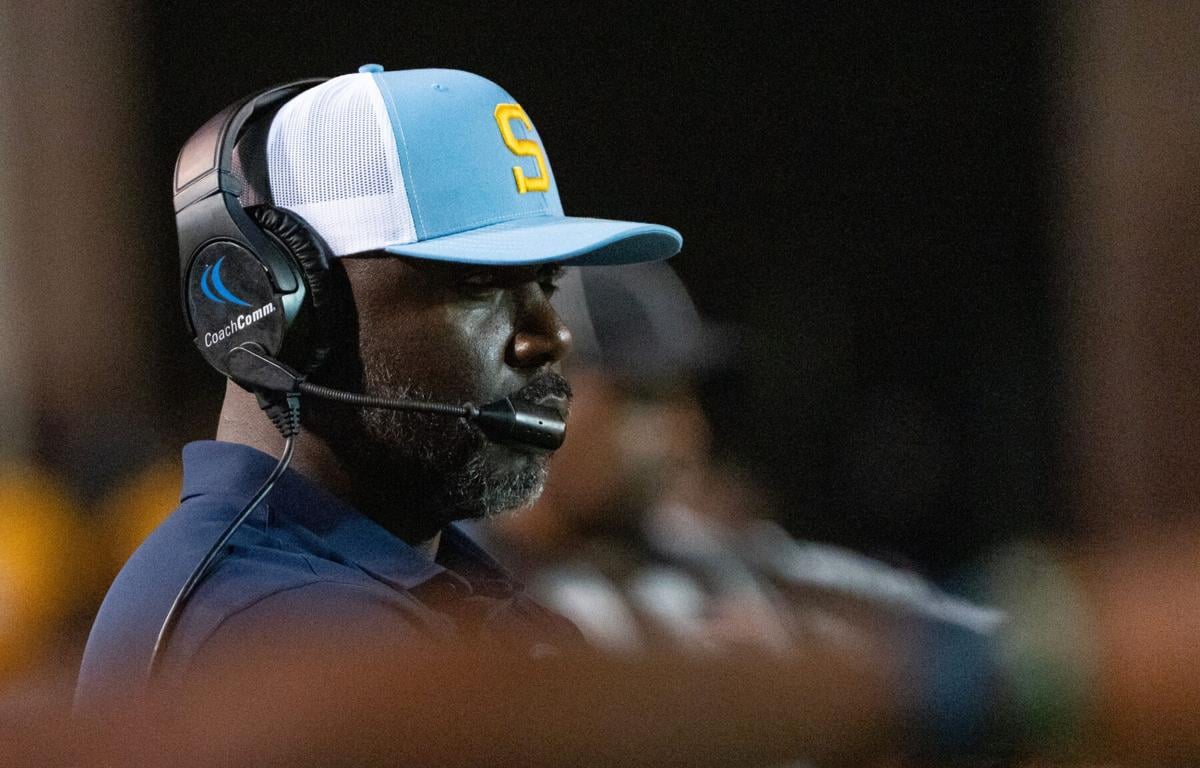
A critical dimension of this revelation is his ongoing commitment to the game he loves. As highlighted by ESPN, Marshall Faulk continues his dedicated coaching work with Southern University, demonstrating that a chronic health diagnosis does not require an immediate departure from the passions that define one’s life. Working alongside collegiate student-athletes at an iconic Historically Black University provides routine, energy, and an active platform to instill life lessons that extend far beyond tactical playbook assignments. Balancing medical appointments and personal wellness protocols with sideline leadership provides a compelling blueprint for purposeful longevity.
4. Inspiring a Broader Conversation on Long-Term Athlete Wellness
Whenever an athlete of this stature speaks publicly on serious health matters, it naturally accelerates broader discussions concerning healthcare resources, medical screenings, and post-career player wellness. NBC News documented how announcements from prominent sports figures catalyze increased funding for charitable research foundations, clinical trials, and early diagnostic initiatives. While the exact causes of neurodegenerative conditions remain complex and multi-factorial, his voice provides an influential conduit to elevate medical literacy and encourage retired players across all contact sports to prioritize routine neurological evaluations.
Navigating the Path Forward With Community and Purpose
Ultimately, the openness demonstrated by Marshall Faulk reinforces why his stature extends far beyond the gridiron. In an era where sports heroes are often viewed solely through highlight reels and statistical records, his vulnerable admission reminds the world of the shared physical realities that bind humanity together. Life presents unforeseen fourth quarters, but approaching adversity with equanimity and purpose alters the trajectory of the challenge entirely.
His role at Southern University remains an inspiring testament to his resilience. By continuing to tutor young men on collegiate football fields, he shows his players how to confront life’s hardest blows without flinching. His presence on the sideline transforms from an emblem of past athletic mastery into a living classroom on perseverance, character, and mental fortitude.
As the broader athletic community rallies around him, Marshall Faulk stands as an enduring emblem of dignity, demonstrating that true greatness is defined by how one navigates life’s most formidable fourth quarters. The outpouring of gratitude from Indianapolis, St. Louis, San Diego, and Baton Rouge illustrates a legacy that remains vibrant, dynamic, and undeniably impactful for years to come.