Basketball Jump Shot Mechanics and 4 Proven Secrets to Build Lethal Accuracy
Consistent perimeter shooting is never an accident of hand-eye coordination. Explore the biomechanical kinetic chain that powers an effortless, repeatable jump shot under defensive pressure.
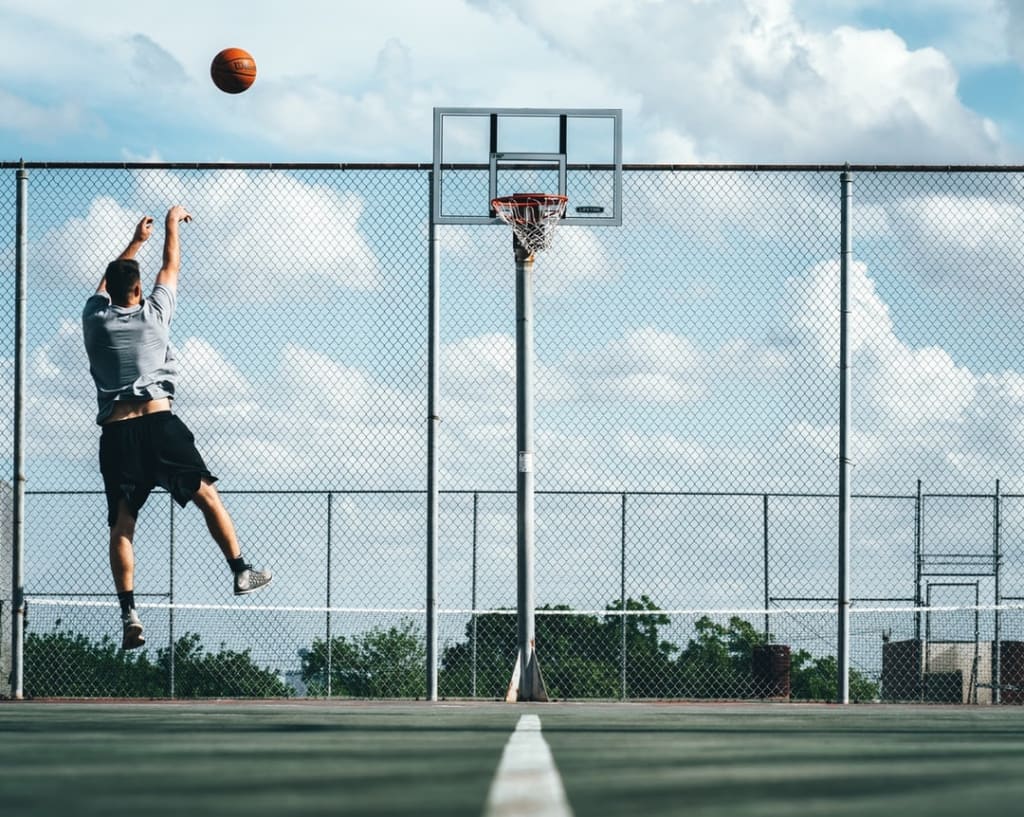
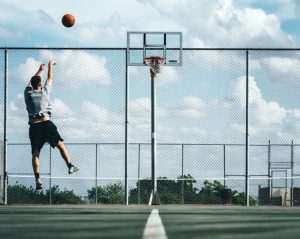
Mastering consistent basketball jump shot mechanics transforms an erratic perimeter shooter into an unguardable offensive weapon on any court. Spectators often believe great shooting is born in the fingertips or gifted through pure intuition. They watch a shooter elevate, suspend in mid-air, and flick their wrist with hypnotic grace, assuming the magic happens entirely above the rim. Yet anyone who has spent cold mornings in an empty gymnasium chasing their own rebounds knows the bitter truth. When your legs burn in the fourth quarter and your lungs fight for oxygen, intuition evaporates. What remains is only the structural integrity of your kinetic chain. The jump shot is not an isolated upper-body motion; it is a synchronized ballistic launch that transfers ground energy through an intricate sequence of joints, levers, and release vectors.
The Kinetic Chain Behind Perennial Elevation
Understanding the foundational reality of basketball jump shot mechanics is rooted in ground reaction force. Force generation begins with Newton’s third law. When you plant your feet onto hardwood, the force applied downward returns upward through your skeletal framework. This energy moves through the ankles, loads the patellar tendons, flexes the hips, and courses upward through the core before ever reaching the shooting shoulder. Biomechanists refer to this coordinated sequence as the kinetic chain, where each anatomical segment accelerates and decelerates in precise synchronization to amplify velocity at the terminal point.
When a shooter suffers from mechanical breakdowns, the disruption almost never originates in the wrist. If the ankles collapse inward or the hips fail to hinge evenly, energy dissipates long before the ball reaches eye level. The shooter then instinctively compensates by pushing with their triceps, flaring their elbow, or hitching the ball behind their ear. These compensations introduce lateral torque and destroy arc stability. Elite performers treat their lower body as an engine and their upper body as a targeting lens. The legs determine range and height; the hands simply regulate flight angle and rotational backspin.
Why Muscle Memory Fails Under Defensive Pressure
Every player has experienced the illusion of the empty gym. In a rhythm shooting drill with no defender within ten feet, you feel immortal, draining twenty consecutive shots from beyond the arc. Yet five minutes into a full-contact scrimmage, that pristine stroke turns rigid and unpredictable. This discrepancy occurs because unconditioned muscle memory is fragile when detached from perceptual-motor coupling. Under pressure, defensive closeouts force shooters to alter their visual cues, gather speeds, and landing windows, inducing micro-hesitations that derail fluid energy transfer.
Cortisol surges tighten the trapezius and forearm flexors, shortening the release arc and causing shots to clang off the front iron. Furthermore, many athletes train with robotic, slow-motion repetitions that do not simulate the rapid deceleration required after sprinting off a screen. To thrive when contesting hands fly into your peripheral vision, your mechanical foundation must become resilient against physical perturbation. You do not rise to the occasion under intense defensive pressure; you sink to the level of your kinetic automation.
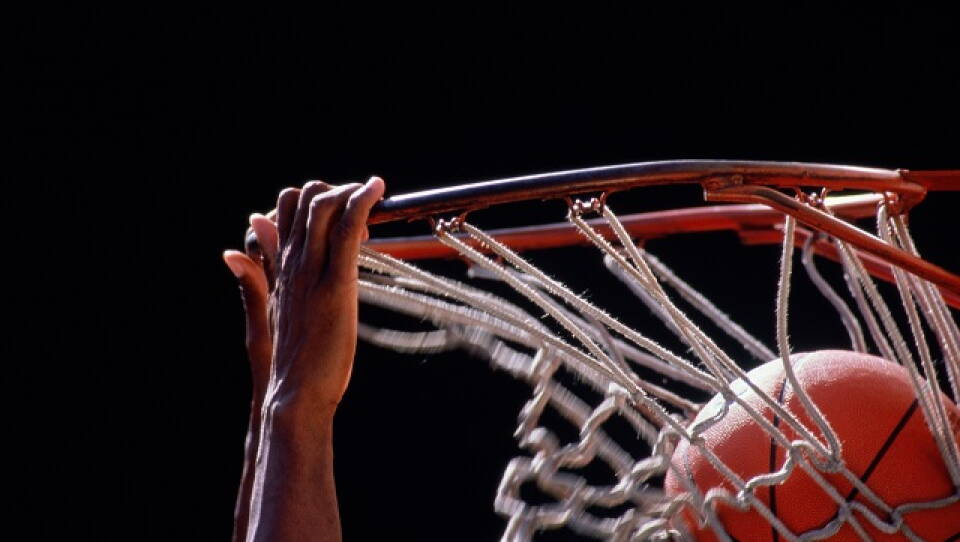
Mastering Basketball Jump Shot Mechanics Through Four Flawless Phases
Deconstructing the shot into sequential operational phases allows you to isolate faults and reinforce optimal neuromuscular pathways. True repeatability depends on respecting the natural physics of human motion rather than forcing an artificial, rigid posture.
Establishing an Unshakeable Footwork Base and Energy Dip
Power originates before the ball ever touches your hands. Whether arriving off a dynamic one-two step or a hop gather, your feet must land shoulder-width apart with a slight natural ten-degree inward angle toward your non-dominant side. This subtle tilt relieves anatomical tension in the hip and shoulder joints, allowing your shooting elbow to align effortlessly with the target. Simultaneously, the energy dip must happen in tandem with the knee bend. Amateur coaches often preach catching the ball high and keeping it high, yet every world-class shooter unconsciously dips the ball toward their waist upon catching. This downward dip synchronizes the loading of your arms with the compression of your legs, storing elastic energy in the Achilles tendons and quadriceps for explosive upward recoil.
Aligning the Shooting Pocket and Vertical Cylinder
As the body ascends from the loaded position, the ball must travel along a smooth, uninterrupted vertical pathway known as the shooting line. Bringing the ball across your face or winding it around your head introduces unnecessary rotational drag. Instead, guide the ball upward along the dominant side of your torso, keeping the forearm strictly perpendicular to the floor. The wrist should cock into full extension early during the upward ascent, creating wrinkles in the skin of the wrist and forming an unobstructed visual window beneath the ball. While ascending, pure basketball jump shot mechanics demand that your guide hand detaches cleanly without thumb flicking, functioning purely as a stabilizer until the moment of upward transition.
Reaching the Apex Release Point Without Deceleration
The timing of the release separates true jump shooters from set shooters who merely elevate. In a modern perimeter jumper, the release must trigger just a split second before the body hits peak vertical altitude, harnessing upward kinetic momentum rather than releasing on the downward descent. Waiting until absolute zero velocity at the dead apex forces the upper body to generate all propelling force independently, severely reducing shooting range and exhausting the shoulders. The elbow should extend upward at an angle between fifty and fifty-five degrees, propelling the basketball on a generous parabolic trajectory. According to peer-reviewed biomechanical analysis of basketball jump shooting kinetics, shot trajectories with an entry angle above forty-five degrees mathematically double the effective width of the rim compared to flat line-drive releases.
Executing the Soft Wrist Snap and High Follow Through
The final link in the kinetic chain is the release through the index and middle fingers. As the elbow achieves full extension, the wrist snaps forward through clean flexion without lateral twisting. The ball should roll smoothly off the pads of the shooting fingers, generating clean, symmetrical backspin at approximately two to three revolutions per second. This backspin serves two vital physical functions: it stabilizes aerodynamic flight against gym air currents and softens the ball upon rim contact, allowing forgiving bounces into the net. Hold the follow-through with the shooting hand suspended like a swan neck until the ball strikes nylon. This deliberate hold ensures your neuromuscular system does not prematurely decelerate the stroke during critical ball release.
Diagnosing Energy Leaks That Sabotage Perimeter Consistency
When shooting slumps arrive, athletes frequently blame psychological pressure or cold streaks. In reality, slumps are almost always mechanical energy leaks where physical power escapes sideways instead of driving the basketball directly toward the rim. The most frequent culprit is the guide-hand thumb flick. When a player pushes with their non-dominant thumb during the final release, it injects asymmetrical torque, creating inconsistent side-to-side drift on the ball flight. Another insidious issue is forward hip drift on landing. While a slight natural forward sway of three to six inches is healthy to preserve upper-body shoulder relaxation, leaping two feet forward indicates premature knee collapse and incomplete vertical propulsion.
Observing developmental trajectories of high-ceiling athletes reveals how minor technical adjustments yield massive competitive leaps. In contemporary player development, analyzing professional wing players who refine their form, much like studying the athletic adaptations of Ziaire Williams and 3 Major Factors Behind His Crucial Lakers Breakthrough, reveals that repeatable footwork precedes perimeter reliability. When athletes refine their basketball jump shot mechanics, eliminating hip rotation in mid-air and maintaining vertical torso posture throughout the catch-and-shoot motion, their shooting percentages stabilize across brutal road stretches. Elevating your baseline mechanics shields you from the natural fatigue of long seasons.
Deliberate Practice Drills to Anchor Your Shot Under Fatigue
To ingrain these basketball jump shot mechanics so deeply that game speed cannot erode them, you must abandon aimless free-play shooting. Mindless repetitions reinforce flawed biomechanics. Deliberate practice requires isolating specific segments of the kinetic chain under graduated conditions of physical fatigue and cognitive demand.
Drill progression must begin directly under the basket with one-handed form shooting. Stand three feet away with your guide hand placed behind your back. Perform twenty consecutive swishes utilizing pure lower-body dip and clean wrist release. This isolates the vertical line and forces your shoulder and elbow to align without guide-hand interference. Any elbow flare or wrist deviation immediately reveals itself when the ball veers off-line from such close range.
Once the line is calibrated, transition into variable-distance catch-and-shoot reps paired with cardiovascular stress. Sprint from the half-court line to the wing, receive a pass while executing a precise one-two gather, and elevate into your shot within 0.8 seconds. Chart your makes and misses based not on whether the ball dropped through the net, but on whether your mechanics remained pure. Did your elbow flare? Did your guide hand remain quiet? Did your landing match your takeoff footprint? True refinement of basketball jump shot mechanics never happens through mindless volume alone; it demands relentless sensory feedback and unyielding biomechanical discipline.