Belinda Bencic Secures 3 Major Breakthroughs at the Ningbo Open
Belinda Bencic snapped a difficult competitive slump at the WTA 500 Ningbo Open after Jelena Ostapenko retired due to injury. Now advancing to the round of 16 against Katarzyna Kawa, the Swiss star finds herself at a crucial turning point.
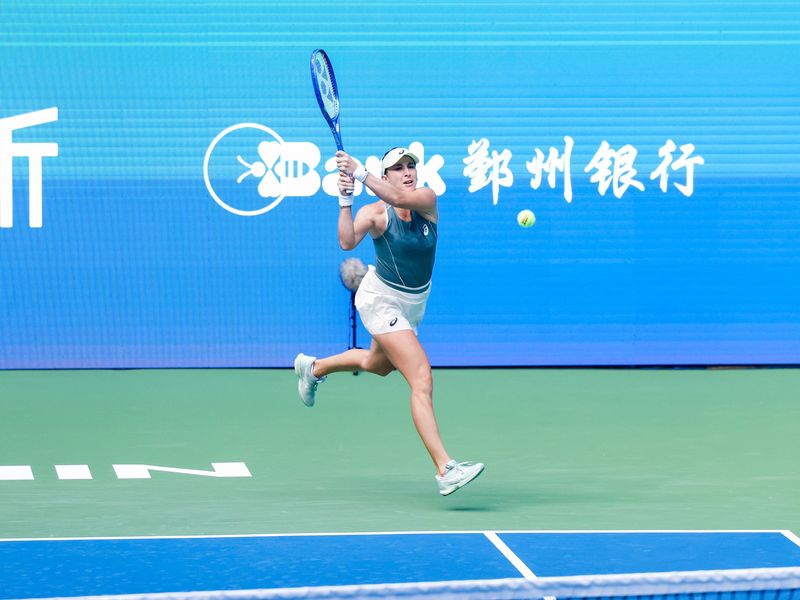
Elite Swiss contender belinda bencic seized a vital opportunity at the WTA 500 Ningbo Open, shaking off recent tournament adversity with determined composure. Entering the hard-court event under considerable scrutiny, the former Olympic singles champion confronted a difficult opening draw against Latvian powerhouse Jeļena Ostapenko. The high-profile encounter ended abruptly when Ostapenko was forced to withdraw midway through the contest due to a physical injury, handing the Swiss athlete a valuable ticket into the tournament’s second round. While premature stoppages never represent the ideal way to advance through a draw, the outcome provided a sorely needed competitive reprieve that instantly reframed her trajectory in China.
The progression was immediately highlighted across international tennis media as an essential milestone in her season. As reported by Just Women’s Sports, the first-round triumph at the WTA 500 Ningbo Open cleared a direct path forward after an exhausting stretch of tough losses on the professional circuit. Top-tier professional tennis frequently hinges on the smallest shifts in fortune, and Ostapenko’s sudden physical breakdown flipped an intimidating opening assignment into an open doorway for the Swiss star. The match demanded patience, tactical readiness, and emotional control, all qualities that had been tested severely during her prior tournament appearances.
Tennis World USA observed that the walkover carried profound weight beyond the raw score sheet, officially halting an agonizing losing streak that had plagued her recent campaign. Professional athletes often emphasize that shaking off negative momentum requires securing a win by any available means. Overcoming an adversary of Ostapenko’s caliber, regardless of whether the contest concluded with a standard handshake at the net or an unfortunate physical retirement, altered the tournament atmosphere entirely and provided belinda bencic with a much-needed release valve heading deeper into the main draw.
The Ningbo Open Turning Point and First Round Dramatic Exit
The atmosphere surrounding the opening stage of the Ningbo Open was charged with anticipation, largely due to the stylistic fireworks traditionally generated when Ostapenko meets elite baseline defenders. Both competitors possess blistering groundstrokes capable of dictating terms against anyone on the women’s tour. However, the physical toll of a grueling professional calendar visibly impacted the Latvian star as the contest unfolded. What began as a fierce battle of heavy hitting gradually devolved into visible distress for Ostapenko, whose mobility and stroke execution deteriorated rapidly before she made the formal decision to concede the contest.
In high-stakes tournament tennis, maintaining intense concentration while an opponent struggles visibly requires immense psychological discipline. Players often fall into the dangerous trap of letting their guard down or altering their rhythm when sensing physical vulnerability across the net. Throughout the aborted match, the focus remained locked on clean ball-striking, disciplined shot depth, and minimizing unforced errors. When the chair umpire called the retirement, the immediate emotion was a mixture of professional empathy for a wounded peer and tangible relief at clearing an exceptionally hazardous hurdle.
By securing the victory, the Swiss Olympic gold medalist bypassed what could have easily turned into a marathon baseline war in humid conditions. Hard-court campaigns in late-season Asian swing events are notorious for sapping the physical reserves of top players. Leaving the opening round without an excessive accumulation of fatigue presents a tactical advantage that cannot be overstated. With the win officially registered in the WTA record books, attention shifted instantaneously toward the logistical, mental, and tactical adjustments demanded by the round of 16.
How Opponent Retirements Reshape the Mental Realities of Professional Tennis
Advancing via opponent retirement creates an unusual psychological paradox for elite competitors. On one hand, the athlete is denied the cathartic, emphatic closure that comes from serving out a match or firing a clean winner on match point. On the other hand, the primary objective of any tournament—securing survival into the subsequent round—is accomplished with pristine physical conservation. For an athlete fighting through a rough run of form, surviving by any method serves as an indispensable tonic for battered competitive confidence.
In high-performance individual sports, momentum operates as an invisible currency. When navigating an extended losing streak, as experienced by belinda bencic, the immediate reality of advancing shifts the narrative away from self-doubt and toward strategic preparation. The post-match debrief changes from diagnosing mistakes to building forward momentum. Instead of dwelling on why points slipped away in previous weeks, coaching teams can direct their full energy toward studying upcoming matchups, calibrating recovery protocols, and establishing aggressive game plans.
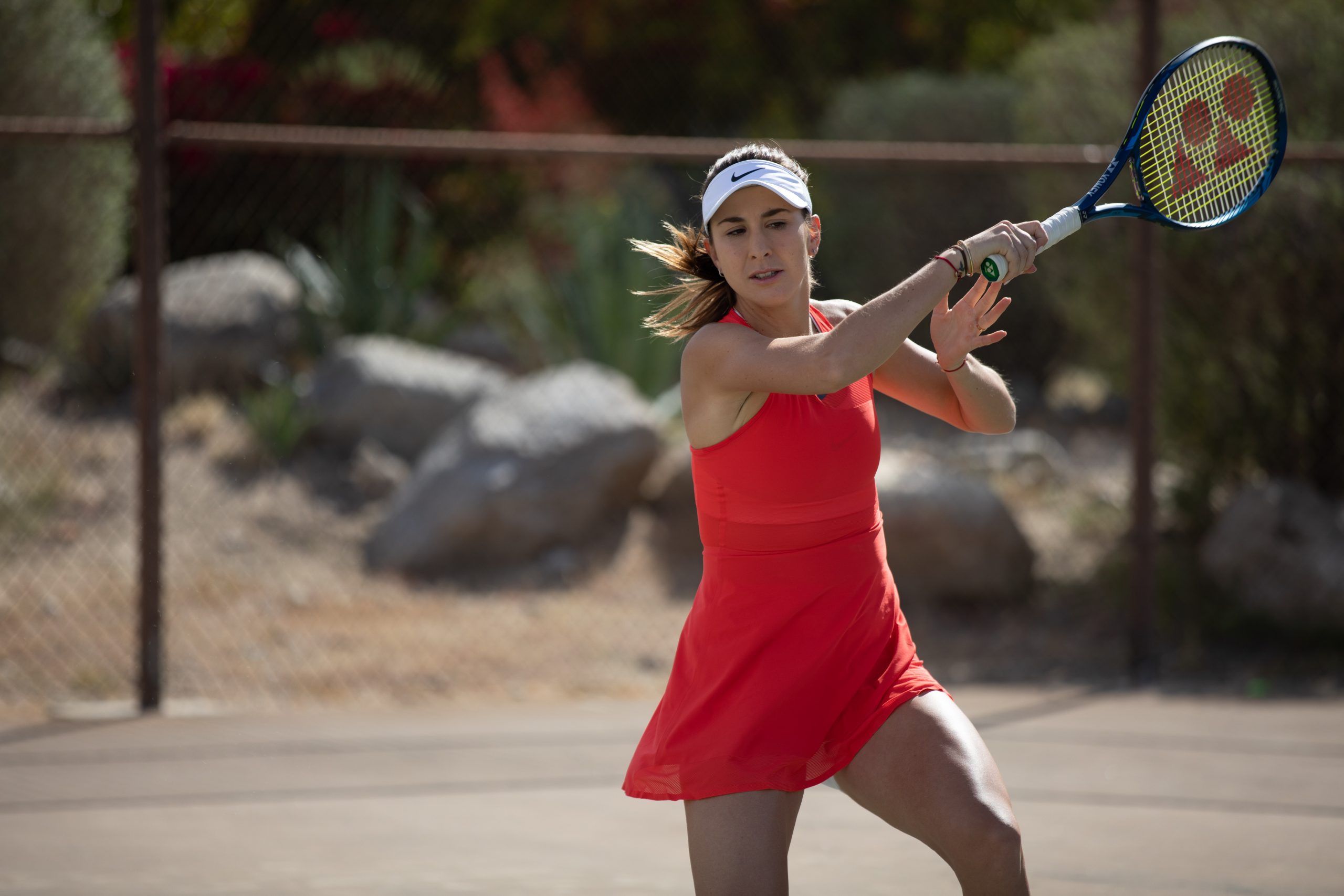
Furthermore, early-round retirements alter the rhythm of a player’s daily schedule. Without two full hours of punishing high-intensity rallies taxing the joints and cardiovascular system, the athlete must balance extra training sessions with appropriate rest to ensure timing does not grow dull. Tennis is a game of sensory fine-tuning, where racket-head speed, court acoustic feedback, and split-second spatial judgment must remain completely synchronized before stepping onto court for the next challenge.
Analyzing 3 Major Strategic Factors in the Second Round Showdown
Securing a spot in the round of 16 at Ningbo immediately resets the tournament board. To convert this fortunate opening break into a deep run, several tactical, mental, and physical variables must coalesce effectively against new opposition.
Overcoming the Psychological Weight of Recent Form
Shedding the invisible burden of a slump requires more than just positive self-talk. It necessitates the tangible validation that comes from seeing your name move into the next bracket of a prestigious WTA 500 event. Prior to this result, consecutive setbacks had generated noticeable tension during tight baseline exchanges. By ending the losing streak in Ningbo, this shift allowed belinda bencic to reset her mental baseline and play with the aggressive freedom that characterized her historic Olympic triumph.
When an athlete stops defending against failure and begins playing to impose their tactical vision, court geometry opens up dramatically. The early-round breakthrough removes the panic button, allowing for improved shot tolerance, sharper crosscourt angles, and a renewed willingness to take the ball inside the baseline to rob opponents of precious reaction time.
Preparing for Polish Qualifier Katarzyna Kawa in Round 2
The next obstacle in Ningbo presents a drastically different stylistic challenge. As documented by Tennis.com and Tennis Majors, the round of 16 schedule confirmed an encounter against Polish competitor Katarzyna Kawa. Pairing Poland’s Katarzyna Kawa against belinda bencic in an intriguing clash introduces a fascinating contrast in competitive rhythm and baseline pace.
Kawa enters the contest with the dangerous momentum that often characterizes qualifiers who have already adapted to court speed and ambient conditions. Tracking from live broadcast databases, including comprehensive tournament previews by Sky Sports, reveals that Kawa’s counter-punching durability demands relentless patience. To thrive against an opponent comfortable scrambling behind the baseline, precise timing and auditory court awareness are crucial. Professional athletes often rely on subtle sensory feedback to measure ball trajectory and impact cleanly.
Just as audio technicians calibrate room reverberation and precise texture—a discipline examined in detail through Foley Sound Design Mechanics and 4 Proven Secrets to Create Shocking Cinematic Immersion—tennis players depend on the crisp acoustic crack of the ball off the strings to gauge an opponent’s spin, pace, and depth before the sphere even crosses the net. Against an unorthodox competitor like Kawa, that sensory acuity must operate without hesitation.
Navigating Physical Rigors Across the Ningbo Open Draw
The physical demands of Asian hard-court tournaments frequently test players’ conditioning and recovery efficiency. Ningbo’s medium-fast surfaces reward explosive first-step quickness and punishing directional changes. Having avoided a grueling two-hour slog against Ostapenko, the physical reserve tank remains full. However, managing energy across back-to-back match days requires exceptional discipline from support staff.
The tactical adjustments made by belinda bencic will need to balance aggression on return games with high first-serve percentages to dictate shorter points. If the Swiss competitor can dominate short rallies inside four shots, she can systematically drain the confidence of baseline grinders while keeping her physical output at sustainable levels as the tournament advances toward the weekend quarterfinals.
Global Broadcast Footprint and the Long Road Ahead
International interest surrounding the Ningbo Open highlights the growing prestige of the WTA 500 swing in East Asia. Broadcasters such as Sky Sports and leading statistical platforms like Tennis.com are tracking the draw closely as top seeds face unpredictable challenges from emerging challengers and battle-tested veterans. For viewers worldwide, following the tournament provides an unvarnished look at the mental grit required to survive professional tennis at its highest tier.
The road ahead offers zero guarantees, but the renewed campaign of belinda bencic at the Ningbo Open highlights how rapidly competitive fortunes can pivot. Overcoming obstacles, capitalizing on unexpected openings, and maintaining supreme tactical composure are the hallmarks of a champion. As the second-round contest against Katarzyna Kawa gets underway, fans and analysts watching belinda bencic understand that momentum in professional sports is rarely handed out easily; it is earned by seizing every opportunity the court provides.