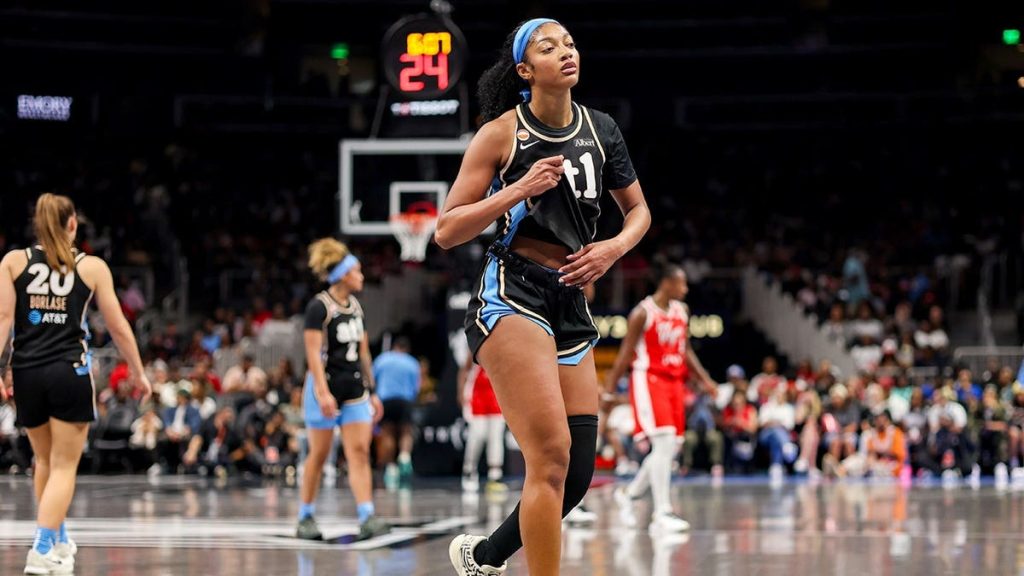
Angel Reese Sparks 3 Crucial Adjustments as Atlanta Dream Battles Golden State Valkyries
Facing a 1-0 deficit against the Golden State Valkyries, the Atlanta Dream look to recalibrate their interior offense around Angel Reese for Game 2 in San Francisco.
When Angel Reese and the Atlanta Dream walked off the court following Game 1 of the WNBA Finals, a profound sense of unfinished business settled over the visitors locker room at Chase Center. The Golden State Valkyries had successfully protected home court in San Francisco, jumping ahead in the championship series behind disciplined defensive rotations and the versatile brilliance of Gabby Williams. For an Atlanta roster built on relentless interior physicality, dominating the backboards, and wearing opponents down through grit, the opening defeat arrived as both a bitter sting and an urgent tactical reckoning.
Championship series rarely forgive teams that stagnate between contests. The margin between hoisting a trophy and experiencing postseason heartbreak invariably hinges on an organization’s capacity to diagnose its shortcomings under the brightest spotlight in women’s professional basketball. With Game 2 scheduled for Monday night by the bay, Atlanta faces immediate pressure to recalibrate its approach, neutralize Golden State’s defensive pressure, and restore the offensive rhythm that carried the franchise through a grueling playoff run.
The High Stakes Clash in San Francisco
The stage could hardly be grander. As reported by Yahoo Sports, the Atlanta Dream entered the Bay Area determined to even up the series before returning home, knowing that a 2-0 hole against an energetic Valkyries squad would present a daunting mountain to climb. The opening match proved to be a volatile tug-of-war, yet it slipped through Atlanta’s grasp during a critical fourth-quarter stretch characterized by offensive stalls and perimeter misfires.
Reflecting on the missed opportunity shortly after the final buzzer, Angel Reese admitted that the Dream let Game 1 slip away through costly lapses in focus and an inability to counter Golden State’s late-game surges. That assessment was shared across the locker room. The Valkyries played with an aggressive defensive tenacity, sparked by Williams, whose two-way presence created constant disruption in passing lanes and prevented Atlanta from establishing a predictable cadence inside the painted area.
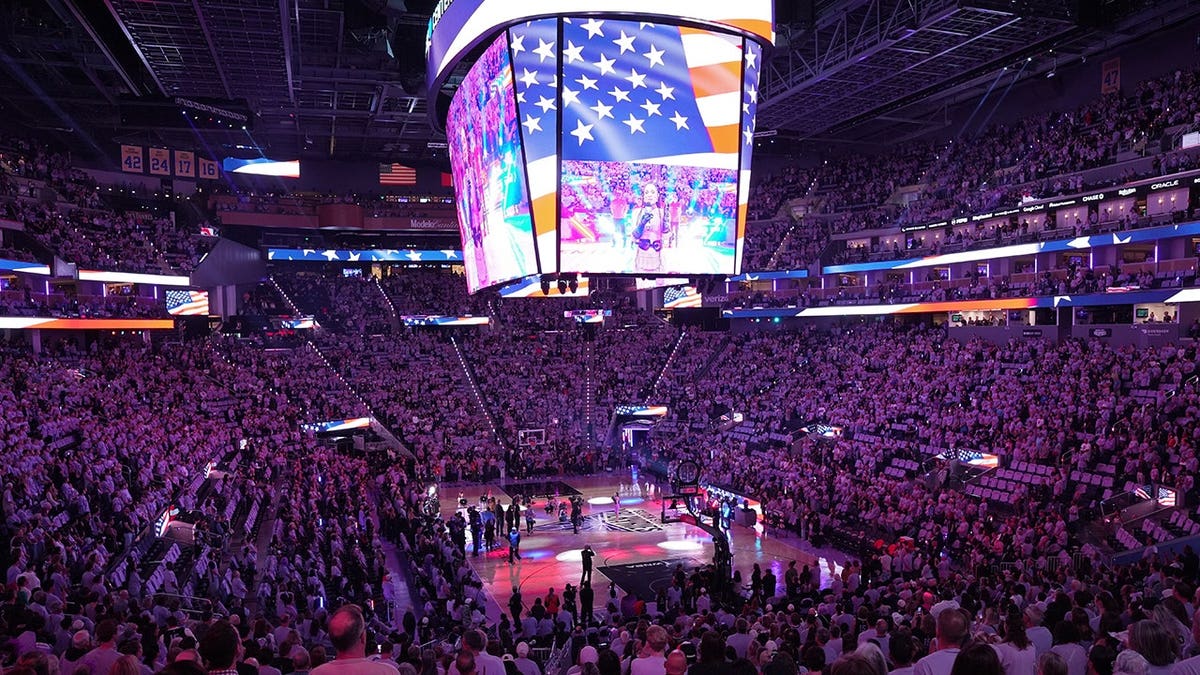
The environment at Chase Center added an extra layer of difficulty. The expansion Valkyries have galvanized a massive, vocal fanbase in their inaugural campaign, turning their home arena into an intimidating cauldron. For Atlanta, silencing that crowd requires more than raw emotional energy; it demands pristine tactical execution and a calculated response to the specific structural traps Golden State unveiled during the series opener.
How Golden State Disrupted the Dream Frontcourt in Game 1
The turning point of Game 1 did not happen by chance. An in-depth breakdown from High Post Hoops revealed that Golden State head coach Natalie Nakase engineered an exacting counter-scheme specifically to neutralize Angel Reese around the rim and break Atlanta’s preferred scoring actions. Rather than allowing standard one-on-one matchups on the low block, Nakase instructed her interior defenders to front post touches while sending perimeter help to dig at the basketball the moment an entry pass was initiated.
By shrinking the floor and aggressively collapsing into the lane, the Valkyries effectively dared Atlanta to beat them with consistent perimeter shooting. That defensive gamble yielded major dividends. With driving lanes congested and entry angles heavily contested, Atlanta’s half-court offense sputtered. The Dream found themselves rushed into late-clock attempts, struggling to generate the high-percentage putbacks that represent their bread and butter.
Williams played an essential role in this defensive execution. Her exceptional lateral quickness allowed her to rotate from the weak-side wing to help contest the paint without surrendering wide-open corner three-pointers. Whenever Atlanta attempted to run high-low feeds or clear out space along the baseline, Golden State’s active hands knocked passes loose, triggering quick transition opportunities going the other way. The result was an uncomfortable, fragmented performance that took Atlanta entirely out of its comfort zone.
Three Strategic Pivots Atlanta Must Execute to Even the Series
To reverse their fortunes and head back to Georgia on equal footing, the Dream cannot simply rely on playing harder. They must play considerably smarter. A recent analytical breakdown published by The Athletic and The New York Times detailed the specific schematic alterations Atlanta must deploy to maximize their roster, examining how Atlanta can optimize its offensive structure to empower Angel Reese in Game 2 without falling into Nakase’s defensive traps.
Unlocking Spacing to Neutralize Paint Collapses
The primary hurdle Atlanta must overcome is spacing. Throughout Game 1, Golden State sagged deep into the key, leaving non-shooters unchecked along the perimeter and clogging the primary operating space for post scorers. To dismantle this approach, Atlanta head coach Tanisha Wright must alter lineup combinations or modify player positioning to create wider driving and passing corridors.
By stationing shooters higher above the break and dragging Golden State rim protectors away from the basket through high-post screening actions, Atlanta can punish excessive defensive sagging. When the Valkyries commit two defenders to the ball, decisive, rapid ball reversal will yield uncontested looks that force Nakase to reconsider her aggressive help assignments.
Countering Natalie Nakase Ball Screen Coverages
Nakase’s defensive masterclass in Game 1 relied heavily on blitzing ball screens and trapping Atlanta guards before they could assess interior mismatches. To counter this, Atlanta needs to shorten the distance of their pocket passes and utilize short-roll playmaking. When the primary ball-handler encounters a double team at the perimeter, snapping a quick pass to an open player flashing to the free-throw line instantly creates a four-on-three advantage.
Operating out of the middle of the floor allows the roll player to either attack a retreating rim protector, drop off an easy interior feed, or kick the ball out to a waiting corner shooter. Removing hesitation from these sequences will neutralize Golden State’s defensive pressure and generate high-percentage scoring opportunities before the Valkyries can reset their shell defense.
Turning Defensive Rebounds into Rapid Transition Strikes
Half-court battles against a set Golden State defense inherently favor the Valkyries’ size and discipline. The simplest antidote is to bypass their set defense entirely. Atlanta built its identity on controlling the glass, but grabbing defensive rebounds must immediately translate into fast-break momentum rather than slow, methodical walk-ups.
Initiating the break off defensive boards with crisp outlet passes pushes Golden State on its heels before Williams and her frontcourt partners can establish their half-court wall. Catching the Valkyries during defensive cross-matches produces advantageous matchups, open driving lanes, and early foul trouble for Golden State’s key contributors.
Navigating the Cultural Pressure and Championship Atmosphere
Beyond the Xs and Os, the emotional temperature of this series is running at a historic fever pitch. An insightful commentary from MS NOW emphasized how Angel Reese remains one of the most polarizing figures across global sports, routinely drawing intense scrutiny from critics while simultaneously channeling that outside noise to fuel Atlanta’s relentless title pursuit. Rather than wilting under constant analysis, the forward has embraced the pressure as competitive fuel, serving as the emotional heartbeat of an underdog Dream squad chasing history.
Playoff basketball is inherently a psychological war of attrition where rhythm and emotional discipline dictate the outcome. Controlling the momentum of a hostile arena requires understanding the pacing of high-stakes competition. The psychological cadence of a Finals series mirrors classic narrative drama, where tempo control dictates whether a contender survives. Much like the principles behind Film editing pacing mechanics and 4 proven rules that create irresistible suspense, a championship basketball game pivots on calculated beats, sudden accelerations, and deliberate pauses that break an opponent’s emotional equilibrium.
When the Valkyries assemble a scoring run and the San Francisco crowd erupts, Atlanta cannot afford rushed possessions born of panic. Weathering those storm clouds demands composed leadership, disciplined defensive possessions, and intentional trips to the free-throw line that grind opposing momentum to a dead halt.
The Tactical Horizon for Game 2 and Beyond
The adjustments on display in Game 2 will likely dictate the entire trajectory of the WNBA Finals. If Atlanta successfully counters Nakase’s Game 1 blueprint, steals home-court advantage, and heads back to Gateway Center with the series tied 1-1, the psychological dynamic shifts decisively in their favor. Conversely, if Golden State finds a way to replicate its Game 1 defensive clamp, the Valkyries will move within a single victory of an unprecedented championship crown in their debut season.
All eyes will naturally center on whether Angel Reese and her teammates can solve Golden State’s frontline resistance under the bright lights of Chase Center. The answers will come down to physical poise, sharp execution, and the ability to turn tactical lessons learned from defeat into championship-caliber triumph on the sport’s biggest stage.