Victoria Secret Fashion Show 2026 Unveils 5 Major Gambles in High-Stakes Runway Rebirth
Streaming live from Los Angeles on Sunday, October 18, the Victoria Secret Fashion Show 2026 marks the return of wings, Fantasy Bras, and 22 confirmed models. Here is how the brand engineered its high-stakes corporate comeback.
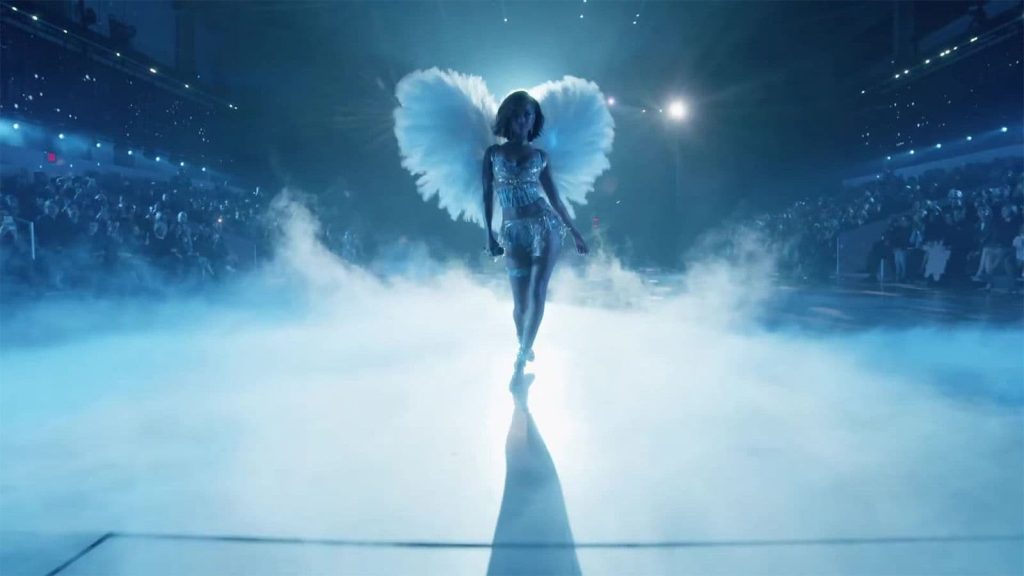
The return of the victoria secret fashion show 2026 marks a bold and calculated cultural gambit as the intimate apparel brand takes over Southern California on Sunday night. Staged in Los Angeles rather than its historical home base of New York City, the resurrected spectacle is attempting to bridge a bitter historical divide. It pits unabashed, high-gloss glamour against nearly a decade of corporate soul-searching, executive overhauls, and intense consumer skepticism.
As reported by USA Today, the broadcast airs Sunday, October 18, with cameras rolling from 7:00 PM Eastern Time onward. For an enterprise that once commanded tens of millions of television viewers before collapsing under the weight of changing cultural mores and plummeting television ratings, the evening represents far more than an opulent display of silk and feathers. It is an unapologetic, multi-million-dollar stress test of whether a heritage brand can revive its most iconic marketing weapon without resurrecting the controversies that forced it off the airwaves in the first place.
The High Stakes Return to the City of Angels
Choosing Los Angeles as the staging ground for the presentation is an intentional departure from tradition. For decades, the annual extravaganza functioned as Manhattan’s unofficial holiday kickoff, turning the Lexington Avenue Armory or Pier 94 into hyper-exclusive fortresses of glitter and pop celebrity. Transporting the event to the West Coast reflects an explicit pivot toward contemporary digital entertainment and Hollywood influence.
The digital footprint of the victoria secret fashion show 2026 signals a fundamental departure from the linear network broadcasts of the past. As Yahoo and theFashionSpot documented, the event relies heavily on live digital streaming ecosystems, real-time commentary, and cross-platform mobile engagement. Viewers are no longer expected to wait weeks for an edited, heavily tape-delayed network package on CBS or ABC. Instead, the production operates in immediate real time, inviting public dissection on social feeds the instant a heel touches the polished catwalk.
This shift to streaming highlights the reality of modern fashion consumption. Legacy broadcast models no longer deliver the Gen Z and young millennial demographics that retail executives desperately crave. By adopting a digital-first global transmission model, the parent company hopes to capture viral momentum instantly, converting catwalk impressions into direct-to-consumer e-commerce cart checkouts before the final curtain falls.
Decoding the Strategic Shift from Runway Retirement to Hollywood Glamour
To comprehend the sheer magnitude of this weekend’s revival, one must examine the corporate wilderness the brand navigated over the preceding decade. The original runway format was formally shelved in 2019 following years of plunging viewership, internal executive shakeups, and relentless criticism over its refusal to embrace diverse body types. In 2021, the leadership team initiated the VS Collective, an earnest rebranding initiative that retired the famous “Angels” moniker entirely in favor of accomplished athletes, activists, and business leaders who were meant to represent internal substance over external spectacle.
Yet corporate virtue-signaling did not seamlessly translate into retail dominance. Consumer spending fractured, boutique direct-to-consumer disruptors siphoned away market share, and traditionalists bemoaned the loss of the unapologetic fantasy that built the company into an empire. Sunday’s production is the direct culmination of that commercial tug-of-war, balancing the progressive inclusivity consumers demand with the aspirational theatricality that investors miss.
Five Crucial Gambles Defining the Rebuilt Runway Spectacle
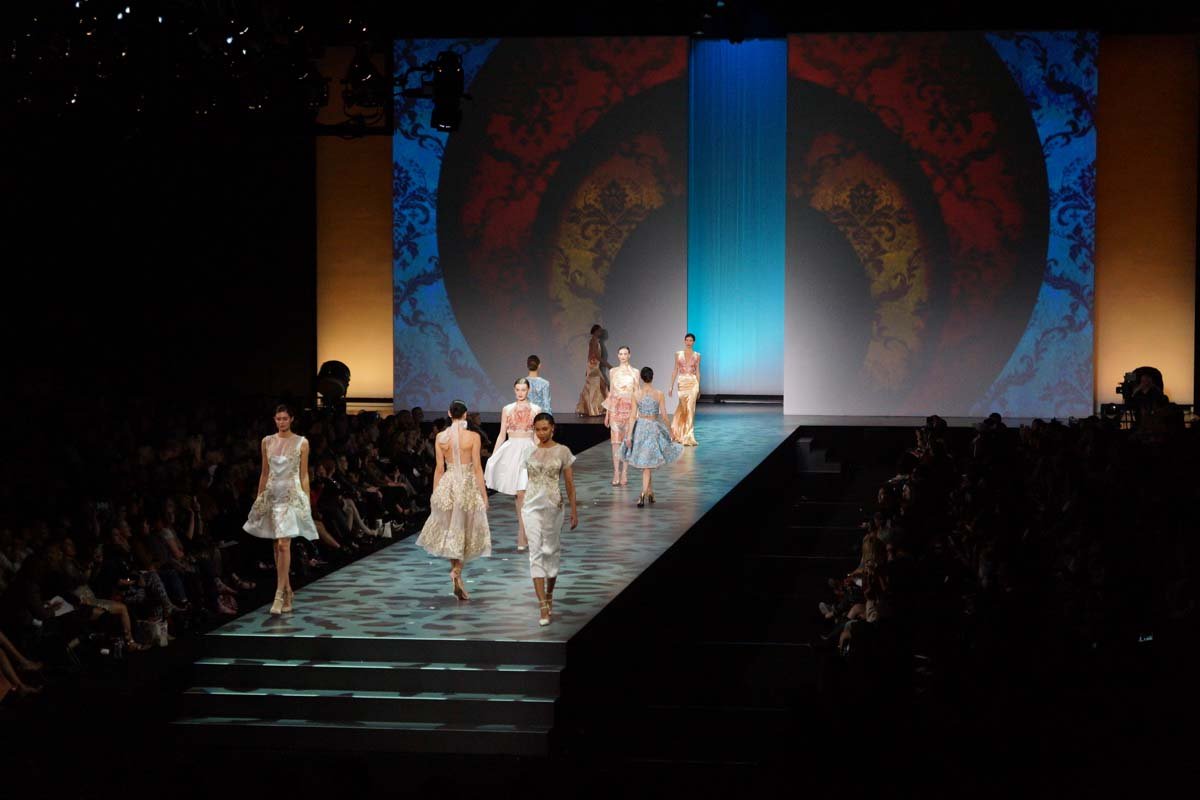
Re-entering the global cultural arena required corporate strategists to construct a delicate tightrope between heritage iconography and modern brand responsibility. Across five distinct operational pillars, the strategic recalibration defining the victoria secret fashion show 2026 is on full display.
Resurrecting Wings Five Years After Retiring the Angels
As documented by WWD, the brand made the audacious decision to bring back its signature Angel wings five full years after officially retiring them in 2021. For half a decade, executives insisted the winged monoculture belonged to an obsolete past. Their return signals a candid corporate admission that the wings remain the single most recognizable visual intellectual property the company owns. Designers spent months re-engineering the feather armatures, incorporating ultra-lightweight carbon fibers and ergonomic harnesses that respect runway athleticism while delivering the operatic drama that built the brand.
The Battle Over 22 Confirmed Roster Spots and A-List Castings
According to InStyle, a tightly guarded roster of 22 confirmed models was selected to walk the Los Angeles stage. The lineup merges iconic veterans who walked the classic shows of the 2000s and 2010s with trailblazing contemporary fashion figures who rose to prominence within modern, body-inclusive campaigns. The selection process was far from tranquil. Behind-the-scenes reporting from Vanity Fair detailed how backstage negotiations for the victoria secret fashion show 2026 reflected an industry under scrutiny, with talent agencies, corporate executives, and image consultants wrangling over casting ethics, representation parity, and compensation benchmarks.
Unveiling the Next Angel Contestants to Modernize Legacy Lore
Rather than simply resting on vintage nostalgia, WWD confirmed the introduction of the final three “Next Angel” contenders during the presentation. This talent-pipeline mechanism is designed to democratize what was once an impenetrable, gatekept fraternity. By spotlighting fresh talent on the global stage, organizers aim to infuse new blood into the corporate lore, transforming the Angel title from an exclusive symbol of genetic perfection into an aspirational platform for emergent modeling talent.
Re-engineering the Sunday Night Fantasy Bra Showcase
The famed Fantasy Bra—traditionally a multi-million-dollar confection of diamonds, platinum, and rare gemstones—has returned to the runway itinerary. In years past, the bejeweled centerpiece drew fierce condemnation as a tone-deaf monument to hyper-consumption. Its 2026 iteration leans heavily into bespoke artisanal craftsmanship, sustainable gem-sourcing narratives, and modern structural engineering, reframing the piece as museum-grade kinetic jewelry rather than sheer corporate decadence.
Merging Live Stream Democratization with Elite Luxury Exclusivity
The distribution matrix for the presentation abandons the archaic tape-delayed broadcast format. Partnering with streaming networks and fashion-dedicated hubs, the show combines uncompressed ultra-high-definition video feeds with synchronized real-time shopping integrations. The objective is frictionless conversion. A viewer captivated by a specific robe or satin garment can buy it instantly on their mobile phone while the model is still executing her turn at the end of the catwalk.
Cultural Friction and the Economics of Bodily Brand Identity
The fundamental tension running beneath this production is whether a brand historically built on an exclusionary male gaze can truly be rehabilitated for a female-first consumer base. In the late 1990s and 2000s, the runway show was engineered primarily as a prime-time television event aimed at mass entertainment, often objectifying its cast to drive mass lingerie sales. Today’s marketplace operates on an entirely distinct axis.
Modern consumers demand clear transparency regarding size inclusivity, racial diversity, ethical supply chains, and body autonomy. Critics argue that resurrecting gilded wings and high-slit silhouettes is merely regressive revisionism masquerading as empowerment. Brand advocates counter that feminine glamour, physical confidence, and theatrical pageantry do not need to be mutually exclusive with inclusivity. The balancing act makes the victoria secret fashion show 2026 an unprecedented test of legacy equity in modern retail history.
Conditioning Under the Lights and the Physical Demands of the Catwalk
Walking a hundred-yard runway while balancing intricate, twenty-pound winged sculptures under searing studio lamps requires staggering physical stamina. Catwalk modeling is frequently dismissed as effortless posturing, but the anatomical discipline demanded by high-production fashion displays rivals rigorous sports preparation.
Models prepare for months using dynamic strength conditioning, unilateral core stability training, and posture rehabilitation. Much like an athlete fine-tuning kinetic chain movement, as detailed in our breakdown of Tennis serve mechanics and 4 proven principles that unlock explosive power, walking a televised runway laden with twenty-pound titanium-reinforced feathered wings demands extraordinary core stability, kinetic alignment, and poise under blinding studio spotlights. A single misstep on a mirror-finish runway can spell catastrophic viral failure, making structural posture and physical fortitude indispensable as production crews finalized the staging for the victoria secret fashion show 2026.
The Commercial Verdict Facing Intimate Apparel Retail
When the glitter settles over Los Angeles, the ultimate verdict on the victoria secret fashion show 2026 will be tallied at the cash register. The global intimates sector is fiercely competitive. Nimble, digital-native brands and athletic-leisure giants have permanently altered how consumers define everyday comfort. Opulence and theatricality can certainly command the internet’s attention for a single Sunday evening, but converting fleeting viral impressions into sustained quarterly revenue growth is a far tougher challenge.
The return to the runway proves that heritage brands cannot simply delete their past and start from scratch. True survival requires confronting brand heritage, salvaging its most potent iconography, and radically recalibrating its ethics for a more discerning public. Whether this spectacle represents a triumphant second coming or the final gasp of a bygone era, the entire fashion ecosystem is watching every single step.