Aucas Shakes Global Soccer With 4 Major Strategic Breakthroughs
Ecuadorian outfit Aucas is suddenly dominating international sports feeds following high-profile global alliances and intense domestic title confrontations. Here is an investigative breakdown of the tactical, commercial, and developmental forces driving this unprecedented surge.
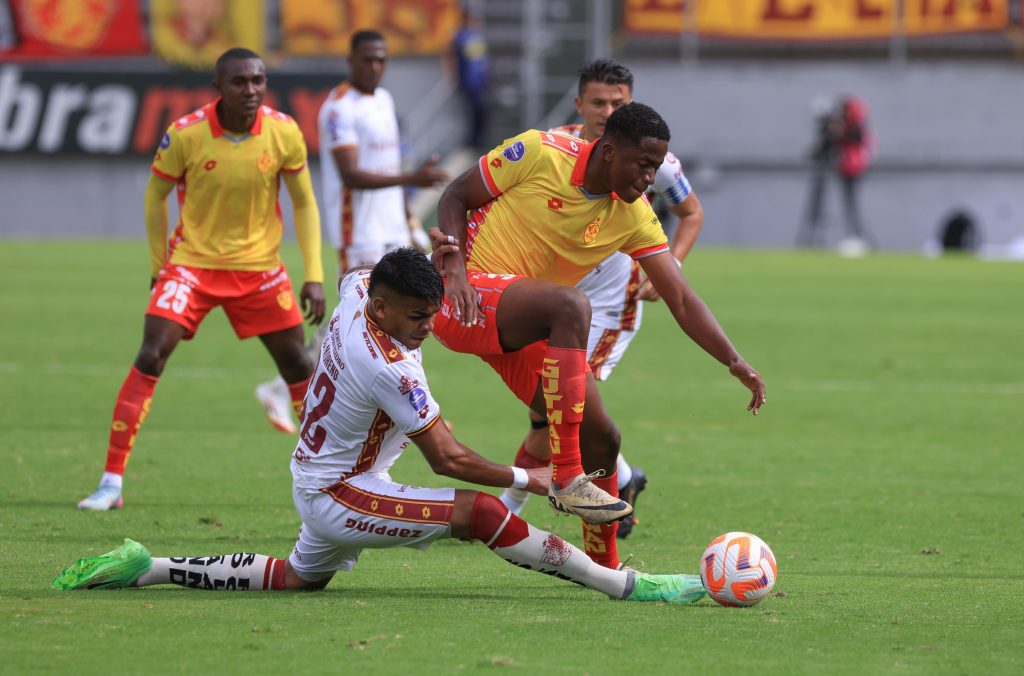
Ecuadorian football powerhouse Aucas has ignited widespread international fascination as strategic cross-continental investments and intense domestic title chases thrust the historic club into the global sporting spotlight. Long revered in the southern districts of Quito as an enduring symbol of community passion, the institution is now commanding direct attention from North American sports analysts, European scouting operations, and international analytics engines. What began as an organic regional following has transformed into a high-visibility global storyline, propelled by strategic partnerships that bridge European powerhouses, Major League Soccer infrastructure, and the fertile grassroots talent of South American athletics.
Search algorithms across the United States registered an abrupt and sustained spike in search volume around the club, signaling a structural shift in how international supporters track football ecosystems beyond traditional European leagues. Football fans are no longer content solely observing the finished products performing in the UEFA Champions League or the English Premier League. Instead, modern audiences actively track the upstream nurseries where future stars are forged, refined, and traded across multi-club corporate consortiums.
The Global Shockwave Behind an Ecuadorian Football Institution
The sudden spike in North American interest surrounding Aucas reflects an evolving dynamic where corporate sports networks, high-stakes fixture congestion, and cross-border digital coverage intersect. Historically known as Papá Aucas, the club achieved iconic status in 2022 by securing its first-ever LigaPro championship in its storied seventy-seven-year history. That historic triumph permanently altered the club’s administrative posture, replacing decades of domestic survival battles with an aggressive, modernizing vision aimed squarely at international relevance.
Global football markets operate on anticipation rather than nostalgia. Digital searches surged when mainstream American sports platforms began highlighting the tactical resilience of the Quito-based side alongside breaking reports of administrative ventures connecting Major League Soccer with top-tier Ecuadorian football. As global soccer enthusiasts and data scouts looked closely at the club’s seasonal performance indicators, they uncovered a systematically constructed football operation that punches far above its traditional economic weight class.
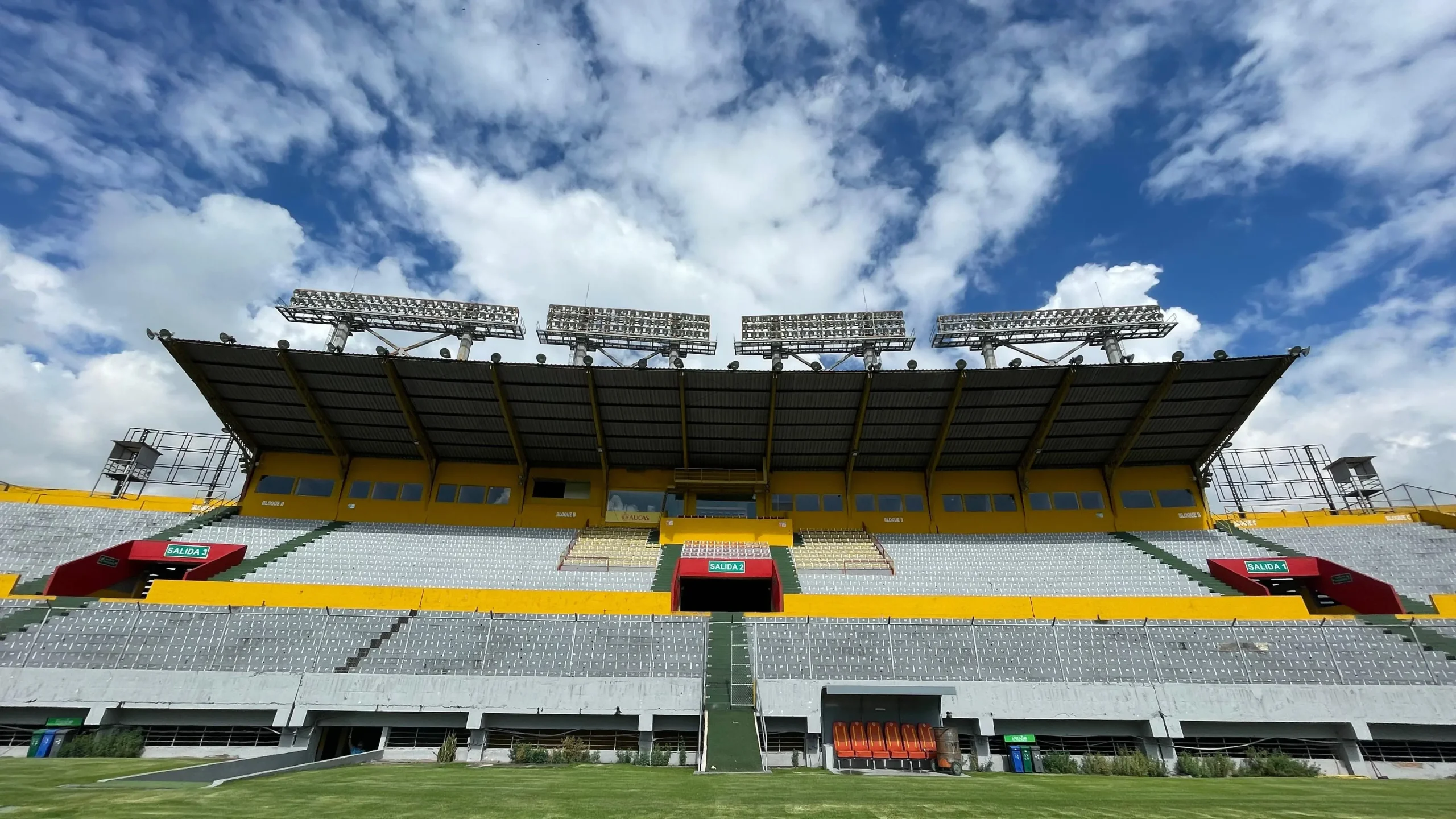
Rather than relying on short-term veteran acquisitions, the sporting leadership in Quito embraced institutional sustainability. By pairing high-altitude home-ground supremacy at the iconic Estadio Gonzalo Pozo Ripalda with disciplined financial balancing, the club established a model that appeals directly to global scouting consortiums looking for stable developmental environments in South America.
Why American Sports Analysts Are Suddenly Tracking South American Grassroots Football
The sudden migration of American sports analytical focus toward the Andean region is rooted in structural changes across the sports media landscape. Major North American sports media platforms, including FOX Sports and ESPN, now deliver real-time match tracking, detailed box scores, and granular player statistics for Ecuador’s top tier directly to mobile devices and smart televisions across the United States. When regional derbies and intense league fixtures pop up on weekend sports broadcasts, analytical communities take note.
Moreover, the modern American soccer enthusiast is increasingly sophisticated. Domestic fans who follow Major League Soccer closely understand that the future of North American competitiveness relies heavily on identifying high-ceiling South American talent before transfer valuations skyrocket. When an Ecuadorian club demonstrates systemic tactical discipline against continental heavyweights, scouting departments and casual fans alike initiate deep-dive research into the organization’s roster, ownership architecture, and tactical profile.
This digital cross-pollination transforms regional fixtures into viral global conversations. High-leverage domestic clashes that once remained confined to local radio broadcasts in Pichincha Province are now dissected on social media channels by tacticians analyzing transition phases, pressing triggers, and physical performance under high-altitude conditions.
Four Critical Pillars Driving the International Rise of Aucas
The global attention focused on the capital outfit is not a product of accidental algorithmic virality. It is the direct consequence of four structural pillars that combine elite multi-club corporate investment, grueling domestic battles, defensive masterclasses, and an unprecedented valuation surge across youth development ranks.
The Revolutionary Alliance Between FC Bayern Munich and LAFC
At the very center of this international phenomenon lies an elite institutional partnership. Red&Gold Football, the high-profile joint venture established in March 2023 between German juggernaut FC Bayern Munich and MLS powerhouse Los Angeles Football Club (LAFC), finalized a formal developmental alliance with the South American organization. LAFC officially confirmed this milestone partnership on December 17, 2025, sending shockwaves through both North American and European soccer circles.
The initiative was designed with a precise developmental philosophy: to build sustainable high-performance pathways for emerging talent in South America while feeding the sporting pipelines of both Los Angeles and Munich. For the Quito-based club, aligning with Red&Gold Football provided elite technical methodology, state-of-the-art sports science protocols, and direct integration into a global scouting matrix. For Bayern and LAFC, the cooperation agreement signed with Aucas represents a masterclass in establishing an operational footprint in one of the world’s most physically demanding and technically gifted football talent pools.
High Stakes LigaPro Battles Against Fierce Domestic Giants
While executive boardrooms finalized international agreements, the first team faced an unrelenting slate of domestic fixtures that captivated continental audiences. Coverage provided by FOX Sports highlighted the high-octane Superclásico de Quito against fierce cross-town rivals LDU Quito, hosted at the fortress of Estadio Gonzalo Pozo Ripalda on October 17, 2026. Clashes between these historic rivals carry immense civic pride and league championship implications, generating widespread regional viewership that reverberates through international sports tracking platforms.
The gauntlet did not end in the capital. The international footprint of the league was further evidenced by ESPN Philippines, which delivered comprehensive worldwide match coverage, live scores, and updated statistical tracking for the high-stakes showdown against Guayaquil powerhouse Barcelona SC on October 26, 2026. Competing against Ecuador’s traditional giants in rapid succession placed the team under an intense analytical microscope, proving that their tactical structure could withstand immense competitive pressure on the domestic stage.
Tactical Resiliency Proved on Grueling Domestic Pitches
A club’s credibility is ultimately decided on the pitch, and recent competitive outings proved that the team possesses exceptional defensive resolve. On September 12, 2026, the squad traveled to the coast for a grueling encounter against Manta F.C. that concluded in a hard-fought 0-0 stalemate. As detailed by comprehensive match logs and player statistics published by ESPN, the contest evolved into an exhausting physical battle where tactical compactness superseded attacking flair.
Coastal away fixtures in Ecuador are notoriously challenging, requiring teams from the high-altitude capital to adapt instantly to heavy humidity, oppressive temperatures, and relentless home pressure. Throughout the grueling fixtures that Aucas faced in the domestic league, the defensive backline and midfield pivots showcased disciplined positioning, successfully neutralizing opposing counter-attacks while preserving crucial league points. Observers analyzing match data noted that the team’s ability to grind out clean sheets away from home reflects elite structural maturity.
The Exploding Transfer Market Value of Under Seventeen Prospects
Behind the first team’s resilience sits a vibrant developmental machine that has captured the attention of world football agents. Comprehensive scouting registries compiled by Transfermarkt regarding the club’s Under seventeen division reveal an influx of certified player representatives and agents securing managerial mandates for teenage prospects. The modern football economy prioritizes early identification, and European scouting bureaus recognize that the Ecuadorian youth system produces players uniquely suited to the tempo of modern international football.
By establishing transparent contractual structures and professional developmental oversight, the youth academy of Aucas has become a focal point for international talent brokers. Rather than losing elite prospects through unregulated departures, the club maintains clear contract durations and professional agency relationships. This institutional foresight guarantees that whenever elite European or North American clubs pursue the next generation of Andean stars, the Ecuadorian side maintains formidable negotiating leverage.
Broader Geopolitical and Economic Pressures Across Modern Club Operations
The transformation of South American football clubs into globally integrated corporate entities does not occur in an economic vacuum. Across Latin America, football institutions face currency fluctuations, shifting broadcasting rights frameworks, and the delicate challenge of maintaining historical community roots while courting overseas private capital. Multi-club networks offer financial insulation against local economic volatility, but they also introduce complex governance expectations that challenge traditional club management.
In many respects, the heightened global focus on institutional stewardship mirrors shifts observed in international affairs. Just as international observers intensely scrutinize administrative integrity and regulatory protocols during volatile global events—analyzed deeply when the West Bank Settler Attacks Spark 3 Major Diplomatic Flashpoints and Fierce Outrage where political structures, institutional transparency, and global accountability collide—modern football organizations are held to unprecedented standards of governance by international partners and supporters alike.
For an Ecuadorian side operating under the gaze of German and American executives, administrative discipline is non-negotiable. Financial accounting, sports science facilities, and player welfare programs must meet the rigorous operational standards established by European football governing bodies. This integration demonstrates how modern sports investments serve as bridges connecting disparate economic markets through shared athletic frameworks.
Navigating the Future of Multi Club Ownership and Talent Pipelines
As the contemporary sporting landscape evolves, the multi-club operational model pioneered by global sports conglomerates is becoming the standard rather than the exception. Regional institutions that adapt quickly to this landscape position themselves for decades of athletic competitiveness and commercial health. Those that resist structural modernization risk falling behind in both domestic trophy pursuits and international financial parity.
By effectively aligning with Red&Gold Football while retaining the passionate local spirit cultivated across eight decades in Quito, the club has constructed a viable blueprint for mid-sized South American institutions. The balance between maintaining local identity and providing an international launching pad for generational talent represents the holy grail of modern football management. As the calendar progresses toward critical continental qualifiers and domestic cup runs, the broader trajectory of Aucas illustrates how regional heritage and global capital converge to build a durable athletic empire capable of commanding the world’s attention.