West Bank Settler Attacks Spark 3 Major Diplomatic Flashpoints and Fierce Outrage
A rapid series of assaults targeting international diplomats, journalists, and Palestinian agricultural lands has ignited fierce condemnation across the globe. We examine the diplomatic fractures and escalating accountability demands following these unprecedented field attacks.
A dangerous pattern of West Bank settler attacks targeting foreign diplomats, Palestinian farmers, and international journalists has ignited severe global condemnation across multiple continents. Over the course of consecutive days, an escalating sequence of violent encounters disrupted rural agricultural communities, directly endangered accredited media personnel, and shattered standard conventions governing the physical safety of international diplomatic delegations. The resulting fallout has reverberated through capitals worldwide, transforming localized rural confrontations into high-stakes geopolitical disputes.
According to coverage documented by CNN, The New York Times, and Reuters, violent incidents erupted across the West Bank during the critical annual olive harvest. What began as destructive assaults on civilian agricultural groves quickly transformed into direct, physical aggression against observers and press representatives. The crisis intensified dramatically when a visiting delegation of international diplomats was attacked merely twenty-four hours after a credentialed Washington Post journalist sustained injuries in a separate assault. The speed and boldness of these actions have prompted immediate inquiries from Western capitals and decisive public pushback from global powers, raising fundamental questions regarding regional security enforcement and institutional accountability.
A Rapid Wave of Violence Sweeping the Territory
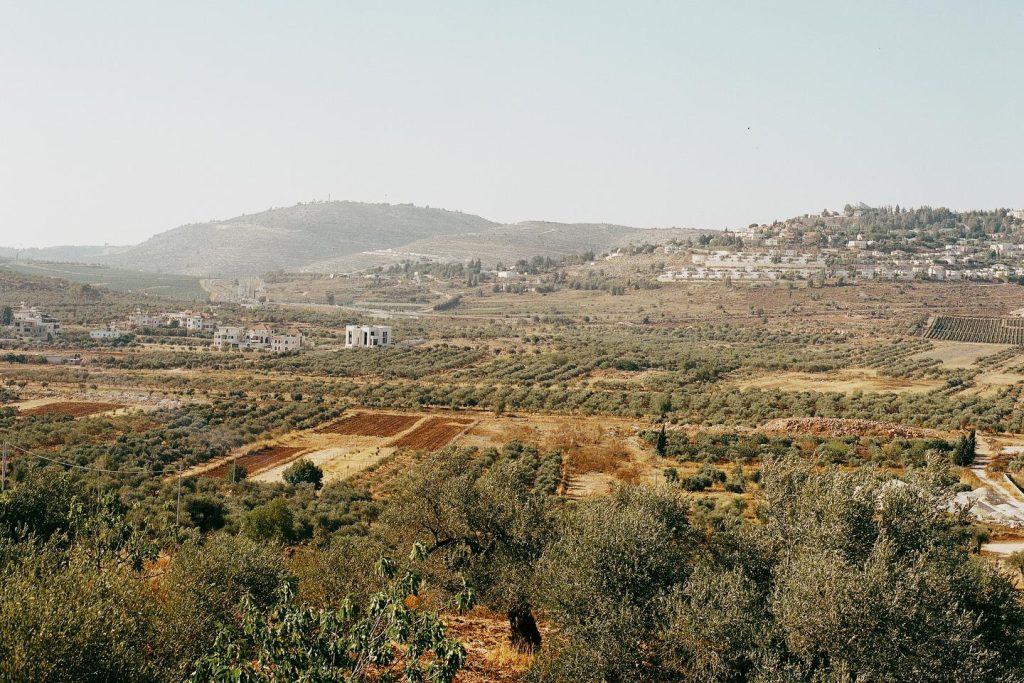
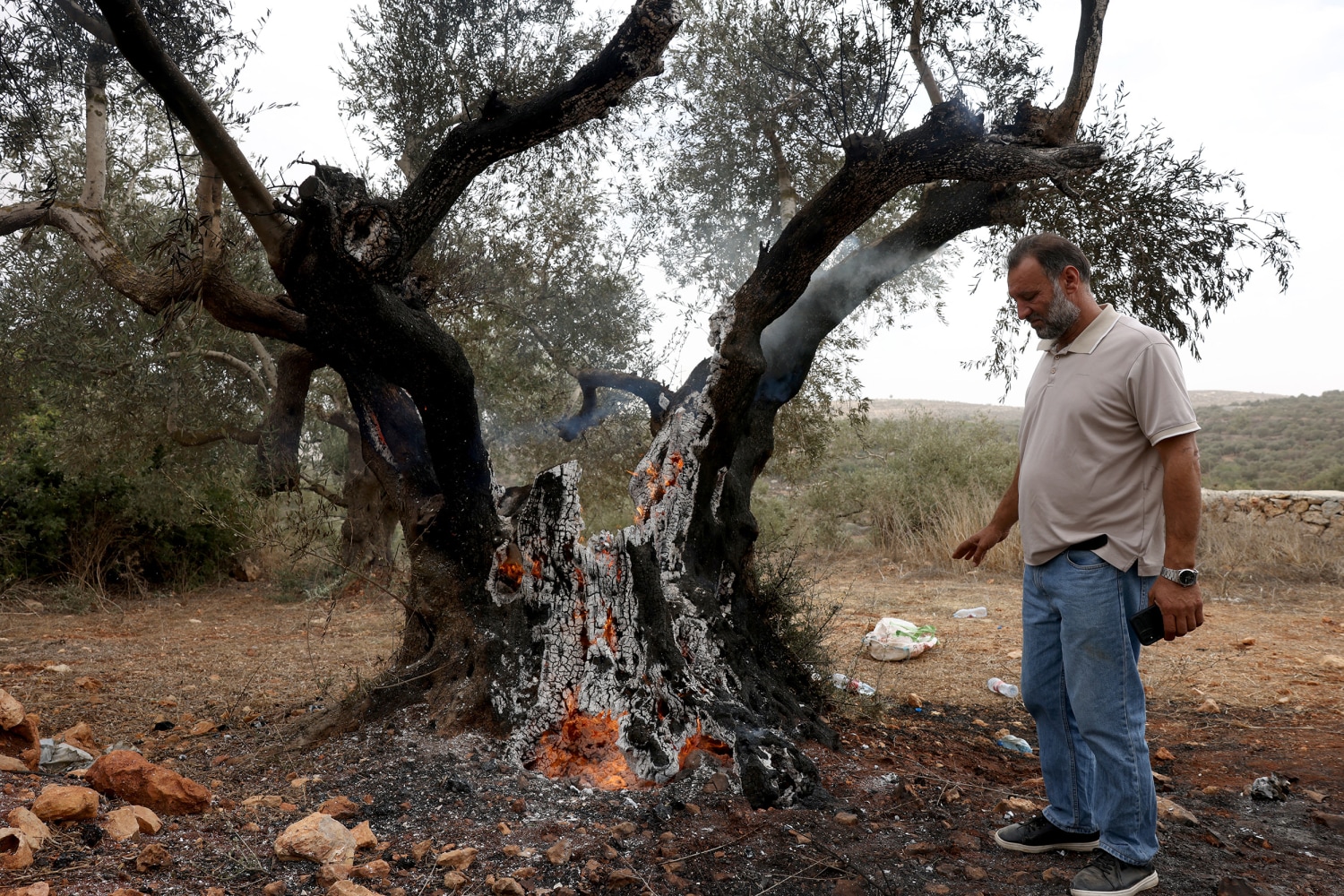
The timeline of unrest began during routine agricultural work that sustains thousands of Palestinian families. Reports confirmed by Reuters reveal that groups of Israeli settlers entered farming lands to set fire to established olive groves, deliberately destroying crucial agricultural assets and confronting civilian laborers. The olive harvest has historically represented both an economic lifeline and an acute flashpoint for territorial tension, but the intensity documented during these confrontations marked a distinct departure from sporadic friction.
As documented West Bank settler attacks spread from agrarian lands into direct confrontations with foreign observation missions, the physical peril facing non-combatants expanded exponentially. International observers, humanitarian monitors, and members of the press arrived on the scene to document the destruction of agricultural property, only to find themselves targeted directly by masked individuals brandishing batons, stones, and incendiary devices. The New York Times confirmed that the assaults involved direct physical contact, damaging vehicles, burning private property, and leaving several individuals requiring emergency medical attention.
Eyewitnesses and field dispatchers noted that security intervention failed to prevent the destruction of valuable orchards or disperse the aggressors before serious bodily harm occurred. The rapid deterioration of basic field security demonstrated an alarming operational void, enabling unchecked aggression against civilians and international personnel operating within fully recognized civilian boundaries.
The Sequence of Assaults on Journalists and Diplomats
The operational trajectory of the violence reveals a striking escalation in targets, transitioning from local civilian harassment to direct strikes against high-profile international figures whose presence is legally protected under international conventions.
Scorched Olive Groves and the Assault on Press Crews
During the initial confrontation documented by Reuters and The New York Times, a photojournalist working for The Washington Post was covering the destruction of Palestinian-owned olive groves when extremist settlers ambushed the press crew. Despite visibly wearing accredited press identifiers and operating in clear daylight, the journalist was struck and injured while attempting to capture photographic evidence of burning trees and civilian property damage.
Details compiled from field reports indicate that these West Bank settler attacks disrupted centuries-old seasonal traditions while directly endangering accredited press working to verify facts on the ground. In fast-moving ambush environments, field journalists and security teams frequently analyze protective maneuvering and rapid egress strategies. While observers often evaluate rapid reaction times alongside technical motion frameworks such as Sprint acceleration mechanics and 4 proven principles that unlock explosive speed, physical agility cannot substitute for the established legal protections that international law guarantees to working journalists in conflict zones. The assault resulted in tangible physical injuries and the destruction of expensive photographic equipment, signaling a calculated attempt to suppress independent verification of territorial aggression.
Diplomatic Convoys Under Siege in Confrontation Zones
Rather than subsiding after global newsrooms raised alarm over the injured journalist, the aggression intensified the following day. CNN reported that a convoy carrying foreign diplomats came under direct attack while touring the West Bank to evaluate local conditions and inspect the damage inflicted on civilian communities. The presence of diplomatic vehicle plates and official state markings failed to deter the assailants, who hurled heavy projectiles, damaged diplomatic transports, and forced the convoy into an emergency withdrawal.
The reality that subsequent West Bank settler attacks struck official international delegations attempting to evaluate field safety underscored a severe breakdown in operational deterrence. Diplomatic personnel represent sovereign states, and their safety during official field assessments is guaranteed under foundational international treaties. Targeting an official international delegation mere hours after injuring a major American newspaper’s photographer eliminated any plausible claim that these events were isolated, spontaneous misunderstandings.
3 Major Diplomatic Repercussions Reshaping Global Reactions
The consecutive assaults on accredited media and foreign diplomats catalyzed an immediate, multi-front diplomatic crisis that has fundamentally altered the tone of international discourse surrounding settlement activities.
Fierce Backlash and Congressional Pressure Inside Washington
The injury of an American media employee catalyzed sharp political blowback in the United States. As reported by The Washington Post, prominent members of the U.S. Congress issued immediate, forceful public statements condemning the assault on the photojournalist. Lawmakers demanded formal accountability, transparent investigations, and explicit guarantees from Israeli authorities that American citizens, journalists, and civilians would be shielded from vigilante violence.
This congressional mobilization highlights an evolving friction point within Washington. Historically, legislative responses to rural land disputes remain measured or polarized. However, the documented targeting of an accredited member of the American press operating in an official capacity created immediate consensus among key policymakers, prompting senior lawmakers to condemn the latest West Bank settler attacks and press for concrete investigations into why local security forces failed to protect accredited personnel.
Beijing Demands an Immediate Halt to Settlement Construction
The geopolitical fallout expanded far beyond Washington and European capitals. In a rare and unusually forceful diplomatic intervention, the Chinese government publicly addressed the escalating tensions. As reported by the BBC, China told Israel to halt the forced establishment of West Bank settlements, emphasizing that expanding unauthorized outposts and condoning coercive practices directly destabilizes regional security architecture.
Beijing’s statement represents a strategic diplomatic shift. By directly identifying settlement expansion as an engine of territorial friction and international law violations, Chinese foreign ministry officials signaled an intention to play an active, assertive role in Middle Eastern multilateral affairs. The intervention places additional international pressure on the Israeli government, illustrating how localized agrarian confrontations can rapidly trigger public rebukes from major global superpowers competing for influence across the Global South.
Growing European and Multilateral Scrutiny on Impunity
The direct assault on international envoys provoked intense alarm across European foreign ministries whose personnel frequently participate in West Bank monitoring missions. European officials have long voiced frustration regarding settler violence, but the physical targeting of diplomatic personnel has elevated these discussions from routine communiqués to formal bilateral protests.
Multilateral human rights organizations and legal bodies have echoed these concerns, emphasizing that attacks on diplomatic missions represent a direct breach of the Vienna Convention on Diplomatic Relations. The failure of territorial security forces to arrest perpetrators on the scene or deter subsequent attacks within a twenty-four-hour window has drawn intense scrutiny toward what international monitors describe as institutional impunity. European diplomats are now actively reviewing operational security protocols while weighing multilateral diplomatic countermeasures.
Systemic Consequences for Field Security and International Law
The compounding crises surrounding the olive harvest, the injured photojournalist, and the intercepted diplomatic convoy represent an acute test for regional stability. When agricultural lands become operational conflict zones and international observers are treated as targets, the space for independent journalism, diplomatic engagement, and peaceful civilian life contracts drastically.
Global legal bodies maintain that the protection of civilians and non-combatants remains non-negotiable under the Fourth Geneva Convention. The deliberate burning of productive agricultural assets directly threatens rural livelihoods, while coordinated assaults on foreign envoys challenge the foundational norms of diplomatic access. Human rights monitors warn that without decisive accountability mechanisms, recurrent West Bank settler attacks will continue to dismantle basic guarantees of diplomatic immunity and civilian security across the territory. As international scrutiny intensifies from Washington to Beijing, the imperative for tangible judicial action and field protection has reached a decisive turning point.