Shohei Ohtani Sparks 3 Major NLCS Debates After Shocking Lineup Demotion
When the Los Angeles Dodgers demoted their generational designated hitter to sixth in the order against Milwaukee, it ignited a fierce postseason debate over health, media hysteria, and October strategy.
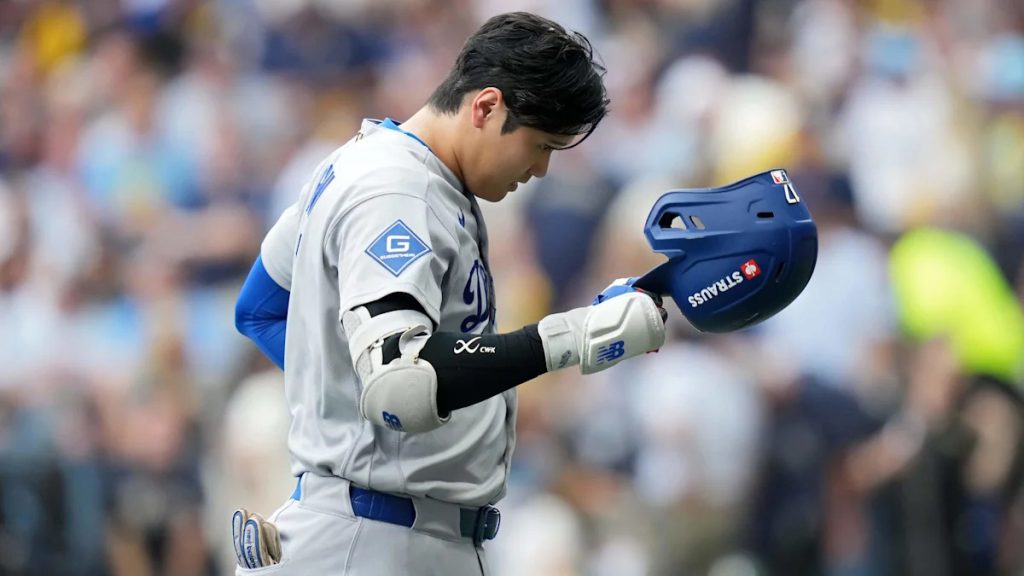
When the Los Angeles Dodgers dropped Shohei Ohtani to sixth in the batting order for NLCS Game 3, shockwaves tore through postseason baseball. For an entire regular season, baseball fans watched the transcendent talent redefine offensive possibility, anchoring the top of the lineup with historic power and relentless speed. Moving him down the card was not merely a subtle lineup shuffle. It was an unmistakable tactical recalibration that signaled deep concern over his physical condition and a sudden, uncharacteristic postseason slump.
October baseball rarely grants superstars room to breathe, and the Milwaukee Brewers seized upon every momentary lapse. As the National League Championship Series shifted venues, the spotlight swung directly toward the visiting dugout. Observers across the country struggled to reconcile the image of an unstoppable slugger with a hitter searching for timing against elite October pitching. Dave Roberts made a choice that few managers in history would dare to make, prioritizing immediate team balance over individual prestige during the sport’s most unforgiving tournament.
The Tactical Gamble That Stunned Dodger Stadium
The announcement arrived like a lightning strike before the opening pitch of Game 3. As ESPN initially broke the news, the Dodgers had officially penciled their designated hitter into the sixth spot against Milwaukee. Across the modern analytics era, premier sluggers are rarely displaced from the top third of the order, where plate appearances are maximized over nine innings. Shifting down to the bottom half of the order represented a jarring admission that something fundamental was misaligned.
For months, opposing pitching staffs searched for answers, but the conversation surrounding Shohei Ohtani shifted from historic offensive dominance to vulnerability once the Brewers neutralized his plate appearances. High fastballs and sharp breaking balls outside the zone yielded awkward swings, late contact, and uncharacteristic strikeouts. The New York Times and The Athletic captured the growing disbelief among spectators, openly questioning how baseball’s most extraordinary talent could suddenly look so ordinary against Milwaukee’s arms.
Sudden disruptions to established expectations often mirror wider cultural anxieties when long-term stability faces unexpected turbulence. Just as unpredictable shifts rattle expectations in national fiscal policy—where sudden recalibrations like the Social Security Payment Increase Triggers 3 Critical Warnings Over Looming 2032 Budget Cuts force millions to rethink stability—Dave Roberts’ abrupt tactical gamble sent an immediate tremor through Dodger Stadium. The move forced the rest of the lineup to adjust rapidly, asking secondary hitters to carry run-production burdens while their focal point attempted to reset his internal timing.
Inside the Physical Strain and Managerial Calculations
Behind closed doors, the conversation was far less about pride and far more about physical endurance. Reporting from Yahoo Sports underscored that Dave Roberts and his clubhouse projected unwavering confidence ahead of the contest, even as nagging injuries continued to stymie their designated hitter. Postseason campaigns are brutal endurance tests where lingering joint soreness, muscular fatigue, and compromised balance erode the razor-thin margins required to barrel up ninety-eight-mile-per-hour heat.
Navigating an intense championship pursuit without a fully healthy Shohei Ohtani presented an unprecedented managerial puzzle for Dave Roberts. Roberts understood that keeping the superstar in the leadoff or two-hole created an easy tactical blueprint for Milwaukee’s pitching staff, who could pitch around him or exploit his limited hip rotation to extinguish early rallies. By sliding him down to sixth, the Dodgers sought to insulate him from high-leverage defensive matchups in the opening frame while ensuring he saw pitches with runners on base deeper in the contest.
The internal communication between player and manager proved crucial in preventing a clubhouse distraction. Rather than treating the move as a demotion, Roberts framed the adjustment as a strategic deployment designed to exploit Milwaukee’s middle-relief rotation. The superstar embraced the assignment with characteristic professionalism, projecting calm during batting practice while quietly working through mechanical tweaks designed to shorten his path to the ball.
Three Crucial Pressure Points Defining the Dodgers Postseason Run
The decision to drop the franchise cornerstone down the order triggered an avalanche of competing narratives, polarizing commentators and highlighting the acute pressure points of championship baseball.
Media Speculation and the Fierce Backlash From Michael Wilbon
The mere suggestion that Los Angeles would bench Shohei Ohtani drew fierce pushback from veteran commentators who recognized the absurdity of sitting the sport’s premier talent. Speculation ran rampant across morning studio shows that the Dodgers might remove him from the starting nine entirely if his plate struggles persisted. As detailed by Awful Announcing, ESPN commentator Michael Wilbon unleashed a scathing critique against reporters floating such theories, labeling them lap dogs who traded baseball reality for manufactured controversy.
Wilbon argued forcefully that benching a generational talent because of a brief playoff slump defied fundamental baseball wisdom. Even at sixty percent capacity, the Japanese slugger commands supreme respect from opposing catchers and pitching coaches, completely altering defensive alignments and pitch sequencing. Wilbon emphasized that legendary players are paid to navigate through adversity on the field rather than watching the decisive innings of their season unfold from the top step of the dugout.
The Explosive Home Run That Silenced Milwaukee Pitching
Great players have an uncanny habit of rendering panic obsolete with a single swing of the bat. That breakthrough moment arrived with authority, as MLB.com detailed when breaking down Shohei Ohtani and his timely postseason blast that altered the emotional temperature of the series. Facing a high-leverage count, the designated hitter stayed back on an off-speed offering, driving the baseball deep into the bleachers and reminding everyone watching why he remains the most dangerous presence on the diamond.
The Statcast data revealed what the human eye could not immediately measure. Even through physical discomfort, his exit velocity and launch angle matched his regular-season apex. The round-tripper dismantled Milwaukee’s tactical approach, forcing their bullpen to reconsider pitching to him in subsequent innings regardless of where his name appeared on the lineup card. It served as a definitive reminder that a slump in October is often separated from legendary heroics by a fraction of an inch.
The Reality of Injuries Facing Dave Roberts and His Staff
Even with physical limitations slowing Shohei Ohtani down on the basepaths and checking his aggressive swings, the psychological weight of his presence remained undeniable. Modern sports medicine allows players to endure physical compromises that would have sidelined previous generations, but the human body still dictates ultimate outcomes. Roberts had to balance the medical staff’s conservative load-management recommendations against the desperate hunger of a franchise chasing a World Series banner.
Every swing produced visible grimaces, and every slide into second base invited anxious collective gasps from the dugout. Yet removing him was never a serious consideration for the organization. The true challenge lay in optimizing his remaining physical capacity without causing structural aggravation that could jeopardize both the current championship pursuit and the franchise’s long-term competitive window.
The Strategic Ripple Effects Across October Baseball
October baseball does not offer the luxury of patience. The regular season provides a six-month runway where a four-game slump is swallowed by a hundred and sixty-two games of data. In the League Championship Series, four cold games create an existential crisis. The national discussion surrounding this lineup alteration demonstrated how quickly the broader media forgets months of historic brilliance the moment a player encounters a stretch of October friction.
Milwaukee entered the series with a meticulously designed scouting report aimed at neutralizing the top of the Los Angeles order. When Roberts shifted his superstar down to sixth, the Brewers were forced to scrap their fifth- and sixth-inning bullpen matchups on the fly. Relief pitchers who anticipated facing lower-tier contact hitters suddenly found themselves staring down a two-time MVP with runners in scoring position, completely scrambling Milwaukee’s tactical late-game gameplan.
As the postseason march continues toward its ultimate climax, the lessons from Game 3 will reverberate through future managerial decision-making. Dave Roberts demonstrated that reputation must bow to tactical necessity in October, while his superstar showed that mental fortitude can overcome temporary physical compromise. Beyond the box scores and strategic maneuvers, the enduring resilience of Shohei Ohtani under relentless October pressure remains baseball’s ultimate spectacle.