Pat Murphy Drives 3 Critical Decisions That Define Brewers October Surge
Milwaukee Brewers manager Pat Murphy confronts high-stakes NLCS pressure against the Los Angeles Dodgers while fiercely defending catcher William Contreras from awards snubs. Discover how his unvarnished leadership keeps the clubhouse locked in.
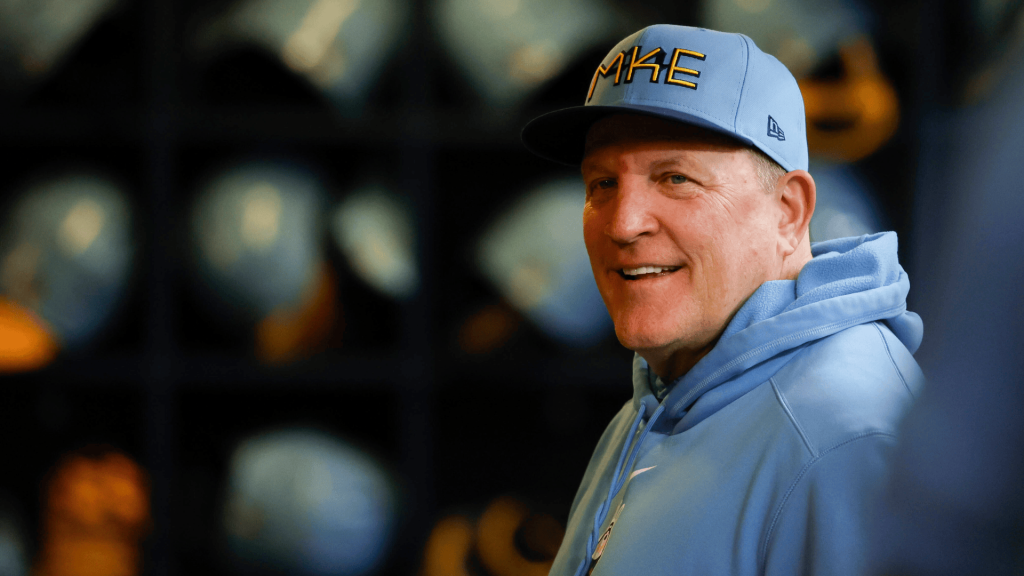
Milwaukee Brewers manager Pat Murphy has never been one to sugarcoat reality or suppress his authentic perspective when October baseball reaches fever pitch. Standing at the threshold of the National League pennant with a 2-0 series lead over the powerhouse Los Angeles Dodgers, the veteran field general has maintained the unyielding disposition that turned an overlooked roster into the toast of baseball. Yet, even with postseason glory hovering within arm’s reach, Murphy demonstrated that individual loyalty and team culture matter just as much as tactical execution on the diamond.
The national narrative surrounding the Milwaukee Brewers shifted from underdog curiosity to legitimate championship contender over the opening two games of the National League Championship Series. Traveling across the country to Dodger Stadium for Game 3 workouts, the atmosphere around the team crackled with quiet confidence tempered by seasoned restraint. Rather than relaxing into the cushion of an early advantage, the Milwaukee skipper spent the off-day addressing both strategic game management and external slights, refusing to allow outside accolades or snubbed recognitions to disrupt clubhouse harmony.
The Uncompromising Discipline Behind Milwaukee October Dominance
Sustaining excellence deep into the autumn requires an uncommon blend of technical precision and psychological edge. As detailed by The New York Times, the momentum behind Pat Murphy and the Brewers captured national headlines as their post-season narrative turned into a masterclass in collective execution. Taking two consecutive games from an opponent featuring some of the highest-paid offensive weapons in sports history does not happen by accident. It stems from an institutional blueprint that values pitch-by-pitch intensity over historical prestige.
According to analysis from Wisconsin Sports Heroics, the Milwaukee dugout has explicitly refused to underestimate the Dodgers despite the commanding two-game cushion. The dugout leadership understands that an opponent possessing elite offensive star power can erase multi-run deficits in the span of a single inning. The Brewers constructed their edge through aggressive base running, suffocating defensive alignments, and bullpen deployments calibrated to disrupt timing rather than rely merely on raw velocity.
By preventing the Los Angeles lineup from generating early-inning traffic, the team established control of the tempo. However, the message emanating from the dugout has remained constant: past innings provide zero protection against future at-bats. That uncompromising mindset has become the operational identity of the ballclub, engineered daily through direct communication and relentless preparation.
The Defensive Snub That Sparked a Fiery Dugout Defense
While preparation for Game 3 demanded urgent attention, external awards season injected unexpected fire into the clubhouse. When Rawlings revealed the finalists for its annual Gold Glove Awards, Milwaukee backstop William Contreras was conspicuously absent from the National League catcher category. The exclusion raised eyebrows across baseball analytics circles, but inside the Brewers organization, it provoked a much sharper reaction.
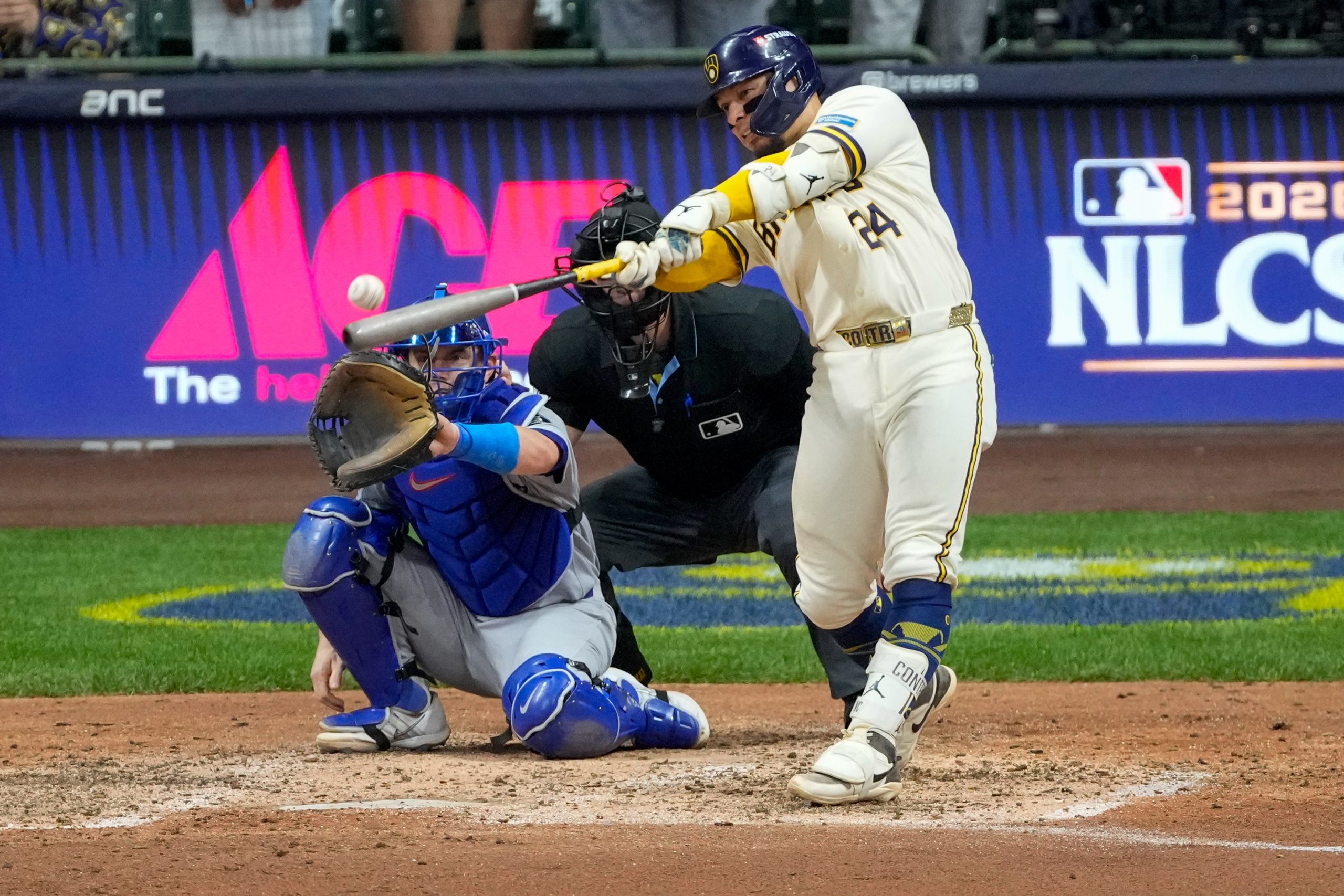
Speaking candidly to beat reporters, Pat Murphy voiced intense frustration over the omission, making it clear he was genuinely ticked that his primary catcher failed to receive formal recognition. The Milwaukee Journal Sentinel documented the skipper’s outspoken defense of Contreras, emphasizing the massive defensive burdens shoulder by the Venezuelan backstop throughout the grueling 162-game schedule. Contreras not only handled the physical demands of catching nearly every day, but he also spearheaded a pitching staff that navigated constant bullpen adjustments and rotation volatility.
Defensive evaluators often point to blocking metrics, caught-stealing percentages, and pitch framing rates when determining fielding prestige. Contreras made undeniable strides in pitch presentation and game calling throughout the campaign, earning deep admiration from Milwaukee pitchers who credit him with transforming borderline strikes into decisive punchouts. By stepping up and publicly challenging the voting outcome, the Brewers manager demonstrated the protective, player-first ethos that commands unwavering loyalty in modern clubhouses.
Inside 3 Major Tests Steering Pat Murphy and Milwaukee Forward
Navigating the remainder of the postseason requires navigating a treacherous psychological and strategic landscape. Rather than floating along on emotional momentum, the coaching staff faces three distinct friction points that will determine whether Milwaukee punches its ticket to the Fall Classic or watches an advantage slip away.
Neutralizing the Potent Los Angeles Lineup on the Road
Transitioning from American Family Field to the expansive environs of Dodger Stadium completely alters game management geometry. Road playoff environments amplify home-team surges, demanding rapid tactical interventions from the bench before an inning unravels. The Los Angeles batting order thrives on driving pitch counts upward and capitalizing on tired relief arms. Controlling this threat requires proactive bullpen maneuvering, defensive positioning adjusted to atmospheric night-game conditions, and absolute conviction when calling for high-leverage intentional walks or pitching changes.
Guarding Against Complacency When Holding a Commanding Series Cushion
In high-stakes sports competitions, emotional comfort represents an existential danger. Commentary from Brewer Fanatic highlighted that the strategic balancing act confronting Pat Murphy demands unwavering mental clarity, particularly when protecting an early series lead. A two-game cushion can vanish instantly if a team adopts a protective posture rather than remaining on the attack. Managing systemic postseason pressure shares striking similarities with high-volatility financial navigation, where understanding volatile momentum swings mirrors the exact principles found in Short squeeze mechanics and 4 essential rules that prevent devastating trading losses. In both arenas, failing to anticipate an aggressive reversal from an adversary under intense distress leads straight to catastrophic operational collapse.
Turning Awards Recognition Discontent into Clubhouse Unity
External slights can either become toxic distractions or cohesive accelerants depending on managerial handling. Rather than allowing the Gold Glove disappointment to fester into individual resentment, the Brewers staff redirected that perceived injustice into collective fuel. When an entire organization rallies around an overlooked athlete, it reinforces the foundational idea that outside recognition pales in comparison to internal trust. Transforming the Contreras snub into a battle cry solidifies team identity, turning individual defense into an enterprise-wide statement.
The Dodger Stadium Media Session and the Road to the Fall Classic
When Pat Murphy addressed reporters at Dodger Stadium ahead of Game 3, his demeanor reflected a leader who understands both the gravity of the setting and the fragility of postseason momentum. As captured by the Milwaukee Journal Sentinel during the workout day availability, the skipper refused to indulge speculative inquiries regarding World Series arrangements or premature celebratory forecasts. Every answer anchored back to fundamental execution, game preparation, and respect for the opposition’s capabilities.
The Brewers reached this threshold by refusing to play according to conventional expectations. Pundits repeatedly projected regression after significant roster changes, yet the team answered every challenge by leaning harder into disciplined execution, aggressive baserunning, and tactical bullpen management. The manager’s willingness to call out perceived injustices while simultaneously demanding perfection from his roster forms the core of Milwaukee’s operational identity.
With critical innings looming in Southern California, the margin for error narrows to razor-thin dimensions. Championship aspirations are forged not in comfortable sweeps, but in hostile road environments where execution under duress determines legacy. Through defensive controversies, opponent counterpunches, and intense national scrutiny, the enduring signature of Pat Murphy remains an authentic, unvarnished standard of accountability that positions Milwaukee to finish the job.